(A) Temporal change in EC50 values of PAF-induced platelet aggregation in human platelet-rich plasma across all treatment conditions. Data are presented as mean percentage change from baseline (ΔC/C EC50; n = 5) with error bars representing the standard error of the mean (SEM). Statistical analysis was performed using a two-factor repeated-measures ANOVA (treatment × time). Where significant interactions were detected, Bonferroni-adjusted pairwise comparisons were applied. *Indicates p < 0.05 for significant pairwise differences between treatments at a given time point. **Indicates p < 0.05 for significant main effects of treatment or time. An increase in EC50 reflects a reduction in platelet sensitivity to PAF. (B) Boxplots showing the area-under-the-curve (AUC) for ΔPAF EC50 (0–4 h) across all treatment conditions. Boxes represent the interquartile range (IQR), horizontal lines indicate the median, and whiskers show the range excluding outliers; circles represent values >1.5 × IQR identified during outlier screening. AUC data were analysed using a repeated-measures ANOVA after confirming normality (Shapiro–Wilk) and sphericity (Mauchly’s test). A significant main effect of treatment was detected (p < 0.05), with post-hoc contrasts demonstrating higher ΔAUC in the HDSNR condition compared with placebo. Abbreviations: HDSNR, high-dose stomach non-resistant capsule contained 0.5 g of SPL; IQR, interquartile range; HDSR, high-dose stomach resistant capsule contained 0.5 g of SPL; LDSNR, low-dose stomach non-resistant capsule containing 0.25 g of SPL; LDSR, low-dose stomach resistant capsule contained 0.25 g of SPL. PAF, platelet-activating factor; PLAC, placebo control.
Our paper on postprandial effect of a novel salmon extract
Abstract
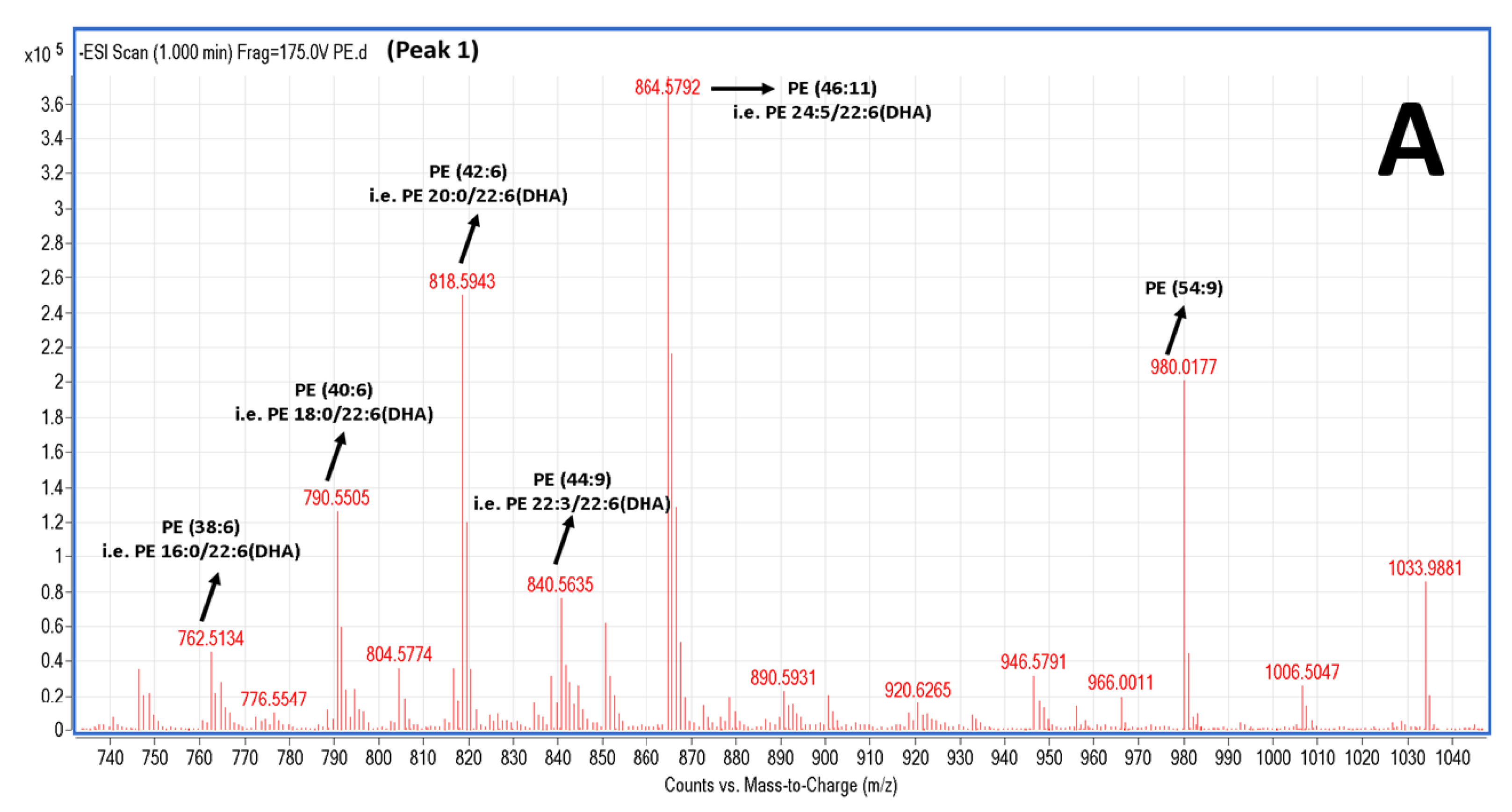
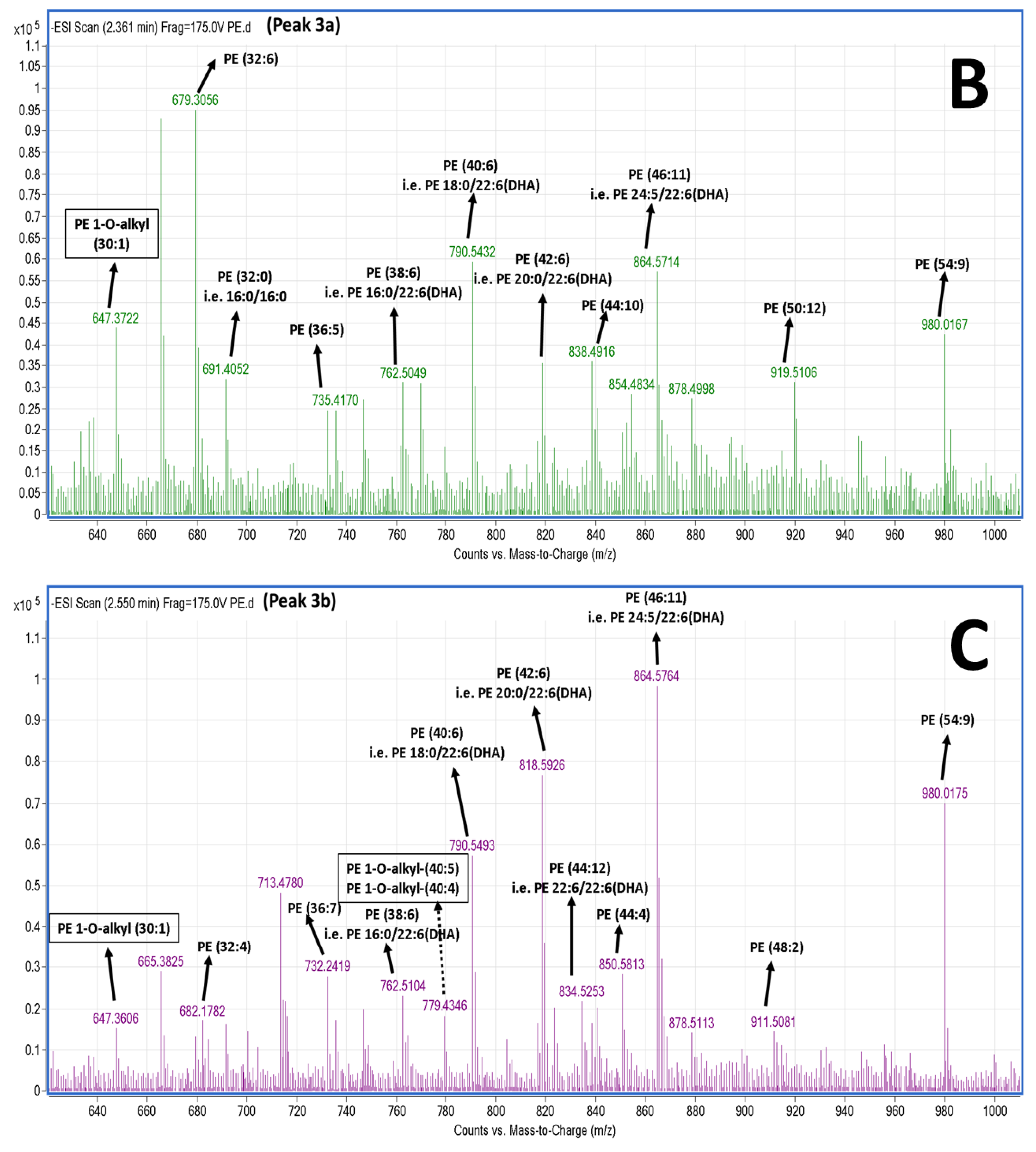
The postprandial effects of a novel food-grade extracted salmon polar lipids (SPL) supplement against platelet-activating factor (PAF) and thrombin-induced platelet aggregation in a human pilot study was evaluated. This study was double-blinded, crossover, and placebo controlled in design. Five healthy volunteers completed 4 h time-course trials on 5 separate days. Blood was drawn at baseline before subjects consumed a standardized breakfast with one of the following treatments: a low-dose (0.25 g) or a high-dose (0.5 g) of SPL encapsulated within a stomach resistant capsule (LDSR and HDSR respectively) or a non-resistant capsule (LDSNR and HDSNR, respectively), or placebo capsules containing food-grade glycerin (0.5 g; Placebo). Blood was analyzed at 1 h intervals for 4 h. Among the treatments tested, the high-dose non-resistant capsule (HDSNR) produced the clearest postprandial effects, inducing significant increases in EC50 (reduced platelet sensitivity) for PAF at 2–3 h and for thrombin at 3–4 h post-ingestion. Smaller or delayed effects were observed with the high-dose resistant capsule (HDSR), while low-dose formulations produced minimal changes. Postprandial plasma glucose, lipid profile (TC, HDL-C, LDL-C, TG), fibrinogen, prothrombin time, and activated partial thromboplastin time remained unaffected across all trials. This pilot study provides the first in vivo indication that SPL supplementation may modestly attenuate platelet responsiveness to both PAF and thrombin without altering standard haemostatic or metabolic biomarkers. Larger controlled studies are warranted to confirm these preliminary findings and define optimal dosing and formulation strategies.