Showing posts with label cross-contamination. Show all posts

Thursday, 26 May 2022

Coolmore Stud takes legal action over ‘contaminated horse feed’

source: The Times

Coolmore Stud has lodged High Court proceedings against Glanbia Foods Ireland in relation to equine feed that was contaminated with a banned substance when it was given to the stable’s racehorses in October 2020.

Coolmore, and several related parties, including the trainers Aidan O’Brien and his son, Donnacha, are all named among the plaintiffs in the High Court action. They are represented by Mason Hayes Curran.

The action is believed to relate to issues with Gain Equine Nutrition, a popular horse feed product that became contaminated with zilpaterol, a prohibited substance for racehorses, in 2020. The contamination forced Coolmore and O’Brien to pull their horses out of a series of races, including the Prix de l’Arc de Triomphe in Paris in October 2020, a race with up to €3 million in prize money at stake.

Aidan O’Brien reportedly switched his horses to another feed after zilpaterol was found in five horses that consumed the Glanbia feedstuff. At the time he said samples taken from horses he was intending to race at Longchamp had initially tested negative for zilpaterol but had subsequently tested positive following further tests in France.

Zilpaterol, an anabolic steroid, is used to promote weight gain in cattle but is banned in horseracing because of its potential to improve performance. It is banned in the European Union.

In March Glanbia Foods Ireland lodged a legal action against ED&F Man Liquid Products Ireland. It claims the zilpaterol discovered in its feed in October 2020 originated in molasses products supplied by the company. The company claimed its losses from the scandal amounted to €9 million.

Glanbia argues that its supplier was negligent and in breach of contract when it supplied defective and contaminated products. It argues the company failed to carry out adequate testing and inspection of its molasses. It said at the time it was facing claims by customers of over €4 million.

As well as seeking damages, Glanbia is seeking indemnity from third party claims. The case has been admitted to the Commercial Court and is due for mention next month.

Coolmore said it could not comment on its High Court action as “the matter is the subject of ongoing court proceedings”. Glanbia Foods Ireland said it currently had a claim against ED & F Man before the Commercial Court in relation to this matter. “It would therefore be inappropriate to make any further comment at this time,” it said.

Tuesday, 22 August 2017

the Dutch egg contamination scandal


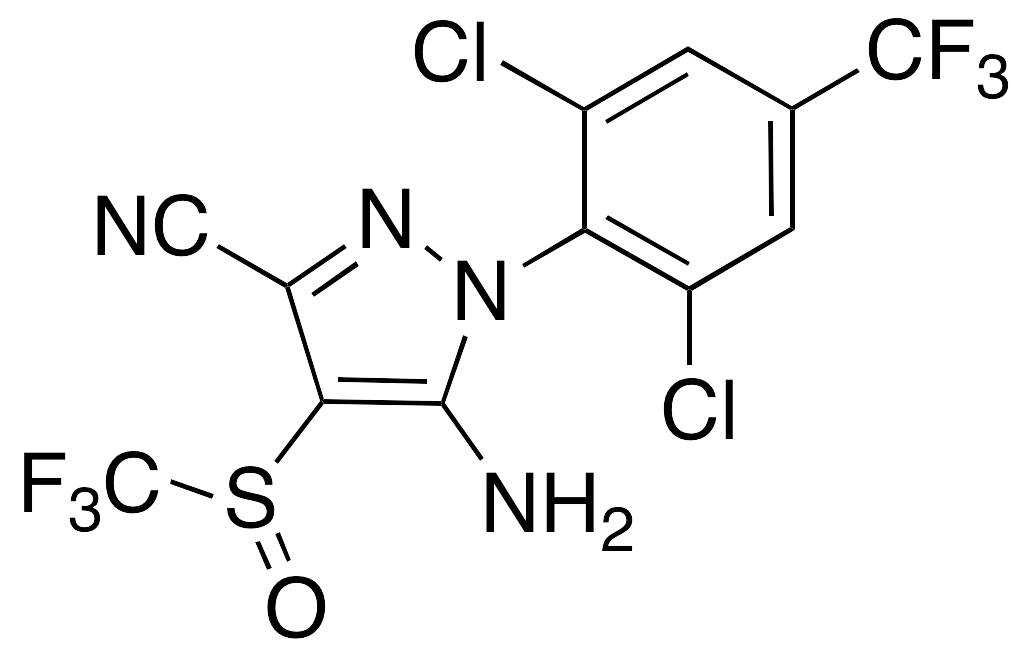
Fipronil
Synonyms: 5-Amino-1-[2,6-dichloro-4-(trifluoromethyl)phenyl]-4-[(trifluoromethyl)sulfinyl]-1H-pyrazole-3-carbonitrile; (+/-)-Fipronil; 1-(2,6-Dichloro-4-trifluoromethylphenyl)-3-cyano-5-amino-4-(trifluoromethylsulfinyl)pyrazole; Fluocyanobenpyrazole; Frontline Spot-on; Frontline Spray; Frontline Top Spot; Goliath gel; Granedo MC; Grenade MC; Maxforce FC; Maxforce FC Select Roach Killer Bait Gel; Over’n Out; Regent; Regent TS; Termidor; Termidor 80WG; TopChoice;


Around 700,000 potentially contaminated eggs have been imported into Britain from Dutch farms, according to the Food Standards Agency.
The affected eggs have been contaminated with an insecticide called Fipronil.

Where did the eggs come from and how did they become contaminated?
A The affected eggs originate from around 180 farms in the Netherlands that bought poultry from a supplier which used an illegal insecticide to treat red mite in chickens. The chemical, called fipronil, is not authorised for use as a veterinary medicine or pesticide around food producing animals as it can make its way into birds and eggs.
The egg in these foods may have been supplied from affected farms in the Netherlands before the blocks on these farms were imposed. It was incorporated into processed foods; fresh eggs on sale in the UK remain unaffected. Most of the additional egg products that have been identified were imported into the UK in liquid form so it is no longer practicable to provide a figure in terms of whole eggs, however, it remains the case that the egg we have identified represents only a fraction of a single percentage of the eggs we consume in the UK every year.
85% of the eggs we eat in the UK are laid here. As a precaution, UK eggs are being tested for the presence of Fipronil, and all initial results have been clear.

What is fipronil and is it harmful to humans?
Fipronil is a popular pesticide, often used to de-flea household pets such as dogs and cats. It is also effective at treating red lice, which are commonly found in poultry.
The World Health Organization (WHO) says fipronil is "moderately toxic" to people if it is eaten in large quantities, and can have dangerous effects on the kidneys, liver and thyroid glands.
It can also cause "nausea, vomiting, abdominal pain, dizziness, and epileptic seizures," says the Dutch food standards agency NVWA, although its effects are reversible.
Exposure to Fipronil can cause nausea, vomiting, headaches and dizziness. Long-term exposure to great quantities can cause thyroid, liver and kidney damage, and even lead to seizures.

= = =
Questions risen:
1. what penalties have been imposed to the Dutch (?) (only Dutch?) companies that started the scare?
2. What has happened to the birds that had produced these eggs?
3. How much fipronil has been actually applied to the birds? 

Ioannis Zabetakis