Monday, 30 January 2023

Ελλάδα: Νέες ετικέτες με QR Code για τα ΠΟΠ κρασιά

Πηγή : cibum.gr 


Εκσυγχρονίζεται το σύστημα ελέγχου των ΠΟΠ κρασιών της χώρας μας – Καταργούνται οι αναχρονιστικές χάρτινες ταινίες ελέγχου ΠΟΠ οίνων – Πρόσβαση των καταναλωτών στην πληροφορία

Τις δυνατότητες της τεχνολογίας αξιοποιεί ο τομέας του κρασιού ανοίγοντας νέους δρόμους στη ψηφιακή εποχή. Σύμφωνα με όσα ανέφερε η γενική γραμματέας του υπουργείου Αγροτικής Ανάπτυξης και Τροφίμων, Χριστιάνα Καλογήρου στο πλαίσιο συνέντευξης Τύπου που πραγματοποίησε η Εθνική Διεπαγγελματική Οργάνωση Αμπέλου και Οίνου το σύστημα ελέγχου των ΠΟΠ κρασιών της χώρας εκσυγχρονίζεται.

Συγκεκριμένα, το υπουργείο προχώρησε στη σύσταση ομάδας εργασίας για τον εκσυγχρονισμό του συστήματος χορήγησης ταινιών ελέγχου οίνων ΠΟΠ. Έργο της ομάδας ήταν η διερεύνηση εκσυγχρονισμού του συστήματος χορήγησης ταινιών ελέγχου οίνων ΠΟΠ, μέσα από τη διασύνδεση των υφισταμένων διαδικασιών και ψηφιακών συστημάτων του υπουργείου (αμπελουργικό μητρώο, δήλωση συγκομιδής, δήλωση παραγωγής, δήλωση αποθεμάτων) με νέα ηλεκτρονική διαδικασία κατάταξης οίνων ΠΟΠ και ενός νέου ολοκληρωμένου συστήματος σήμανσης οίνων ΠΟΠ.

Οι διαδικασίες ολοκληρώθηκαν και όπως ανακοίνωσε η κ. Καλογήρου «ο τομέας του κρασιού αξιοποιώντας τις δυνατότητες της τεχνολογίας εισέρχεται πλέον στη ψηφιακή εποχή. Από τις αναχρονιστικές χάρτινες ταινίες ελέγχου ΠΟΠ οίνων περνάμε στο QR Code, μέσω του οποίου οι καταναλωτές θα έχουν πρόσβαση στην πληροφορία». Πρόσθεσε επίσης, ότι «τις επόμενες ημέρες αναμένεται η απόφαση της ΚΕΠΟ και από εκεί και πέρα μπαίνουμε στο στάδιο υλοποίησης».με QR Code για τα ΠΟΠ κρασιά

Wednesday, 25 January 2023

Scientists suggest eating oily fish linked to lower risk of kidney disease

 from the Guardian.


“Among the richest dietary sources of these fatty acids are fatty cold-water fish – for example, salmon, sardines, mackerel, and herrings – and to a less extent shellfish, like oysters, mussels, and crab.”

The findings support guidelines recommending consumption of oily fish and other seafood as part of a healthy diet.

“Current dietary recommendations in most countries suggest at least two servings of fish per week, preferably oily fish, which will provide about 250mg/day of long-chain omega 3s,” said Marklund.

Tuesday, 24 January 2023

There is a war on nature. Dom Phillips was killed trying to warn you about it

 Dom Phillips and Bruno Pereira have been killed in an undeclared global war against nature and the people who defend it. Their work mattered because our planet, the threats to it and the activities of those who threaten it matter. That work must be continued.


the full story is here.

Monday, 23 January 2023

Traces of controversial weedkiller detected in a quarter of Irish people tested

 source: the Irish Times


An investigation into exposure to glyphosate in Irish families has detected low -level traces of the controversial herbicide in a quarter of people tested.

The research project is the first of its kind to investigate levels of background exposure to glyphosate among Irish households.

Glyphosate is the most frequently used weedkiller in the EU. The European Commission is re-evaluating its use, primarily because of human health concerns. It has been or will soon be banned in at least 10 countries, and at least 15 others have restricted its use. Farmers in Germany must stop using it from 2024.

Led by exposure science researchers at the University of Galway, in collaboration with the Institute for Prevention and Occupational Medicine in Bochum, Germany, and the German Environment Agency, the study tested urine samples collected from farm and non-farm families for glyphosate and its main human metabolite, aminomethylphosphonic acid (AMPA).

(...)

Dr Marie Coggins, senior lecturer in exposure science at UG said: “The glyphosate exposure data is relevant as the European Commission evaluate their renewal assessment for this controversial pesticide.

“Although the exposure data reported is low compared to the current acceptable daily intake value set by [the European Food Safety Authority] EFSA, our risk assessment could change following the publication of the European Food Safety Authority’s renewal assessment in early 2023,” she said.

The data suggests occupational users may have a slightly higher exposure than background levels, “which could and should be reduced further by substitution with less harmful methods, careful chemical handling practices and the use of exposure controls such as personal protective equipment”, Dr Coggins said.

A total of 68 families took part – 14 of whom were living on farms, with one of those family members spraying glyphosate-based pesticide. The study analysed tests from 226 people and their responses to a detailed dietary and lifestyle questionnaire. Glyphosate was detectable in 26 per cent of samples. AMPA was detectable in 59 per cent of samples.

Wednesday, 18 January 2023

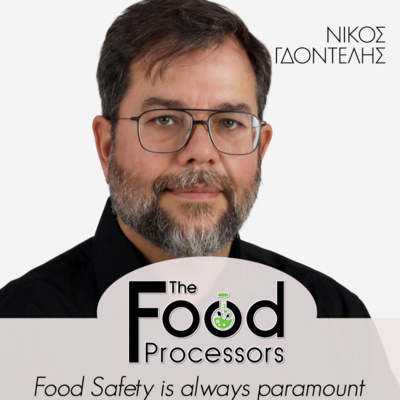
The food Processors: Ο Ν. Γδοντέλης αναλύει τις διατροφικές τάσεις του μέλλοντος


Πώς έχουν αλλάξει οι διατροφικές συνήθειες και ποιες είναι οι νέες τάσεις; Ποια θα είναι η διατροφή του μέλλοντος; Πως η προσέγγιση για Βιωσιμότητα (sustainability) επηρεάζει το πιάτο του καταναλωτή. Πως επηρεάζει η έννοια της ευζωίας των ζώων (animal welfare) το πιάτο του καταναλωτή και πως θα την επηρεάσει στο μέλλον. Υπάρχει νομικό ή ρυθμιστικό πλαίσιο που διέπει και περιγράφει τη «διατροφή» του μέλλοντος;

Οι The food Processors Νίκος Γκιώνης και Λεωνή Λειβαδίτη συζήτησαν αυτό το θέμα με τον Νίκο Γδοντέλη , ιδρυτή του cibum.gr

πηγή: cibum.gr


Monday, 16 January 2023

Πτηνοτρόφοι σε απόγνωση

 Χάνουν ευρωπαϊκές ενισχύσεις γιατί επιχειρήσεις σφαγείων και ελεγκτικές αρχές «ξεχάστηκαν» ▶ Στις 10 Ιανουαρίου έληξε η προθεσμία υποβολής δηλώσεων από πλευράς των παραγωγών που δικαιούνταν αποζημίωση για την αύξηση του κόστους των ζωοτροφών ● Ομως μεγάλες εταιρείες στην Εύβοια πραγματοποίησαν σφαγές το 2020 και το 2021, διέθεσαν στην αγορά χιλιάδες τόνους πουλερικών χωρίς να δηλώσουν καμία σφαγή, που είναι βασική προϋπόθεση για να λάβουν οι παραγωγοί τα χρήματα από τα κοινοτικά κονδύλια ● Οι πτηνοτρόφοι εγκαλούν την Περιφέρεια Στερεάς Ελλάδας και τον Ευβοιώτη υφυπουργό Σ. Κεδίκογλου για περίεργη αδράνεια


πηγή ΕΦΣΥΝ.

Friday, 13 January 2023

Το σκάνδαλο με το κρέας αλόγων κούρσας και όλα όσα δεν έγιναν


Το τεράστιο διατροφικό σκάνδαλο που συγκλόνισε την Ευρώπη, η θανατηφόρα ουσία bute και ο “χαμένος στη μετάφραση” Ευρωπαϊκός κανονισμός 178/2002.

άρθρο στο cibum.gr


Του Γιάννη Ζαμπετάκη*

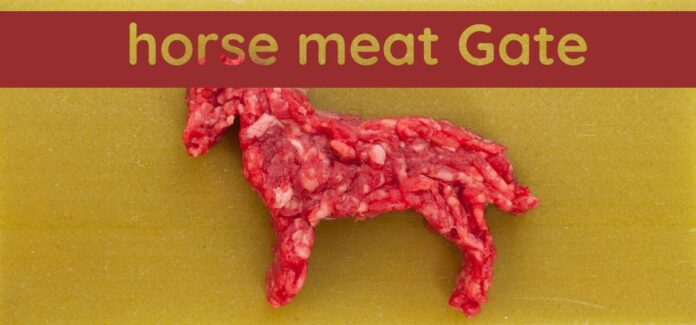
Αυτό το μήνα κλείνουν 10 χρόνια (πώς περνά ο καιρός!) από το σκάνδαλο με το κρέας αλόγου που βρέθηκε σε πλήθος κρεατοπαρασκευασμάτων. Το σκάνδαλο ήταν μια επιτυχία του Ιρλανδικού ΕΦΕΤ (FSAI) που ανέπτυξε μια μέθοδο ανίχνευσης αλογίσιου κρέατος σε προϊόντα κρεάτων (μοσχαρίσιο και χοιρινό). Η σχετική ανακοίνωση έγινε τον Γενάρη του 2013 και από εκείνη την μέρα για μήνες τα κυκλώματα απάτης και νοθείας άρχισαν να αποκαλύπτονται με καταιγιστικό ρυθμό!

Το σκάνδαλο αυτό είχε δύο διαστάσεις. Η πρώτη (και πιο «ανώδυνη») ήταν η νοθεία κρέατος με αλογίσιο κρέας και η παραπλάνηση των καταναλωτών. Η δεύτερη όμως διάσταση και πιο σοβαρή ήταν το γεγονός ότι στην διατροφική αλυσίδα είχε καταλήξει κρέας από άλογα κούρσας. Σε αυτά τα άλογα, χρησιμοποιείται μια αντιφλεγμονώδης χημική ένωση, η λεγόμενη φαινυλοβουταζόνη (phenylbutazone ή πιο απλά bute). Αυτό που δεν έγινε έγκαιρα από κανένα ευρωπαϊκό οργανισμό ασφάλειας τροφίμων ήταν να εφαρμοστεί η αρχή της προφύλαξης (άρθρο 7 του ΕΚ 178/2002) και να αποσυρθούν άμεσα όλα τα τρόφιμα με αλογίσιο κρέας ώστε να ελαχιστοποιηθεί η έκθεση των καταναλωτών στην bute. Το πάθημα με το Ουκρανικό ηλιέλαιο του 2008 δεν μας έγινε μάθημα (δηλαδή να γίνει άμεση και ολική ανάκληση όλων των σχετικών προϊόντων) και έτσι οι καταναλωτές κατανάλωσαν κρέας με bute.

Tι θα έπρεπε να γίνει όμως;

O EK 178/2002, στο άρθρο 7 ορίζει σαφώς πως:

Αρχή της προφύλαξης

1. Στις ειδικές περιπτώσεις κατά τις οποίες, ύστερα από αξιολόγηση των διαθέσιμων πληροφοριών, εντοπίζεται πιθανότητα βλαβερών επιπτώσεων στην υγεία αλλά εξακολουθεί να υπάρχει επιστημονική αβεβαιότητα, μπορούν να ληφθούν τα προσωρινά μέτρα διαχείρισης του κινδύνου που είναι αναγκαία για την εξασφάλιση του υψηλού επιπέδου προστασίας της υγείας που έχει επιλεγεί στην Κοινότητα, μέχρι να υπάρξουν περαιτέρω επιστημονικές πληροφορίες για μια πιο εμπεριστατωμένη αξιολόγηση του κινδύνου.

2. Τα μέτρα που λαμβάνονται βάσει της παραγράφου 1 είναι ανάλογα και όχι πιο περιοριστικά για το εμπόριο από όσο απαιτείται για την επίτευξη του υψηλού επιπέδου προστασίας που έχει επιλεγεί στην Κοινότητα, ενώ παράλληλα λαμβάνουν υπόψη την τεχνική και οικονομική βιωσιμότητα και άλλους παράγοντες όπως αρμόζει στο εκάστοτε ζήτημα. Αυτά τα μέτρα αναθεωρούνται μέσα σε εύλογο χρονικό διάστημα, ανάλογα με τη φύση του κινδύνου που προσδιορίζεται όσον αφορά τη ζωή ή την υγεία και του είδους των επιστημονικών πληροφοριών που απαιτούνται για τη διασαφήνιση της επιστημονικής αβεβαιότητας και τη διεξαγωγή μιας πιο εμπεριστατωμένης αξιολόγησης του κινδύνου.

Λόγω της τοξικότητας της bute (προκαλεί απλαστική αναιμία και… θάνατο στους ανθρώπους), αν είχαμε εφαρμόσει άμεσα την αρχή της προφύλαξης, δεν θα είχαμε εκτεθεί σε αυτή την ένωση. Για αυτό το θέμα, έγραψα ένα γράμμα προς τον εκδότη της εφημερίδας Irish Times (11.1.2023).

Επιμύθιο

Σήμερα, οι ελεγκτικές μας αρχές μελετούν τους ανερχόμενους κινδύνους στα τρόφιμα; Για παράδειγμα, βαρέα μέταλλα σε νερό και τρόφιμα.

Μελετούν την σχετική βιβλιογραφία σχετικά με την τοξικότητα αυτών των τροφίμων;

Είναι έτοιμοι και απαλλαγμένοι από το σχετικό πολιτικό κόστος να προβούν σε ολική ανάκληση αν προκύψει κάποιο ανάλογο πρόβλημα;


*O Γιάννης Ζαμπετάκης είναι Αναπληρωτής Καθηγητής Χημείας Τροφίμων, Πρόεδρος του τμήματος Βιολογικών Επιστημών του Πανεπιστημίου Λίμερικ στην Ιρλανδία και “παίζει” πάντα Αριστερό Εξτρέμ.

Wednesday, 11 January 2023

Letter to the Editor: The horsemeat scandal

Letter to the Editor; Irish Times; 11.1.23 

Sir, – 

Regarding “How Ireland was blamed, then praised, for exposing horsemeat scandal a decade ago” (Kevin O’Sullivan, News, January 7th), there are two dimensions to this food fraud scandal. The first one is the fraud against the consumers, where horsemeat was sold as beef meat (which is highlighted excellently by Kevin O’Sullivan). 

The second dimension is the fact that meat from racing horses had entered the food chain and this meat was tainted with phenylbutazone (or “bute”). 

Bute is an anti-inflammatory drug that is given to racing horses and causes a potentially fatal disorder in humans called aplastic anaemia. 

For weeks (if not months) in 2013, there was a discussion on which levels of bute are “safe” in meat for human consumption but according to the precautionary principle (article 7 of EC 178/2002: “in specific circumstances where, following an assessment of available information, the possibility of harmful effects on health is identified but scientific uncertainty persists, provisional risk management measures necessary to ensure the high level of health protection chosen in the Community may be adopted, pending further scientific information for a more comprehensive risk assessment”), there are no safe levels of bute in meat which can be consumed by humans.

The precautionary principle wasn’t applied appropriately, and this non-application led to exposure of consumers to bute. – Yours, etc,

IOANNIS ZABETAKIS, Senior Lecturer, Department of Biological Sciences, University of Limerick.

Tuesday, 10 January 2023

τι θα έπρεπε να κάνει η Αριστερά σήμερα;

 "Η Αριστερά λέει ότι θα προσλάβουμε περισσότερους εκπαιδευτικούς  και έγκαιρα. Αυτά είναι ποσοτικά μπαλώματα. Θα έπρεπε να δυναμιτίσει απαρχαιωμένες αντιλήψεις και συμφέροντα, με οποιοδήποτε κόστος, ώστε να προκύπτουν από τη μαθησιακή διαδικασία, ελεύθεροι πολίτες κι όχι πειθήνιοι καταναλωτές. "


από μια εξαιρετική συνέντευξη του σεβασμιωτάτου αρχιεπισκόπου Γαïδουρονησίου κ. Δημητρίου (Χαΐνη) 

Monday, 9 January 2023

A decade on: How the horsemeat scandal changed the way the world thinks of food safety

 source : Irish Times

At this link there is an excellent article on this food fraud scandal that started in January 2013.

However, there is no mentioning of the Precautionary Principle.


Thursday, 5 January 2023

Phospholipid Subclasses and Their Biological Functions


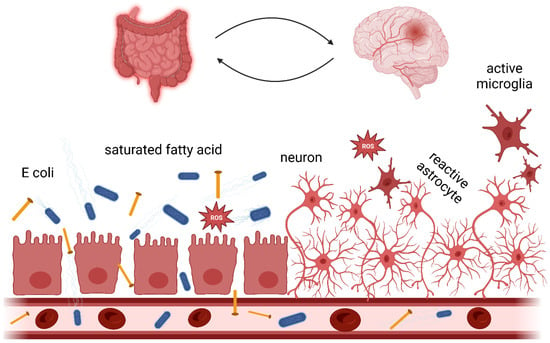
Figure 1. Dietary lipids in the gut-brain axis. Dietary lipids intake can alter gut microbiome balance by increasing the Gram-negative bacteria population [58]. Saturated fatty acid consumption and metabolism affect gut health through reactive oxygen species generation [59]. Chronic gut inflammation can disrupt the intestinal tight junction and consequently lead to a “leaky gut”. Neurotoxins can penetrate the intestinal epithelium and, through the bloodstream, reach the BBB. A compromised BBB facilitates neurotoxins entering the brain and inducing inflammation [53,54]. Active microglia cells and reactive astrocytes can harm neuron cells.


Neurodegenerative diseases are a group of disorders characterised by progressive loss of brain function. The most common of these is Alzheimer’s disease, a form of dementia. Intake of macro- and micro-nutrients impacts brain function, including memory, learning, mood, and behaviour. Lipids, particularly phospholipids and sphingolipids, are crucial structural components of neural tissues and significantly affect cognitive function. Lipids, therefore, may be able to modify the onset and progression of neurodegeneration.


research topic

About this Research Topic


Beginning in December 2019, the world saw the rise and rapid spread of the COVID-19 disease, which eventually became a global pandemic. The first wave and second waves were very severe, causing widespread mortality. Subsequent waves - the third and fourth waves - though not as severe, have also seen fatalities. The development of vaccines and improved knowledge greatly contributed to the reduction in severity and fatality. However, a new problem has emerged. One of the characteristic features of COVID-19 disease was hyper-inflammation. This hyper-inflammation involved multiple inflammatory pathways and was characterized by elevated levels of cytokines, promoting coagulation dysfunction, causing tissue damage, sepsis and organ failure. It has been well established that this was one of the mechanisms the causative agent of COVID-19, SARS-CoV-2 exploited. The widespread, uncontrolled inflammation was the major cause of disease severity and mortality and a chief reason that anti-inflammatory drugs such as corticosteroids and monoclonal antibodies targeting signaling pathways formed a major part of the treatment of COVID-19.


As the pandemic gradually recedes, its after-effects are being observed. Heart and kidney disease, gastrointestinal and neurological issues are being reported to name a few. An important underlying condition has been detected- multisystem inflammatory syndrome (MIS). In this condition, the hyperinflammation observed during the COVID-19 disease remains unresolved. The body is unable to address this hyperinflammation appropriately after the COVID-19 disease subsides. As a result, the body does not return to its former state, as it was before the SARS-CoV-2 infection. There is still a residual level of inflammation and inflammatory cytokines, and the body remains in an inflammatory state. This may explain the sudden deaths due to cardiac arrests observed in numerous COVID-19 patients after initial recovery. Many COVID-19 patients also develop acute kidney disease and, in some cases, suffer renal failure after their initial recovery. The neurological issues and gastrointestinal disturbances also can be traced back to this inflammatory state.

The anti-inflammatory activity of many medicinal plants has been well established. Different traditional systems of medicine, including traditional Indian medicine (TIM), traditional Chinese medicine (TCM), traditional African medicine (TAM), and ancient Persian medicine use these anti-inflammatory plants, extracts, and formulations for the treatment of disease. Some of these medicinal plants with known anti-inflammatory activity may also form a part of the diet; including turmeric, cumin, fenugreek, ginger, and garlic. Nutrition also plays a key role in the inflammatory state of the body. Some foods may promote inflammation while others can help reduce inflammation. During COVID-19 disease, in some countries, the traditional systems of medicine were employed in conjunction with the regular treatment protocols prescribed by standard agencies (the WHO and respective government agencies). Dietary interventions such as diets rich in anti-inflammatory components and the use of supplements were another facet of the treatment of COVID-19.

Data science and machine learning are important tools that help in the prediction and risk mitigation of the occurrence of disease. Several studies using data science and machine learning to predict the occurrence and severity of COVID-19 were attempted. Additionally, the different immunological signatures observed during inflammation can be used to predict the likelihood of a patient developing multisystem inflammatory syndrome, post-COVID-19.

With this being an interdisciplinary research topic, we invite contributions from researchers and colleagues, focusing particularly on the multisystem inflammatory syndrome observed post-COVID-19, the role of ethnopharmacology, nutrition and diet for mitigation, and data science for prediction.

Specific themes include:

• Multisystem inflammatory syndrome in children and adults post COVID-19.

• Medicinal plants, extracts, and formulations as anti-inflammatory agents that can help reduce inflammation.

• Nutritional and dietary modifications that influence inflammation and inflammatory state of the body.

• Role of data science in the prediction of the possible occurrence of multisystem inflammatory syndrome post COVID-19.

All the manuscripts submitted to the collection will need to fully comply with the Four Pillars of Best Practice in Ethnopharmacology (you can freely download the full version here).). We also expect that the MS follow the standards established in the ConPhyMP statement Front. Pharmacol. 13:953205.

Sunday, 1 January 2023

Lang may yer lum reek


the image is from https://www.vectorstock.com/royalty-free-vector/conceptual-background-creative-idea-vector-1818884

= = = = = = = = = = = 

The title of this post means "long may your chimney smoke" and metaphorically means to be healthy and with new ideas.

Talking about a new idea... I think what is missing today is an incubation hub where new ideas around new foods and supplements can be developed and where your people can develop their idea into a business plan around a new food business activity.

The focus should be on export potential, new trends in food science and health claims.

Then the refined idea and business plan can be submitted to funding bodies and take it further.

Some ideas are in this new book that has just been published.