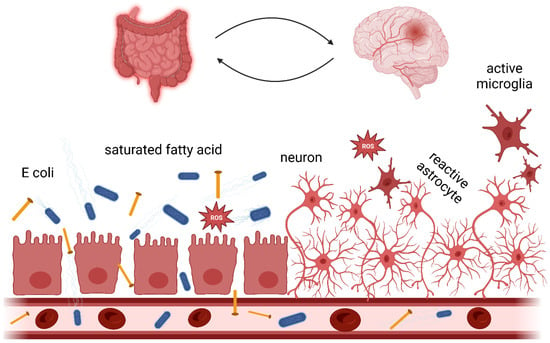
The Role of Dietary Lipids in Cognitive Health: Implications for Neurodegenerative Disease
Hans
S, Karadimou A, Mulvihill JJE, Grabrucker AM, Zabetakis I (2022) The role of
dietary lipids in
Cognitive health: implications for
neurodegenerative disease. Biomedicines 10(12) 3250.
Abstract
Neurodegenerative diseases are a group of disorders characterised by progressive loss of brain function. The most common of these is Alzheimer’s disease, a form of dementia. Intake of macro- and micro-nutrients impacts brain function, including memory, learning, mood, and behaviour. Lipids, particularly phospholipids and sphingolipids, are crucial structural components of neural tissues and significantly affect cognitive function. The importance of functional foods in preventing cardiovascular disease is well-documented in the current literature. However, the significance of such foods for central nervous system health and neurodegenerative diseases is less recognized. Gut microbiome composition affects cognitive health and function, and dietary lipids are known to influence gut health. Thus, this review will discuss different sources of dietary lipids and their effect on cognitive functioning and their interaction with the gut microbiome in the context of neurodegenerative disease.