Showing posts with label water. Show all posts

Monday, 9 November 2026

water : nitrates and cancer

Drinking water of almost 1 in 5 Americans contains nitrates linked to cancer and birth defects


Overview

  • Nitrate pollution of drinking water is mainly caused by fertilizer and manure from agriculture.
  • Even with nitrate’s known health harms, about one-fifth of the U.S. population drinks water contaminated with elevated nitrate levels.
  • Climate change is making the problem worse and federal regulations aren’t doing enough to protect public health.
= = = 

Iowa's water quality and cancer rates forced into forefront of state politics


DES MOINES, Iowa (AP) — Iowa is facing a budget deficit, high costs and economic strain from trade disputes that have squeezed farmers.

But problems that have simmered for decades — water quality and cancer rates — have been forced to the forefront of state politics this year. They are the focus of debate questions, roundtable events and campaign advertisements for candidates from both parties, up and down the ballot.

The issue has historically been politically taboo to avoid pointing fingers at the powerful agricultural industry in Iowa, one of the country's top producers of corn, soybeans and hogs. Chemical fertilizers and animal waste contain nitrates and phosphorus that can get washed with rain or snowmelt into the state's web of rivers.

The problem has long caused tension between Iowa's more liberal urban centers, which rely on rivers and lakes for drinking water, and mostly conservative stewards of its rich farmland. Farmers are increasingly participating in practices to prevent runoff, although critics say the lack of regulation forces downstream Iowans to pay for the pollution.

The spotlight has grown — and the political calculus has shifted — after back-to-back years of restrictions on water use in the Des Moines area coupled with a burgeoning "Make America Healthy Again" movement in Iowa's small towns and rural communities.

Cancer rates are a growing problem in Iowa

Iowa has the second highest rate of newly diagnosed cancers in the country. Specific diagnoses, like prostate, breast and lung cancer, are increasing in Iowa faster than in the U.S. overall. It's affecting urban and rural parts of the state.

New state-funded research at the University of Iowa shows most — but not all — of Iowa's above-normal rates for five cancers can be explained by demographic and behavioral factors, such as smoking and binge drinking. Researchers next assess environmental factors, including nitrate levels.

"The real issue is the water and the nitrates," said Democrat Josh Turek, who is running for U.S. Senate, as he talked with cancer patients last week. "Every Iowan deserves when they turn on the tap to ensure that their water is clean and not giving them cancer."

WATCH: As cancer rates fall nationally, Iowa sees a troubling rise in diagnoses

Some studies have found a link between nitrates in drinking water and certain diseases, but it remains an area of debate. The U.S. Environmental Protection Agency does not currently classify nitrates as a cancer risk. The agency initiated a plan to review that assessment in 2017, but it's been stalled, revived and stalled again under different White House administrations.

The Republican congresswoman running against Turek, Ashley Hinson, recently gathered farmers, researchers and local officials to discuss Iowa's water problems. She said there is an ongoing need for investments in infrastructure, water quality monitoring and conservation programs to ensure Iowans have safe drinking water. She also said people can feel safe because treated tap water meets federal regulations.

"We all know that we have some challenges here in Iowa," she said. "I don't think water quality is a partisan issue."

Farm runoff is a key contributor to river pollution — and political tensions

It's been more than a decade since the Des Moines area's water utility, fed up with paying roughly $16,000 per day to remove nitrates from water, sued counties further upstream to get them to help cover the cost. The complaint was ultimately dismissed, and Iowa's Republican leaders celebrated the ruling.

Last year, Central Iowa Water Works issued its first-ever ban on lawn watering to reduce demand on its nitrate removal facilities, and state politicians rejected any suggestion of a "blame game" that would implicate farmers. Iowa had been investing nearly $100 million annually in its nutrient reduction strategy in recent years.

= = =


and amidst all these...

EPA stalls long-planned nitrate cancer review as pollution crisis grows

The US Environmental Protection Agency (EPA) has backed off its re-assessment of cancer-causing nitrates despite decades of research suggesting the contaminant is more harmful than previously thought and that nitrate pollution is at crisis levels in US drinking water. 

The agency would not confirm the assessment was cancelled, but the work has been stagnant for more than two years and the department responsible for it was eliminated. And scientists and health advocates say regardless of whether it has been cancelled or is locked in a lengthy delay — Americans are paying the price with their health. 

The EPA set a threshold for nitrates in drinking water more than 30 years ago at a level designed to avoid harming babies after research showed that ingesting nitrates could trigger dangerously low oxygen in babies’ blood, what’s known as “blue baby syndrome.” The EPA announced it would re-assess nitrates — and nitrites — in 2017 to look at other potential health impacts, including cancer,  but the work was suspended in 2019 by the first Trump administration. 

Tuesday, 9 January 2024

Bottled water contains 240,000 nanoplastics, study finds


Bottled water has been found to contain hundreds of thousands of tiny particles of plastic that have not previously been counted, raising questions over the impact on human health.

The problem of bottled water contaminated by microplastics, tiny pieces of plastic between 5mm and 1 micrometre small, has been known about for years. However, US scientists have now discovered on average 240,000 even smaller particles — known as nanoplastics — in every litre of bottled water they tested.

Researchers behind the study said they were limiting their use of plastic bottled water, but were not calling on other people to stop. “I’m not really asking people to stop drinking bottled water, because that could lead to huge health issues,” such as dehydration, said Dr Beizhan Yan at Columbia University, New York.


the rest of the article is here.

Thursday, 26 October 2023

Μη πόσιμο νερό στην πολιτισμένη Ιρλανδία


Οι κάτοικοι του Λίμερικ πρέπει να… βράζουν το νερό!

Στο σημερινό μου σημείωμα θα ήθελα να αναφερθώ στο πρόβλημα που αντιμετωπίζουν 7.000 άνθρωποι στην πόλη του Λίμερικ, στη Δυτική Ιρλανδία.

Το νερό που τρέχει στις βρύσες τους είναι μολυσμένο με ένα μικροργανισμό ονόματι Cryptosporidium  ο οποίος είναι ένα μικροσκοπικό παράσιτο που προκαλεί μια μορφή διάρροιας που ονομάζεται  cryptosporidiosis. Τόσο το παράσιτο όσο και η ασθένεια ονομάζονται «Crypto».

Οι κάτοικοι πρέπει να βράζουν το νερό, το οποίο τους παρέχεται από την υδροδοτούσα εταιρεία του Δημοσίου: Foynes/Shannon Estuary Public Water Supply.…


[η συνέχεια εδώ]

Sunday, 22 October 2023

what is going on with the water safety near Shannon Estuary?


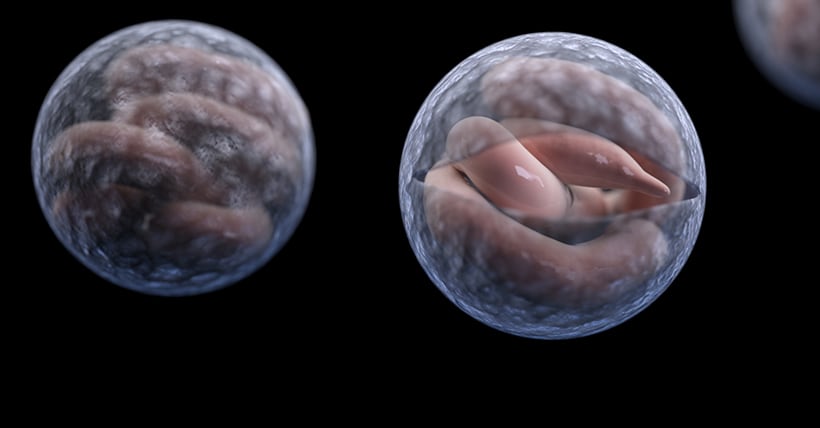
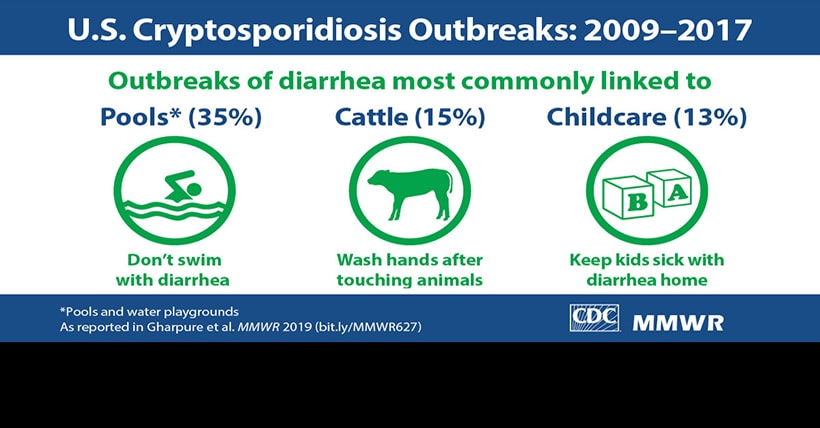
 the photos are from here : https://www.cdc.gov/parasites/crypto/index.html

 = = = = = = = = = = = = = = = = = = = = =

The news as published on Independent.

 Nearly 7,000 Limerick people impacted by boil water notice that has been in place since May.

 Erika Sassone;

Nearly 7,000 Limerick residents have been impacted by a boil water notice since last May.

A boil water notice was issued back on May 13 2023 for all Limerick residents supplied by the Foynes/Shannon Estuary Public Water Supply.

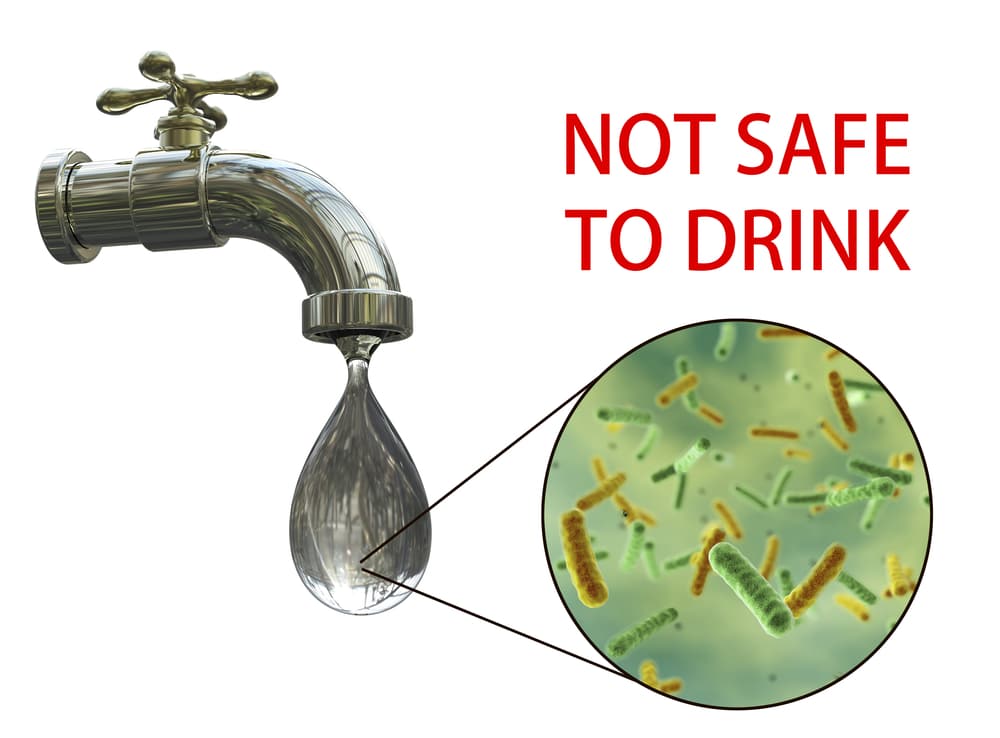
Uisce Éireann explained that the notice was issued to protect the health of the public as the water served by Foynes/Shannon Estuary PWS has been described as potentially unsafe to drink due to the detection of cryptosporidium.

[Cryptosporidium is a microscopic parasite that causes the diarrheal disease cryptosporidiosis. Both the parasite and the disease are commonly known as “Crypto.”

There are many species of Cryptosporidium that infect animals, some of which also infect humans. The parasite is protected by an outer shell that allows it to survive outside the body for long periods of time and makes it very tolerant to chlorine disinfection.

While this parasite can be spread in several different ways, water (drinking water and recreational water) is the most common way to spread the parasite. Cryptosporidium is a leading cause of waterborne disease among humans in the United States ].


[ Cryptosporidiosis Outbreaks — United States, 2009–2017 ]


The areas impacted are Askeaton, Foynes, Ballyhahill, Loghill, Ballysteen, Pallaskenry, Kildimo and Shanagolden and surrounding areas, for an estimated residential population of 6,986 people.

Uisce Éireann ensured that works to lift the boil water notice are being carried out but, after five months, the notice is still in place.

Uisce Éireann explained they are implementing remedial measures to existing processes and are also undertaking upgrades at the plant.

Uisce Éireann’s Duane O’Brien said: “We wish to assure customers that we are working to resolve the issues at the water treatment plant and we acknowledge the impact this is having on the community. We are progressing with plans to install an ultraviolet reactor at the Shannon Estuary Water Treatment Plant. This reactor will render any cryptosporidium in the water inactive. This is a large piece of equipment, bespoke to the site and it requires a significant amount of accommodation works in advance of its installation.

“Unfortunately, there is no short-term solution available to us, and it is likely to take some months before this equipment is operational at the plant. Public health is Uisce Éireann’s number one priority and I want to acknowledge the inconvenience that this Boil Water Notice is causing to the local community.”

While drinking water experts from Uisce Éireann and Limerick City and County Council are working to rectify the issues at the treatment plant, all customers on this supply are advised to continue to boil their water before use until further notice. Customers are reminded that the water is safe to consume once boiled.

Water must be boiled for: drinking; drinks made with water; preparation of salads and similar foods, which are not cooked prior to eating; brushing of teeth; making of ice - discard ice cubes in fridges and freezers and filtered water in fridges; make ice from cooled boiled water.

What actions should be taken: Use water prepared for drinking when preparing foods that will not be cooked (e.g. washing salads); water can be used for personal hygiene, bathing and flushing of toilets but not for brushing teeth or gargling. Boil water by bringing to a vigorous, rolling boil (e.g. with an automatic kettle) and allow to cool. Cover and store in a refrigerator or cold place. Water from the hot tap is not safe to drink. Domestic water filters will not render water safe to drink. Caution should be taken when bathing children to ensure that they do not swallow the bathing water.


18 October 2023 - the text below is from here.

Uisce Éireann, in partnership with Limerick City and County Council, continues to progress works to lift the Boil Water Notice in place for customers supplied by Foynes/Shannon Estuary Public Water Supply.

The notice remains in place following the detection of cryptosporidium at the Shannon Estuary Water Treatment Plant. Uisce Éireann is implementing remedial measures to existing processes and is also undertaking upgrades at the plant. 

Areas impacted are Askeaton, Foynes, Ballyhahill, Loghill, Ballysteen, Pallaskenry, Kildimo and Shanagolden and surrounding areas. Customers can check if their property is included by visiting the www.water.ie/supply and entering the property’s Eircode or by calling the Uisce Éireann customer care helpline, open 24/7, on 1800 278 278. A map of the area is also available to view on the website. 

While drinking water experts from Uisce Éireann and Limerick City and County Council are working to rectify the issues at the treatment plant, all customers on this supply are advised to continue to boil their water before use until further notice. Customers are reminded that the water is safe to consume once boiled.

Uisce Éireann’s Duane O’Brien said, “We wish to assure customers that we are working to resolve the issues at the water treatment plant, and we acknowledge the impact this is having on the community. We are progressing with plans to install an ultraviolet reactor at the Shannon Estuary Water Treatment Plant. This reactor will render any cryptosporidium in the water inactive. This is a large piece of equipment, bespoke to the site and it requires a significant amount of accommodation works in advance of its installation. Unfortunately, there is no short-term solution available to us, and it is likely to take some months before this equipment is operational at the plant. Public health is Uisce Éireann’s number one priority and I want to acknowledge the inconvenience that this Boil Water Notice is causing to the local community.”

Uisce Éireann’s drinking water standards, as per EU Drinking Water regulations, are strict and include wide safety margins. Where risks to water quality are identified through Uisce Éireann’s enhanced testing and monitoring programme, the Health Service Executive (HSE) are consulted, and Boil Water Notices are issued to protect public health. In all instances immediate action is taken to address the cause of the issue to enable the lifting of the notice as quickly as it safe to do so, in agreement with the HSE.

Vulnerable customers who have registered with Uisce Éireann receive direct communication on Boil Water Notices. 

Water must be boiled for:

  • Drinking;
  • Drinks made with water;
  • Preparation of salads and similar foods, which are not cooked prior to eating;
  • Brushing of teeth;
  • Making of ice - discard ice cubes in fridges and freezers and filtered water in fridges. Make ice from cooled boiled water.

What actions should be taken:

  • Use water prepared for drinking when preparing foods that will not be cooked (e.g. washing salads);
  • Water can be used for personal hygiene, bathing and flushing of toilets but not for brushing teeth or gargling;
  • Boil water by bringing to a vigorous, rolling boil (e.g. with an automatic kettle) and allow to cool. Cover and store in a refrigerator or cold place. Water from the hot tap is not safe to drink. Domestic water filters will not render water safe to drink;
  • Caution should be taken when bathing children to ensure that they do not swallow the bathing water;
  • Preparing Infant Formula: Where a Boil Water Notice is in place, you can prepare infant formula from tap water that has been boiled once (rolling boil for 1 minute) and cooled beforehand. Bottled water can also be used to make up infant formula. All bottled water, with the exception of natural mineral water, is regulated to the same standard as drinking water. It is best not to use bottled water labelled as ‘Natural Mineral Water’ as it can have high levels of sodium (salt) and other minerals, although it rarely does. ‘Natural Mineral Water’ can be used if no other water is available, for as short a time as possible, as it is important to keep babies hydrated. If bottled water is used to make up infant formula it should be boiled once (rolling boil for 1 minute), and cooled in the normal way. Ready-to-use formula that does not need added water can also be used.
  • Great care should be taken with boiled water to avoid burns and scalds as accidents can easily happen, especially with children.

Updates are available on our Water Supply Updates section on water.ie, on Twitter @IWCare and via our customer care helpline, open 24/7 on 1800 278 278.


= = = 


and the ...wider picture

Urgent action needed to improve private drinking water quality, EPA warns

Latest review highlights need for legal requirement to register private water supplies to protect public health


Thursday, 25 May 2023

The Journey of 1000 Leagues towards the Decontamination of the Soil from Heavy Metals and the Impact on the Soil–Plant–Animal–Human Chain Begins with the First Step: Phytostabilization/Phytoextraction

 source

Abstract

Nowadays, there are a multitude of sources of heavy metal pollution which have unwanted effects on this super organism, the soil, which is capable of self-regulation, but limited. Living a healthy life through the consumption of fruits and vegetables, mushrooms, edible products and by-products of animal origin, honey and bee products can sometimes turn out to be just a myth due to the contamination of the soil with heavy metals whose values, even if they are below accepted limits, are taken up by plants, reach the food chain and in the long term unbalance the homeostasis of the human organism. Plants, these miracles of nature, some with the natural ability to grow on polluted soils, others needing a little help by adding chelators or amendments, can participate in the soil detoxification of heavy metals through phytoextraction and phytostabilization. The success of soil decontamination must take into account the collaboration of earth sciences, pedology, pedochemistry, plant physiology, climatology, the characteristics of heavy metals and how they are absorbed in plants, and in addition how to avoid the contamination of other systems, water or air. The present work materialized after extensive bibliographic study in which the results obtained by the cited authors were compiled.

Monday, 14 November 2022

Jordan’s water supply strained by climate change and population rise

source: The Irish Times, 14.11.22

In one of the world’s driest countries, poorer residents are without household water for most of the week

Residents of Jordan, one of the driest countries in the world, have long been accustomed to a household water supply of only about 36 hours a week. But recently, even that meager flow has been curtailed by the debilitating combination of a warming planet and swelling demand.

Rajaa al-Bawabiji (64), like many others in the capital, Amman, plans her days accordingly. A human rights lawyer during the week, on Fridays she turns into a domestic marathoner, frantically cleaning, washing clothes and cooking three big meals during the brief window when the water flows.

But household taps ran dry this summer for as long as three weeks in parts of this small, dehydrated Middle Eastern nation. By early summer, when her taps did not spring to life on schedule, al-Bawabiji said she feared more outages were coming.

Everyone was anxious about water, she recalled. So she bought a second tank for her roof and chipped in with her neighbours to fill it with water purchased from a private water tanker business. “If you want to feel free, you need three tanks,” she said with a sigh.

Population growth, diminished water supplies and climate change have all taken their toll, while damaged and inefficient infrastructure and the considerable challenges posed by Jordan’s geography and topography have only made things worse. The resulting shortages serve as a warning of what the future might hold for the region and the world beyond it.

All of the country’s major water sources are near the borders, and water must be transported inland, an energy- intensive and increasingly expensive process as fuel prices rise. Rainfall has decreased precipitously in recent decades, and warmer temperatures mean that what rain does come evaporates rapidly. Longer and hotter summers have already shortened growing seasons for farmers.

“Climate change is really aggressively hitting Jordan in the last two years,” said Motasem Saidan, a former water minister and professor at the University of Jordan.

The country’s namesake river is nearly running dry. The flow in the Jordan River is less than 10 per cent of its historical average, and the Yarmouk River, a major tributary, is greatly diminished. The Jordan’s once-rushing waters feed into the Dead Sea, a saltwater lake that is disappearing.

The rivers are uneasily shared with neighbours: Israel and Syria upstream have diverted water for years for their own use. Increasing supply from these sources is challenging, particularly with Israel, which has had a chilly peace with Jordan for decades now.

Aquifers

All of this has led to an overreliance on extracting groundwater from aquifers below the Earth’s surface. The aquifers are being drained at roughly twice the rate at which they can be replenished naturally and now account for about 60 per cent of the country’s water supply.

Omar Salameh, a spokesperson for the Ministry of Water and Irrigation, said the government was well aware of the dangers of exhausting the groundwater supply. But as the population has grown — in no small part because of waves of refugees from Syria and other countries facing conflict — the government has come under pressure to meet soaring demand, he said.

The population is now estimated to exceed 11 million, up from 8 million just a decade ago, including more than 760,000 people registered with the United Nations as refugees.

“We don’t have other alternatives,” Salameh said.

For those with means, solutions and workarounds are available, at a price. But those without must simply go without. Many Jordanians turn to private water tankers. But the prices charged by those tankers, which are ubiquitous in wealthier neighbourhoods of Amman, rose to new heights this past summer. Buildings and homes keep water tanks on the roof, which are replenished by the government and rationed through the week. Wealthier households often have multiple tanks, which they can also fill with water purchased from the private trucks.

The vulnerable are hardest hit by the water shortages. The poor cannot afford to buy from private trucks and have less capacity to store water. All households have to buy their own tanks, and if one is damaged, the consequences are dire.

Ibtisam Yousef Abdelrahman, 55, a Palestinian who lives in the Wihdat refugee camp in southeast Amman, shares a two-room apartment with her husband, daughters and two grandchildren. They received a new tank from Unicef during the pandemic to replace a damaged, rusty steel one. But in mid-September, the Unicef tank broke, and the precious water gushed into the street.

“I started crying, running around the neighbourhood,” she said. “Now there’s no water, and I worry.”

Without the ability to save water for use throughout the week, she is back to going around to her neighbours with a bucket, imploring them to share. Her family is skipping showers and forgoing cleaning. She shrieks every time someone washes their hands, admonishing them not to waste a drop.

The average amount of water available each year to a resident of Jordan is well below the “absolute water scarcity” threshold of 500 cubic meters set by the United Nations. Salameh said it is about 80.

Desalination is a promising lifeline for Jordan, but it will not happen quickly. A large-scale desalination project in the port city of Aqaba on the Red Sea is in the works, but it will take years.

There is one potential quick fix: buying more water from Israel, a pioneer in desalination techniques. Cooperation on water was an important element of the 1994 peace treaty between the two countries, and they signed a water-for-energy agreement at the UN climate conference in the Egyptian Red Sea resort of Sharm el-Sheikh on Tuesday.

Protests broke out in Amman last year when the plan, which was brokered by the United Arab Emirates and would involve Jordan sending solar energy to Israel in exchange for water, was first announced. An overreliance on Israeli water is unpalatable to many Jordanians, who oppose the occupation of the Palestinian territories.

Potentially destabilising

But water is a critical national security issue in Jordan, and shortages threaten to destabilise a stalwart US Arab ally that has been an oasis of calm in a turbulent neighbourhood. Iyad Dahiyat, a former water ministry official, said the water portfolio is as important as the military given the threats to Jordan posed by climate change.One recent study predicted that severe and potentially destabilising water shortages will become common in Jordan by 2100 unless the country makes significant changes.

“The government needs to increase supply to communities to limit discontent,” said Sandra Ruckstuhl, an American researcher based in Amman and a senior adviser at the International Water Management.

Ruckstuhl and other experts say the government needs to raise water prices based on household income to account for the soaring cost of delivering it to homes and businesses. But many Jordanians are already struggling with unemployment and high prices, and that would be an added, and unpopular, burden.

Choosing crops wisely and managing water are crucial for Jordanian agriculture as climate change accelerates. The sector once used about 70 per cent of the country’s water supply, though it contributes relatively little to the gross domestic product.

Use has decreased to around 50 per cent, which Salameh cited as a promising indicator. But many farmers still focus on water-intensive crops that are becoming more difficult to grow.

Khaireddin Shukri, 68, is a retired farm owner and a consultant who has long pushed for crops that require less water and bring in more money. He said the water issue revolves around planning and pointed to inefficient practices and waste.

“It’s a country with huge potential but lack of management,” he said of Jordan.

On a visit to a date farm that Shukri helps oversee, he showed off the crop that he has championed for years: Medjool dates, which can tolerate salty, lower-quality water, and garner high prices.

Yields at farms in the area were small this summer because the fields received less water and what did come was saltier than usual. At one farm, they grew only half of the more water-intensive crops like eggplants, tomatoes and peppers that they sell to international supermarket chain Carrefour, Shukri said.

At an olive farm, his team faced an unusual case of water theft during a heat wave, and by the time they restored the water supply, they had lost the whole crop. “You lose a crop, you lose a year of your life” Shukri said, shaking his head. – The New York Times

Monday, 17 October 2022

Ireland to fail in meeting rivers and lakes status restoration goal, EPA warns

from the Irish Times.


Ireland will fail to meet the EU and national goal of restoring all waters including rivers and lakes to good or better status by 2027, the Environmental Protection Agency (EPA) has warned, saying agriculture was having a “disproportionate” impact on declining standards.

While improvements are being made in some areas, its latest assessment finds these are being offset by declines in water quality elsewhere with areas in the south and southeast of most concern. This is due to their proximity to intensive agriculture, notably dairy farms, which is causing “run-off”.

The EPA’s Water Quality in Ireland Report (2016-2021), which assesses Ireland’s rivers, lakes, estuaries, coastal and groundwaters, said “urgent and targeted action is required to reduce nitrogen emissions from agriculture” in these areas.

Speaking ahead of the publication of the report on Thursday night, EPA director general Laura Burke said Ireland had long “traded on the image of a clean, green island” to promote tourism and its agriculture sector. However, “we are trending in the wrong direction” in environmental standards.

(...)

A revised nitrates action programme (NAP) is coming into operation in Ireland with tighter regulations on slurry spreading and on applying chemical fertilisers on land.

Dr Eimear Cotter, director of the EPA’s office of evidence and assessment, said: “The scale of the declines in our estuaries and coastal waters is alarming. In recent years the EPA highlighted that nutrient levels in our rivers and groundwaters are too high and that trends were going in the wrong direction.

“We are now seeing the impact of these emissions on our estuaries and coastal waters. Areas such as Cork Harbour, Wexford Harbour and the Slaney, Suir and Nore estuaries have lost their good water quality status. This directly impacts the marine biodiversity and ecological value in these areas,” she said.

The main pressures on Irish water quality are agriculture; physical changes such as land drainage and dredging; forestry activities; and discharges from urban wastewater. These activities can lead to run-off of nutrients, sediment and pesticides, thereby damaging habitats.

Thursday, 10 March 2022

Βαρέα μέταλλα στην τροφική αλυσίδα: Πόσο (εξ-)ασθενεί η βιομηχανία τροφίμων;

 Του Γιάννη Ζαμπετάκη*

Πριν από 10 χρόνια, δημοσιεύσαμε με την ερευνητική μου ομάδα αυτό το άρθρο:

Concentration Levels of Trace Elements in Carrots, Onions, and Potatoes Cultivated in Asopos Region, Central Greece

Ήταν η πρώτη μας επιστημονική δημοσίευση για το πρόβλημα του Ασωπού και το πώς τα βαρέα μέταλλα περνούν από το περιβάλλον στην διατροφική αλυσίδα.

Ακολούθησε μια διδακτορική διατριβή που μετρήσαμε τα ποσοστά χρωμίου και νικελίου που περνάνε από το νερό άρδευσης στα τρόφιμα-βολβούς.

Ακολουθεί μέρος της περίληψης της διατριβής.

Πραγματοποιήθηκαν πειράματα σε θερμοκήπιο, στα οποία προσομοιώθηκαν, όσο το δυνατόν, οι συνθήκες άρδευσης που επικρατούν στις περιοχές με τη μεγαλύτερη παραγωγή βολβών στη χώρα (Ασωπός, Μεσσαπία). Τα πειράματα περιελάμβαναν καλλιέργεια βολβών σε δύο περιόδους, διάρκειας 4μηνών έκαστη, με παράλληλες γραμμές άρδευσης, κάθε μία από τις οποίες παρείχε σταφυτά υδατικό διάλυμα διαφορετικής συγκέντρωσης Cr(VI) και Ni(II). Συνολικά, τα διαλύματα μετάλλων που χρησιμοποιήθηκαν, στις δύο περιόδους ήταν: 0 μg/L (control),10 μg/L, 20 μg/L, 50μg/L, 100 μg/L, 250 μg/L, 500 μg/L και 1.000 μg/L. Για την καλλιέργεια των φυτών χρησιμοποιήθηκε χώμα, από βιολογικά πιστοποιημένο θερμοκήπιο, το οποίο δεν είχε ρυπανθεί στο παρελθόν με βαρέα μέταλλα.Τα αποτελέσματα έδειξαν ότι το νερό ποτίσματος που περιέχει Cr(VI) και Ni(II) μπορεί να προκαλέσει διασταυρούμενη επιμόλυνση (cross–contamination) σε κρεμμύδια και πατάτες. Δεν βρέθηκαν αντίστοιχες αποδείξεις για τα καρότα.

Επίσης, βρέθηκε ότι η συγκέντρωση Cr στις πατάτες σχετίζεται θετικά με τη συγκέντρωση Cr και Ni στο νερό ποτίσματος. Επίσης, στα κυριότερα ευρήματα αυτής της εργασίας περιλαμβάνεται η θετική συσχέτιση ανάμεσα: (i) στις συγκεντρώσεις Cr και Ni στα καρότα, (ii) στις συγκεντρώσεις Cr και Ni στις πατάτες, (iii) στη συγκέντρωση Cr και στη δραστικότητα καταλάσης στις πατάτες και (iv) στη συγκέντρωση Ni και στη δραστικότητα υπεροξειδάσης στα φύλλα κρεμμυδιών.Τέλος, παρατηρήθηκε αρνητική συσχέτιση ανάμεσα στη συγκέντρωση Cr και Ni στους κορμούς κρεμμυδιών. Παρά το γεγονός ότι δεν έχουν τεθεί όρια για το Cr και το Ni στα λαχανικά, για λόγους προφύλαξης, συνιστάται το νερό άρδευσης να είναι, ει δυνατόν, απαλλαγμένο από τα συγκεκριμένα βαρέα μέταλλα, έτσι ώστε να προστατεύεται η υγεία των ευπαθών ομάδων του πληθυσμού από ενδεχόμενο κίνδυνο.

Πάμε τώρα στο… σήμερα.

Πριν λίγες μέρες διαβάσαμε στο cibum.gr σχετικά με το εξασθενές χρώμιο, Cr(VI).

Σε αυτό το σημείο θα πρέπει να διευκρινίσουμε τα εξής:

  1. Υπάρχουν δύο σχολές σκέψης σχετικά με το Cr(VI): η μία σχολή λέει ότι το Cr(VI) προέρχεται από τα πετρώματα και η δεύτερη σχολή σκέψης λέει ότι είναι ανθρωπογενές. Υπάρχει ένας πολύ απλός τρόπος για να δούμε αν είναι ανθρωπογενής η προέλευση του Cr(VI): αν το μεγαλύτερο ποσοστό στο συνολικό χρώμιο στο νερό είναι Cr(VI), τότε το Cr(VI) είναι ανθρωπογενούς προέλευσης. Στις περιπτώσεις αυτές, το Cr(VI) είναι πάνω από 85-90% του συνολικού χρωμίου.
  2. Όποια και αν είναι η προέλευση του Cr(VI), δεν παύει το Cr(VI) να είναι καρκινογόνο και μεταλλαξιογόνο! Συνεπώς, η συζήτηση περί προέλευσης του Cr(VI) είναι ακαδημαϊκή! Και ως τόσο επικίνδυνη χημική ένωση, θα πρέπει να εφαρμόζουμε την Αρχή της Προφύλαξης (άρθρο 7, ΕΚ 178/2002) και να μειώνουμε στο ελάχιστο δυνατό την έκθεση ανθρώπων στο Cr(IV).

Συνεπώς, ας έχουμε υπόψη μας τα εξής:

  1. Τα βαρέα μέταλλα περνούν από το αρδευτικό νερό στα τρόφιμα και
  2. Η Αρχή της Προφύλαξης θα πρέπει να μας καθοδηγεί και όχι αν το Cr(VI) προέρχεται από τα πετρώματα ή όχι.

Wednesday, 23 June 2021

Burning Tyres and Cancer

 The news are coming from Canada :

A potent human carcinogen found in Lafarge Brookfield’s cement kiln dust is making its way onto Nova Scotia’s farm fields 

The Halifax Examiner raised the issue about N-Nitrosodimethylamine (NDMA) with the two federal departments with mandates to protect the environment and ensure food safety. Here are their responses.


(...)


There is a real and substantial risk that groundwater may become a contaminated source of drinking water if the ash residuals contain [N-nitrosodimethylamine] NDMA and products of incomplete combustion of tires,” writes Hallett, who points to the spectacular way in which this occurred in areas of Ontario from both the manufacturing of chemicals and synthetic rubber for tires, as well as from the Hagersville tire fire, when 10 million tires burned for 17 days.  

Little did Hallett know, NDMA was already present in the CKD — even before scrap tires were included in the fuel mix.   

When the Examiner sent Hallett a copy of the analysis for NDMA, his response was simply, “All of the samples are positive for NDMA well above the detection limit … This means that NDMA is definitely there … and what you’ve got is one of the most powerful carcinogens ever found.” 


Tuesday, 15 December 2020

Third of Irish rivers and a quarter of lakes fail water quality standards

 source: The Irish Times.


More than a third of Irish rivers and a quarter of lakes are failing to meet environmental quality standards due to high levels of polluting nitrates and phosphates, according to a new assessment.

The Environmental Protection Agency’s report for 2019 finds that more than a fifth of groundwater, which is a critical source of drinking water, has high nitrate concentrations, as does a fifth of estuarine and coastal water bodies. Just over half of rivers and lakes have high or good biological quality.

The main threat to water quality is the presence of too many nutrients in the form of phosphates and nitrates arising from agriculture and waste-water discharges. “Nutrient concentrations in waters are too high and the trends are going in the wrong direction,” the EPA’s Water Quality Indicators report finds.

Wednesday, 27 May 2020

The EPA bathing report


This is the Irish Times view on the EPA bathing report and further below are our views.


The Irish Times view on: The EPA bathing report

Ireland in position to get massive post-Covid boost with proper water supplies in place 


A ban on bathing at Merrion strand in Dublin Bay was a long time coming; the culmination of five years of failure to meet minimum EU water quality standards. It has the infamous reputation of being the first beach in Ireland to have a permanent ban on swimming.
The EPA’s 2019 bathing water report outlines the causes, particularly two polluted streams whose contents are a result of poor sewerage infrastructure and run-off from roads. Local authorities and Irish Water are trying to find solutions. 

Merrion strand figures prominently in a focus on what is causing ongoing pollution problems in Dublin Bay, including a separate bigger issue of discharges from the often-overloaded Ringsend wastewater treatment works. All told, too much raw or insufficiently treated sewage is being allowed into a much-used amenity and an internationally designated biosphere.

An overall improvement of bathing water quality at locations across Ireland should be acknowledged – 95 per cent of bathing waters (140 of 147) met or exceeded the minimum required standard, up from 94 per cent in 2018.
There are, however, obvious pressure points. Two more beaches are set to meet the same fate as Merrion Strand: Portrane (the Brook) and Ballyloughane in Galway, if they fail to achieve a marked improvement in the coming year.

Irish Water is investing €1.2 billion at 28 locations where raw sewage is being pumped into rivers and seas including the Ringsend plant. But it is encountering delays in Arklow, Athlone, Roscommon and Enniscorthy, which risks substantial EU fines for failing to meet a 30-year-old commitment to end such discharges.
Ireland is in a position to get a massive post-Covid-19 boost from being a genuinely green island, in offering a tourism product demonstrably embracing sustainability, where every sector in the economy is on an accelerated course of decarbonisation. Poor water quality, uncertainty about supplies in the most-populated eastern region and ongoing pollution of lakes, rivers, beaches and bays risks undermining all that.

=  = = = = = = = = = = = = = =  =

Our views 

It’s the same story again and again, as analysed here.
Polluters can not (and are not forced to) self-regulate while monitoring authorities do not monitor competently. Without proper monitoring, they would never be able to impose relevant fines and corrective actions.
People are refused access to water, drinking water (see co Clare problems few weeks ago) or swimming water in this case. 
What needs to be done? 
Well, we do not need to reinvent the wheel!
But just enforcing the law, the “polluter pays principle" and use the power of justice.
At the end of the day it’s about political cost and both Ireland and Greece are small countries where everyone knows every other one, in cases like that, this familiarity might be somehow impending.
There is a great Irish synopsis of all that, just 3 words: Parish Pump Politics  


Friday, 5 October 2018

Irish Water's decision to inform consumers of chemical exceedances comes after 7 year battle


Irish Water’s announcement that it is to write to consumers informing them of exceedances of the EU and WHO limits on chemicals is the result of a complaint to the European Commission lodged by FIE 7 years ago. 

After exchanges in 2013, 2015, and 2016, the Commission announced the opening of infringement proceedings in June of 2018 because of Irish Water’s continued refusal to notify consumers of the potential dangers of consuming trihalomethane [THM] laden water.

THMs are harmful to human health and include known carcinogens like chloroform. They are ingested by drinking, but can be inhaled in the bath or shower, or when washing clothes and dishes.

They are formed when organic matter, such as suspended peat sediment, are treated with chlorine at our water treatment plants.

FIE has welcomed Irish Water’s announcement: ‘Consumers have a right to know what is in their water so that they can take the necessary measures to protect themselves. THM are particularly volatile, and consumers – particularly pregnant women -should avoid showering or steamy kitchens.

The advice to boil water to deal with other contaminations when the water contains high levels of THMs was of particular concern in these proceedings. Consumers will now be able to take simple steps to filter their water supplies until the upgrading of all water treatment plants is completed.

[source]

See the Press Release


Erin Brockovitch’s intervention

= = =

Further readings
1. The Greek Hinkleys: Pollution has no borders
2. The uptake of nickel and chromium from irrigation water by potatoes, carrots and onions.

P.S.

From: B o o k o f E x e r c i s e s (1940)


IN THE MANNER OF G. S.
Wherever I travel Greece wounds me.

On Pelion among the chestnut trees the Centaur's shirt
slipped through the leaves to fold around my body
as I climbed the slope and the sea came after me
climbing too like mercury in a thermometer
till we found the mountain waters.
On Santorini touching islands that were sinking
hearing a pipe play somewhere on the pumice-stone
my hand was nailed to the gunwale
by an arrow shot suddenly
from the confines of a vanished youth.
At Mycenae I raised the great stones and the treasures of the house of Atreus
and slept with them at the hotel Belle Helene de Menelas;
they disappeared only at dawn when Cassandra crowed,
a cock hanging from her black throat.
On Spetses, Poros and Mykonos
the barcaroles sickened me.

What do they want, all those who believe
they're in Athens or Piraeus?
Someone comes from Salamis and asks someone else whether he `issues forth
from Omonia Square'.
`No I issue forth from Syntagma,' replies the other, pleased;
`I met Yianni and he treated me to an ice cream.'
In the meantime Greece is travelling
and we don't know anything, we don't know we're all sailors out of work,
we don't know how bitter the port becomes when all the ships have gone;
we mock those who do know.

Strange people! They say they're in Attica but they're really nowhere;
they buy sugared almonds to get married
they carry hair tonic, have their photographs taken
the man I saw today sitting against a background ofpigeons and flowers
let the hands ofthe old photographer smooth away the wrinkles
left on his face
by all the birds in the sky.

Meanwhile Greece goes on travelling, always travelling
and ifwe see `the Aegean flower with corpses'
it will be with those who tried to catch the big ship by swimming after it
those who got tired ofwaiting for the ships that cannot move
the ELSI, the SAMOTHRAKI, the AMVRAKIKOS.
The ships hoot now that dusk falls on Piraeus,
hoot and hoot, but no capstan moves,
no chain gleams wet in the vanishing light,
the captain stands like a stone in white and gold.

Wherever I travel Greece wounds me,
curtains ofmountains, archipelagos, naked granite.
They call the one ship that sails AG ONIA 937.

M/s Aulis, waiting to sail.
Summer 1936
Georgios Seferis

Thursday, 5 July 2018

water management in Ireland? a Greek tradegy...

Erin Brockovich is a 2000 American biographical film directed by Steven Soderbergh and written by Susannah Grant. The film is a dramatization of the true story of Erin Brockovich, portrayed by Julia Roberts, who fought against the energy corporation Pacific Gas and Electric Company (PG&E).

Since 2008, I have been actively involved into studying the water pollution in Asopos river in Greece.
Then, I decided to take it a step further and I even stood for an MP in Evia, Greece in the elections of 2009 with the Green Party. By 2010, I had realized that the DNA of the politicians and mine are simply not compatible...
But I continued my research on Asopos and writing articles about the water pollution and the food chain, like this and that one.
All that till 2014, when my close friend and mentor, Thanasis Panteloglou,
died of cancer in November 2014...I used to call him, my Dear Watson, and he used to call me Sherlock in our quests to find out who and how was and still is polluting Asopos river.

Thanasis Panteloglou


Since then, quite few things have changed. I have moved to UL and Ireland but the water is always around me...to calm me down and to haunt me...

These thoughts came to mind when I read the news that the Irish nationwide hosepipe ban comes into force at 8am tomorrow Fri 6th July.
With just 2 weeks lack of rain, the country is in need of a ban...
This ban just shows how shortsighted is the water management here in Ireland...Just like in Greece...
Hence the title of this post...
A Greek tragedy in Ireland...it just feels like home...(sadly)

And how do they plan to solve this crisis?
By (ab-)using Shannon river water and piping it into Dublin...  instead of trying to find the real causes of the problem which are:
1. complete lack of use of rain water and
2. high ratio of water lost due to leakages...

Dr Ioannis Zabetakis

P.S. Greek poet Giorgos Seferis, a Nobel laureate, once wrote that, “Wherever I travel, Greece wounds me”*.
May I simply add? - In Ireland, too...

* the full poem is on page 9, here


Saturday, 27 January 2018

The Defenders


Jose Claudio Ribeiro da Silva and his wife Maria do Espírito Santo​, Amazon activists who campaigned against illegal deforestation, were killed in an ambush in May 2011. Photograph: Reuters

 
The defenders
This year, in collaboration with Global Witness, the Guardian will attempt to record all of the deaths of people who are killed while defending their land, forests, rivers or wildlife – most often against the harmful impacts of industry. We will also document the stories of some of the land and environmental defenders still under attack 
[you can follow the Defenders on this link] 

= = =