Testosterone is made from cholesterol.
Oestrogen is made from cholesterol. Progesterone, the hormone that holds a pregnancy, is made from cholesterol. Cortisol, the hormone that gets you through a crisis, is made from cholesterol. Vitamin D is made from cholesterol, by sunlight, in your skin. The bile that digests your fat is made from cholesterol. Every cell in your body is wrapped in a membrane stiffened with cholesterol. Every nerve is insulated with myelin packed with cholesterol. Your brain is 2% of your body weight and holds about a quarter of your cholesterol. Breast milk is loaded with it, because a baby's brain can't be built without it. Most infant formula has almost none. Pregnancy raises it by up to half, because building a human takes a lot of it. Eat less of it and your liver simply makes more, because the body refuses to run without it. Then, in the late 1970s, we declared war on it. Around 8 million people in England now take a pill to lower it. That pill raises the risk of diabetes by about a tenth. Sperm counts have more than halved. Men's testosterone has been sliding about 1% a year, age for age. Antidepressant prescriptions in England have more than doubled since 2008. And in people over 70, the lowest cholesterol tracks with dying soonest. Reports from the front say the war is going well.
Showing posts with label cholesterol. Show all posts
Showing posts with label cholesterol. Show all posts
Thursday, 29 October 2026

Tuesday, 20 October 2026
High-density lipoprotein cholesterol and all-cause mortality by sex and age: a prospective cohort study among 15.8 million adults

Story Imagine tracking almost 15 million adults for nearly nine years and counting every death from heart disease and stroke. That’s exactly what Korean researchers did with 14.9 million people who weren’t even taking cholesterol drugs. What they found doesn’t match the simple message that “the lower your LDL, the safer you are.” Instead, the risk formed a U-shape. People with very low LDL died more often from cardiovascular causes, people with very high LDL also died more often, and the sweet spot sat right in the middle.
For overall cardiovascular death the lowest risk landed between about 90 and 149 mg/dL. Below that range or well above it, deaths went up. The pattern changed depending on the exact problem. For heart attacks and blocked arteries the best zone was lower (around 70–114 mg/dL). For some types of brain bleeds the risk kept falling only when LDL stayed higher. In plain terms, driving LD as low as possible protected against one kind of death while raising the risk of others.
When the scientists looked only at the higher range (100 to 300 mg/dL) they still saw a clear rise in heart-attack deaths as LDL climbed. Each jump of about 40 mg/dL raised the chance of dying from ischemic heart disease by roughly 26 percent. But that rise was weaker in women and in older adults than in younger men. Even people in their late 70s and early 80s still showed some extra risk from higher LDL for heart attacks and ischemic strokes, yet the overall picture never became “lower is always safer.”
The study is huge, it followed real people instead of just guessing from lab tests, and it only looked at folks who were not already on statins. That makes the U-shape harder to wave away. Doctors still treat high LDL when people already have heart disease or several risk factors, because the top end of the curve is real. But the data also show that pushing every healthy adult toward rock-bottom LDL numbers is not free. Too low carried its own price in this massive population.
The takeaway is simple and uncomfortable: LDL cholesterol is not a one-way street. In nearly 15 million Koreans the safest zone for dying of cardiovascular disease was not the lowest number on the lab report. Both extremes cost lives. That single finding from one of the largest studies ever done keeps forcing the same awkward question—how low is actually low enough, and for whom?
= = =
Our comment:
see my latest book:
Preventing Inflammation and Cardiovascular Diseases
Friday, 31 July 2026
Why statins aren't the answer to heart disease
= = =
My latest article @ RTE Brainstorm
Related reading:
1. Preventing Inflammation and Cardiovascular Diseases
How Food Polar Lipids Can Reduce Inflammation
2. Dairy Fats and Cardiovascular Disease: Do We Really Need to Be Concerned?
Thursday, 26 February 2026
Four foods that can help improve your cholesterol and boost heart health
Four foods that can help improve your cholesterol and boost heart health

Cholesterol has long been seen as a key culprit in cardiovascular disease. While it’s true that cholesterol does play a role, not all cholesterol is bad for us.
There are two main types of cholesterol.
The first type is low-density lipoprotein or LDL cholesterol. This is often referred to as the “bad” cholesterol because it causes fat to collect in the arteries as plaques. This makes it harder for blood to pump throughout the body, leading to greater risk of a heart attack or stroke.
The second type is high-density lipoprotein (HDL) cholesterol — often referred to as “good” cholesterol.
HDL cholesterol has two key roles in the body. It removes excess bad cholesterol from the tissues and arteries and returns it to the liver so it can be removed from the body. HDL cholesterol also protects the artery walls so there’s less risk of a blockage forming.
Boosting HDL
The ratio of LDL to HDL in a person’s body is related to their cardiovascular disease risk. If you have a higher ratio of HDL to LDL, your cardiovascular disease risk will be lower. But if you have a lower ratio of HDL to LDL, you’ll have a higher risk of cardiovascular disease.
Fortunately, it’s possible to shift this ratio and increase HDL cholesterol levels. This can be achieved by exercising, quitting smoking and managing your weight, for example.
Certain foods can also improve HDL ratios.
The main way that diet helps boost HDL ratios is by reducing inflammation. Inflammation is a key problem in cardiovascular disease.
Inflammation makes it possible for blood platelets to stick together in our arteries at a much higher rate. This makes it difficult for the HDL cholesterol to do its job, which increases risk of blood clots forming and raises likelihood of heart disease.
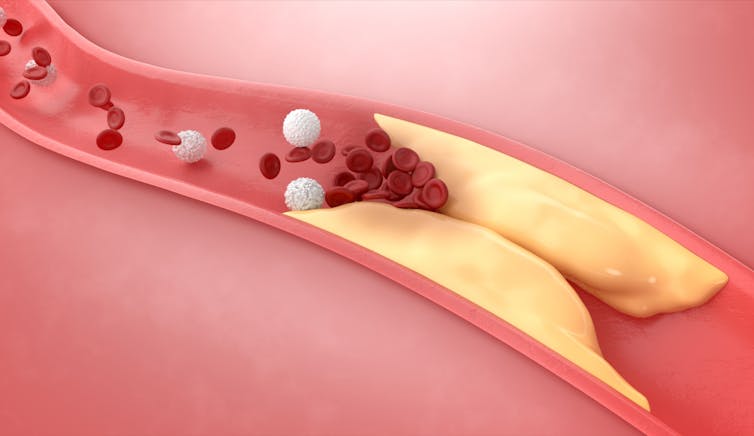
By eating anti-inflammatory foods, it makes it easier for HDL cholesterol to do its job of sweeping away excess LDL cholesterol. Here are four examples you can include in your diet:
1. Fruits and vegetables
Research shows that people who have diets high in fruits and vegetables have higher HDL cholesterol levels and a better total cholesterol ratio. They also have lower blood pressure and healthier blood sugar levels, all of which can be supportive to heart health.
Fruits and vegetables exert their positive effects by trapping free radicals.
Free radicals are highly reactive, unstable molecules that can cause damage to cells and trigger inflammation in the body. By preventing inflammation, this makes it possible for HDL cholesterol to continue doing its job of removing bad cholesterol and protecting the arteries.
2. Oily fish and olive oil
Oily fish (such as salmon, sardines and tuna) and olive oil are rich in a type of fat called “polar lipids”.
These lipids are able to reach the bloodstream more quickly compared to other types of fat, allowing them to reduce inflammation and prevent the aggregation of platelets more effectively.
Cell and animal studies have shown that a diet rich in the polar lipids from oily fish is effective in preventing blood clots from forming. This effect can help cholesterol ratios stay balanced, meaning cardiovascular disease risk is lower.
3. Fermented dairy
Fermented dairy products, such as yoghurt, kefir and cheese, can all have a positive effect on HDL levels.
During fermentation, the lipids are broken down into smaller compounds that have a greater anti-inflammatory effect than milk. They can also be metabolised faster by the body.
Fermented dairy products are also rich in polar lipids, which means that they can considerably reduce cardiovascular risk.
Research found that for every 20g of fermented dairy products people consumed each day, there was a modest reduction in cardiovascular disease risk.
4. Red wine
Finally, red wine is completely misunderstood. According to the latest research, moderate consumption of red wine (the equivalent of one to two small glasses per day) is linked with better HDL ratios.
Wine reduces inflammation when consumed in small quantities because it contains polar lipids. However, if wine intake is high, the negative, pro-inflammatory effect of alcohol outstrips the positive effect of the lipids.
This is why it’s important only to drink small amounts and in moderation – otherwise, alcohol can have many negative effects on the body. Indeed, the World Health Organization has said there is no safe level of alcohol consumption as the negatives, such as increased cancer risk even from light drinking, outweigh any positives.
Non-alcoholic wines also contain polar lipids. Research suggests that polar lipid extracts from non-alcoholic beverages have comparable benefits on preventing the formation of blood clots as their alcoholic counterparts.
Inflammation is a key factor in heart disease. By eating foods that reduce inflammation in the body, it’s possible to look after your heart health and lower cardiovascular disease by improving the ratio of HDL to LDL in the body.
Ioannis Zabetakis, Associate Professor, Food Chemistry, University of Limerick
This article is republished from The Conversation under a Creative Commons license. Read the original article.
Thursday, 6 March 2025
The lipid hypothesis: is it dead? Yes, it is!

My latest book where I am writing about statins, cholesterol and why the lipid hypothesis is wrong
- - - - - - - - - - - - - - - -
One more paper on the cholesterol paradox / lipid hypothesis
The Cholesterol Paradox in Long-Livers from a Sardinia Longevity Hot Spot (Blue Zone)
Conclusions:
In the long-lived population examined, the cholesterol paradox was
unlikely to be a reflection of reverse causality. Our results challenge
the common view that longevity is invariably associated with low
cholesterol levels. Furthermore, moderate hypercholesterolemia does not
preclude the oldest adult from attaining advanced ages, contrary to
common belief.
= = = = = = =
We have written about the lipid hypothesis: in this paper :
and also at this book:
Chapter Three ........................................................................................... 31
Why We Need to Re-Focus Away from Statins and Omega-3 Supplements
3.1 The demonization of cholesterol
Why We Need to Re-Focus Away from Statins and Omega-3 Supplements
3.1 The demonization of cholesterol
= = = = = = =
The lipid hypothesis is dead and it's high time for GPs to stop prescribing so freely statins.
Monday, 10 June 2024
Ο μύθος της χοληστερόλης

Photo:
Creator: Maria Vonotna | Credit: Getty Images/iStockphoto
= = = = = = = = = = = = = = = = = =
Ο μύθος των στατινών έχει αρχίσει να γκρεμίζεται…
= = = = = = =
Πριν από λίγες μέρες στις 28 Μάη, , δημοσιεύθηκε στην επιστημονική επιθεώρηση Heart Rhythm ένα πολύ ενδιαφέρον άρθρο με τίτλο
Lower cholesterol levels are associated with an increased risk of atrial fibrillation.
Το εν λόγω άρθρο μελετά την συσχέτιση της χοληστερόλης με το ρίσκο εκδήλωσης κολπικής μαρμαρυγής. Και τα αποτελέσματα είναι πολύ ενδιαφέροντα. Ανεξάρτητα από τους άλλους παράγοντες ρίσκου για καρδιαγγειακά νοσήματα, χαμηλά επίπεδα χοληστερόλης προκαλούν αύξηση στον κίνδυνο εκδήλωσης μαρμαρυγής! Είναι εντυπωσιακό πλέον ότι ο μύθος της χαμηλής χοληστερόλης ότι μειώνει (και καλά!) το ρίσκο για διάφορες ασθένειες, καταρρίπτεται κάθε μέρα που περνά.
Ο μύθος των στατινών έχει αρχίσει να γκρεμίζεται…
Thursday, 28 April 2022
Saturated Fatty Acid Consumption and Non-communicable Diseases
our new book to be published in the next few weeks
---------------------------------------------------------------------------------------------
and the debate goes on...
Lee at al (2022) have studied the association between saturated fatty acid consumption and Non-communicable diseases (NCDs) and they have concluded that
NCDs such as obesity, T2DM, heart disease, and cancer are rare in indigenous populations consuming native diets, even among elderly individuals (116–119). These populations consumed diverse diets, some very high in SFAs from animals (e.g., Inuit, Maasai, Plains Native Americans) or plants (e.g., Polynesians, Tokelauns), while many others consumed diets high in complex carbohydrates and very low in fats (e.g., Pueblo Native Americans, Japanese, and Chinese farmers) (120–124). Native, minimally processed diets included minimal sugar or refined carbohydrates; honey being a major exception in some populations such as the Hadza (125). When populations adopted Western diets and lifestyles, NCDs emerged and increased (117, 126–130). Commensurate with these dietary transitions in indigenous populations, our findings suggest that increased sugar and refined carbohydrate consumptions during the twentieth century in America may have played a larger role than total calories or physical activity, although this remains a speculation without accurate data on all variables.
Future Direction
Understanding the pathogenic changes in American and other diets that drove the dramatic rise in NCDs remains one of the greatest challenges in public health. Given the challenges in obtaining accurate caloric estimates in national data, humility is needed to assess the diets of populations more than a century ago. Only well-defined changes (e.g., increased caloric sweeteners and PUFA and decreased SFA from lard and butter) can be identified. A more complete understanding of dietary and lifestyle factors in NCDs may emerge from an unbiased synthesis of the diverse evidentiary lines.
=========
However, Walrabenstein et al (2022) in a commentary of Lee et al paper, they suggest that:
The title of the article is misleading because the stated conclusion cannot be drawn from the research described in the article. In addition, studies show mortality rates due to cardiovascular disease have declined significantly in recent decades (6) which can be attributed to better treatment, but also to lower intakes of SFAs (7, 8). In fact, a Cochrane systematic review based on randomized controlled trials with human subjects suggested that replacement of SFAs for polyunsaturated fatty acids results in a 27% reduction in cardiovascular events (2).
The aim and hypothesis of the study by Lee et al. were not stated clearly and most importantly, no statistical analysis is described that would show a lack of association. We are concerned that this utterly unsubstantiated title may find its way into the practices of medical doctors and dietitians, who—without proper evidence—may recommend people to eat more saturated fats, and thus damage their health. We therefore ask the authors of the discussed article (1) to provide a thorough analysis between carefully quantified dietary SFAs and NCDs and to account for confounding variables before drawing any conclusions.
===========
Our views : to search for a link between intakes of SFA and PUFA and NCDs are only two parameters of the diet. The development of NCDs is a multifactorial phenomenon and we should take into account a number of other parameters (e.g. overall diet profile, lifestyle, inflammation etc).
We have suggested that: Since the Seven Countries Study, dietary cholesterol and the levels of serum cholesterol in relation to the development of chronic diseases have been somewhat demonised. However, the principles of the Mediterranean diet and relevant data linked to the examples of people living in the five blue zones demonstrate that the key to longevity and the prevention of chronic disease development is not the reduction of dietary or serum cholesterol but the control of systemic inflammation. In this review, we present all the relevant data that supports the view that it is inflammation induced by several factors, such as platelet-activating factor (PAF), that leads to the onset of cardiovascular diseases (CVD) rather than serum cholesterol. The key to reducing the incidence of CVD is to control the activities of PAF and other inflammatory mediators via diet, exercise, and healthy lifestyle choices. The relevant studies and data supporting these views are discussed in this review.
Friday, 14 September 2018
a strong paper against LDL cholesterol

LDL-C Does Not Cause Cardiovascular Disease: a comprehensive review of current literature
ABSTRACT
Introduction
For half a century, a high level of total cholesterol (TC) or low-density-lipoprotein cholesterol (LDL-C) has been considered to be the major cause of atherosclerosis and cardiovascular disease (CVD), and statin treatment has been widely promoted for cardiovascular prevention. However, there is an increasing understanding that the mechanisms are more complicated, and that statin treatment, in particular when used as primary prevention, is of doubtful benefit.
Areas covered
The authors of three large reviews recently published by statin advocates have attempted to validate the current dogma. This paper delineates the serious errors in these three reviews as well as other obvious falsifications of the cholesterol hypothesis.
Expert commentary
Our search for falsifications of the cholesterol hypothesis confirms that it is unable to satisfy any of the Bradford Hill criteria for causality, and that the conclusions of the authors of the three reviews are based on misleading statistics, exclusion of unsuccessful trials and by ignoring numerous contradictory observations.
Key words: Atherosclerosis, cardiovascular, cholesterol-lowering, coronary heart disease, exposure-response, mortality, statinFor half a century, a high level of total cholesterol (TC) or low-density-lipoprotein cholesterol (LDL-C) has been considered to be the major cause of atherosclerosis and cardiovascular disease (CVD), and statin treatment has been widely promoted for cardiovascular prevention. However, there is an increasing understanding that the mechanisms are more complicated, and that statin treatment, in particular when used as primary prevention, is of doubtful benefit.
Areas covered
The authors of three large reviews recently published by statin advocates have attempted to validate the current dogma. This paper delineates the serious errors in these three reviews as well as other obvious falsifications of the cholesterol hypothesis.
Expert commentary
Our search for falsifications of the cholesterol hypothesis confirms that it is unable to satisfy any of the Bradford Hill criteria for causality, and that the conclusions of the authors of the three reviews are based on misleading statistics, exclusion of unsuccessful trials and by ignoring numerous contradictory observations.
= = =
our views
1. Inflammation, not Cholesterol, Is a Cause of Chronic Disease
2. Unhealthy obsession with total cholesterol reduction is thwarting CVD prevention
Wednesday, 12 September 2018
Cholesterol, fat, and human metabolism: a microbiome-based paradigm shift
 |
| In 2014 Time Magazine reversed its position on dietary fat and CAD |
At the age of 64, after a morning playing golf, president Dwight D Eisenhower had his first heart attack. As Pulitzer Prize winning author Gary Taubes describes in his book “Good Calories, Bad Calories” Eisenhower’s heart attack “constituted a learning experience on coronary artery disease (CAD).” After the event, his doctors, considered the top experts in the field, gave the public a “lucid and authoritative description of the disease itself”, followed by twice-daily press conferences held on the president’s condition. Soon, most of America, particularly middle-aged men, became intently aware of dogma promoted by these “experts”: the notion that CAD is caused by eating foods high in fat and cholesterol.
Like much of the rest of the nation, Eisenhower began to avidly lower his fat and cholesterol intake. Yet this plan of attack was counterintuitive for Eisenhower who, before his heart attack, had none of these supposed risk factors connected with CAD. His blood pressure was only seldom elevated, his weight throughout his life remained around 172 pounds (considered optimal for his height). His total cholesterol was below normal – his last measurement before the attack was 165 mg/dl, a level that heart disease specialists today consider safe. He had even quit smoking six years earlier in 1949.
[you can read the rest of this fascinating paper here: Cholesterol, fat, and human metabolism: a microbiome-based paradigm shift ]
Thursday, 28 June 2018
Why inflammation rather than cholesterol causes chronic disease
here is our latest article in RTE Brainstorm
Why inflammation rather than cholesterol causes chronic disease
4 points to remember:
1.Mediterranean Diet
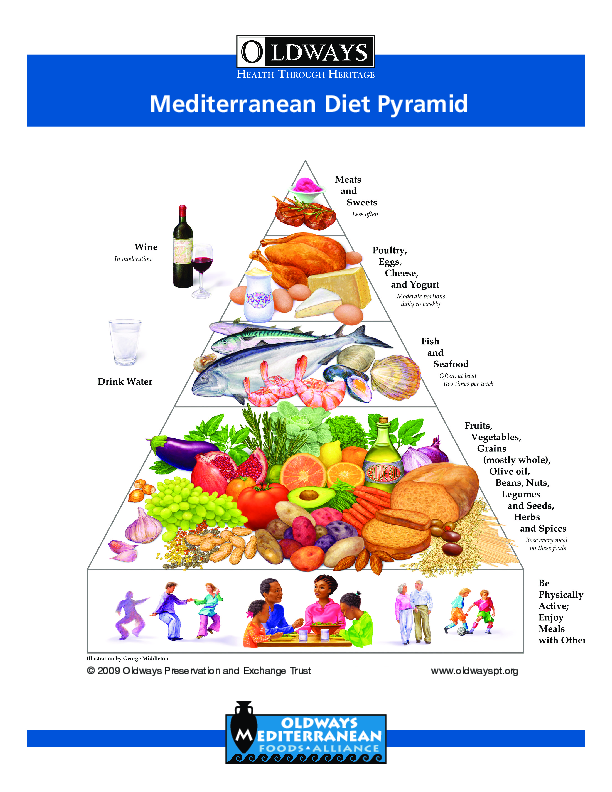
2. walk/run/cycle/swim
3. forget statins and
4. try this test
This test calculates your life expectancy and how long you'll stay healthy. We send you personalized recommendations for getting the most good years out of life. We keep your submissions and results private.
= = =
Enjoy the Sun and don't forget to...
make your grocer your pharmacist (every day)!
Why inflammation rather than cholesterol causes chronic disease
4 points to remember:
1.Mediterranean Diet
2. walk/run/cycle/swim
3. forget statins and
4. try this test
This test calculates your life expectancy and how long you'll stay healthy. We send you personalized recommendations for getting the most good years out of life. We keep your submissions and results private.
= = =
Enjoy the Sun and don't forget to...
make your grocer your pharmacist (every day)!
 |
| "It is now well established that healthy dietary patterns, such as the Mediterranean diet, are associated with reduced risk of various chronic diseases by reducing inflammation towards homeostasis" Photo: iStock |
Wednesday, 20 June 2018
18/06/2018: Inflammation, not cholesterol, is a cause of chronic disease
my new op-ed article in International Aquafeed
= = =
= = =
by Ioannis Zabetakis
Since the Seven Countries Study, dietary cholesterol and the levels of serum cholesterol in relation to the development of chronic diseases have been somewhat demonised.
However, the principles of the Mediterranean diet and relevant data linked to the examples of people living in the five blue zones demonstrate that the key to longevity, and the prevention of chronic disease development is not the reduction of dietary or serum cholesterol but the control of systemic inflammation.

Cholesterol levels: Demonising a risk factor but not the causative mechanisms of chronic diseases
According to the ‘cholesterol hypothesis’, high blood cholesterol is a major risk factor, while lowering cholesterol levels can reduce risk. Dyslipidaemias (i.e., hypercholesterolaemia or hyperlipidaemia) are abnormalities of lipid metabolism characterised by increased circulating levels of serum total cholesterol, LDL cholesterol, triglycerides, and decreased levels of serum HDL cholesterol.
High levels of LDL cholesterol and non-HDL cholesterol have been associated with cardiovascular risk, while other cholesterol-related serum markers have been proposed as additional significant biomarkers for CVD risk factors to add to the standard lipid profile. HDL cholesterol has been considered as the atheroprotective ‘good’ cholesterol because of its strong inverse correlation with the progression of CVD.
Dyslipidaemias have been ranked as significant modifiable risk factors contributing to prevalence and severity of several chronic diseases including aging, hypertension, diabetes, and CVD. High serum levels of these lipids have been associated with an increased risk of developing atherosclerosis.
Dietary and medical guidelines (i.e. use of statins) have focused on the reduction of cholesterol and lipid levels as the best way to prevent chronic diseases such as CVD. Statins are used in order to reduce the levels of cholesterol; however, numerous side effects have been reported, including the development of other chronic diseases such as diabetes mellitus.
Moreover, specific dietary strategies for reducing cholesterol intake are the mainstay of management in most cases of dyslipidaemia, prior to, or simultaneously with, the initiation of a lipid lowering agent. Dietary fats, cholesterol, and the levels of serum cholesterol in relation to the development of CVD have been somewhat demonised.
Read the full article, HERE.
Since the Seven Countries Study, dietary cholesterol and the levels of serum cholesterol in relation to the development of chronic diseases have been somewhat demonised.
However, the principles of the Mediterranean diet and relevant data linked to the examples of people living in the five blue zones demonstrate that the key to longevity, and the prevention of chronic disease development is not the reduction of dietary or serum cholesterol but the control of systemic inflammation.

Cholesterol levels: Demonising a risk factor but not the causative mechanisms of chronic diseases
According to the ‘cholesterol hypothesis’, high blood cholesterol is a major risk factor, while lowering cholesterol levels can reduce risk. Dyslipidaemias (i.e., hypercholesterolaemia or hyperlipidaemia) are abnormalities of lipid metabolism characterised by increased circulating levels of serum total cholesterol, LDL cholesterol, triglycerides, and decreased levels of serum HDL cholesterol.
High levels of LDL cholesterol and non-HDL cholesterol have been associated with cardiovascular risk, while other cholesterol-related serum markers have been proposed as additional significant biomarkers for CVD risk factors to add to the standard lipid profile. HDL cholesterol has been considered as the atheroprotective ‘good’ cholesterol because of its strong inverse correlation with the progression of CVD.
Dyslipidaemias have been ranked as significant modifiable risk factors contributing to prevalence and severity of several chronic diseases including aging, hypertension, diabetes, and CVD. High serum levels of these lipids have been associated with an increased risk of developing atherosclerosis.
Dietary and medical guidelines (i.e. use of statins) have focused on the reduction of cholesterol and lipid levels as the best way to prevent chronic diseases such as CVD. Statins are used in order to reduce the levels of cholesterol; however, numerous side effects have been reported, including the development of other chronic diseases such as diabetes mellitus.
Moreover, specific dietary strategies for reducing cholesterol intake are the mainstay of management in most cases of dyslipidaemia, prior to, or simultaneously with, the initiation of a lipid lowering agent. Dietary fats, cholesterol, and the levels of serum cholesterol in relation to the development of CVD have been somewhat demonised.
Read the full article, HERE.
Friday, 18 May 2018
Is Lipid Level or Inflammation the Critical Factor for Cardiovascular Disease Risk?

re-posting from here
No orthodoxy lacks accompanying heretics; it often seems that science is a business of proceeding abruptly and messily from one steady state consensus to another via the mechanism of heresy. It is of course worth bearing in mind that most heretics do turn out to be wrong, and are consequently forgotten by all but the most painstaking of scientific historians. In the paper I'll point out today, the orthodoxy of blood lipid levels as a cause of cardiovascular disease is challenged. The heresy is to suggest that it isn't the lipids at all, but all down to a matter of chronic inflammation.
This is a tough topic to arbitrate, because raised lipids, such as cholesterol, and raised inflammation go hand in hand. Dietary approaches to tackling cholesterol levels are minimally effective in the grand scheme of things, as dietary content is only a small factor in the lipid content of blood, but they also, inconveniently, tend to move the needle on inflammation as well. The calorie content of the diet, considered over the long-term, is linked to lipids and inflammation in equal measures via the amount of visceral fat tissue an individual carries. Therapies that are available and widely used to reduce blood cholesterol, such as statins, are shown to have anti-inflammatory effects. Therapies under development, such as delivery of the APOA1 protein that makes up the HDL particles responsible for dragging cholesterol out of vulnerable cells and transporting it to the liver, also have significant anti-inflammatory effects. You can probably see the challenge.
On the one hand, it doesn't seem completely unreasonable to mount the argument that lipid levels are a smokescreen, and we should be caring about chronic inflammation. We know that chronic inflammation is very damaging, and contributes to the progression of all of the common age-related diseases. When it comes to cardiovascular disease, and particularly atherosclerosis, it seems hard to write off a role for lipid levels in blood, however. Atherosclerosis is caused by oxidized lipids that overwhelm the cells sent to clean them up when they irritate blood vessel walls; the fatty deposits that narrow blood vessels are made up of lipids and dead cells. More lipids means more overwhelmed cells. Lower lipid levels means fewer oxidized lipids. But does that simple calculus hold up when looked at in detail? To answer that question, we need more data on highly effective therapies that are either anti-lipid or anti-inflammatory, but not both.
Inflammation, not Cholesterol, Is a Cause of Chronic Disease
= = =
our answer:
In our work
In vivo anti-atherogenic properties of cultured gilthead sea bream (Sparus aurata) polar lipid extracts in hypercholesterolaemic rabbits
we have shown that fish polar lipids do not affect significantly levels of LDL but increase levels of HDL and reduce atherosclerotic lesions.
The diets employed led to significant increases (day 45 vs. day
0) in TC, LDL-C, HDL-C and TAG concentrations in animals of both groups (Table 1).
TC, LDL-C and TAG levels did not exhibit significant differences
between groups A and B by day 45. On the other hand, HDL-C levels
exhibited significant increase in group B compared to group A by day 45 (p < 0.05) (Table 1).
Results are expressed as mean ± SD.
A: atherogenic diet; B: atherogenic diet enriched with GSBPL.
Table 1. Basic plasma lipid profile in rabbits of both groups.
| Time (days) | A (n = 6) | B (n = 6) | |
|---|---|---|---|
| TC (mg/dl) | 0 | 62 ± 20 | 66 ± 18 |
| 45 | 1906 ± 821a | 1555 ± 122a | |
| LDL-C (mg/dl) | 0 | 19 ± 16 | 7 ± 5 |
| 45 | 1707 ± 742a | 1300 ± 126a | |
| HDL-C (mg/dl) | 0 | 29 ± 4 | 30 ± 7 |
| 45 | 82 ± 26a,b | 138 ± 30a,b | |
| TAG (mg/dl) | 0 | 141 ± 49 | 146 ± 66 |
| 45 | 652 ± 316a | 588 ± 141a |
A: atherogenic diet; B: atherogenic diet enriched with GSBPL.
- a
- Denotes statistical significance within same group (day 45 vs. 0; p < 0.05), according to the Wilcoxon test.
- b
- Denotes statistical significance between groups A and B (day 45; p < 0.05), according to the Mann–Whitney U-test.
 |
| Fig. 1. Representative optic micrographs × 100 of aortic wall sections stained with haematoxylin and eosin from the two experimental groups, where atherosclerotic lesions appear as foam cells (↑). (A) Group A (atherogenic diet); (B) Group B (atherogenic diet enriched with GSBPL). |
We can thus suggest that it is NOT the cholesterol but the anti-inflammatory impact of fish lipids.
We have further studied that here.
Fish polar lipids retard atherosclerosis in rabbits by down-regulating PAF biosynthesis and up-regulating PAF catabolism
Sunday, 13 May 2018
Inflammation, not Cholesterol, Is a Cause of Chronic Disease

[just published in "Nutrients"]

Department of Biological Sciences, University of Limerick, V94 T9PX Limerick, Ireland
*
Author to whom correspondence should be addressed.
Received: 23 April 2018 / Revised: 3 May 2018 / Accepted: 9 May 2018 / Published: 12 May 2018
(This article belongs to the Special Issue Dietary Cholesterol:Is It Related to Chronic Disease)
Abstract
Since the Seven Countries Study, dietary cholesterol and the levels of serum cholesterol in relation to the development of chronic diseases have been somewhat demonised. However, the principles of the Mediterranean diet and relevant data linked to the examples of people living in the five blue zones demonstrate that the key to longevity and the prevention of chronic disease development is not the reduction of dietary or serum cholesterol but the control of systemic inflammation. In this review, we present all the relevant data that supports the view that it is inflammation induced by several factors, such as platelet-activating factor (PAF), that leads to the onset of cardiovascular diseases (CVD) rather than serum cholesterol. The key to reducing the incidence of CVD is to control the activities of PAF and other inflammatory mediators via diet, exercise, and healthy lifestyle choices. The relevant studies and data supporting these views are discussed in this review. View Full-Text
Keywords:
cardiovascular disease; atherosclerosis; inflammation; platelet-activating factor; oxidised lipoproteins; cholesterol; chronic diseases
= = =
in this paper, we challenge the current medical status quo that supports the use of statins to reduce cholesterol.
We present a different view, a view that is supported by strong Science.
In this view, chronic diseases are NOT caused by cholesterol!
In fact, cholesterol plays a minor (if any!) role.
We explain that inflammation is the cause of chronic diseases (e.g. CVDs, cancer, diabetes etc).
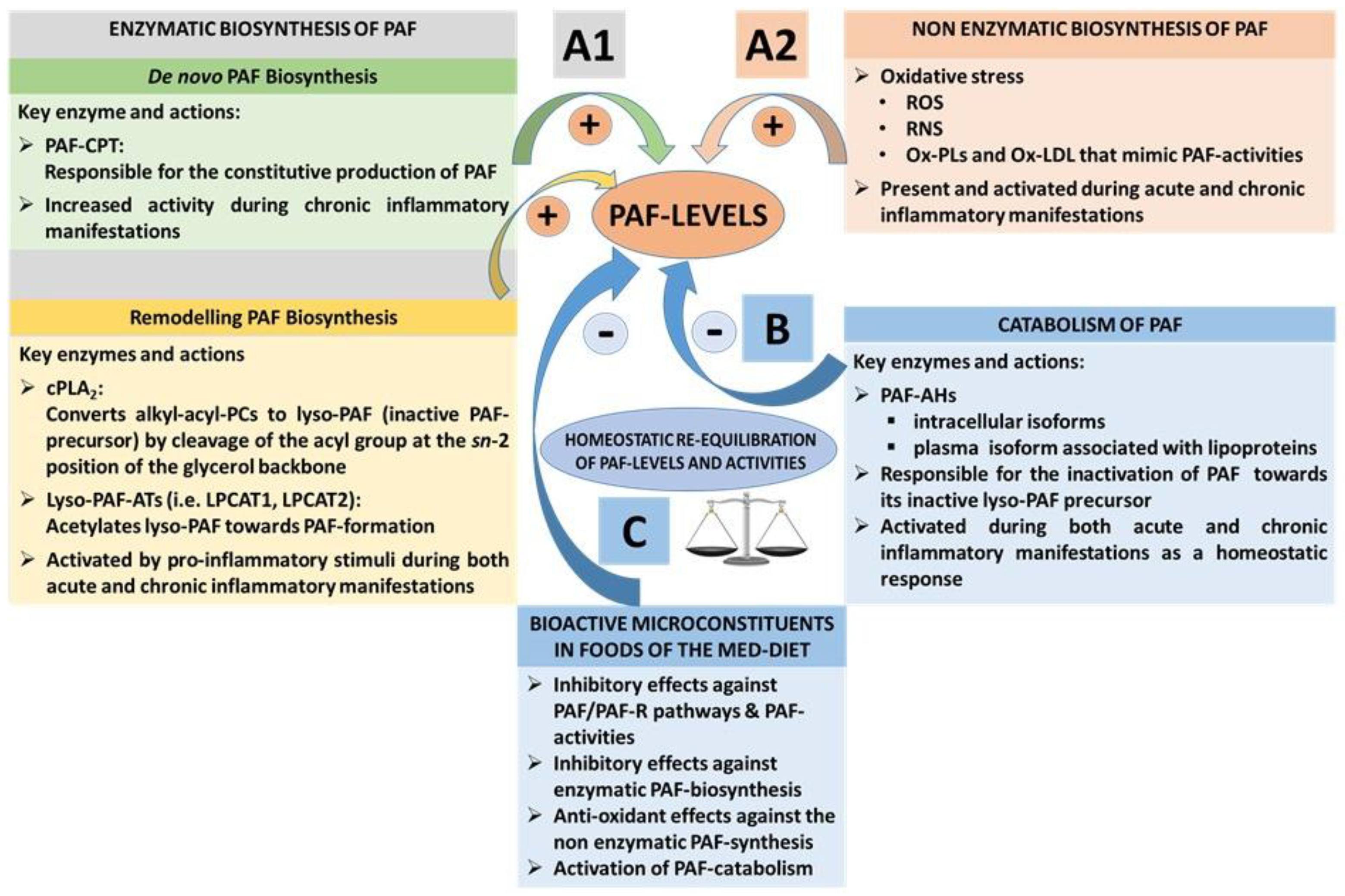
We conclude with these words...
Nature has provided us with a wide range of dietary weapons, which, if
appropriately combined in dietary patterns such as the Med-diet, can
beneficially contribute to improving our quality of life, health, and
life expectancy by equilibrating the inflammatory milieu to normal
levels and thus preventively reducing the risk of inflammation-related
chronic disorders. Let us not forget the words of Hippocrates of Kos
(460-377 BC), who is universally recognised as the father of modern
medicine: “Let food be thy medicine and medicine be thy food”.
Thursday, 18 January 2018
It's the inflammation, and not the cholesterol that kills people

It is rather interesting how a part of Industry and the Academic society still stick to the importance of cholesterol when we address chronic diseases (e.g. CVDs).
 |
| it looks cute but it is so wrong... [source] |
It is not the cholesterol that kills but inflammation!
In an analogy similar to the phrase "It's the economy, stupid"
I think it is high time to say to quite a few medical doctors, scientists and industrialists...
"It's the inflammation, and not the cholesterol that kills people".
Our view is this. We do not need statins or sterols but a healthy diet and lifestyle!
In 2018, we will have the chance with this book and also a review paper we are going to submit in this special issue to present all the latest data that support this view:
it is inflammation induced by several factors, such as platelet-activating factor (PAF), that leads to the onset of cardiovascular diseases (CVDs) rather than serum cholesterol.
Subscribe to:
Posts (Atom)