Showing posts with label CVDs. Show all posts

Tuesday, 11 August 2026

CVD : how can we prevent them?


Cardiovascular Diseases

Today, the leading cause of death worldwide is what we call cardiovascular diseases (CVD). To put it into perspective, Covid-19 was the cause of death for approximately 7.01 million deaths in six years. The number of deaths due to CVD is 17.9 million every year; it is the most lethal disease. In Ireland alone, 10,000 people die every year, i.e. one person per hour. It’s a huge loss of human lives and also a considerable burden for HSE.

Our group has been working towards a sustainable solution against CVD by focusing on the aggregation of platelets. This aggregation triggers the formation of thrombus (i.e. blockage in human arteries) and the onset of CVD. We have developed a novel extract from farmed Irish organic salmon fillets rich in lipids.

Here we report the findings of a postprandial trial.

Our source was aquacultured (farmed) salmon in Ireland; this is an environmentally sustainable source. These two features (environmental sustainability and high potency) make this extract a potential candidate to protect people from the development of CVD. With the current proposal, we now aim to conduct a larger study to confirm the second human trial and provide stronger evidence for its potential health benefits for CVD.


Encapsulated Salmon Polar Lipids Modestly Reduce Postprandial Platelet Sensitivity to PAF and Thrombin in Healthy Adults: A Pilot Study

The abstract of this paper is as follows:

The postprandial effects of a novel food-grade extracted salmon polar lipids (SPL) supplement against platelet-activating factor (PAF) and thrombin-induced platelet aggregation in a human pilot study was evaluated. This study was double-blinded, crossover, and placebo controlled in design. Five healthy volunteers completed 4 h time-course trials on 5 separate days. Blood was drawn at baseline before subjects consumed a standardized breakfast with one of the following treatments: a low-dose (0.25 g) or a high-dose (0.5 g) of SPL encapsulated within a stomach resistant capsule (LDSR and HDSR respectively) or a non-resistant capsule (LDSNR and HDSNR, respectively), or placebo capsules containing food-grade glycerin (0.5 g; Placebo). Blood was analyzed at 1 h intervals for 4 h. Among the treatments tested, the high-dose non-resistant capsule (HDSNR) produced the clearest postprandial effects, inducing significant increases in EC50 (reduced platelet sensitivity) for PAF at 2–3 h and for thrombin at 3–4 h post-ingestion. Smaller or delayed effects were observed with the high-dose resistant capsule (HDSR), while low-dose formulations produced minimal changes. Postprandial plasma glucose, lipid profile (TC, HDL-C, LDL-C, TG), fibrinogen, prothrombin time, and activated partial thromboplastin time remained unaffected across all trials. This pilot study provides the first in vivo indication that SPL supplementation may modestly attenuate platelet responsiveness to both PAF and thrombin without altering standard haemostatic or metabolic biomarkers. Larger controlled studies are warranted to confirm these preliminary findings and define optimal dosing and formulation strategies.


What next?

Today, there is gap in the market of nutritional supplements with activities against inflammation and the onset of CVD. Our work is aiming to fulfill this gap.

Omega-3 fatty acids were thought that they have anti-thrombotic activities but this is not the case anymore, as reported here.

On the other hand, krill oil is not sustainable.

Here, you can read why.

I copy paste here:

“Krill are tiny shrimp-like creatures and they’re one of the most important species in the Antarctic food web. They’re eaten by everything from blue whales to Adélie penguins. If there were no krill, most forms of life in the Antarctic would vanish”.

So what next?

In our line of work, we focus on aqua-cultured species.

In Greece, my group has been working on sea bream and sea bass.

Since 2015 (when I moved to UL from the University of Athens), my interest has shifted to farmed (aqua-cultured) salmon. In Ireland, MOWI is producing organic salmon – a food with high nutritional value and as reported above with strong anti-platelet activities.

Our ongoing work is on valorising Irish salmon. Our focus, as reported in the paper attached here, is to produce an extract that can both inhibit and regress CVD.

Our “dream” is to create a product that will help people’s lives. It’s not about making money but it is about quality of life.


Friday, 11 December 2020

Effect of High-Dose Omega-3 Fatty Acids vs Corn Oil on Major Adverse Cardiovascular Events in Patients at High Cardiovascular Risk

 Key Points

Question  In statin-treated patients with high cardiovascular risk, high triglycerides, and low HDL cholesterol levels, does adding a carboxylic acid formulation of omega-3 fatty acids (eicosapentaenoic acid and docosahexaenoic acid) to background therapy improve cardiovascular outcomes?

Findings  In this randomized clinical trial of 13 078 patients that was stopped early, daily supplementation with omega-3 fatty acids, compared with corn oil, resulted in no significant difference in a composite outcome of major adverse cardiovascular events (hazard ratio, 0.99).

Meaning  These findings do not support use of this omega-3 fatty acid formulation to reduce major adverse cardiovascular events in patients with high cardiovascular risk.


The full article is here.


In our views, omega3 do not work as we stated in this comment paper.


Sunday, 12 July 2020

diet advising : is it so simple?

It's positive people having strong views on diet, sustainable agriculture and diseases. Phrases though like "is Mother Nature a psychopath?" (like the one tweeted yesterday by Joanna Blythman) do not help a forward discussion. Let me clarify...

I love Scotland, its culture, Athens of the North (Edinburgh), its music, its malts and salmon, St Andrews (Uni and friends) etc...
Does this mean that Scottish diet is healthy?
Far from it.

I am copying from here.
"Around 22% of all premature deaths in Scotland – 4,600 a year – are caused by CVD1
Today, cardiovascular disease (CVD) continues to affect the lives of millions of people and is one of the largest causes of death and disability in Scotland. Premature CVD death rates in Scotland have fallen 78% over the last 40 years,1 largely thanks to BHF-funded research, advances in treating conditions like heart attack and stroke and the decline in smoking, as well as lifestyle changes. But progress has slowed since 2011. The reasons are unclear. We must do more "

BHF (2018) analysis of Office for National Statistics (2017) and National Records of Scotland (2017) mortality data for 2014-16
The most deprived people in our society shoulder the greatest burden of death and disability from CVD. For instance, people living in the local authority with the highest level of average deprivation – West Dunbartonshire – are 1.6 times more likely to die prematurely from CVD compared with people in East Renfrewshire, which has the lowest average deprivation in Scotland [9 BHF (2018) analysis of Office for National Statistics (2017) and National Records of Scotland (2017) mortality data for 2014-16].


In order to tackle CVDs and other inflammatory diseases, we need to talk seriously about the diet and the lifestyle of the Scots, the Irish, the Greeks etc.
Obesity is a major problem as discussed here.

People eat junk food not out of choice! But out of lack of choice.
If the personal income is low, people will look for the cheapest food (i.e. the most processed, the least fresh, with the most chemicals, the most sugary, salty etc etc).

Have a look at this graph:

Obesity as per social class group
 
According to the authors
"Figure 1 illustrates the proportion of Irish children who
had overweight or obesity based on their social class group
in 2019. A significant difference in overweight/obesity
levels based on social class group was apparent (P = 0·02).
Those from the highest social class had the lowest overall
prevalence of overweight/obesity at 13 %, in comparison
with those from the lowest social class who had the highest
prevalence at 25 %. The same pattern was observed for
abdominal overweight/obesity as the proportion of children
with a WC ≥ 85th percentile was significantly higher in the
lowest social class group at 36 % in comparison with 20%
in the highest social class group (P = 0·006)"

"Health inequalities resulting from social class have
been labelled as one of the main drivers of the obesity epidemic(
35). Prevalence of overweight and obesity in children
in Ireland was starkly different based on social class in
2019. Levels rose steadily from 13 % in children from the
highest social class group to 25 % in those from the lowest,
with a comparable pattern observed for abdominal
overweight/obesity. Similarly, it has been reported that a
higher proportion of children attending disadvantaged
schools had overweight/obesity compared with those
attending non-disadvantaged schools(36). Furthermore,
inequalities in overweight/obesity prevalence have also
been described in American and British children(37,38).
These findings highlight the continued widening gap in
overweight and obesity levels based on social class in
children, with those from a lower social class being more
predisposed to this disease.

In comparison with overweight and obesity, children
with morbid obesity are three times more likely to experience
immediate health issues such as worsened cardiometabolic
risk profiles, high blood pressure, and suffer from
depression and anxiety(39–42). In 2019, 1·2 % of children
had morbid obesity, with a slightly higher level of morbid
obesity observed in boys at 1·7 % than girls at 0·7 %.
Moreover, a higher prevalence was observed in children
from a low socio-economic background. A similar level
of morbid obesity was found in the COSI at 1·5 % in
2012/2015 with higher rates occurring in children attending
disadvantaged schools(43). Across Europe, a recent assessment
of the prevalence of morbid obesity found that of
the children who had obesity, at least one in four had
morbid obesity, with the highest rates observed in
Southern Europe(44)."


In a nutshell: yes, Scottish food is Great; Irish food is Great, Italian pasta, Spanish tapas, Greek mezedes etc. So, how do we have so many millions suffering from chronic diseases in all these countries with great food and cuisine? Lack of guidelines? Education? Information? Poverty?
Guidelines are super (according to the dieticians); food is great and healthy according to Journalists, Chefs, Hospitality Managers, Tourist Boards.
Statins will save the world...not just yet.
So...what is bloody wrong? Why people die from NCDs? Why is obesity rising?
Do we need a different approach? Perhaps?

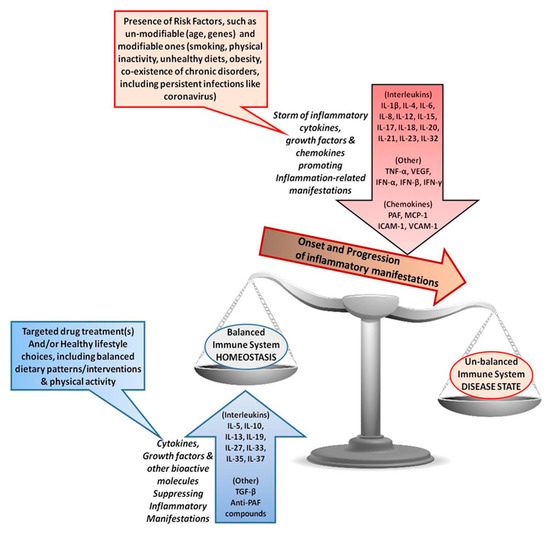
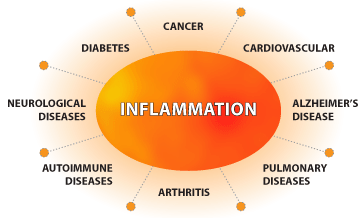
What about this: inflammation is the killer.
The sooner we realise it, the better. Anti-inflammatory diet is the way forward...not the black and white discussion about animal/plant diets.

Yannis Z.
 

Sunday, 24 May 2020

Science and "Conflict of Interest"


this post is about Science and the short paragraph at the end of all scientific publications titled "Conflict of Interest".

Have you seen these paragraphs in papers like?

1. Optimal Nutritional Status for a Well-Functioning Immune System Is an Important Factor to Protect against Viral Infections
  
Conflicts of Interest


P.C.C. has research funding from BASF AS and Bayer Consumer Care; acts as an advisor/consultant to BASF AS, DSM, Cargill, Smartfish, Nutrileads, Bayer Consumer Care, and Pfizer (now GSK) Consumer Healthcare; has received reimbursement for travel and/or speaking from Danone, Fresenius Kabi, Baxter, Pfizer (now GSK) Consumer Healthcare, Abbott, Smartfish, Biogredia and the California Walnut Commission; and is President and member of the Board of Directors of the European Branch of the International Life Sciences Institute. A.C.C. has received research funding from Bayer Consumer Care and travel reimbursement from DSM. M.E. acts as an advisor for DSM and received travel reimbursement from DSM. He is member of the Scientific Board of PM International and President of the Gesellschaft für angewandte Vitaminforschung. A.F.G. has received research funding from Bayer Consumer Care and has acted as an advisor/consultant for and has received reimbursement for travel and/or speaking from Bayer Consumer Care.


Supported by AstraZeneca.
Dr. Ridker reports receiving grant support from AstraZeneca, Novartis, Merck, Abbott, Roche, and Sanofi-Aventis; consulting fees or lecture fees or both from AstraZeneca, Novartis, Merck, Merck–Schering-Plough, Sanofi-Aventis, Isis, Dade Behring, and Vascular Biogenics; and is listed as a coinventor on patents held by Brigham and Women's Hospital that relate to the use of inflammatory biomarkers in cardiovascular disease, including the use of high-sensitivity C-reactive protein in the evaluation of patients' risk of cardiovascular disease. These patents have been licensed to Dade Behring and AstraZeneca. Dr. Fonseca reports receiving research grants, lecture fees, and consulting fees from AstraZeneca, Pfizer, Schering-Plough, Sanofi-Aventis, and Merck; and Dr. Genest, lecture fees from AstraZeneca, Schering-Plough, Merck–Schering-Plough, Pfizer, Novartis, and Sanofi-Aventis and consulting fees from AstraZeneca, Merck, Merck Frosst, Schering-Plough, Pfizer, Novartis, Resverlogix, and Sanofi-Aventis. Dr. Gotto reports receiving consulting fees from Dupont, Novartis, Aegerion, Arisaph, Kowa, Merck, Merck–Schering-Plough, Pfizer, Genentech, Martek, and Reliant; serving as an expert witness; and receiving publication royalties. Dr. Kastelein reports receiving grant support from AstraZeneca, Pfizer, Roche, Novartis, Merck, Merck–Schering-Plough, Isis, Genzyme, and Sanofi-Aventis; lecture fees from AstraZeneca, GlaxoSmithKline, Pfizer, Novartis, Merck–Schering-Plough, Roche, Isis, and Boehringer Ingelheim; and consulting fees from AstraZeneca, Abbott, Pfizer, Isis, Genzyme, Roche, Novartis, Merck, Merck–Schering-Plough, and Sanofi-Aventis. Dr. Koenig reports receiving grant support from AstraZeneca, Roche, Anthera, Dade Behring and GlaxoSmithKline; lecture fees from AstraZeneca, Pfizer, Novartis, GlaxoSmithKline, DiaDexus, Roche, and Boehringer Ingelheim; and consulting fees from GlaxoSmithKline, Medlogix, Anthera, and Roche. Dr. Libby reports receiving lecture fees from Pfizer and lecture or consulting fees from AstraZeneca, Bristol-Myers Squibb, GlaxoSmithKline, Merck, Pfizer, Sanofi-Aventis, VIA Pharmaceuticals, Interleukin Genetics, Kowa Research Institute, Novartis, and Merck–Schering-Plough. Dr. Lorenzatti reports receiving grant support, lecture fees, and consulting fees from AstraZeneca, Takeda, and Novartis; Dr. Nordestgaard, lecture fees from AstraZeneca, Sanofi-Aventis, Pfizer, Boehringer Ingelheim, and Merck and consulting fees from AstraZeneca and BG Medicine; Dr. Shepherd, lecture fees from AstraZeneca, Pfizer, and Merck and consulting fees from AstraZeneca, Merck, Roche, GlaxoSmithKline, Pfizer, Nicox, and Oxford Biosciences; and Dr. Glynn, grant support from AstraZeneca and Bristol-Myers Squibb. No other potential conflict of interest relevant to this article was reported.

= = =

let's talk about Science now:

when the authors themselves explicitly declare these conflicts of interest, could such declarations raise any doubts ?

Let's talk about the data, then.

In relation to CVDs, our team has been studying this field for 20 years.

Our views on omega-3 and statins are presented below in this review paper


and this book (chapter 6, on statins may be of some interest)

The Impact of Nutrition and Statins on Cardiovascular Diseases

To conclude: omega-3 and statins do not lower cardiovascular risk. The cholesterol hypothesis can not explain CVDs morbidity; inflammation is the killer, as explained few days ago...

COVID-19: The Inflammation Link and the Role of Nutrition in Potential Mitigation


Friday, 21 June 2019

Monday, 16 April 2018

how can we produce sustainably nutraceuticals?


Omega-3 withdrawal by retailers opens up sustainability dialogue

By Will Chu
UK health and beauty retailer Boots have become the latest target of a campaign by Greenpeace to halt the sale of Omega-3 supplements derived from krill oil fished in vulnerable marine areas. 

= = =

this news ...bring back the question:  

how can we produce sustainably nutraceuticals?

[watch this space ; in few months we are going to have the complete answer]

Thursday, 18 January 2018

It's the inflammation, and not the cholesterol that kills people


It is rather interesting how a part of Industry and the Academic society still stick to the importance of cholesterol when we address chronic diseases (e.g. CVDs).


it looks cute but it is so wrong... [source]


It is not the cholesterol that kills but inflammation! 

In an analogy similar to the phrase "It's the economy, stupid"
I think it is high time to say to quite a few medical doctors, scientists and industrialists...


"It's the inflammation, and not the cholesterol that kills people".

Our view is this. We do not need statins or sterols but a healthy diet and lifestyle!

In 2018, we will have the chance with this book and also a review paper we are going to submit in this special issue to present all the latest data that support this view:


it is inflammation induced by several factors, such as platelet-activating factor (PAF), that leads to the onset of cardiovascular diseases (CVDs) rather than serum cholesterol. 
 

Sunday, 24 December 2017

fermentation is the Key!


I read with interest this article on food trends for 2018.

Special Ks: kefir, kimchi, kraut, kombucha

Fermented foods are filling fridges as shoppers get more gut-health aware. So far, the most impactful of this fizzing bunch is kefir, the bacteria-laden (usually yogurt-based) drink essential to balanced eastern European diets.
This year saw Russian ex-figure skater Natasha Bowes’s Bio-tiful brand get stocked nationwide by Sainsbury’s, and she’s set to unveil a new stomach-friendly creation in May. Water-based kefir sales were also up 34% at Whole Foods since last year. Meanwhile, Marks and Spencer will launch their own-brand kefir in January.

 = = =

Kefir is an ancient cultured drink rich in probiotics and known for its incredible health benefits. Its origins can be traced back more than two-thousand years to the Caucasus Mountains region, located between Russia, Turkey, Armenia, Georgia and Azerbaijan.

In FLIPS @ UL, we have an ongoing project on kefir with some interesting data on bioactivities against inflammation and CVDs.

More to come in 2018!

Happy Holidays!

Monday, 24 April 2017

how to reduce the risk of developing CVDs?


the answer is rather straightforward!

Please consider your consumption of 10 foods/nutrients associated with cardiometabolic diseases: fruits, vegetables, nuts/seeds, whole grains, unprocessed red meats, processed meats, sugar-sweetened beverages (SSBs), polyunsaturated fats, seafood omega-3 fats, and sodium.

New research suggests that

The largest numbers of estimated diet-related cardiometabolic deaths were related to  
high sodium (66 508 deaths in 2012; 9.5% of all cardiometabolic deaths), 
low nuts/seeds (59 374; 8.5%), 
high processed meats (57 766; 8.2%), 
low seafood omega-3 fats (54 626; 7.8%), 
low vegetables (53 410; 7.6%), 
low fruits (52 547; 7.5%), and 
high SSBs (51 694; 7.4%). 

Between 2002 and 2012, population-adjusted US cardiometabolic deaths per year decreased by 26.5%. 

The greatest decline was associated with insufficient polyunsaturated fats (−20.8% relative change [95% UI, −18.5% to −22.8%]), nuts/seeds (−18.0% [95% UI, −14.6% to −21.0%]), and excess SSBs (−14.5% [95% UI, −12.0% to −16.9%]). 
The greatest increase was associated with unprocessed red meats (+14.4% [95% UI, 9.1%-19.5%]).


Monday, 27 March 2017

Do We Need Books?

Pixabay
 
Some views on the value of books are presented here.

Many thanks to the Elsevier team for their hospitality!

Ioannis


Monday, 20 March 2017

cardiovascular diseases: novel drug, old approach


I read with interest the news on evolocumab and a large international trial on 27,000 patients.
The British Heart Foundation said the findings were a significant advance in fighting the biggest killer in the world.
 The study found that for every 74 people who took the drug for two years, one heart attack or stroke would be prevented. However, the findings, published in the New England Journal of Medicine, found that the drug had no impact on the rate of cardiovascular mortality.

 Looking for a new drug to lower LDL is a sign that quite few people have now accepted that statins do not work...but addressing CVDs from the same point of view (i.e. LDL) is the fundamental problem as described here and here.


So, are we still at square one?
I am afraid we are...as long we believe that LDL is the problem...
A novel approach is badly needed...
 (an approach that we describe in the book we are writing...)