This is the Irish Times view on the EPA bathing report and further below are our views.
The Irish Times view on: The EPA bathing report
Ireland in position to get massive post-Covid boost with proper water supplies in place
A ban on bathing at Merrion
strand in Dublin Bay was a long time coming; the culmination of five
years of failure to meet minimum EU water quality standards. It has the
infamous reputation of being the first beach in Ireland to have a permanent ban on swimming.
The
EPA’s 2019 bathing water report outlines the causes, particularly two
polluted streams whose contents are a result of poor sewerage
infrastructure and run-off from roads. Local authorities and Irish Water
are trying to find solutions.
Merrion
strand figures prominently in a focus on what is causing ongoing
pollution problems in Dublin Bay, including a separate bigger issue of
discharges from the often-overloaded Ringsend
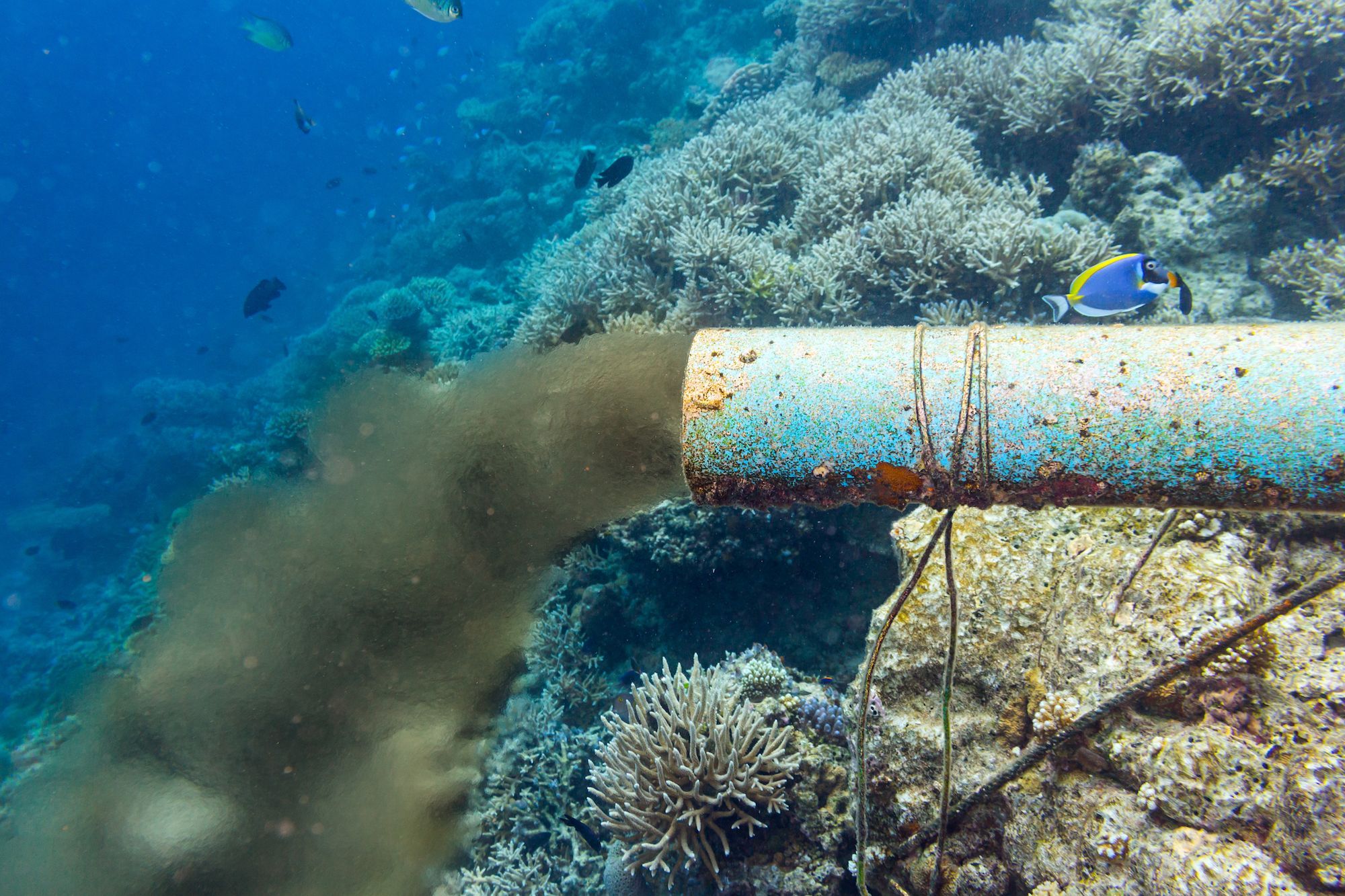
wastewater treatment works. All told, too much raw or insufficiently
treated sewage is being allowed into a much-used amenity and an
internationally designated biosphere.
An overall improvement of bathing
water quality at locations across Ireland should be acknowledged – 95
per cent of bathing waters (140 of 147) met or exceeded the minimum
required standard, up from 94 per cent in 2018.
There are, however, obvious pressure points. Two more beaches are set to meet the same fate as Merrion Strand: Portrane (the Brook) and Ballyloughane in Galway, if they fail to achieve a marked improvement in the coming year.
Irish Water is investing €1.2
billion at 28 locations where raw sewage is being pumped into rivers and
seas including the Ringsend plant. But it is encountering delays in Arklow, Athlone, Roscommon and Enniscorthy, which risks substantial EU fines for failing to meet a 30-year-old commitment to end such discharges.
Ireland
is in a position to get a massive post-Covid-19 boost from being a
genuinely green island, in offering a tourism product demonstrably
embracing sustainability, where every sector in the economy is on an
accelerated course of decarbonisation. Poor water quality, uncertainty
about supplies in the most-populated eastern region and ongoing
pollution of lakes, rivers, beaches and bays risks undermining all that.
= = = = = = = = = = = = = = = =
Our views
It’s the same story again and again, as analysed here.
Polluters can not (and are not forced to) self-regulate while monitoring authorities do not monitor competently. Without proper monitoring, they would never be able to impose relevant fines and corrective actions.
People are refused access to water, drinking water (see co Clare problems few weeks ago) or swimming water in this case.
What needs to be done?
Well, we do not need to reinvent the wheel!
But just enforcing the law, the “polluter pays principle" and use the power of justice.
At the end of the day it’s about political cost and both Ireland and Greece are small countries where everyone knows every other one, in cases like that, this familiarity might be somehow impending.
There is a great Irish synopsis of all that, just 3 words: Parish Pump Politics
Ioannis Zabetakis
p.s. further reading
Swimming ban at Dublin's Merrion strand due to poor water quality
p.s. further reading
Swimming ban at Dublin's Merrion strand due to poor water quality
