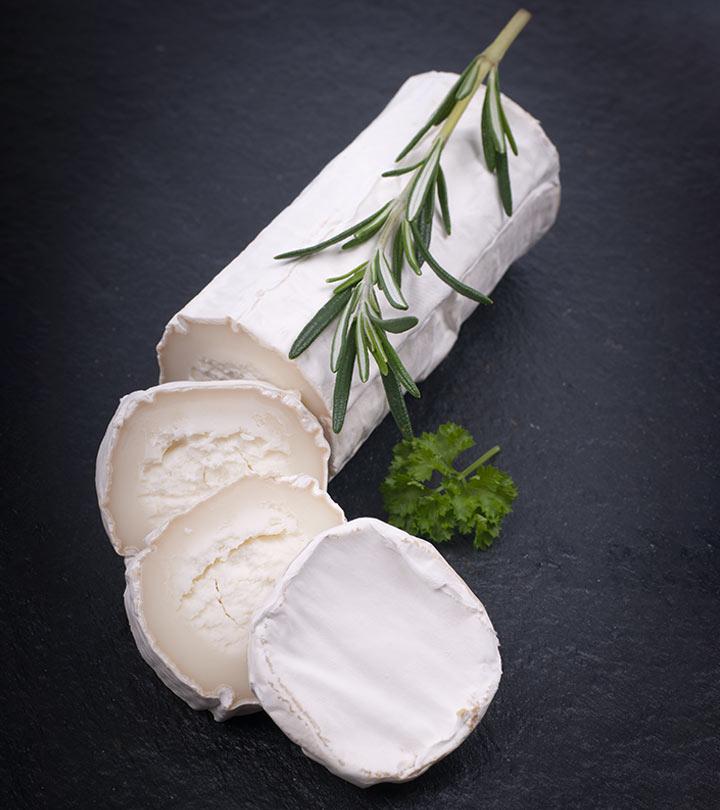
Showing posts with label goat. Show all posts

Saturday, 4 April 2020

Covid-19, NCDs and the role of yoghurt and cheese


Ronan Lordan and Ioannis Zabetakis (University of Limerick, Limerick, Ireland) write:


Since December 2019 and the beginning of 2020, the world is facing a mega crisis that has two dimensions: one health crisis against COVID-19 (coronavirus disease 2019) and a subsequent financial crisis with huge implications for employment, commerce, travel, and manufacture.
On 23rd March, the World Health Organisation (WHO) issued guidelines on the link between COVID-19 and non-communicable diseases (NCDs) (Fig 1).


Figure 1: The link between non-communicable diseases (NCDs) and COVID-19

 
One risk major risk factor for developing NCDs is obesity. Worryingly, almost two thirds of patients who fell seriously ill from the coronavirus were obese and nearly 40 per cent were under the age of 60, an NHS audit has revealed in Great Britain [1]. This data viewed in tandem with the WHO guidelines as shown above highlights the fact that people with NCDs have a weaker immune system. As obesity is a major risk factor for developing NCDs, obesity in itself might be a risk factor for developing severe illness for individuals who becomes infected with COVID-19.

However, it’s not all bad news. In light of the message that we need to take from these guidelines is a message that we have communicated in our previous articles: Our best defence against NCDs and the optimum way to maintain a strong immune system is through following a healthy lifestyle. We can maintain a healthy lifestyle by exercising and adhering to a healthy diet.

In the days of home isolation for many millions of people all around the world, exercise needs to take the form of jogging, cycling (if we can still cycle where we live), walking or anything that can be achieved given your circumstances. However, what can we do about our diet?

Diet is the key
Now, that, we spend most of our time at home, it’s a great opportunity to re-evaluate our diet and re-think how we can improve it. Our diet can certainly impact our health and our immune system. Therefore, it’s time to revisit the Mediterranean diet pyramid (Fig 2) to try enrich our diet with foods from the bottom three shelves, two of these foods are cheese and yoghurt.


Figure 2: The Mediterranean diet pyramid


Yoghurt: A food with strong anti-inflammatory activities
Yoghurt is a nutrient dense fermented dairy product with many health benefits.
During milk’s fermentation, a myriad of bioactive molecules that act against inflammation are formed, these molecules are called polar lipids [2,3]. In our research, we have assessed the anti-inflammatory properties of these polar lipids in sheep yoghurts and goat cheeses. We have found that they can reduce the aggregation of platelets and potentially decrease inflammation associated with NCDs [2,3]. 

Yoghurt is associated with a host of other benefits including lower levels of obesity in yoghurt consumers [4]. Yoghurt can also boost the immune system due to its probiotic capacity and its high vitamin content [5]. From a nutritional point of view, any yoghurt that is low in sugar will provide health benefits to the consumer. However, a sheep yoghurt (Fig 3) is an excellent source of protein, healthy polar lipids, low in sugar, and high in live probiotic cultures. Coupled with exercise and a healthy diet, yoghurt might help keep our immune systems in good health and give us something nutritious and tasty to look forward to.
On the other hand, cheese is an excellent source of nutrients (calcium, protein, vitamin A, vitamin K, phosphorus, niacin and thiamin, proteins and lipids, polar lipids included). They are a main part of the Med diet (Fig 2).  
The cardioprotective and anti-inflammatory properties of dairy products as part of a balanced diet are discussed extensively in our book [6].


Figure 3. A label of a sheep’s yogurt made in Ireland

Our diet and the local economies
Two final words: during this crisis, the small and family run businesses are going to suffer most. The impact that this financial crisis will have on the food chain is going to be huge. As consumers, we can do two things: first, we need to re-assess our diet and enrich it with foods with strong anti-inflammatory activities (e.g. yoghurt and we especially love sheep yoghurt). Secondly, we can support our local food producers by ordering their products on-line. By buying local food, we support our communities; this is vital during this crisis. For Ireland, an excellent list of local producers of quality foods and drinks is available [7].

References


Monday, 26 August 2019

new paper from our group: Caprine milk fermentation enhances the antithrombotic properties of cheese polar lipids


Caprine milk fermentation enhances the antithrombotic properties of cheese polar lipids

Abstract

The effect of fermentation on the antithrombotic properties of polar lipids in raw and pasteurised caprine milk was assessed through the production of various cheeses using the same starter culture. The total lipids (TL), total neutral lipids (TNL), and total polar lipids (TPL) were extracted from each milk and cheese and the TPL fatty acid profiles were analysed by GC–MS. It was determined that fermentation influenced the polar lipid fatty acid composition. The milk and cheese polar lipids exhibited potent antithrombotic activities with IC50 values ranging from 79 to 226 µg against platelet-activating factor (PAF) induced platelet aggregation. Finally, shotgun metagenomics determined the species-level microbial composition and functional potential of each milk and cheese. Several microbe-encoded phospholipid biosynthetic genes were identified in the most antithrombotic cheeses. Lactococcus lactis and other microbial species may play a significant role in determining the antithrombotic properties and fatty acid composition of caprine cheese polar lipids. 

© 2019 Elsevier Ltd


= = =

the full paper is here

Tuesday, 14 August 2018

New Publication of our team: Phospholipids of goat and sheep origin: Structural and functional studies


StylianosPoutzalisaRonanLordanbConstantinaNasopouloucIoannisZabetakisb

a
Laboratory of Food Chemistry, Department of Chemistry, National and Kapodistrian University of Athens, 15771, Athens, Greece
b
Department of Biological Sciences, University of Limerick, V94 T9PX, Limerick, Ireland
c
Department of Food Science and Nutrition, School of the Environment, University of the Aegean, Myrina, Lemnos, 81400, Greece


Abstract

The lipidomic profiles of goat and sheep meat were studied. Polar lipid fractions of raw and baked meat samples were tested for their in vitro anti-atherogenic properties. The total lipid (TL) content was extracted using the Bligh-Dyer method and was subsequently separated into total polar lipids (TPL) and total neutral lipids (TNL). The fatty acid profiles of the TPL and TNL of all three samples were determined by GC-FID. The TPL of all samples were further separated by preparative TLC into their constituent phospholipid and sphingolipid fractions. In all samples, polar lipid fraction 3 had a similar Rf value to phosphatidylcholine. These phosphatidylcholine fractions were tested for their in vitro capacity to inhibit platelet-activating factor (PAF) induced platelet aggregation (anti-inflammatory activity) using human platelets. The phospholipid content of each fraction 3 was determined using LC–MS. These results provide a novel insight into the structure of phosphatidylcholine derivatives in goat and sheep meat and highlight the nutritional value of these meats in terms of their antithrombotic and cardioprotective properties before and after the baking process.


Highlights

•
Lipidomic profiles of raw and baked goat and sheep meat have been studied.
•
Anti-atherogenic activities of polar lipids of meat samples have been evaluated.
•
The most bioactive fractions of polar lipids have been studied by LC–MS.
•
The anti-anterogenic activities are due to phosphatidylcholine derivatives.
•
Sheep and goat meat are excellent sources of bioactive lipids against CVDs.

= = =

Full paper is available here
 

Thursday, 14 June 2018

on the nutritional value of fermented goat milk

Author affiliations

Abstract

In spite of the crucial role of the inflammatory state under anemic conditions, to date, no studies have directly tested the modulation of cytokines during iron overload. The aim of this work was to contribute to a better understanding of the pathophysiology and recovery from iron deficiency, by studying how fermented goat milk consumption affects inflammatory signalling during iron repletion. Eighty male Wistar rats were used for a pre-experimental period of 40 days, by dividing them into two groups (the control group receiving a normal-Fe diet and the Fe-deficient group receiving a low-Fe diet). Later, the rats were fed with a fermented goat or cow milk-based diet, with a normal-Fe content or Fe-overload (450 mg kg−1) for 30 days. After feeding the fermented milk, the anti-inflammatory and pro-inflammatory cytokines were assessed. The anti-inflammatory cytokines (IL-13, IL-10 and IL-4) were higher in both groups of animals (control and anemic) fed fermented goat milk either with normal Fe or Fe-overload with respect to the fermented cow milk. With regard to pro-inflammatory signalling, fermented goat milk consumption decreased the pro-inflammatory cytokines (IL-2, TNF-α, IL-1β, IL-12p70 and IP-10). The Fe overload increased the anti-inflammatory cytokines together with IL-1β and IP-10. Fermented goat milk consumption improves the hematological status and promotes the beneficial metabolic responses related to the inflammatory signaling in nutritional ferropenic anemia recovery, which may be a dietary strategy to lessen the evoked inflammation during iron repletion. Additionally, the parameters of inflammation should therefore be incorporated as routine biomarkers of iron deficiency or overload severity.


= = =

further reading

Evaluation of the in vitro anti-atherogenic activities of goat milk and goat dairy products

In vitro anti-atherogenic properties of traditional Greek cheese lipid fractions

Dairy Fats and Cardiovascular Disease: Do We Really Need to Be Concerned?


Wednesday, 24 May 2017

goat cheeses


when it comes to nutritional value and sensory properties, dairy products from sheeps and goats have some unique features.
These features are under investigation by our team in UL. Some exciting news are coming up soon.
Watch this space!


Monday, 6 February 2017

Let's talk about milk and yogurts

In milk industry, there are 3 main players: Cow, Goat and Sheep.

In nutritional value, we all know that the BEST milk is the human milk for two main reasons:
a. human milk contain natural anti-bodies that boost the baby's immune system and
b. the amino acid profile of human's milk is very similar to what we need as humans.

The other three milks, though, how do they compare?

When comparing solid, fat, protein and calcium contents along with calories, it is useful to have in mind the following table.

Composition of different kinds of milk

Species
% solids
% Fat
% protein
calcium (mg)
calories (kcal)
Human
12.5
4.38
1.03
32
70
Cow
12.01
3.34
3.29
119
69
Goat
12.97
4.14
3.56
134
69
Sheep
19.30
7.0
5.98
193
108
Source: The nutritional value of sheep milk by George F. W. Haenlein                        http://www.sheep101.info/dairy.html


But, when we want to compare the nutritional value of milks and yogurts, we need to assess their individual impact against a particular biochemical factor.

In our work, we assess the lipids of each food sample against the aggregation of platelets, using a machine called "platelet aggregometer" and we calculate the IC 50  values of all samples. 

IC50 stands for Inhibitory Concentration 50 and the lower it is the more active is this fraction against inflammation and the development of CardioVascular Diseases (CVDs). 

So, we studied the TL (total lipids) and TPL (total polar lipids) of 3 yogurt samples - made from cow's, goat's and sheep's milk.
We assessed TL and TPL for their ability to inhibit the PAF-induced washed platelet aggregation (IC50). The corresponding results for biological activity are expressed in micrograms (μg) for the TL and TPL fractions of all yogurt samples and are presented in Fig. 1.
Fig. 1
Fig. 1.
In vitro biological activities of total lipids (TL) and total polar lipids (TPL) of cow, ewe and goat yogurts towards washed rabbit platelet aggregation, expressed in micrograms of TL and TPL. Washed rabbit platelet concentration was approximately 500,000 platelets μL −1. The final concentration of PAF in the cuvette was 2.5 × 10⁻¹¹ M. The experimental analyses were carried out in triplicate (n = 3).
According to Fig. 1, both the TL and TPL fractions of all three yogurt samples have been found to exert inhibitory activity, thus, it could be suggested that these fractions contain lipids that act as PAF inhibitors. 

The IC50 values for the TL and TPL goat yogurt samples (33.0 μg and 15.4 μg, respectively), were found to be significantly lower (p < 0.05) compared to the values for ewe yogurt (43.1 μg and 27.2 μg, respectively) and cow yogurt (45.4 μg and 40.8 μg, respectively) ( Fig. 1). 

At this point, it should be emphasized that the lower the IC50 value, the stronger the anti-thrombotic potency of the lipid fraction, since less amount of lipid is required to exert 50% inhibition of the PAF-induced washed platelet aggregation. 

According to Fig. 1, the TPL of goat and ewe yogurt have been found to exhibit the strongest in vitro anti-thrombotic activity.

We have also compared the sensory properties of these yogurts.
Fig. 4
Fig. 2.
Comparison of sensory profiles of cow, ewe and goat yogurt samples. The scores for a) taste b) aftertaste and c) texture attributes are given as spider-web plots.

The sheep yogurt sample has been found to rate significantly higher for the taste attributes of “fatty”, “rich”, “delicious”, and “whey” and for the texture attribute “‘grainy”’.
On the other hand, the goat yogurt sample has been found to rate significantly higher for the attribute of “sour” for taste, the attributes of “persistent”, “intense”, and “goaty” for the aftertaste and the attributes of “velvety”, “smooth” and “fluid” for the texture.
The cow yogurt samples have been found to rate significantly higher only for the aftertaste attribute of “sweet”.

Up to now, all our data, suggest that sheep and goat yogurts and cheeses have strong cardioprotective properties and this is a fact that we can include in our every day choice of yogurts and cheeses. 

We are now investigating the lipid profiles of these yogurts and how we can enrich them in “heart healthy fats” (these are what in food chemistry we call “polar lipids”) that are active against platelet aggregation and therefore the onset of CVDs.
  
On going work, funded by Enterprise Ireland, in the Department of Biological Sciences at the University of Limerick, is on yogurts and how lipolysis affects the cardioprotective properties of the final products.  

Ioannis Zabetakis


Further reading 
1. Evaluation of sensory and in vitro anti-thrombotic properties of traditional Greek yogurts derived from different types of milk
2. Evaluation of the in vitro anti-atherogenic activities of goat milk and goat dairy products

P.S. Siobhan is definitely not an ordinary sheep!


Monday, 22 February 2016

Food to protect the heart : goat Cheese > goat yogurt > goat milk

In vitro biological activity of total lipids (TL) and total polar lipids (TPL) of goat milk, goat yogurt, and goat white cheese samples toward washed rabbit platelet aggregation, expressed in micrograms

Given that goat milk and dairy products should be consumed daily according to suggestions based on Mediterranean diet, we evaluated the anti-atherogenic properties of goat milk and goat dairy products (yogurt and white cheese). Total lipids (TLs) of all three samples were extracted and separated into total polar lipids (TPLs) and total neutral lipids (TNLs).

TL and TPL were tested to determine whether they induce platelet aggregation or inhibit platelet aggregation induced by the platelet-activating factor (PAF). The most active lipids were found in goat white cheese (i.e., since they showed lower IC50 values in both TL and TPL samples than corresponding fractions of goat milk and goat yogurt).

All the samples’ lipids, and especially the polar ones, were found to exhibit strong anti-atherogenic activities.

This fact highlights the nutritional value of goat dairy products in terms of cardioprotection, as PAF is a crucial inflammatory mediator that is implicated in the mechanism of atherogenesis.

In terms of cardioprotective activities, we found that
the activities are lowering in this order
cheese > yogurt > milk

The full paper is available here.