The short answer is no. Some processed foods are harmful, some are not, but processing is often essential
Discussions about food processing and health made headlines following the publication of a series of papers on processed food in the Lancet last week. The authors called for immediate reduction of “ultra-processed” food production, marketing and consumption. Some of what they say makes sense, but not everyone agrees with their simplistic approach to a complex question.
Food processing is defined as any action that changes a food or raw material used to produce food. It includes actions such as chopping or heating, or complex processes such as pasteurisation or extruding. We can’t eat most raw materials until they have been processed (ever tried eating raw wheat in the field?).
“Ultra-processed foods”, meanwhile, are described as commercially-prepared packaged foods, containing ingredients you wouldn’t have at home such as colours or emulsifiers. They are produced to be tasty, palatable, convenient and profitable. To put it simply, bread made at home or by a local artisan bakery is considered processed, but packaged sliced bread from a supermarket is considered ultra-processed.
Processes such as chopping and cooking are necessary to make foods edible. More complex processes also offer benefits: fermentation preserves foods; milling breaks grains down into flour; pasteurisation of milk ensures it is safe for consumption.
But these techniques are not the ones attracting lots of negative attention on social media and elsewhere. Criticisms focus on foods with added ingredients. For example, typical snacks and sweet treats in our diet are high in added sugar, fat and salt – nutrients we are recommended to avoid. So, for these foods, there is no argument. Limit your consumption.
But the key thing to understand about processed or ultra-processed foods is that not all components added to food should concern us. Fortification, for example, is a process whereby vitamins and minerals are added to foods such as milks or breakfast cereals, and are an important source of nutrients such as folic acid and vitamin D. Adding compounds such as sweeteners, emulsifiers or stabilisers means a food is considered “ultra-processed”.
Some may not want these in their foods, but they are added to make food safe, reduce added sugar or calories or to look, feel and taste appealing – so again they offer a benefit. These compounds are rigorously assessed and present at levels well below any potential risk. Their use is assessed by the European Food Safety Authority and regulated by food safety agencies and their addition is indicated on food packaging.
For several years, evidence that links consumption of ultra-processed foods to the risk of chronic diseases such as obesity, diabetes and hypertension has been building. According to this analysis, as consumption of these ultra-processed foods increases, so does the risk of disease. That much is not under dispute. However, this is where the two camps of this debate divide.
When scientists reanalysed data, splitting ultra-processed foods into food groups, they found breads, breakfast cereals and plant-based foods had neutral or positive effects on health, while processed meats and sugar-sweetened beverages were associated with increased risk of disease
Those who want ultra-processed foods removed from our shelves say the health impacts are due to processing techniques that disrupt food structure and chemically modify food to produce long-lasting, highly palatable products. They argue that these foods displace nutrient-rich whole foods, and the commercialisation of our food is leading to a power imbalance between manufacturers and consumers. Those “against” the anti-ultra-processed foods argue that any link between consumption of processed foods and health has little to do with the degree of processing and is more likely to be caused by known nutrients of concern (salt, sugar, fat) and other features, such as food texture. They argue the debate should not be about removal of processing, but addressing the quality of such foods to ensure everyone has access to affordable, healthy and safe food.
I sit in this second camp for many reasons, but let me articulate a few. A term such as “ultra-processed food” puts foods such as breakfast cereals and sugar-sweetened beverages into the same group. While both are ultra-processed, they are clearly not the same. They have different nutritional composition: one high in fibre and fortified, the other high in sugar; one a staple food, the other a treat; one a food and one a drink. All these are important differences, so why consider them the same? When scientists reanalysed data, splitting ultra-processed foods into food groups, they found breads, breakfast cereals and plant-based foods had neutral or positive effects on health, while processed meats and sugar-sweetened beverages were associated with increased risk of disease. So, we can’t consider all processed foods the same. Crucially, these findings align to existing dietary guidelines.
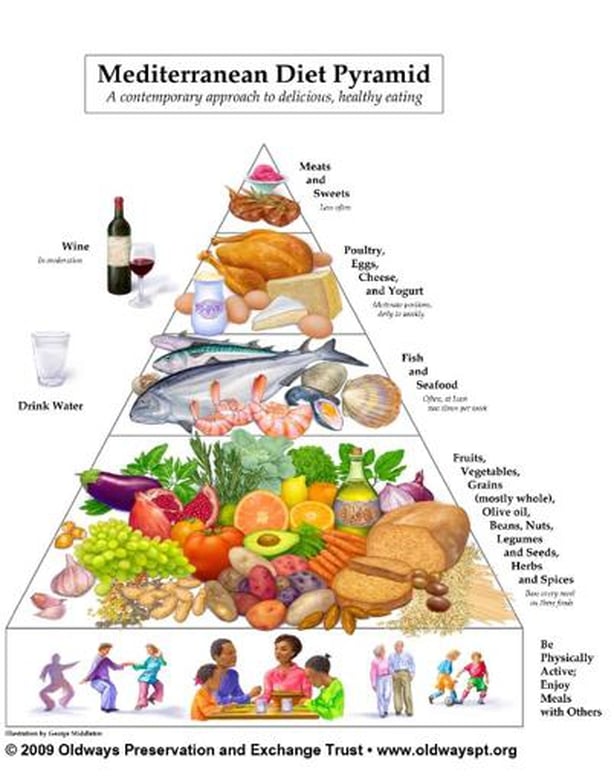
This leads to a second important point. How would we use the concept of food processing in public-health advice? Can we advise people to remove all processed foods from their diet? The answer is no. Existing dietary guidelines – the food pyramid – provide adequate advice. Eat fruit and vegetables, choose wholegrain foods, avoid processed meats, avoid high fat, sugar, salty foods. Should we make this more complex and include advice about processing? I would say no.
Avoiding processed foods is a luxury requiring cost, time and know-how that only some can afford. Importantly, demands to remove or reduce food processing are also likely to make food production and consumption less sustainable, at a time when we need to consider how we support a growing global population with smarter food production and processing. Rather than demonise processed foods we should work together to make foods on our shelves as healthy as possible, including through proven reformulation programmes targeting nutrients such as sugar, fat and salt.
Is food processing bad for you? No, but some processed foods are, and some not – likely due to nutrient content, not whether they were made in a factory. It’s about balance: eat more of what is good for you and minimise what is not. What strikes me in this debate is we can’t look at food with such simplicity to say food processing is good or bad. I wish I had a simple answer, but it’s not a simple question.
= = = = = = = =
Eileen Gibney is professor of nutrition at University College Dublin, and director of the UCD Institute of Food and Health. She recently oversaw the completion and publication of a book her father Mike Gibney was writing before his death, In Defence of Bread, about ultra-processed foods and the problematic science that underpins the public-health advice related to them.