Showing posts with label cardiovascular diseases. Show all posts

Thursday, 22 October 2026

New publication by our team


Nutraceutical potential of caprine milk products: emerging cardiometabolic health perspectives


Highlights

  • •
    Caprine dairy products are a rich source of bioactive peptides and lipids.
  • •
    Emerging evidence suggests cardiometabolic and anti-inflammatory benefits.
  • •
    Robust, adequately powered trials are needed to establish health associations.

Abstract

Recent research trends indicate that dairy products may have several cardiometabolic health benefits, contrary to previous beliefs. 
Epidemiological studies, including the Prospective Urban Rural Epidemiology (PURE) study, have associated greater than 2 servings of overall dairy/day with a 22% lower relative risk of major CVD events versus non consumers. 
In this context, moderate consumption of dairy product has increased over the years due to their purported nutritional value. 
While considerable research has focused on bovine milk products and their development into cardiometabolic functional foods and nutraceuticals, there has been an effort to expand into goat dairy product research. 
Goat dairy products are widely consumed in the Mediterranean, Middle Eastern, and African nations, which has been associated with favourable health outcomes such as improvements in inflammatory markers, blood pressure, and glycaemic response. 
These effects are attributed to goat’s milk components including peptides and bioactive lipids exhibiting potential anti-inflammatory and cardioprotective effects in experimental studies.
 However, human studies are limited with clinical studies generally involving fewer than 60 participants, which remains a major gap in the literature. 
Goat’s milk and dairy products are growing in popularity in Europe and North America beyond their artisan product status. Despite their popularity, research on goat dairy products has lagged behind bovine dairy research. 
This narrative review critically appraises the emerging research on the nutritional value of goat dairy products and their potential use in functional foods and nutraceuticals for cardiometabolic health.

Tuesday, 20 October 2026

High-density lipoprotein cholesterol and all-cause mortality by sex and age: a prospective cohort study among 15.8 million adults


A Korean Study of 15 Million People Just Blew a Hole in the “Lower LDL Is Always Better”

Story Imagine tracking almost 15 million adults for nearly nine years and counting every death from heart disease and stroke. That’s exactly what Korean researchers did with 14.9 million people who weren’t even taking cholesterol drugs. What they found doesn’t match the simple message that “the lower your LDL, the safer you are.” Instead, the risk formed a U-shape. People with very low LDL died more often from cardiovascular causes, people with very high LDL also died more often, and the sweet spot sat right in the middle.

For overall cardiovascular death the lowest risk landed between about 90 and 149 mg/dL. Below that range or well above it, deaths went up. The pattern changed depending on the exact problem. For heart attacks and blocked arteries the best zone was lower (around 70–114 mg/dL). For some types of brain bleeds the risk kept falling only when LDL stayed higher. In plain terms, driving LD as low as possible protected against one kind of death while raising the risk of others.

When the scientists looked only at the higher range (100 to 300 mg/dL) they still saw a clear rise in heart-attack deaths as LDL climbed. Each jump of about 40 mg/dL raised the chance of dying from ischemic heart disease by roughly 26 percent. But that rise was weaker in women and in older adults than in younger men. Even people in their late 70s and early 80s still showed some extra risk from higher LDL for heart attacks and ischemic strokes, yet the overall picture never became “lower is always safer.”

The study is huge, it followed real people instead of just guessing from lab tests, and it only looked at folks who were not already on statins. That makes the U-shape harder to wave away. Doctors still treat high LDL when people already have heart disease or several risk factors, because the top end of the curve is real. But the data also show that pushing every healthy adult toward rock-bottom LDL numbers is not free. Too low carried its own price in this massive population.

The takeaway is simple and uncomfortable: LDL cholesterol is not a one-way street. In nearly 15 million Koreans the safest zone for dying of cardiovascular disease was not the lowest number on the lab report. Both extremes cost lives. That single finding from one of the largest studies ever done keeps forcing the same awkward question—how low is actually low enough, and for whom?


= = =

Our comment:

see my latest book:

Preventing Inflammation and Cardiovascular Diseases

How Food Polar Lipids Can Reduce Inflammation

Monday, 31 August 2026

Πώς η διατροφή, μέσα από ένα καρδιο-νευρικό άξονα, συνδέει καρδιαγγειακές και νευροεκφυλιστικές ασθένειες. Ο ρόλος του ελαιολάδου.


Η διατροφή και ειδικά η Μεσογειακή διατροφή, με σημαντικό ρόλο στο ελαιόλαδο, μπορεί να αποτελεί και τον συνδετικό κρίκο των καρδιαγγειακών νοσημάτων και των νευροεκφυλιστικών ασθενειών


Tου Κωνσταντίνου Α Δημόπουλου

Ομότιμου Καθηγητή Βιοχημείας και Χημείας Τροφίμων, Τμήματος Χημείας, ΕΚΠΑ

Πηγή

= = = = = = =

Τα τελευταία χρόνια υπάρχει έντονη ερευνητική δραστηριότητα και γίνονται πολλές συζητήσεις για την επίδραση της διατροφής στα καρδιαγγειακά νοσήματα αλλά και στις νευροεκφυλιστικές ασθένειες. Πέρα από την υπεύθυνη ενημέρωση, αναδεικνύοντας τον ρόλο και την σημασία του ελαιολάδου (που αποτελεί  βασικό συστατικό της Μεσογειακής διατροφής), με σχετικά άρθρα στο olivenews.gr και στο περιοδικό Ελιά & Ελαιόλαδο, το θέμα αυτό συζητήθηκε και στο επιτυχές Συνέδριο της Επιστημονικής Εταιρείας Εγκυκλοπαιδιστών Ελαιοκομίας – 4Ε με τίτλο «Ελαιοκομικός Τομέας: Προβλήματα και Προοπτικές» που έγινε στο Γεωπονικό Πανεπιστήμιο Αθηνών, στις 11 & 12 Ιουνίου 2026.

Συγκεκριμένα στην Ενότητα 5η «Οι ευεργετικές δράσεις του ελαιολάδου στην υγεία» αναπτύχθηκαν τα θέματα αυτά από ειδικούς επιστήμονες-ομιλητές  και αναφέρθηκαν  στην συζήτηση με το κοινό που ακολούθησε. Στην Ενότητα αυτή  ακούστηκε και η άποψη ότι η διατροφή και ειδικά η Μεσογειακή διατροφή, έχει ευεργετική επίδραση στα καρδιαγγειακά νοσήματα και στις νευροεκφυλιστικές ασθένειες, αλλά μπορεί να αποτελεί και τον συνδετικό κρίκο των δύο αυτών ασθενειών, δηλαδή των καρδιαγγειακών νοσημάτων και των νευροεκφυλιστικών ασθενειών, με σημαντικό ρόλο στο ελαιόλαδο.

Η επιβεβαίωση της άποψης αυτής έρχεται από το πρόσφατο άρθρο που προέκυψε από την συνεργασία Ιρλανδικών Πανεπιστημίων με Πανεπιστήμια άλλων χωρών και δημοσιεύτηκε στο διεθνές επιστημονικό περιοδικό Frontiers in Nutrition αυτό το καλοκαίρι με τίτλο: «Targeting the cardio–neuro axis through nutrition: inflammatory mechanisms linking cardiovascular and neurodegenerative diseases» («Στόχευση του καρδιο-νευρικού άξονα μέσω της διατροφής: φλεγμονώδεις μηχανισμοί που συνδέουν καρδιαγγειακές και νευροεκφυλιστικές ασθένειες»).


Σε αυτό το άρθρο αναφέρεται ότι τα μη μεταδοτικά νοσήματα, ιδιαίτερα τα καρδιαγγειακά νοσήματα και οι νευροεκφυλιστικές ασθένειες, παραμένουν οι κύριες αιτίες παγκόσμιας νοσηρότητας και θνησιμότητας. Αν και παραδοσιακά μελετώνται μεμονωμένα, η συσσώρευση στοιχείων υποδεικνύει ότι αυτές οι παθήσεις μοιράζονται κοινούς βιοχημικούς μηχανισμούς, δηλαδή είναι διασυνδεδεμένες μέσω κοινών βιοχημικών οδών, που περιλαμβάνουν την χρόνια συστηματική φλεγμονή, την ενδοθηλιακή δυσλειτουργία και τον μη σωστά ρυθμισμένο μεταβολισμό των λιποειδών.

Επομένως, οι ασθένειες αυτές αν και παραδοσιακά θεωρούνταν ξεχωριστές κλινικές οντότητες, στο άρθρο αυτό προτείνουν έναν καρδιο-νευρικό άξονα στον οποίο οι αγγειακές και νευροεκφυλιστικές διεργασίες αλληλοεπιδρούν, παρέχοντας με τον τρόπο αυτόν ένα πλαίσιο για την κατανόηση τού πώς οι διατροφικές συνθήκες επηρεάζουν τόσο την καρδιαγγειακή όσο και την εγκεφαλική υγεία καθ’ όλη τη διάρκεια της ζωής. Καταλήγοντας στο συμπέρασμα ότι μια σωστή διατροφή σε ένα ενοποιημένο καρδιο-νευρολογικό πλαίσιο νωρίτερα στη ζωή, μπορεί να προσφέρει μια στρατηγική βασισμένη σε επιστημονικά δεδομένα για τη μείωση των μη μεταδοτικών αυτών ασθενειών καθ’ όλη τη διάρκεια της ζωής.

Τέλος, εστιάζουν στα λιποειδή που από μελέτες έχει αποδειχθεί ότι εμπλέκονται στις τρείς αυτές κοινές βιοχημικές οδούς (φλεγμονή, ενδοθηλιακή δυσλειτουργία, επιβλαβής μεταβολισμός λιποειδών του αίματος) που συμβαίνουν τόσο στα καρδιαγγειακά νοσήματα όσο και στις νευροεκφυλιστικές ασθένειες και κάνουν ιδιαίτερη μνεία στον Παράγοντας Ενεργοποίησης Αιμοπεταλίων (Platelet Activating Factor, PAF) ο οποίος εμπλέκεται και στις τρείς κοινές βιοχημικές οδούς που  αναφέρθηκαν παραπάνω. Δηλαδή, ο παράγοντας αυτός εμπλέκεται στην φλεγμονή (αφού είναι ο ισχυρότερος λιποειδικός φλεγμονώδης παράγοντας), στην πρόκληση  ενδοθηλιακής δυσλειτουργίας (αφού προκαλεί την ενεργοποίηση των ενδοθηλιακών κυττάρων, διεργασία που προκαλεί την ενδοθηλιακή δυσλειτουργία) και στην πρόκληση μη σωστά ρυθμισμένου μεταβολισμού των λιποειδών του αίματος (αφού αυξάνει το οξειδωτικό στρες, κύριο παράγοντα πρόκλησης παραγωγής επιβλαβών οξειδωμένων λιποειδών στο αίμα). Έτσι εξηγεί και την ευεργετική δράση των αναστολέων του PAF που υπάρχουν στα τρόφιμα.

Το θέμα αυτό της ύπαρξης αναστολέων  του PAF στα Μεσογειακά τρόφιμα και κυρίως στο ελαιόλαδο (στο οποίο έχουν μελετηθεί περισσότερο), αναπτύχθηκε στις ομιλίες και αναφέρθηκε στην επακολουθείσα συζήτηση στην Ενότητα 5η «Οι ευεργετικές δράσεις του ελαιολάδου στην υγεία» του Συνεδρίου της 4Ε.

Είναι μία ακόμα φορά που το ελαιόλαδο αναδεικνύεται με επιστημονικά δεδομένα σαν σημαντικό συστατικό της διατροφής για την προστασία ή/και θεραπεία από διάφορες ασθένειες.

Tuesday, 18 August 2026

Our MSc team for Academic year 2025/26


                                                Nikhil Yekkelli (l) and Nyjo Thankachan  (r)


Over the past few weeks, I was blessed to work with two great Scientists on two exciting projects.

Nikhil created a novel approach (using AI) for the management of CVD and diabetes.

Nyjo studied the effect of Sous Vide, Grilling & Frying on the Polar Lipid Fractions of Irish

Atlantic Mackerel.

Great work, guys! Onwards and upwards!


Thursday, 30 July 2026

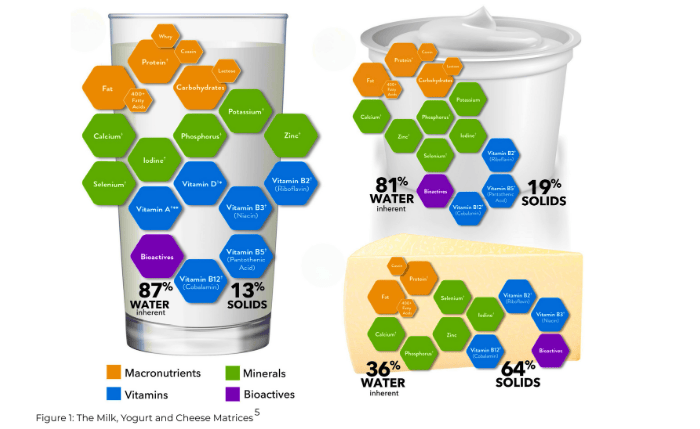
The dairy food matrix and its role in future diets from an Irish perspective: An invited review


The picture is from here. Exploring the Power of the Food Matrix in Health Outcomes

= = = = = =

This is a topical paper on the food matrix.

Abstract

Background

Dairy foods are a rich source of nutrients such as protein, calcium, iodine and riboflavin, which are important for biological processes and health. Several of these nutrients have been highlighted as nutrients of concern, with suboptimal intakes reported globally. In Ireland, the dairy food category is a key contributor to these nutrients; however, suboptimal intakes are observed in some subpopulations which may have longer term health implications. Current dietary guidelines recommend ~3 dairy servings/day with low-fat varieties often recommended, as dairy fat contains >60% saturated fat which has been linked to elevated cholesterol concentrations and increased cardiovascular disease risk. However, more recent evidence indicates full-fat dairy foods may have neutral or beneficial effects on cardiovascular health, including lipid and glucose metabolism, blood pressure and anthropometry.

Aim

This article reviews the published evidence linking the dairy food matrix and health, with a focus on the Irish perspective and future diets.

Major Findings

The dairy food matrix, the interaction of dairy food structures and the nutrients contained within, is thought to influence this relationship. Several mechanisms of action have been described that may act in concert, including insoluble calcium soap formation, fat globule size, bioactive compounds such as polar lipids, as well as probiotics from the fermentation process during cheese and yogurt manufacture. Furthermore, the debate around the full-fat and low-fat dairy and health is an emerging topic, particularly in relation to food-based dietary guidelines. However, while the impact of dairy food intake on human health has received much attention, current and future research and practice must also consider environmental and planetary health.

Implications

As a rich source of several nutrients important for health and with the potential for improved environmental metrics across the food system, dairy has an important role to play in future, sustainable diets, both in Ireland and globally.

= = = 

Our comments on this : dairy fats have no impact on CVD as we are writing here.

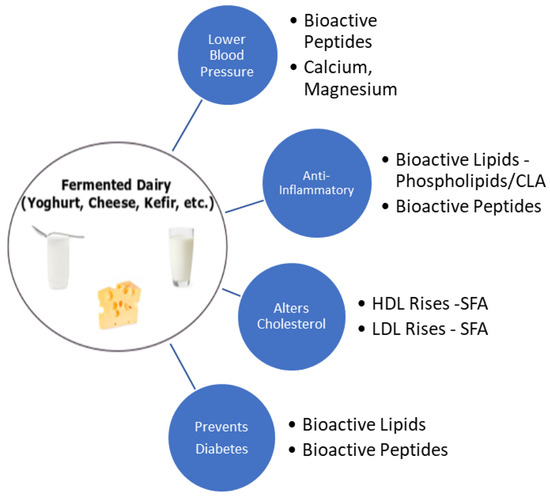
 In general, evidence suggests that milk has a neutral effect on cardiovascular outcomes but fermented dairy products, such as yoghurt, kefir and cheese may have a positive or neutral effect. Particular focus is placed on the effects of the lipid content on cardiovascular health.

= = =

Our opinion on this topic is here.
The Abstract of my paper is this:

Abstract

Milk and dairy products have been consumed for thousands of years and their impact against chronic diseases has been extensively studied. However, there is no clear understanding yet of the link of dairy lipids (e.g. triglycerides, polyunsaturated fatty acids and phospholipids) with inflammation and how the food matrix impacts this link. Fermented dairy products (e.g. yoghurt, kefir, cheese) have strong anti-inflammatory activities and these activities are discussed here in relation to the structures of their lipids and the food matrix. Dairy lipids are particularly effective against a number of diseases that develop over a number of years and coined as chronic diseases (i.e. cardiovascular diseases, cancer, stroke, high blood pressure, obesity, metabolic syndrome and diabetes mellitus type 2). Today there is some understanding as to the underlying mechanisms of how dairy lipids inhibit chronic diseases, the biochemical pathways that are involved in the development of chronic diseases and also on how to control them and ultimately inhibit them. The role of dairy lipids against the onset and development of these diseases is vital and it is discussed here. This article addresses the lack of a clear link between dairy lipids, food matrix and chronic diseases and suggests ways of future research.


= = =


Wednesday, 15 January 2025

The long‐term intake of milk fat does not significantly increase the blood lipid burden in normal and high‐fat diet‐fed mice

 source

Abstract

After 10 weeks of feeding C57BL/6J mice with a normal diet (ND) or a high‐fat diet (HFD), a 7‐week intervention with milk fat and whole milk was conducted to assess their long‐term effects on host blood lipid levels. The results showed that milk fat and whole milk did not significantly elevate low‐density lipoprotein cholesterol (LDL‐C) in either ND‐ or HFD‐fed mice. In ND mice, milk fat and whole milk improved gut microbiota diversity and Amplicon Sequence Variants. Key bacterial genera, such as Blautia, Romboutsia, and Prevotellaceae_NK3B31_group, were identified as bidirectional regulators of LDL‐C and high‐density lipoprotein cholesterol (HDL‐C). Six unique metabolites were also linked to LDL‐C and HDL‐C regulation. Furthermore, an optimized machine learning model accurately predicted LDL‐C (R² = 0.96) and HDL‐C (R² = 0.89) based on gut microbiota data, with 80% of the top predictive features being gut metabolites influenced by milk fat and whole milk. These findings indicate that the long‐term intake of milk fat does not significantly increase the blood lipid burden, and machine learning algorithms based on gut microbiota and metabolites offer novel insights for early lipid assessment and personalized nutrition strategies.

Saturday, 2 November 2024

New book: Preventing Inflammation and Cardiovascular Diseases: How Food Polar Lipids Can Reduce Inflammation


If you have a family member or a friend who suffers from Cardiovascular Diseases (CVD) and is taking statins, this book may be a valuable Christmas gift. I write about the need to personalise our diet and our exercise pattern.

We can fight CVD but don't expect miracles overnight. At the same time, nutrition bodies around the world need to change their dietary guidelines. Food must be our medicine and our greengrocer can become our pharmacist!


- - -

Book description


18 million deaths annually worldwide are due to cardiovascular diseases (CVD); this renders CVD the most severe pandemic that we must face. This book aims to fill a gap in the literature on how flawed our approach is to prevent and treat CVD.

Our current practice, which focuses on attacking only the cholesterol using statins, is both short-sighted and ineffective. A different approach is suggested in this book, regarding personalised lifestyle and diet choices. Such an approach focuses on the chronic inflammation which causes the formation of thrombus in our arteries, which is the first step to the onset of CVD.

All scientific jargon has been left out and the relevant scientific literature is presented in an easy to follow and understandable way. This book is useful to everyone who wishes to understand how we can prevent CVD without medication but instead through a healthy diet and lifestyle choices.


Author's bio

Ioannis Zabetakis is a food chemist with considerable academic experience and a passion for developing novel functional feeds, foods and nutraceuticals to help prevent or tackle cardiovascular diseases. His academic career spans over twenty-five years, working with the University of Leeds (UK), University of Athens (Greece) and University of Limerick (Ireland). His research focuses on how food lipids can inhibit the aggregation of platelets.

Ioannis has been either the co-author or editor of ten scientific books so far (seven in Greek and three in English) and has published over 110 scientific papers (Scopus index h=36). He also holds two patents. This book is his first monograph written in a lay-reader-friendly language.

Ioannis believes that the statin approach against cardiovascular diseases does not work. He is, therefore, an advocate of a healthy and personalised lifestyle and diet choices that can reduce cardiovascular risk. His philosophy is presented in this book.


Monday, 30 September 2024

the moon is bright on both sides if you ...read only a part of scientific literature


 With some interest and a lot of surprise I read this paper


The differential effects of eicosapentaenoic acid and docosahexaenoic acid on cardiovascular risk factors: an updated systematic review of randomized controlled trials


The authors have selectively discussed the positive effects of omega-3 acids on biomarkers related with Cardiovascular risk(CR) and the development of Cardiovascular Diseases (CVD) but they ignored the studies that had showed negative impact on CVD.

They have avoided the CV and CVD topic and they focused only to other biomarkers that the studies they present had a positive impact.

However, their paper is the bright side of the moon (i.e. omega-3 fatty acids and heart health).

BUT, what about the dark side of the moon as described here ?

Yannis Zabetakis

Tuesday, 19 March 2024

Intermittent fasting ‘could raise risk of fatal heart disease’

 source: the Times


Scientists tracking 20,000 people find higher cardiovascular risk in those who eat only in an eight-hour window


Diets in which people eat only during an eight-hour daily window and fast for the rest of the day may be linked to an increased risk of death from heart attacks and strokes, scientists have claimed.

Intermittent fasting has been endorsed by celebrities including Jennifer Aniston, Hugh Jackman, Kourtney Kardashian and Scarlett Johansson.

Research has linked it to short-term improvements in blood pressure, blood sugar and cholesterol.

However, long-term outcomes have now been explored in one of the first studies of its kind. After tracking about 20,000 adults in the United States, it found that those who said they ate within an eight-hour window were nearly twice as likely to die of heart attacks or strokes, compared with those who said they spread meals and snacks across 12 to 16 hours.

The researchers stressed that the results must be treated with caution, as this kind of study cannot prove cause and effect. They also had very limited information on the participants’ eating habits.

One limitation was that the volunteers who took part were only asked about their eating patterns on two days, and it was assumed that they followed the same schedule for several years. However, other experts said follow-up studies would be valuable as the “striking” results challenged widely held assumptions.

“We had expected that long-term adoption of eight-hour time-restricted eating would be associated with lower risk of cardiovascular death,” said Professor Victor Wenze Zhong of the Shanghai Jiao Tong University School of Medicine, senior author of the research. “We were surprised to find that compared to people whose eating duration was 12 to 16 hours, those who restricted their eating time to within eight hours per day had higher risk of cardiovascular death and did not live longer.”

He said his team had controlled for factors that might have skewed the results, such as the age of the participants, as well as income, body mass index, smoking, drinking and blood pressure. However, it is still possible that something other than the timing of meals was behind the effect.

Duane Mellor, a senior lecturer at Aston Medical School in the UK who was not involved in the study, said that some people, including night shift workers, were forced to eat at certain times. “Some people might be doing this [time-restricted eating] for health reasons [which may mean they were in worse shape to start with], while for others it’s due to stressful work environments or poverty, which are both risk factors for cardiovascular death,” Mellor said.

Christopher Gardner, a professor of medicine at Stanford University in California who was also not part of the research, agreed that more work was needed. He said: “Overall, this study suggests that time-restricted eating may have short-term benefits but long-term adverse effects.”

One theory would be that people eat fewer calories but continue eating junk food. “The short window of time-restricted eating … may help people cut back on calories and lose weight. However, if the calories that are being consumed are of low dietary quality, this might possibly lead to long-term adverse outcomes,” Gardner added.

Zhong told The Times his team had observed that people who reported eating in an eight-hour period had less lean muscle mass. “Loss of lean body mass has been linked to higher risk of cardiovascular mortality,” he said. “Other mechanisms linking eight-hour time-restricted eating with cardiovascular morality require further investigations. This will be an exciting research question, but we really do not know much right now.”

The study looked at about 20,000 adults with an average age of 49 when it began. They were tracked for as long as 17 years, and for a median of eight years; 840 died of heart attacks and strokes.

Those who reported eating all their food across less than eight hours a day had a 91 per cent higher risk of death from these cardiovascular causes, according to results due to be presented to a conference of the American Heart Association in Chicago this week.

Time-restricted eating did not reduce the overall risk of death from any cause. “Our study’s findings encourage a more cautious, personalised approach to dietary recommendations,” Zhong said.

Not so fast: if you feel the benefits, don’t ditch the diet just yet
By Rhys Blakely

Besides being endorsed by a multitude of celebrities, fasting diets have this going for them: people seem to find them relatively easy to stick to.

You can typically eat whatever you want, with no limits on calories, as long as meals are restricted to certain times, say between 12pm and 8pm.

Studies have suggested that people can lose weight by following these rules, probably because they end up consuming less food, and that they can help patients with type 2 diabetes control blood sugar levels.

One piece of research found that healthy men who fasted during the Islamic holy month of Ramadan, for about 16 hours a day, had an altered gut microbiome by the end, with higher levels of a beneficial bacterium that has been linked with a lower risk of cancer and inflammatory bowel disease, and improved heart health and mental health. In another trial, fasting for 15 to 16 hours each day for a month led to lower blood pressure in patients whose readings had been dangerously high.

But these studies, while intriguing, had something in common: they found short-term outcomes in small numbers of participants.

The latest research is one of the first to try to explore what time-restricted eating might mean if people kept it up for many years. Its strengths are that it looked at a relatively large number of people and followed them for a long time (eight years was the median average). But it has important limitations, including that it has not yet been peer reviewed and that the 20,000 people who took part were only asked about when they ate for two days. We don’t know whether those who reported time-restricted eating continued with it throughout the study.

The participants were part of a national nutritional survey that is representative of the US population, notes Tom Sanders, professor emeritus of nutrition at King’s College London. But if they were regularly fasting, we don’t know if they’d made a voluntary choice to do so. “It is likely that individuals reporting time-restricted eating may be working anti-social hours (eg truck drivers, security personnel, health professionals, night workers). This is important because there is evidence that this type of working practice is associated with increased risk of type 2 diabetes and cardiovascular disease,” he said. It’s possible that some were put on strict diets by their doctors because they’d been in poor physical shape, which might explain why they were more likely to die of heart attacks and strokes.

It is also plausible that for avoiding cardiovascular disease, many small meals really are better than a few large ones. “Large increases in blood fats and glucose result after big meals,” Sanders said. These postprandial surges can damage the lining of blood vessels and increase the level of blood clotting factors, he added.

For now, though, there’s no solid evidence to say you should ditch intermittent fasting if it’s helping you to maintain a healthy weight and you feel good doing it. It can be exasperating to hear scientists conclude that more research is needed, but in this case it’s true.


Monday, 26 February 2024

Most things you’ve heard about eating meat are wrong, say Irish scientists

Risks are associated with eating too much meat but some nutritional claims are based on flawed data, say two of Ireland’s leading food and diet specialists

 From the Irish Times

A series of studies on the health impact of eating red and processed meats had a seismic impact on dietary advice across the world over the past seven years. Other studies published since have exposed their flaws, yet they continue to be at the forefront of global nutrition policy.

Reports from EAT-Lancet Commission on Food, Planet, Health, published in 2019, and from the Global Burden of Diseases (GBD) Risk Factors Collaborators in papers dating from 2017 were most influential in prompting the shift.

The message was clear: A 2020 GBD study found nearly 900,000 deaths worldwide in 2019 were caused by consumption of red meat, making it the fifth-largest dietary risk factor. Recommendations called for dramatic reductions or total exclusion of animal-source foods, particularly red meat and dairy from the human diet.

They suggested these dietary shifts would not only benefit human health but also planetary health – it was hailed as shaping “the diet of the future” – as red meat was an inherently harmful food. The only problem is that much of this research has been shown to be flawed, lacking transparency in how conclusions were reached, and yet it continues to be central to dietary advice of policymakers and health organisations.

Two of Ireland’s leading food and diet specialists, Prof Alice Stanton of the Royal College of Surgeons in Ireland and Prof Patrick Wall of University College Dublin have led international efforts to have the studies corrected. Their motivation, they say, is the health consequences of flawed data amid continuing “misinformation” about meat diets.

When they see adverse nutritional claims associated with meat, they regard this as more ammunition for their cause. But many of these nutritional claims are based on flawed science

—  Prof Patrick Wall

In her latest paper published in npj Science of Food this month, Stanton details “unacceptable use of substandard metrics in policy decisions which mandate large reductions in animal-source foods”.

In short, major studies recommending plant-based diets are based on bad data and incorrect assumptions, she says. The 2020 GBD study underestimated the importance of it being easier for bodies to take in proteins and micronutrients from meat than plant-based food. The EAT-Lancet report “would not meet nutritional requirements for adults”, she adds.

Stanton points to influential groups which contend that animal-source foods and particularly red meat cause heart attacks, stroke and cancers, especially those groups advocating for “an almost completely plant-based diet”, when some plant-based diets would cause nutritional deficiencies including anaemia – especially among under-fives, women of childbearing age and older people.

She highlights strong evidence that unprocessed red meat delivers the most vitamin B12 intake in human diets, while delivering key compounds for metabolism. Going vegan means some women need iron supplements, she says, while many older people need the high-quality protein and key minerals that meat provides in protecting against osteoporosis, dementia and fragility.

Stanton, an expert in cardiovascular therapeutics, acknowledges possible risks from excess consumption of meat, ie more than five times a week, “but there are considerably greater risks from dramatic reductions or exclusion of meat, dairy, fish and eggs”. Equally, those risks could be due to an unbalanced diet or high consumption of calories. With evidence around excessive consumption of red meat being “extremely uncertain”, it shouldn’t be used to guide policy decisions, she says.

Wall, a former head of the Food Safety Authority of Ireland (FSAI) and chairman of the European Food Safety Authority, is concerned by the extent to which flawed science is circulated and incorporated into nutrition advice. He accepts many people are against meat for animal welfare reasons or because of the environmental impact of livestock production, “which are valid concerns”.

But he draws the line with dietary advice: “When they see adverse nutritional claims associated with meat, they regard this as more ammunition for their cause. But many of these nutritional claims are based on flawed science.”

Equally, he questions the validity of some contentions when it comes to nature in crisis. “There is a lot of talk about a plant-based diet as healthier for us and for the planet. However, given the biodiversity crisis we are currently experiencing, partly as a result of all the agrochemicals we are currently using, there is no talk of the need for safer plant protection products or GMO [genetically modified organism] disease-resistant crops that will not require sprays,” he notes.

Stanton accepts “there are extremes at either end of the debate”, but is grateful their position is increasingly acknowledged by “really influential scientific groups”, though the reports – principally in the Lancet – remain uncorrected. She and five other leading researchers, including Wall, detailed flaws in a 2021 letter which was published nine months later.

They forced an acknowledgment, she says, on the lack of evidence that consuming unprocessed red meat was causing hundreds of thousands of deaths.

They asked for the evidence that red meat consumption was causing deaths in such high numbers. They were told a future report would acknowledge errors. This was published another nine months later. While the basis for those conclusions was not outlined, there was a comprehensive article with new figures saying a person could eat up to 200g a day – ie, a small steak – with no evidence it would cause harm.

Yet the 2019 figures remain uncorrected, Stanton says, and other researchers are still using that data. It is influencing international guidelines on diet from the World Wildlife Fund and nutritional advice in Nordic countries. “It’s continuing to influence policymakers – and it’s worrying.”

The World Health Organisation has highlighted weaknesses in the research. HSE advice through the FSAI recommends a maximum of 75g of red and processed meat daily. This allows for consumption three to four times a week, which Stanton regards as “reasonable” as part of a balanced diet.

The NHS in the UK advises beef, lamb and pork are good sources of protein and can form part of a balanced diet, but eating more than 90g daily can raise the risk of bowel cancer.

The GBD study did not take into account the contribution of moderate meat consumption towards nutrient adequacy, Stanton says.

In response, the Lancet group said: “The GBD 2019 Article, EAT-Lancet Commission on Food, Planet, Health, and Lancet Countdown on health and climate change reports, were each published following independent, external peer-review.”

“Scientific discussion and debate are an important part of the scientific process, and the Lancet journals welcome responses from readers and the wider scientific community to content published in the journals,” it added.

A vegetarian does not eat animal flesh such as meat, poultry or fish. A vegan diet is a stricter one, avoiding dairy, eggs and ingredients derived from animals. According to US National Institutes of Health, in most cases vegetarian diets are beneficial in prevention and treatment of diseases, such as cardiovascular disease (CVD), hypertension, diabetes, cancer, osteoporosis, renal disease and dementia, as well as diverticular disease, gallstones and rheumatoid arthritis.

The American Health Association advises “diets rich in animal-based and minimally processed plant foods are associated with poor and optimal cardiovascular health, respectively”. This explains why CVD rates are much higher in Western countries, where intake of animal-based foods is 140 per cent more than dietary recommendations, while intake of raw plant foods is relatively low. However, there is a scarcity of studies specifically exploring benefits of plant-based diets.

Stanton acknowledges food production and consumption contribute to the world’s climate and biodiversity crises, being responsible for about a third of greenhouse gas emissions. Conversion of natural ecosystems to agricultural land has been deemed “the largest threat to species extinction”.

So there is a need “to transform our food system so that all have access to healthy diets, while at the same time safeguarding the planet’s health”. How that is achieved induces intense debate – to what extent does food production, processing, distribution, retailing and consumption have to change? Many researchers say dietary shift is critical, “but rather than recommending moderation of consumption patterns, they require considerable reductions, or even total exclusion of animal-source foods”.

Stanton concludes: “It’s really important that health professionals, doctors, nutritionists and policymakers are aware of this discussion.”


Wednesday, 31 January 2024

Fasting for 24 hours between meals could lower diabetes risk


Regular periods of fasting where you leave 24 hours between meals could reduce your risk of diseases such as diabetes and Alzheimer’s, a Cambridge study suggests.

Researchers have found that leaving a full day between meals can reduce levels of harmful inflammation in the body by boosting production of a key fatty acid, suggesting that routine fasting sessions could boost your health.

Fasting diets have grown in popularity in recent years, with claims that they are effective as a means of weight loss, as a way of keeping the body’s cells healthy, and even as a way of boosting productivity.

It emerged this week that the prime minister, Rishi Sunak, fasts for 36 hours at the start of every week as part of a “balanced lifestyle”, arguing that it then allows him to indulge his “weakness for sugary things” for the rest of the week.

It has long been suspected that the human body is not well suited, in evolutionary terms, to the modern habit of constant snacking and grazing throughout the day. Instead, it is thought that our bodies are better adapted to the dietary routine of our hunter-gatherer ancestors, who were likely to have eaten fewer meals with much longer gaps in between.


the rest of the article @ The Times, here.


“We’re very interested in trying to understand the causes of chronic inflammation in the context of many human diseases, and in particular the role of the inflammasome [molecules that activate inflammatory responses],” said Clare Bryant from Cambridge’s department of medicine.

“What’s become apparent over recent years is that one inflammasome in particular — the NLRP3 inflammasome — is very important in a number of major diseases such as obesity and atherosclerosis, but also in diseases like Alzheimer’s and Parkinson’s diseases, many of the diseases of older-age people, particularly in the western world.”


(...)

Scientists wanted to find out why fasting seems to reduce inflammation. They studied a group of 21 volunteers, asking them to eat a 500-calorie meal, fast for 24 hours, and then eat another 500-calorie meal.

The results, published in the journal Cell Reports, found that this 24-hour fast increased the levels of a fatty acid called arachidonic acid. These levels then dropped again once the participants ate another meal.

The researchers tested the effect of this acid on immune cells in a laboratory and found that arachidonic acid reduced the activity of the NLRP3 inflammasome linked with harmful inflammation.

“This provides a potential explanation for how changing our diet — in particular by fasting — protects us from inflammation, especially the damaging form that underpins many diseases related to a western high-calorie diet,” Bryant said.


Friday, 15 December 2023

Cardiovascular diseases are the most common cause of death worldwide


Source: Our World in Data

Cardiovascular diseases are the most common cause of death worldwide

This chart shows what people died from globally in 2019. Each box represents a cause of death, and the size of each box is proportional to the number of deaths it caused.

As you can see, heart diseases and other are the most common causes of death, responsible for a third of all deaths globally, a total of around 18 million.

Cardiovascular diseases are part of a larger group of diseases called non-communicable diseases, which are shown in blue in the visualization. These are diseases that tend to develop gradually over time and can’t be passed on to other people, and also includes cancers, chronic respiratory diseases, and other chronic diseases.

Taken together, these non-communicable diseases are the cause of around three-quarters of all deaths globally.

Tuesday, 14 November 2023

Would you like to talk SERIOUSLY about Cardiovascular Diseases?


If we want to talk SERIOUSLY about cardiovascular diseases (CVD), then, today's article in the Irish Times with the fancy title "Cardiovascular disease: The case for doing more on illness prevention, rather than just treatment" is quite short-sighted.

In a full page on the hard copy of the newspaper (I bought it today to keep it as it's my birthday today), we can read about lifestyle choices, about the role (or rather non-role) of corporations and what we can do in order to decrease the CVD risk.

BUT

Cholesterol and inflammation are NOT mentioned at all!

Statins are NOT mentioned either (Statins have become one of the most widely prescribed medications in the world, with global sales estimated to be over $20 billion annually!). Maybe, talking about BIGPHARMA is a tabou term for the Irish Times, maybe...


The real cause of  CVD is inflammation and NOT cholesterol.


Hence, if we want to talk seriously about CVD, then we need to address all the factors that cause acute inflammation, e.g. smoking, air pollution (i.e. burning Polish coal in open fires, chemical additives in the food chain and ....chemotherapy).

(more on this, you can read in chapters 3,6,7,8 and 9 in this book)

Till then, we can wonder... : Quo Vadis Irish Times?

Wednesday, 19 April 2023

Marine-Derived Compounds Applied in Cardiovascular Diseases: Submerged Medicinal Industry


Abstract

Cardiovascular diseases (CVDs) are among the most impactful illnesses globally. Currently, the available therapeutic option has several side effects, including hypotension, bradycardia, arrhythmia, and alteration in different ion concentrations. Recently, bioactive compounds from natural sources, including plants, microorganisms, and marine creatures, have gained a lot of interest. Marine sources serve as reservoirs for new bioactive metabolites with various pharmacological activities. The marine-derived compound such as omega-3 acid ethyl esters, xyloketal B, asperlin, and saringosterol showed promising results in several CVDs. The present review focuses on marine-derived compounds’ cardioprotective potential for hypertension, ischemic heart disease, myocardial infarction, and atherosclerosis. In addition to therapeutic alternatives, the current use of marine-derived components, the future trajectory, and restrictions are also reviewed.


the full paper is here.

Secction 5 of the paper:

5. Marine Lipid Bioactive Compounds with Potent Cardio-Protective Properties

Omega-3 polyunsaturated fatty acids (PUFA), carotenoids, lipid vitamins, and polar lipid bioactives from fish sources have been shown to have potent biological effects against inflammation and CVDs [157]. Fish is a good source of bio-functional marine polar lipids (PL), rich in n-3 PUFA, and have powerful antithrombotic, anti-inflammatory, and cardio-protective properties. The amphiphilic features of bioactive fish PL, such as several phospholipids and glycolipids bearing n-3 PUFA in their structure, resulted in a significant increase in the bioavailability of n-3 PUFA content [157]. It has been demonstrated that n-3 PUFA-rich fish lowers the incidence of inflammation-related CVDs. Additionally, it has anti-inflammatory and anti-thrombotic characteristics and transports n-3 PUFA to different bodily organs more effectively than triglycerides [158]. In addition to n-3 PUFA, other fish-lipid bioactive nutrients such as fish carotenoids, lipid vitamins A, D, and E, and polar fish lipids (glycolipids and phospholipids) have also shown anti-thrombotic, anti-inflammatory, and antioxidant, cardioprotective effects and reduced CVD risk [158,159]. Polar lipid fractions of sea bass (Dicentrarchus labrax) and gilthead sea bream (Sparus aurata) treated with fish feed enhanced with olive pomace showed powerful antithrombotic properties [160]. The cold-water marine fish cod (Gadus morhua) is a major source of fat-soluble vitamins, EPA and DHA, and high-quality protein. Cod is a lean fish that maintains its fat reserves in the liver as triacylglycerols. It has been reported to possess cardioprotective effects against atherosclerosis and platelet aggregation [161]. Sardines (Sardina pilchardus) are a significant Mediterranean commercial fish that reserves fats in the tissue as triacylglycerols. Sardines have shown a potent cardioprotective effect against platelet aggregation or PAF-induced platelet aggregation [162]. Microalgae are abundant sources of bioactive lipids, including polar lipids and omega-3 and -6 PUFA, which have strong anti-inflammatory properties in CVDs [163].
It has been shown that dietary polar lipids of marine origin can either directly inhibit PAF-binding on a particular cell membrane receptor for PAF or indirectly influence the phospholipid microenvironment in those membranes. These lipids could also prevent PAF production, bringing blood PAF levels to homeostatic levels, which has several anti-inflammatory and anti-atherogenic health effects for cardiovascular [159]. Spirulina-extracted lipid substances, including lipid extracts, phycocyanin protein, phycocyanobilin (PCB), polysaccharides (PS), and bioactive lipid fractions have shown strong cardioprotective effects such as antithrombotic and anti-PAF in washed rabbit platelets stimulated by PAF and thrombin [164]. Gilthead sea bream (Sparus aurata) polar lipids have shown an anti-atherosclerotic effect via modulation of PAF metabolism and decreasing activity and levels of PAF in the blood [165]. Phosphatidylcholine (PC) is the most predominant phospholipid (PL) found in marine sources such as mackerel, rainbow trout, tuna, and salmon, followed by phosphatidylethanolamine (PE). Krill (Euphausia superba) oil (KO), a prominent source of marine PLs, show a protective effect on heart failure by reducing heart remodeling [166]. KO increases the amount of n-3 PUFA in the myocardial tissue and reduces the risk of left ventricular (LV) remodeling when taken before myocardial infarction (MI) induction [167]. It also shows a cardioprotective effect by improving blood lipids in dyslipidemia [166]. Marine carotenoids are important bioactive substances with physiological effects connected to the protection of chronic illnesses such as CVDs. These chronic illnesses, including CVDs, have been caused by oxidative stress and inflammation [168]. The dietary supplement, astaxanthin, a xanthophyll carotenoid, is an effective anti-inflammatory and antioxidant in the CVD model. Astaxanthin has been used in human clinical research to evaluate its bioavailability, safety, and clinical features related to oxidative stress and inflammation in CVDs, and no negative consequences were found [118].
Vitamins A and E are abundant in shark liver oil and possess important bio-functionalities, cardio-protective, and antioxidant effects. Their antioxidant effects protect the body against free radicals [157]. Vitamin D and its derivatives, mainly paricalcitol, have shown powerful anti-thrombotic and anti-inflammatory effects against thrombotic PAF and inflammatory-related pathways [169]. Vitamin D insufficiency has been related to greater mortality and CVD incidence via several mechanisms, including the activation of the renin-angiotensin-aldosterone system, oxidative stress, altered inflammatory pathways, and aberrant nitric oxide regulation [170]. Vitamin E has anti-inflammatory, anti-thrombotic, and antioxidant properties. Its antioxidant properties lower the incidence of CVDs by preventing LDL oxidation [157]. Vitamin E or fish oil was proven to reduce atherosclerosis in rabbits with high cholesterol [82]. Fish oil and n-3 PUFA have been adversely linked to higher levels of LDL cholesterol as well as a possible increase in LDL oxidizability owing to unfavorable lipid changes, overcome by vitamin E co-supplementation, which promotes anti-atherogenic lipid modifications and overall cardiovascular protection, including elevated HDL(2)-cholesterol levels, lowered postprandial lipemia, decreased triacylglycerol-rich lipoprotein levels, and lowered remnant levels [171].

Thursday, 27 October 2022

dairy fats and CVD


Four years, we had published this paper on dairy fats and CVD.

Cardiovascular diseases (CVD) remain a major cause of death and morbidity globally and diet plays a crucial role in the disease prevention and pathology. The negative perception of dairy fats stems from the effort to reduce dietary saturated fatty acid (SFA) intake due to their association with increased cholesterol levels upon consumption and the increased risk of CVD development. Institutions that set dietary guidelines have approached dairy products with negative bias and used poor scientific data in the past. As a result, the consumption of dairy products was considered detrimental to our cardiovascular health. In western societies, dietary trends indicate that generally there is a reduction of full-fat dairy product consumption and increased low-fat dairy consumption. However, recent research and meta-analyses have demonstrated the benefits of full-fat dairy consumption, based on higher bioavailability of high-value nutrients and anti-inflammatory properties. In this review, the relationship between dairy consumption, cardiometabolic risk factors and the incidence of cardiovascular diseases are discussed. Functional dairy foods and the health implications of dairy alternatives are also considered. In general, evidence suggests that milk has a neutral effect on cardiovascular outcomes but fermented dairy products, such as yoghurt, kefir and cheese may have a positive or neutral effect. Particular focus is placed on the effects of the lipid content on cardiovascular health. 


two weeks ago, this paper was published:

Dietary Fats and Cardio-Metabolic Outcomes in a Cohort of Italian Adults


Results: After adjustment for potential confounding factors, individuals reporting higher intakes of total and saturated fats were associated with lower likelihood of having hypertension (odds ratio (OR) = 0.57, 95% CI: 0.35, 0.91 and OR = 0.55, 95% CI: 0.34, 0.89, respectively). Moreover, higher intake of short-chain saturated fatty acids (SCSFAs) and medium-chain saturated fatty acids (MCSFAs) was inversely associated with dyslipidemia and diabetes (OR = 0.43, 95% CI: 0.23, 0.82 and OR = 0.25, 95% CI: 0.09, 0.72, respectively). Among MUFAs, C18:1 was inversely associated with hypertension and diabetes (OR = 0.52, 95% CI: 0.30, 0.92 and OR = 0.21, 95% CI: 0.07, 0.67, respectively), while C14:1 intake was inversely associated only with hypertension (OR = 0.57, 95% CI: 0.37, 0.88). In contrast, C20:1 intake was associated with dyslipidemia (OR = 3.35, 95% CI: 1.33, 8.42). Regarding PUFA, C18:2 and 20:5 were inversely associated with hypertension (OR = 0.33, 95% CI: 0.18, 0.60 and OR = 0.30, 95% CI: 0.10, 0.89, respectively). Conclusions: The consumption of SFA does not seem to be harmful to cardio-metabolic health and, on the contrary, SCSFA may exert beneficial effects. Further studies are needed to clearly validate the results of the present study.


= = =

This is another development that shows that dairy fats do not pose a cardiovascular risk!