Showing posts with label PAF. Show all posts

Monday, 31 August 2026

Πώς η διατροφή, μέσα από ένα καρδιο-νευρικό άξονα, συνδέει καρδιαγγειακές και νευροεκφυλιστικές ασθένειες. Ο ρόλος του ελαιολάδου.


Η διατροφή και ειδικά η Μεσογειακή διατροφή, με σημαντικό ρόλο στο ελαιόλαδο, μπορεί να αποτελεί και τον συνδετικό κρίκο των καρδιαγγειακών νοσημάτων και των νευροεκφυλιστικών ασθενειών


Tου Κωνσταντίνου Α Δημόπουλου

Ομότιμου Καθηγητή Βιοχημείας και Χημείας Τροφίμων, Τμήματος Χημείας, ΕΚΠΑ

Πηγή

= = = = = = =

Τα τελευταία χρόνια υπάρχει έντονη ερευνητική δραστηριότητα και γίνονται πολλές συζητήσεις για την επίδραση της διατροφής στα καρδιαγγειακά νοσήματα αλλά και στις νευροεκφυλιστικές ασθένειες. Πέρα από την υπεύθυνη ενημέρωση, αναδεικνύοντας τον ρόλο και την σημασία του ελαιολάδου (που αποτελεί  βασικό συστατικό της Μεσογειακής διατροφής), με σχετικά άρθρα στο olivenews.gr και στο περιοδικό Ελιά & Ελαιόλαδο, το θέμα αυτό συζητήθηκε και στο επιτυχές Συνέδριο της Επιστημονικής Εταιρείας Εγκυκλοπαιδιστών Ελαιοκομίας – 4Ε με τίτλο «Ελαιοκομικός Τομέας: Προβλήματα και Προοπτικές» που έγινε στο Γεωπονικό Πανεπιστήμιο Αθηνών, στις 11 & 12 Ιουνίου 2026.

Συγκεκριμένα στην Ενότητα 5η «Οι ευεργετικές δράσεις του ελαιολάδου στην υγεία» αναπτύχθηκαν τα θέματα αυτά από ειδικούς επιστήμονες-ομιλητές  και αναφέρθηκαν  στην συζήτηση με το κοινό που ακολούθησε. Στην Ενότητα αυτή  ακούστηκε και η άποψη ότι η διατροφή και ειδικά η Μεσογειακή διατροφή, έχει ευεργετική επίδραση στα καρδιαγγειακά νοσήματα και στις νευροεκφυλιστικές ασθένειες, αλλά μπορεί να αποτελεί και τον συνδετικό κρίκο των δύο αυτών ασθενειών, δηλαδή των καρδιαγγειακών νοσημάτων και των νευροεκφυλιστικών ασθενειών, με σημαντικό ρόλο στο ελαιόλαδο.

Η επιβεβαίωση της άποψης αυτής έρχεται από το πρόσφατο άρθρο που προέκυψε από την συνεργασία Ιρλανδικών Πανεπιστημίων με Πανεπιστήμια άλλων χωρών και δημοσιεύτηκε στο διεθνές επιστημονικό περιοδικό Frontiers in Nutrition αυτό το καλοκαίρι με τίτλο: «Targeting the cardio–neuro axis through nutrition: inflammatory mechanisms linking cardiovascular and neurodegenerative diseases» («Στόχευση του καρδιο-νευρικού άξονα μέσω της διατροφής: φλεγμονώδεις μηχανισμοί που συνδέουν καρδιαγγειακές και νευροεκφυλιστικές ασθένειες»).


Σε αυτό το άρθρο αναφέρεται ότι τα μη μεταδοτικά νοσήματα, ιδιαίτερα τα καρδιαγγειακά νοσήματα και οι νευροεκφυλιστικές ασθένειες, παραμένουν οι κύριες αιτίες παγκόσμιας νοσηρότητας και θνησιμότητας. Αν και παραδοσιακά μελετώνται μεμονωμένα, η συσσώρευση στοιχείων υποδεικνύει ότι αυτές οι παθήσεις μοιράζονται κοινούς βιοχημικούς μηχανισμούς, δηλαδή είναι διασυνδεδεμένες μέσω κοινών βιοχημικών οδών, που περιλαμβάνουν την χρόνια συστηματική φλεγμονή, την ενδοθηλιακή δυσλειτουργία και τον μη σωστά ρυθμισμένο μεταβολισμό των λιποειδών.

Επομένως, οι ασθένειες αυτές αν και παραδοσιακά θεωρούνταν ξεχωριστές κλινικές οντότητες, στο άρθρο αυτό προτείνουν έναν καρδιο-νευρικό άξονα στον οποίο οι αγγειακές και νευροεκφυλιστικές διεργασίες αλληλοεπιδρούν, παρέχοντας με τον τρόπο αυτόν ένα πλαίσιο για την κατανόηση τού πώς οι διατροφικές συνθήκες επηρεάζουν τόσο την καρδιαγγειακή όσο και την εγκεφαλική υγεία καθ’ όλη τη διάρκεια της ζωής. Καταλήγοντας στο συμπέρασμα ότι μια σωστή διατροφή σε ένα ενοποιημένο καρδιο-νευρολογικό πλαίσιο νωρίτερα στη ζωή, μπορεί να προσφέρει μια στρατηγική βασισμένη σε επιστημονικά δεδομένα για τη μείωση των μη μεταδοτικών αυτών ασθενειών καθ’ όλη τη διάρκεια της ζωής.

Τέλος, εστιάζουν στα λιποειδή που από μελέτες έχει αποδειχθεί ότι εμπλέκονται στις τρείς αυτές κοινές βιοχημικές οδούς (φλεγμονή, ενδοθηλιακή δυσλειτουργία, επιβλαβής μεταβολισμός λιποειδών του αίματος) που συμβαίνουν τόσο στα καρδιαγγειακά νοσήματα όσο και στις νευροεκφυλιστικές ασθένειες και κάνουν ιδιαίτερη μνεία στον Παράγοντας Ενεργοποίησης Αιμοπεταλίων (Platelet Activating Factor, PAF) ο οποίος εμπλέκεται και στις τρείς κοινές βιοχημικές οδούς που  αναφέρθηκαν παραπάνω. Δηλαδή, ο παράγοντας αυτός εμπλέκεται στην φλεγμονή (αφού είναι ο ισχυρότερος λιποειδικός φλεγμονώδης παράγοντας), στην πρόκληση  ενδοθηλιακής δυσλειτουργίας (αφού προκαλεί την ενεργοποίηση των ενδοθηλιακών κυττάρων, διεργασία που προκαλεί την ενδοθηλιακή δυσλειτουργία) και στην πρόκληση μη σωστά ρυθμισμένου μεταβολισμού των λιποειδών του αίματος (αφού αυξάνει το οξειδωτικό στρες, κύριο παράγοντα πρόκλησης παραγωγής επιβλαβών οξειδωμένων λιποειδών στο αίμα). Έτσι εξηγεί και την ευεργετική δράση των αναστολέων του PAF που υπάρχουν στα τρόφιμα.

Το θέμα αυτό της ύπαρξης αναστολέων  του PAF στα Μεσογειακά τρόφιμα και κυρίως στο ελαιόλαδο (στο οποίο έχουν μελετηθεί περισσότερο), αναπτύχθηκε στις ομιλίες και αναφέρθηκε στην επακολουθείσα συζήτηση στην Ενότητα 5η «Οι ευεργετικές δράσεις του ελαιολάδου στην υγεία» του Συνεδρίου της 4Ε.

Είναι μία ακόμα φορά που το ελαιόλαδο αναδεικνύεται με επιστημονικά δεδομένα σαν σημαντικό συστατικό της διατροφής για την προστασία ή/και θεραπεία από διάφορες ασθένειες.

Tuesday, 18 February 2025

The year of hope: ‘Exciting’ advances achieved in search to reverse Alzheimer’s disease


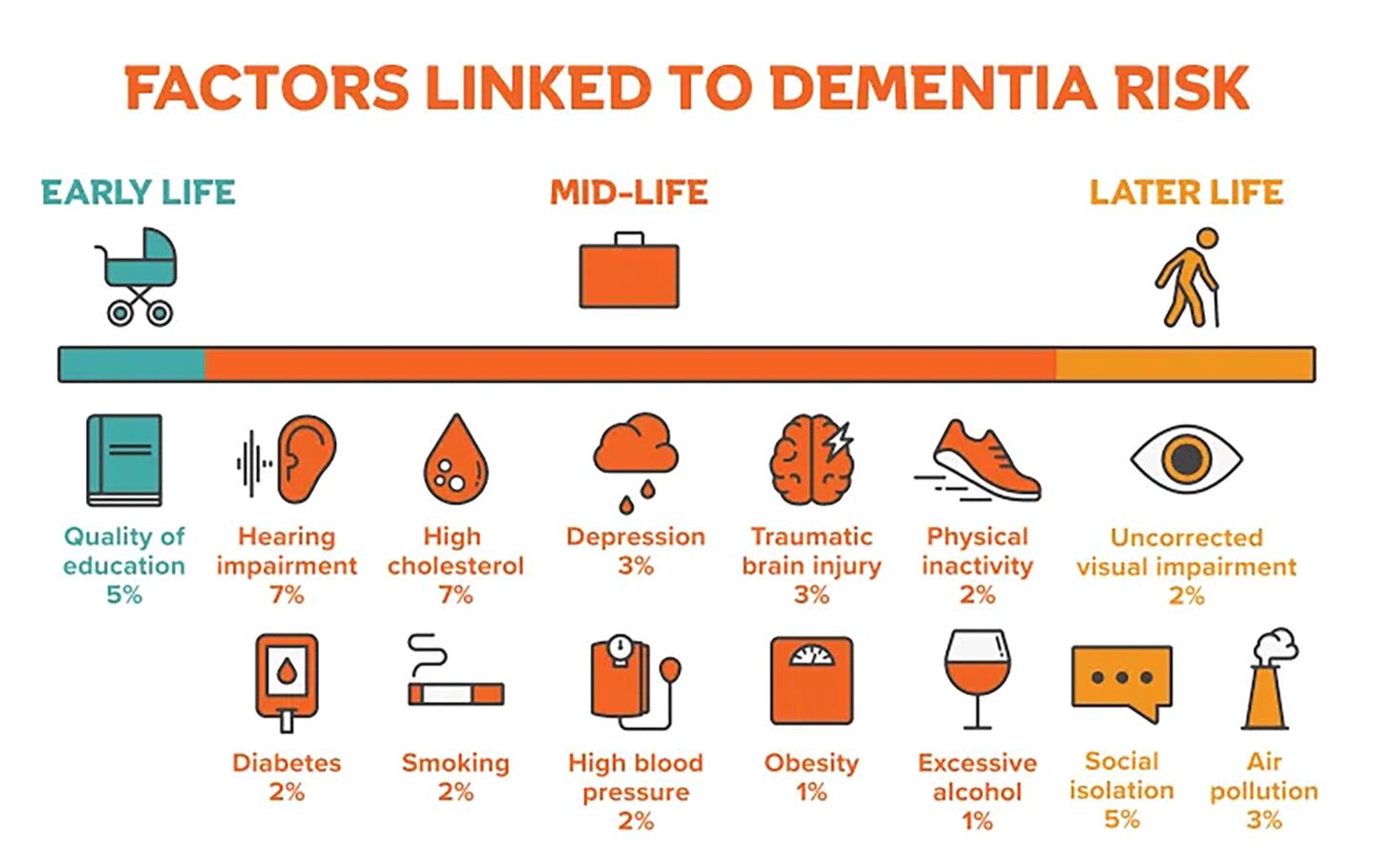
Factors linked to dementia. Graphic: UK Alzheimer’s Society 


from the Irish Times / the article is behind a paywall so you can read it here.

Merits of simple lifestyle changes to curb risk of dementia have never been so compelling


There may be no cure yet for Alzheimer’s disease, a leading cause of death in most developed countries including Ireland, but 2024 has brought a succession of breakthroughs.

They range across drugs reducing rogue proteins in the brain linked to the disease, blood tests enabling rapid and more accurate diagnosis, and growing evidence that specific lifestyle changes can reduce risk of Alzheimer’s by up to 50 per cent.

Geriatrician Prof Seán Kennelly, clinical lead in the Memory Assessment Clinic at Tallaght University Hospital, agrees these are “very exciting” advances.

He tries to avoid hype. “I’m always conscious that there are people who are living, and supporting the care of somebody, with dementia now – they’re at a stage whereby these treatments are probably not going to be effective.”

Tantalisingly, the breakthroughs bring us closer to reversing Alzheimer’s while evidence continues to emerge that something as simple as integrating a healthy lifestyle can reverse symptoms of the disease.

The biggest news for Kennelly is confirmation of the first medicine in 20 years for treating Alzheimer’s. “We finished the year with the recommendation from the European Medicines Agency (EMA) for Lecanemab ... this is the first medicine that we know removes this culprit protein – amyloid – which is responsible for causing Alzheimer’s disease.”

It is different from early treatments known as cognitive enhancers. “They didn’t alter trajectory of the illness. They really just helped with symptoms for a short period of time in a small number of people.”

We are moving into “a new era of chemotherapy” where it’s becoming like the treatment paradigm for cancer, he says. “It’s around timely and specific diagnosis, and we have new tests to help us diagnose Alzheimer’s disease ... and then delivery of medicines at earlier stages of the condition, because these proteins build up in the brain about 15 to 20 years before people have clinical symptoms.”

The EU is about to rule on licensing Lecanemab. Public reimbursement then arises in the national context, with a HSE process expected to be completed within a year. Analysis indicates 10 per cent of people who come through the memory clinic every year will benefit.

“These are like the first chemotherapies we would have had for cancer. They’re more dangerous than we’d like, and they’re less effective than we’d like.” Lecanemab is a drip administered every two weeks. Donanemab, which the EMA will adjudicate on shortly, is a monthly infusion. Soon injections under the skin mean people may not need to have infusions at all.

[ Nearly half of dementia cases could be prevented or delayed by addressing ‘14 modifiable risk factors’Opens in new window ]

The era of targeting these proteins at an early stage to minimise risk of Alzheimer’s progressing has started. The prospect of it becoming a managed condition, such as HIV or diabetes, is very real. “Five years ago that was pretty much unthinkable,” Kennelly says.

“As these new medicines become available for people with little or no symptoms, more people at that milder stage will start presenting,” he explains – which will push that 10 per cent upwards.

Since 2016, the clinic has been doing more than 200 CSF lumbar tests a year, numbing the lower back, extracting cerebrospinal fluid and measuring amyloid and tau – the culprit proteins – the main route to definitive diagnosis.

He expects a blood test will be available within two years. New blood tests are as good as the CSF test and more advanced imaging tests.

A blood test called pTau217 looks as accurate as the CSF test or amyloid PET scans. The FDA in the US has already approved some of these tests, while applications are with the EMA. They are much easier to do, while a PET scan costing €2,500 are not as successful and require radiation.

As with cancer treatment, you need to have “accurate biology” to start chemotherapy. “That’s why these two streams of better diagnosis happening alongside better treatment potentials is what has a lot of excitement for what is in the developed world probably the main cause of illness as we grow older now.”

Better management of dementia will bring wide-scale benefits, Kennelly predicts. “Dementia is the common thread of frailty as we get older. It’s the main predictor somebody will have difficulty managing in their own home. It’s the main reason why people end up going into nursing homes ... why people have falls when they grow older, why they have incontinence.”

The life expectancy of somebody born in 2021 is about 105 years of age by current evidence “but we have this health span gap between the length of time people are healthy versus the length of time they’re living” – and the main cause nowadays is dementia.

“What we know is an 80-year-old today is 40 per cent less likely to develop or have dementia than an 80-year-old 40 years ago. But we have so many more 80-year-olds now.”

While innovation is moving quickly, many are still in the early stages of real-world application, says Dr Laura O’Philbin, research and policy manager at the Alzheimer Society of Ireland.

“Amid this excitement, we must also remember the 64,000 people already living with dementia in Ireland, who need services and supports to live as well as possible for as long as possible,” she adds.

[ The demon dementia has made me uncertain about the net benefit of being around my motherOpens in new window ]

“Nobody is stopping the fight to try and find better treatments for people with advanced symptoms,” Kennelly states, but most of the good news this year and most of these new treatments are going to be focused on that group of people who don’t have significant symptoms.”

He often says “this is the best news people didn’t know they needed, because many of the people who will probably benefit from them don’t know that these proteins are building up in their brain – and have no symptoms right now”.

The merits of simple lifestyle changes to curb risk of dementia, and its most common form, Alzheimer’s disease, have never been so compelling but the range of advice can seem overwhelming.

“About 40 to 50 per cent of all of our risk for developing dementia is modifiable. So people do have power to alter that risk,” says Kennelly.

Fortunately, the Lancet Commission on Dementia provides clarity. It gathers 27 of the world’s leading dementia specialists to distil evidence and update advice. Its latest report published in July confirmed almost half of dementia cases worldwide can be prevented or delayed.

Its finding that far more cases could be avoided or delayed than previously thought was seismic. The modifiable risk factors, starting in childhood and continuing throughout life, could prevent or delay 45 per cent of dementia cases, even as people live longer, it concluded.

Healthy lifestyles involving regular exercise, not smoking, cognitive activity in midlife – including outside formal education – and avoiding excess alcohol can lower risk but may also push back dementia onset.

“There is much more that millions of people could and should do to reduce the risk of dementia. Many people around the world believe dementia is inevitable but it’s not,” said lead author Prof Gill Livingston.

There is stronger evidence that longer exposure to risk has a greater effect, yet it shows it’s never too early or late to take action.

Their report adds two risk factors associated with 9 per cent of dementia cases. About 7 per cent of cases are linked to high low-density lipoprotein (LDL) – or “bad” cholesterol – in midlife from about the age of 40, while 2 per cent of cases are attributable to untreated vision loss in later life.

The new risk factors are in addition to 12 identified in 2020. They are lower levels of education; hearing impairment, high blood pressure, smoking, obesity, depression, physical inactivity, diabetes, excessive alcohol consumption, traumatic brain injury, air pollution and social isolation.

Age and genetics, however, remain the biggest risk factors for dementia, while women are more likely to get the disease.

Kennelly helps run Ireland’s first brain health clinic for people with mild memory symptoms which helps with behavioural changes by providing a support infrastructure. “So how do you get to exercise? What is the best diet? How do you get to a best diet? How do you improve your social network? We check their vision and hearing. [It] emphasises the whole potential to prevent dementia.”

In explaining to patients, he compares the approach to SSIAs – the savings scheme in which the State topped up deposits by individuals – “in that later investment offers and brings a better value outcome. We know that doing this later in life, actually you get an even amplified effect because your risk is so much higher”.

“So people doing all the good stuff at 40 is a good thing ... if you stop doing it at 50, you’re still accruing risk at that stage whereas if we can really get people at the age of 60 into doing more exercise, better diets, better social connectivity, getting their eyesight and their hearing checked.”

Hearing loss is a big risk factor, Kennelly underlines. “And people won’t be aware of it because your brain will always tell you your hearing is fine. You can’t hear what you haven’t heard. So you have to get these things formally checked by a third party.”

And there is “really strong evidence” for a 40 per cent reduction in risk of developing dementia with the shingles vaccine, he adds – the same for the flu vaccine. By turning down the immune system or inflammatory response within the body, vaccination seems to be very effective at reducing risk, though the effect is not fully understood.

The shingles vaccine costs about €500, but given the health dividend, Kennelly says the cost should be fully reimbursed in Ireland – as it is in the UK.

It is never too early or too late to start thinking about our brain health and taking early steps to reduce our risk of dementia, says Dr Laura O’Philbin of the Alzheimer Society of Ireland. While there is no one specific method or treatment proven to prevent dementia, there are lifestyle changes we can make and strategies we can adopt to lower our risk.

However, she adds, brain health is not just about individual choice as it is intrinsically linked to social inequalities. “Factors such as poverty, ethnicity, and geographic location significantly impact access to education, healthcare, and air quality, all of which influence dementia risk.”


= = = = 

In UL, with my research team, we have started working on this topic. One of our latest publication is this one:

Polar lipids modify Alzheimer’s Disease pathology by reducing astrocyte pro-inflammatory signaling through platelet-activating factor receptor (PTAFR) modulation.


Background

Pro-inflammatory processes triggered by the accumulation of extracellular amyloid beta (Aβ) peptides are a well-described pathology in Alzheimer's disease (AD). Activated astrocytes surrounding Aβ plaques contribute to inflammation by secreting proinflammatory factors. While astrocytes may phagocytize Aβ and contribute to Aβ clearance, reactive astrocytes may also increase Aβ production. Therefore, identifying factors that can attenuate astrocyte activation and neuroinflammation and how these factors influence pro-inflammatory pathways is important for developing therapeutic and preventive strategies in AD. Here, we identify the platelet-activating factor receptor (PTAFR) pathway as a key mediator of astrocyte activation. Intriguingly, several polar lipids (PLs) have exhibited anti-inflammatory protective properties outside the central nervous system through their inhibitory effect on the PTAFR pathway. Thus, we additionally investigated whether different PLs also exert inhibitory effects on the PAF pathway in astrocytes and whether their presence influences astrocytic pro-inflammatory signaling and known AD pathologies in vitro.

Methods

PLs from salmon and yogurt were extracted using novel food-grade techniques and their fatty acid profile was determined using LC/MS. The effect of PLs on parameters such as astrocyte activation and generation of oxygen species (ROS) was assessed. Additionally, effects of the secretome of astrocytes treated with these polar lipids on aged neurons was measured.

Results

We show that PLs obtained from salmon and yogurt lower astrocyte activation, the generation of reactive oxygen species (ROS), and extracellular Aβ accumulation. Cell health of neurons exposed to the secretome of astrocytes treated with salmon-derived PLs and Aβ was less affected than those treated with astrocytes exposed to Aβ only.

Conclusion

Our results highlight a novel underlying mechanism, why consuming PL-rich foods such as fish and dairy may reduce the risk of developing dementia and associated disorders.


Tuesday, 10 October 2023

an interesting research paper

The association between dietary quality scores with C-reactive protein and novel biomarkers of inflammation platelet-activating factor and lipoprotein-associated phospholipase A2: a cross-sectional study 


Abstract 

Healthy dietary patterns are associated with lower inflammation and cardiovascular disease (CVD) risk and adherence can be measured using diet quality scores. Inflammation is traditionally measured with C-reactive protein (hsCRP), however there is interest in novel pro-inflammatory markers platelet-activating factor (PAF) and lipoprotein-associated phospholipase A2 (Lp-PLA2) that are specifically involved in endothelial dysfunction and inflammation. This cross-sectional study investigated the association between PAF, Lp-PLA2, hsCRP, and six diet scores. One hundred adults (49 ± 13 years, 31% male) with variable CVD risk were recruited. Fasting PAF, Lp-PLA2 and hsCRP and usual dietary intake were measured. Adherence to Dietary Approaches to Stop Hypertension (DASH), Dairy-adjusted DASH, Vegetarian Lifestyle Index, Healthy Eating Index for Australians (HEIFA), Mediterranean Diet Adherence Screener (MEDAS) and PREDIMED-Plus (erMedDiet) scores were calculated. Correlations and multiple regressions were performed. hsCRP, but not PAF, independently correlated with several diet scores. Lp-PLA2 independently correlated with Vegetarian Lifestyle Index only in unadjusted models. A one-point increase in adherence to the DASH Index, the Dairy-adjusted DASH Index and the Vegetarian Lifestyle Index was associated with a 30%, 30%, and 33% reduction in hsCRP levels, respectively. Smaller effects were seen with the other diet scores with a one-point increase in adherence resulting in a 19%, 22% and 16% reduction in hsCRP with HEIFA, MEDAS, erMedDiet scores, respectively. The lack of stronger associations between the novel markers of inflammation and diet scores may be due to confounding by COVID-19 infection and vaccination programs, which prevents any firm conclusion on the relationship between PAF, Lp-PLA2 and healthy dietary patterns. Future research should aim to examine the relationship with these novel markers and healthy dietary patterns in a non-pandemic setting. 

Keywords: Biomarker; COVID-19; Cardiovascular diseases; Diet Quality; Diet healthy; Diet vegetarian; Dietary approach to stop hypertension; Inflammation. 

© 2023. BioMed Central Ltd., part of Springer Nature. 


= = = = = =

our comment: the fundamental weak point of this paper is that monitoring of following up a diet is difficult to measure...


Thursday, 20 October 2022

new paper from our group: Targeting the Platelet-Activating Factor Receptor (PAF-R): Antithrombotic and Anti-Atherosclerotic Nutrients

Rajendran H, Hans S, Stanton JE, Grabrucker AM, Lordan R, Zabetakis I (2022) Targeting the Platelet-Activating Factor Receptor (PAF-R): antithrombotic and anti-atherosclerotic nutrients. Nutrients 14(20) 4414. 

Platelet-activating factor (PAF) is a lipid mediator that interacts with its receptor (PAF-R) to carry out cell signalling. However, under certain conditions the binding of PAF to PAF-R leads to the activation of pro-inflammatory and prothrombotic pathways that have been implicated in the onset and development of atherosclerotic cardiovascular diseases (CVD) and inflammatory diseases. Over the past four decades, research has focused on the identification and development of PAF-R antagonists that target these inflammatory diseases. Research has also shown that dietary factors such as polar lipids, polyphenols, and other nutrient constituents may affect PAF metabolism and PAF-R function through various mechanisms. In this review we focus on the inhibition of PAF-R and how this may contribute to reducing cardiovascular disease risk. We conclude that further development of PAF-R inhibitors and human studies are required to investigate how modulation of the PAF-R may prevent the development of atherosclerotic cardiovascular disease and may lead to the development of novel therapeutics.

the full paper is here.

Monday, 28 March 2022

α-Hederin inhibits the platelet activating factor-induced metastasis of HCC cells through disruption of PAF/PTAFR axis cascaded STAT3/ MMP-2 expression

α-Hederin inhibits the platelet activating factor-induced metastasis of HCC cells through disruption of PAF/PTAFR axis cascaded STAT3/ MMP-2 expression.

Linna Cao, Yiwei Zhang, Jinxia Mi, Zhanhao Shi, Zhaoqin Fang, Dongwei Jia, Zhiqiang Pan Peike Peng

Pharmacological Research 178 (2022) 106180.

https://doi.org/10.1016/j.phrs.2022.106180

            Πρόσφατα (11/3/2022) στο επιστημονικό περιοδικό Pharmacological Research δημοσιεύτηκε η εργασία Κινέζων επιστημόνων (από δύο Πανεπιστήμια και ένα Ερευνητικό κέντρο της Σαγκάης) που αναφέρεται σε νέες στρατηγικές που υποδεικνύουν νέο πιθανό φάρμακο για την θεραπεία του ηπατοκυτταρικού καρκινώματος. Στη δημοσίευση αυτή επισημαίνεται ότι η μετάσταση παραμένει ένα κρίσιμο εμπόδιο στην κλινική θεραπεία του ηπατοκυτταρικού καρκινώματος. Και επιπλέον ότι η έρευνα για πιθανές αντικαρκινικές ενώσεις από φαρμακευτικά βότανα που δρουν κατά της μετάστασης του ηπατοκυτταρικού καρκινώματος, παρουσιάζει ιδιαίτερο ενδιαφέρον.

            Στη συνέχεια αναφέρονται τα ακόλουθα: Η ένωση α-Hederin (που από χημική άποψη είναι μία τριτερπενοειδής σαπωνίνη) έχει αναφερθεί ότι παρουσιάζει κυτταροτοξικότητα για διάφορες καρκινικές κυτταρικές σειρές, προκαλώντας καταστροφή των μιτοχονδρίων των καρκινικών κυττάρων και θάνατο αυτών. Ωστόσο, λίγα είναι γνωστά για την ανασταλτική δράση της α-Hederin για τη μετάσταση του ηπατοκυτταρικού καρκινώματος και για τους μηχανισμούς που γίνεται αυτή. Στην εργασία αυτή, με τη βοήθεια γνωστών σύγχρονων και επιστημονικά αποδεκτών μεθόδων, διερευνήθηκαν οι πιθανοί τρόποι που δρα η α-Hederin, και τελικά επικεντρώθηκε η μελέτη στον υποδοχέα (PTAFR) του Παράγοντα Ενεργοποίησης των Αιμοπεταλίων (Platelet-Activating Factor, PAF). Είναι γνωστό από τη βιβλιογραφία ότι η ενεργοποίηση της δράσης της πορείας PAF/PTAFR συμβάλλει στην έναρξη και στην εξέλιξη του καρκίνου. Στην εργασία αυτή αποδεικνύεται, για πρώτη φορά διεθνώς, ότι μια μη τοξική ποσότητα της α-Hederin αναστέλλει σε πειραματόζωα την κυτταρική μετάσταση του ηπατοκυτταρικού καρκινώματος που προκαλείται από τον PAF, όπως και την πνευμονική μετάσταση. Επιπλέον, αποδεικνύεται ότι, όταν τα καρκινικά κύτταρα του ήπατος διεγείρονται από PAF, η α-Hederin (που είναι ένας αναστολέας του PAF) μειώνει την προκαλούμενη από τον PAF παραγωγή της μεταλλοπρωτεϊνάσης-2, λόγω της αναστολής της ενεργοποίησης της μετάδοσης του σήματος μέσω της πορείας STAT3 στα κύτταρα του ηπατοκυτταρικού καρκινώματος. Αυτά τα ευρήματα αναδεικνύουν μια νέα στρατηγική στην θεραπεία του ηπατοκυτταρικού καρκινώματος που υποδεικνύει μηχανισμούς που εμπλέκουν τον PAF. Τέλος, αποδεικνύει ότι o αναστολέας του υποδοχέα του PAF, η α-Hederin, μπορεί να χρησιμοποιηθεί ως υποψήφιο φάρμακο για την θεραπεία του ηπατοκυτταρικού καρκινώματος.

Στην εργασία τους αυτή γίνεται αναφορά (References  #18,21,38,39,59,62,63) σε 7 δημοσιευμένες σε διεθνή επιστημονικά περιοδικά εργασίες  μελών της Ελληνικής ερευνητικής ομάδας μελέτης του PAF, η οποία έχει δημιουργηθεί από τον Ομότιμο καθηγητή του ΕΚΠΑ  Κων. Α. Δημόπουλο. 

Ο PAF είναι ένας ισχυρός μεσολαβητής της φλεγμονής που εμπλέκεται σε πολλές φλεγμονώδους αιτιολογίας παθολογικές καταστάσεις όπως η αθηροσκλήρωση, οι καρδιαγγειακές, ηπατικές και νεφρικές παθήσεις, η αλλεργία, το AIDS κ.λπ. Ασκεί δε τις βιολογικές του δραστηριότητες μέσω υποδοχέα G-πρωτεϊνών. Η ανακάλυψη της χημικής δομής του PAF έχει γίνει από τον Κων. Α. Δημόπουλο όπως και η χημική σύνθεση του PAF. Από το 2009 η εν λόγω ομάδα δημοσίευσε για την εμπλοκή του PAF στην ανάπτυξη και μετάσταση του καρκίνου, όπως και στην ευεργετική δράση των αναστολέων του PAF και μάλιστα στην πιθανή ευεργετική δράση της Μεσογειακής δίαιτας, λόγω των αναστολέων του PAF που έχει αποδείξει η ομάδα ότι υπάρχουν στα τρόφιμα/γεύματα της Μεσογειακής δίαιτας. Η έρευνα της ομάδας σχετικά με τον καρκίνο συνεχίζεται κυρίως στην συνεισφορά νέων συμπλόκων ενώσεων με αντι-PAF και αντικαρκινική δράση.


Πηγή: α-Hederin inhibits the platelet activating factor-induced metastasis of HCC cells through disruption of PAF/PTAFR axis cascaded STAT3/ MMP-2 expression


Friday, 22 October 2021

The association between dietary patterns and the novel inflammatory markers platelet-activating factor and lipoprotein-associated phospholipase A2: a systematic review

 the full paper is here.

This is a study that supports our work on linking PAF to diet and specific food components.

============


Abstract

Context: Atherosclerosis is a disease of chronic inflammation. Recent research has identified 2 novel inflammatory biomarkers: platelet-activating factor (PAF) and lipoprotein-associated phospholipase A2 (Lp-PLA2). Diet has been proposed as a mediator of inflammation, but to date, the focus for these novel biomarkers has been on individual foods and nutrients rather than overall dietary patterns.

Objective: To systematically review the literature on the association between dietary patterns and PAF and Lp-PLA2.

Data sources: The PubMed, Embase, CINAHL, and Cochrane CENTRAL literature databases were searched.

Data analysis: Study quality was evaluated using the Quality Criteria Checklist. Sixteen studies (n = 4 observational and n = 12 interventional) were included and assessed for associations between dietary patterns and PAF and Lp-PLA2.

Conclusion: Study quality varied from neutral (n = 10) to positive (n = 6). Mediterranean, heart healthy, and vegetarian dietary patterns were associated with improved levels of PAF and Lp-PLA2. Conversely, Western dietary patterns were less favorable. A range of well-established, healthier dietary patterns may lower inflammation and the risk of atherosclerosis. More well-designed studies are needed to confirm these findings and identify other dietary patterns that improve inflammation.

Keywords: Lp-PLA2; PAF; cardiovascular disease; dietary patterns; inflammation; lipoprotein-associated phospholipase A2; platelet-activating factor.

Tuesday, 16 February 2021

New Paper from our group: Antithrombotic and antiplatelet activity of an organometallic rhodium(I) complex incorporating a substituted thieno‐[2,3‐d]‐pyrimidine ligand: Synthesis, structural characterization, and molecular docking calculations


 New paper just published in Appl. Organomet. Chem.

Abstract

The antiplatelet and antithrombotic activity of a novel organometallic rhodium(I) complex of the formula [Rh(cod)Cl(tpc)] (1) (cod = cis‐1,5‐cyclooctadiene; tpc = methyl 2‐amino‐4‐(diethylamino)‐thieno‐[2,3‐d]‐pyrimidine‐6‐carboxylate) was investigated. Complex 1 was easily synthesized by a one‐pot, high‐yield reaction and was fully characterized by standard spectroscopic techniques including FT‐IR, UV–Vis, and NMR spectroscopy and by elemental analysis. The molecular structures of tpc and 1 were determined by single‐crystal X‐ray crystallography. Complex 1 displayed a slightly distorted square planar geometry and is the first crystallographically characterized example of a coordination compound bearing the ligand precursor tpc. Biological studies demonstrate that 1 displays strong antiplatelet and antithrombotic properties in vitro, by inhibiting both the aggregation of human and washed rabbit platelets induced by the potent inflammatory and thrombotic mediator, platelet‐activating factor (PAF) in the micromolar range. This is an approach of continuous interest in the field. Molecular docking calculations suggest that 1 can fit at the ligand‐binding site of the PAF receptor (PAFR) and thus block PAF thrombotic activities, through an antagonistic effect on the PAF/PAFR‐related pathway, which is in accord with the experimental findings. Complex 1 constitutes an interesting example of a metal‐based PAF inhibitor with promising antiplatelet, antithrombotic, and anti‐inflammatory activity, because PAF is the most potent inflammatory lipid mediator. This is also supported by the fact that 1 is an inhibitor of other inflammatory and thrombotic mediators like thrombin, along with well‐established platelet agonists like ADP and collagen.

Tuesday, 3 December 2019

new paper from our team


During my BSc studies in the Univ of Athens, one of my teachers was Prof Constantinos Demopoulos. He taught me Biochemistry and his lectures made me wanting to combine Food Sci with Biochemistry.
When I got my lectureship in Leeds in 1998, we started collaborating on food lipids and PAF. We published our first paper in 2000, almost 20 years ago. Since then, we worked together in many projects all PAF-related, published many papers and a couple of patents and here we are today...
40 years after Constantinos' work on PAF.

The rest is in our paper below. The interesting links on the authorship of this paper are: Alexandros was a PhD student of Constantinos and Ronan did his PhD with me... A team with a combined PAF experience of 3/4 of a century...

Ioannis
= = = = = =


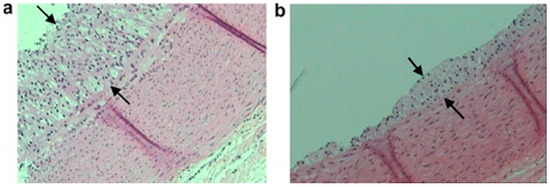
Representative optic micrographs ×100 of aortic wall sections stained with hematoxylin and eosin obtained from the two rabbit experimental groups. Atherosclerotic lesions appear as foam cells between the arrows. Each tissue sample was approximately 5 µm thick. (a) Group A (atherogenic diet) and (b) group B (atherogenic diet enriched with seabream polar lipids). Reproduced with permission from Nasopoulou et al. [220].


1
Department of Biological Sciences, University of Limerick, V94 T9PX Limerick, Ireland
2
Health Research Institute (HRI), University of Limerick, V94 T9PX Limerick, Ireland
3
Department of Chemistry, National and Kapodistrian University of Athens, Panepistimioupolis, 15771 Athens, Greece
*
Author to whom correspondence should be addressed.
Academic Editor: Ferdinando Nicoletti
Molecules 2019, 24(23), 4414; https://doi.org/10.3390/molecules24234414 (registering DOI)

 
In the late 1960s, Barbaro and Zvaifler described a substance that caused antigen induced histamine release from rabbit platelets producing antibodies in passive cutaneous anaphylaxis. Henson described a ‘soluble factor’ released from leukocytes that induced vasoactive amine release in platelets. Later observations by Siraganuan and Osler observed the existence of a diluted substance that had the capacity to cause platelet activation. In 1972, the term platelet-activating factor (PAF) was coined by Benveniste, Henson, and Cochrane. The structure of PAF was later elucidated by Demopoulos, Pinckard, and Hanahan in 1979. These studies introduced the research world to PAF, which is now recognised as a potent phospholipid mediator. Since its introduction to the literature, research on PAF has grown due to interest in its vital cell signalling functions and more sinisterly its role as a pro-inflammatory molecule in several chronic diseases including cardiovascular disease and cancer. As it is forty years since the structural elucidation of PAF, the aim of this review is to provide a historical account of the discovery of PAF and to provide a general overview of current and future perspectives on PAF research in physiology and pathophysiology. View Full-Text

Thursday, 7 February 2019

new paper from our team: The Potential Role of Dietary Platelet-Activating Factor Inhibitors in Cancer Prevention and Treatment

The Potential Role of Dietary Platelet-Activating Factor Inhibitors in Cancer Prevention and Treatment

Advances in Nutrition, nmy090, https://doi.org/10.1093/advances/nmy090
 
Published:05 February 2019

ABSTRACT

Cancer is the second leading cause of mortality worldwide. The role of unresolved inflammation in cancer progression and metastasis is well established. Platelet-activating factor (PAF) is a key proinflammatory mediator in the initiation and progression of cancer. Evidence suggests that PAF is integral to suppression of the immune system and promotion of metastasis and tumor growth by altering local angiogenic and cytokine networks. Interactions between PAF and its receptor may have a role in various digestive, skin, and hormone-dependent cancers. Diet plays a critical role in the prevention of cancer and its treatment. Research indicates that the Mediterranean diet may reduce the incidence of several cancers in which dietary PAF inhibitors have a role. Dietary PAF inhibitors such as polar lipids have demonstrated inhibitory effects against the physiological actions of PAF in cancer and other chronic inflammatory conditions in vitro and in vivo. In addition, experimental models of radiotherapy and chemotherapy demonstrate that inhibition of PAF as adjuvant therapy may lead to more favorable outcomes. Although promising, there is limited evidence on the potential benefits of dietary PAF inhibitors on cancer prevention or treatment. Therefore, further extensive research is required to assess the effects of various dietary factors and PAF inhibitors and to elucidate the mechanisms in prevention of cancer progression and metastasis at a molecular level.
 

Thursday, 1 November 2018

Novel peer-reviewed paper of FLIPS


Communication

In Vitro Anti‐Atherogenic Properties of N‐Heterocyclic Carbene Aurate(I) Compounds

Kristof vanhecke

First published: 01 November 2018
 

Abstract

The anti‐atherogenic (anti‐inflammatory) properties of various aurate(I) salts, of the general formula [NHC·H][AuCl2] (NHC = N‐heterocyclic carbene) have been investigated. The aurates are easily synthesized and obtained in analytically pure form. In addition, the biological activity of these compounds against atheromatosis via in vitro inhibition of platelet‐activating factor (PAF) induced platelet aggregation was probed. All complexes were found to possess anti‐aggregatory properties in vitro with [IPr*·H][AuCl2] 6 being the most potent inhibitor of PAF in micromolar concentration. Based on our findings, we conclude that these simply assembled aurates are a very promising class of PAF‐inhibitors and anti‐inflammatory drugs.


= = = = = = =
In this paper, we have collaborated with the team of Prof S.P. Nolan in Gent to study the antithrombotic properties of Au-complexes.

Special thanks are due to my ex-PhD-student and now a post-doctoral researcher in Gent, Dr Eleni Sioriki!

[Good things do happen eventually, my Dear Eleni! #Believe! Yours, Ioannis]

Ioannis Zabetakis


Monday, 11 June 2018

Breast cancer and Platelet Activating Factor

The molecule we study in our lab, Platelet Activating Factor (PAF), is involved in a plethora of inflammation related diseases, ranging from CVDs to cancer.

Here is a recent paper on cancer and PAF.

Kadsurenone


In the present study, it was revealed that the upregulation of PTAFR was associated with an increased incidence of bone metastases. It was also revealed that PAF significantly enhanced the processes of BC cell migration and BC mediated osteoclastogenesis. These results suggest that PAF serves a promotion role in BC bone metastases. It was further demonstrated that the natural PAF antagonist Kadsurenone may effectively attenuate each process by partially blocking the PAF/PTAFR signaling pathway. Therefore, targeting PAF/PTAFR by Kadsurenone may be a promising treatment strategy for BC bone metastases.

= = =


and what is the best and most natural way to inhibit PAF?


Tuesday, 2 January 2018

Happy Polar Lipid Year!

2018 is going to be the year of polar lipids!

here is a review paper of some value!


this video is worth watching!

Happy Polar Lipid 2018!