Showing posts with label Foods. Show all posts

Wednesday, 21 January 2026

How Ireland got hooked on ultra-processed foods – and the only viable solution

 From Irish Times


Francis Finucane
Norah Campbell


There has been a lot of discussion about the public health impact of ultra-processed foods in recent times. First Chris Van Tulleken’s bestseller Ultra-Processed People, and more recently the pre-eminent medical journal The Lancet published three papers on why UPFs are harmful to human health. It summarised the results of more than 100 studies that showed associations between ultra-processed food and an increased risk of 12 chronic diseases, including obesity, type 2 diabetes, heart disease, kidney disease, Crohn’s disease, depression and dementia. It also zeroed in on what we can do to reduce the harm: not more consumer education, but rather to clamp down on the “corporate political activity” of the food industry which blocks the development of policies to limit the production and mass normalisation of UPFs.

Dramatic changes in how we produce food have been driven by an understandable preoccupation with food security and the avoidance of famine after the second World War. Norman Borlaug won the Nobel Peace Prize in 1970 for inventing a strain of wheat with a shorter stem that made it easier to grow and harvest. It saved a billion people from starvation. This and numerous other developments in food production and processing have been good for humanity. Nobody is saying that extending shelf life and reducing cost and scarcity by freezing, tinning or pasteurising foods is bad. Nobody who is worried about chocolate breakfast cereals for six-year-olds has a problem with pickling gherkins. That’s because processing is not the same as ultra-processing.

Three things put the “ultra” in ultra-processing. Firstly, when bulk commodities such as maize, wheat, sugar cane and fat are extracted from their whole sources and chemically modified by processes such as industrial heating, fractionation and extrusion, the resulting product has a substantially degraded food matrix. So, if you eat an orange, you are getting a lot of things from that whole – the cell structure, the fibre, the pith that’s full of bioactive compounds. That “matrix” is lost in an orange cordial, even if it is fortified with zinc and Vitamin C.

Second, the bulk is enhanced with flavours (usually to disguise the unpleasant taste from the first process) and texturised to improve the feeling in your mouth with bulking, gelling or foaming agents. You know you’re eating UPF when that crunchy, moreish feeling turns quite suddenly to a gluey string.


The biggest criticisms of the science of ultra-processed food are that there’s no food that is “good” or “bad” – moderation and balance are what count. That is 100 per cent correct, and it misses the point entirely. The point is that the nutritional science model and the business model exist together. You cannot separate them. So a UPF firm and its scientists of course say to eat in moderation, that balance is important, that fortified food is good for you and so on. But its business model is laser-focused on making sure we eat more of that food, year-on-year.

This drive to grow displaces less processed food, and that is the entire point. In 2018 it was estimated that UPF food accounted for 45.9 per cent of all food we ate in Ireland.

Critics will often revert to the age-old advice of “energy-in-energy-out”; one of the many problems with this advice is that UPFs affect the entire body; the strongest evidence in UPF research is the link between UPF and anxiety and depression. Eating this food is not making us happy.

[ New study claims ultra-processed food increases risk of health issues, including obesity and depressionOpens in new window ]

We ourselves recently researched the business model of supermarket baked goods over a 30-year time span. Why did we choose baked goods? They are a key “boundary food” in the global debate on UPFs – sliced bread is an affordable staple in most of our diets. Supermarket bread is certainly not the worst UPF. The point is that most supermarkets producing bread also produce cakes and tarts, doughnuts and muffins, savoury pies and Viennoiserie (croissants, pastries and brioche), categories that have grown the most in Ireland’s UPF consumption. It’s a key strategy known as “led by bread” where bread acts as an initial draw and casts a halo over the category.

The reality of baked-goods production is far from the imagined connotation of a traditional homely kitchen. We found that the lurch to ultra-processing by producers of ultra-processed baked goods has been driven by a growth imperative and a need to return a greater profit for investors than the previous year, every year. It is no wonder that the raw materials must get cheaper, the products must get even more hyperpalatable, and the lifestyle claims must get more sophisticated.


As Kevin Hall discovered, the problem is in the processing, as much as in the ingredients. In the old days we characterised problem foods as those with “high fat salt sugar” or “nutrients of concern”, and countries all over the world sought to cajole producers to reformulate: please pretty, please decrease the salt, sugar and saturated fat in your foods, but at your own pace of course.

Ironically this led to more processing to square the circle of making food salty without salt, or sweet without sugar. The problem is there is no such thing as a healthy reformulated food. With reformulation, “bad” ingredients are just replaced with more intensive processing and new types of ingredients, rather than with whole or minimally processed foods. We’ve seen the pitfalls of reformulation in the past: trans-fats, now known to be harmful, were intended to be a healthier replacement for saturated fats in the 1960s. That didn’t go well.

[ Bread, cereals and yoghurts: 11 foods you might not realise are ultra-processedOpens in new window ]

Reformulation will be about as effective as low-tar cigarettes or guns with fewer bullets – an inadequate public health strategy that suits commercial interests and distracts legislators and the public from more decisive, effective public action.

This is the part where it is necessary to say what consumers should do. Of course the answer is to eat less processed food, but doing that is not a lifestyle hack. It will require shifting subsidies to make organic fruit and veg cheaper, widening the sugar tax to encompass other food, giving citizens time to prepare, cook and eat food.

Consumers cannot shift subsidies, tax and so on. For this to happen, we have to think of ourselves less as consumers gazing at labels and working out lifestyle hacks from Instagram, and more as citizens who ask the politicians who come to our door what their proposals are to make cheap, healthy food a dedicated part of our daily lives.

  • Francis Finucane is an honorary full professor in medicine at the University of Galway.
  • Norah Campbell is an associate professor in Trinity Business School, Trinity College Dublin.

Friday, 12 February 2021

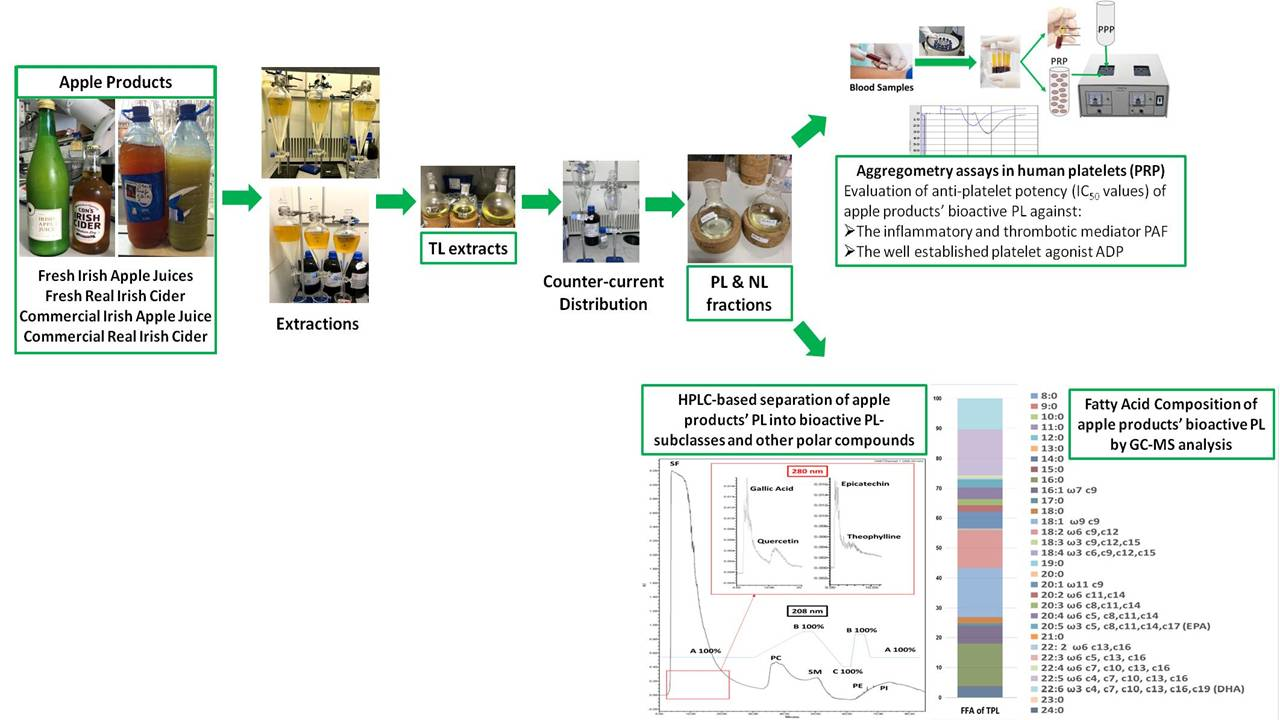
new paper from our group: Beneficial Anti-Platelet and Anti-Inflammatory Properties of Irish Apple Juice and Cider Bioactives


 paper just published in Foods

1 Department of Biological Sciences, University of Limerick, V94 T9PX Limerick, Ireland
2 Health Research Institute, University of Limerick, V94 T9PX Limerick, Ireland
3 Bernal Institute, University of Limerick, V94 T9PX Limerick, Ireland
* Author to whom correspondence should be addressed. 
 
Abstract
 
Several bioactives from fruit juices and beverages like phenolics, nucleotides and polar lipids (PL) have exhibited anti-platelet cardio-protective properties. However, apple juice and cider lipid bioactives have not been evaluated so far. The aim of this study was to investigate the anti-platelet and anti-inflammatory effects and structure activity relationships of Irish apple juice and Real Irish cider lipid bioactives against the platelet-activating factor (PAF)- and adenosine diphosphate (ADP)-related thrombotic and inflammatory manifestations in human platelets. Total Lipids (TL) were extracted from low, moderate and high in tannins apple juices and from their derived-through-fermentation cider products, as well as from commercial apple juice and cider. These were separated into neutral lipids (NL) and PL, while all lipid extracts were further assessed for their ability to inhibit aggregation of human platelets induced by PAF and ADP. In all cases, PL exhibited the strongest anti-platelet bioactivities and were further separated by high-performance liquid chromatography (HPLC) analysis into PL subclasses/fractions that were also assessed for their antiplatelet potency. The PL from low in tannins apple juice exhibited the strongest antiplatelet effects against PAF and ADP, while PL from its fermented cider product were less active. Moreover, the phosphatidylcholines (PC) in apple juices and the phosphatidylethanolamines (PE) in apple ciders were the most bioactive HPLC-derived PL subclasses against PAF-induced platelet aggregation. Structural elucidation of the fatty acid composition by gas chromatography mass spectra (GCMS) analysis showed that PL from all samples are rich in beneficial monounsaturated fatty acids (MUFA) and omega 3 (n-3) polyunsaturated fatty acids (PUFA), providing a possible explanation for their strong anti-platelet properties, while the favorable low levels of their omega-6/omega-3 (n-6/n-3) PUFA ratio, especially for the bioactive PC and PE subclasses, further support an anti-inflammatory cardio-protective potency for these apple products. In conclusion, Irish apple juice and Real Irish cider were found to possess bioactive PL compounds with strong antiplatelet and anti-inflammatory properties, while fermentation seems to be an important modulating factor on their lipid content, structures and bioactivities. However, further studies are needed to evaluate these effects. 

Friday, 27 March 2020

new paper from our group


= = =
 
1
Department of Biological Sciences, University of Limerick, V94 T9PX Limerick, Ireland
2
Health Research Institute, University of Limerick, V94 T9PX Limerick, Ireland
3
Institute for Global Food Security, Queen’s University Belfast, BT9 5BN Belfast, Northern Ireland
*
Author to whom correspondence should be addressed. 

= = = = = = = =

After hundreds of cups of tea at Scholars in UL, here it is : 
our first paper on tea cardioprotective properties 
derived from our excellent collaboration of our group 
with the group of Tassos Koidis in Queen's University in Belfast.

Thanks Stephanie and Tassos for your work on this.

Special thanks are also due to our Final Year Project (FYP) students (then) - now Food Science and Health UL graduates, Jack, Rebecca and Karen : great work, well done everyone!


Stay safe and calm, and Enjoy your Tea!


Monday, 21 May 2018

Low-fat or full-fat fermented dairy products, such as yogurt, may benefit cardiovascular health

[reposting from here]


As latest research questions conventional dietary recommendations on dairy foods due to the properties of dairy fats, fermented dairy products such as yogurt, cheese and kefir, could prove to be a healthy choice for protecting against cardiovascular disease (CVD).

Dairy foods have long been believed to increase the risk of CVD due to their fats content and their association with increased cholesterol levels. In response, dietary guidelines in Western countries recommend limiting full-fat dairy products in favour of low-fat versions.
However, with recent evidence suggesting that systemic inflammation is the key biochemical driver of atherosclerosis and damage to the heart muscle, this advice and the science underlying it are now under debate, according to the authors of this review article.

High saturated fatty acid intake may not cause harmful cholesterol levels

Question marks have been raised over the science that suggested a causal relationship between a high intake of saturated fatty acids (SFA), high LDL-cholesterol, atherosclerosis and coronary heart disease.
Indeed, the authors say, despite high levels of SFAS, full-fat dairy foods have positive or at least neutral effects on cardiovascular health, while also contributing to higher intakes of nutrients such as vitamins D and K.

The focus is shifting to consider the effect of the fermented dairy food matrix on cardiovascular health

Research has moved away from focusing on single nutrients, such as saturated fat, towards considering the food matrix, the nutrient and non-nutrient components of foods and how they interact and affect body chemistry.
Researchers are also trying to pin down the specific effects of different types of dairy foods, including fermented products, such as yogurt, cheese and kefir, on cardiovascular health.

Fermented dairy products such as yogurt may hold potential benefits for cardiovascular health

Although fermented dairy products are often linked with gut health, they also appear to benefit cardiometabolic health, which encompasses cardiovascular and metabolic diseases, including type 2 diabetes (T2D) and the metabolic syndrome.
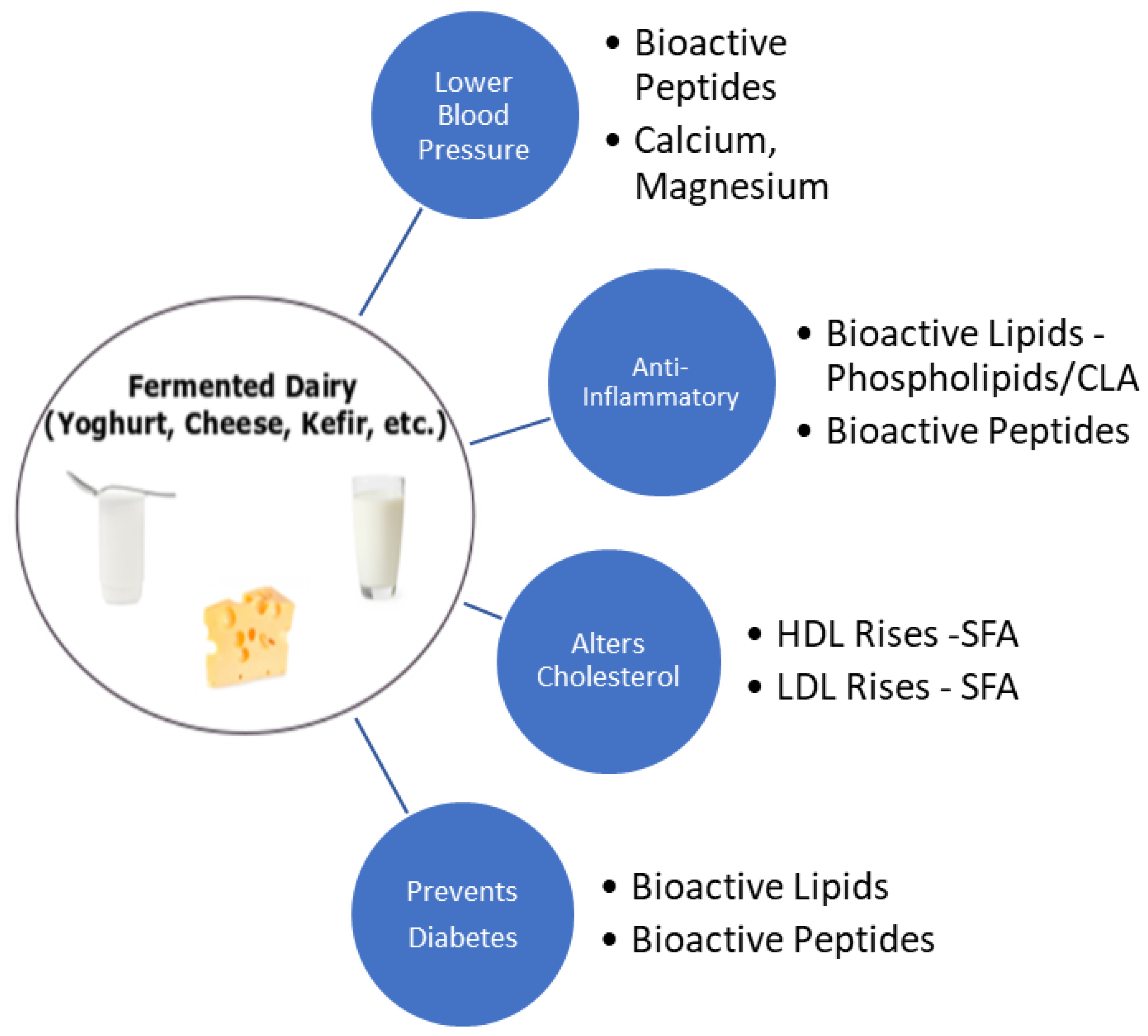
Higher consumption of cheese, yogurt and kefir is linked with lower levels of LDL-cholesterol and blood pressure, together with a lower risk of T2D, stroke and coronary heart disease (CHD). These potential benefits may increase the more you consume.

Yogurt in particular is associated with a reduced risk of cardiovascular diseases (CVD)

Yogurts in particular, with their diverse assortment of different bioactive, nutrient-rich compounds, especially when consumed with fruit, have been linked with a reduced risk of CVD, diabetes and metabolic syndrome – i.e.  high blood pressure, high blood glucose, large waist circumference and abnormal blood fats.

Choose fermented dairy products to optimise nutrient intake and potential cardiovascular health benefits

Exactly how fermented foods influence risk factors for CVD is yet to be uncovered. However, it is thought that probiotics and vitamin K2, which are both present in fermented dairy foods, may play a part.
The fermentation process itself may also have a role as it leads to changes in the structure of fats and proteins. These may account for some of the observed effects. There may also be benefits of full-fat dairy consumption based on higher bioavailability of high-value nutrients and anti-inflammatory and antioxidant properties.
Hence while full-fat dairy products can continue to be consumed in moderation as part of a healthy balanced lifestyle, choosing fermented dairy products is most likely to optimise nutrient intake and potential cardiovascular health benefits.
Find out more: read the original article

Source: Lordan R, Tsoupras A, Mitra B, Zabetakis I. Dairy fats and cardiovascular disease: do we really need to be concerned? Foods 2018 Mar 1;7(3)

To go further, we invite you to read the authors’ post on the topic: “Dairy fats and cardiovascular disease: Do we really need to be concerned?“

Sunday, 13 May 2018

Dr A. Pearson to Dr. S. Gottlieb: "You're Wrong About Dairy Fat"


the title of this post if from this open letter.
In this letter,

Five years ago I, too , thought dairy fat was unhealthy and recommended my patients avoid butter, full-fat yogurt, and cheese. However, when challenged on this belief, I reviewed the scientific literature on dairy fat and cardiovascular disease.
It turns out, when objectively analyzed (as I have written about here and here), there is no scientific evidence that supports the concept that dairy processed to remove dairy fat is healthier than the original, unadulterated product.
In fact, evidence suggests full-fat dairy reduces central obesity, diabetes, cardiovascular disease and atherosclerosis in general.
As a result of misguided recommendations to avoid dairy fat, it is virtually impossible in most grocery stores to find full-fat yogurt or milk. The vast majority of the dairy aisle is devoted to various low- or non-fat concoctions, which have had loads of sugar and chemicals added and are arguably worse than a Snickers bar.
Dr. Gottlieb, I am not cherry-picking the data here or relying on out-of-date studies. I've reviewed everything I can find on this issue and reviewed it without bias. Evidence continues to accumulate supporting the healthiness of full-fat dairy.
For example, here's a 2018 review from researchers totally unaffiliated with the dairy industry that asks the question "Dairy Fats and Cardiovascular Disease: Do We Really Need to Be Concerned?"
After a exhaustive review, they conclude the answer is no:
"Recent research and meta-analyses have demonstrated the benefits of full-fat dairy consumption, based on higher bioavailability of high-value nutrients and anti-inflammatory properties ... In general, evidence suggests that milk has a neutral effect on cardiovascular outcomes but fermented dairy products such as yoghurt, kefir and cheese may have a positive or neutral effect."


Tuesday, 27 March 2018

we made our lipid research to a cover story


Foods, Volume 7, Issue 3 (March 2018) 


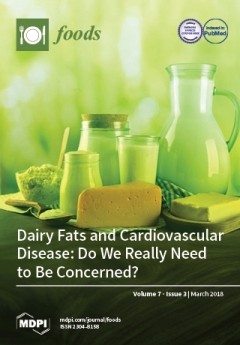
Cover Story (view full-size image) Dairy fats have been associated with saturated fatty acids (SFA) and increased cholesterol levels upon consumption. With cardiovascular diseases (CVDs) being today the number one cause of death and morbidity globally, a question of topical importance is: “Dairy Fats and Cardiovascular Disease: Do We Really Need to Be Concerned?” We discuss the relationship between dairy consumption, cardiometabolic risk factors and the incidence of CVDs. Evidence suggests that milk has a neutral effect on cardiovascular outcomes, but fermented dairy products—such as yoghurt, kefir and cheese—may have a positive or neutral effect. View the paper here.


Monday, 5 March 2018

Article Metrics

probably there numbers give us only a part of the story,
but it is (a) good (feeling for any author)
to see that (his work is read)
our latest paper on dairy fats and cardiovascular diseases is accepted well so far!
Thank you for your interest in our work!


Wednesday, 28 February 2018

New Paper from FLIPS (upd)


In our latest paper


"Dairy Fats and Cardiovascular Disease: Do we Really Need to be Concerned?"


In this paper we address the perception of dairy products and their real impact on CVDs.


Abstract

Cardiovascular diseases (CVD) remain a major cause of death and morbidity globally and diet plays a crucial role in the disease prevention and pathology. The negative perception of dairy fats stems from the effort to reduce dietary saturated fatty acid (SFA) intake due to their association with increased cholesterol levels upon consumption and the increased risk of CVD development. Institutions that set dietary guidelines have approached dairy products with negative bias and used poor scientific data in the past. As a result, the consumption of dairy products was considered detrimental to our cardiovascular health. In western societies, dietary trends indicate that generally there is a reduction of full-fat dairy product consumption and increased low-fat dairy consumption. However, recent research and meta-analyses have demonstrated the benefits of full-fat dairy consumption, based on higher bioavailability of high-value nutrients and anti-inflammatory properties. In this review, the relationship between dairy consumption, cardiometabolic risk factors and the incidence of cardiovascular diseases are discussed. Functional dairy foods and the health implications of dairy alternatives are also considered. In general, evidence suggests that milk has a neutral effect on cardiovascular outcomes but fermented dairy products, such as yoghurt, kefir and cheese may have a positive or neutral effect. Particular focus is placed on the effects of the lipid content on cardiovascular health. View Full-Text