Showing posts with label diet. Show all posts

Wednesday, 28 October 2026

Some happy faces


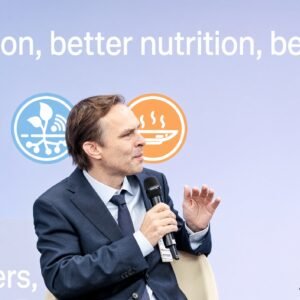
This is from a friend and colleague in Belgium.


Public health nutrition and dietetics never recovered from this neo-puritan reform project of treating the human body as something that needed to be saved from itself. Harvard’s idea of a “healthy” diet remains, at bottom, little more than contempt for life.

Wednesday, 16 September 2026

More than 100,000 people in Japan are now aged 100 or older


When records began in 1963 there were only 153 centenarians in Japan - now there are 107,677

= = =

Food science, lifestyle and life expectancy at their best

It's amazing: authorities in Japan are worried because life expectancy has increased and birth rates are lower than deaths.

In stand of cherishing the fact that more and more people become centenarians, the government calls this an existential crisis.

Mad?


Thursday, 10 September 2026

Real foods rather than labels


Bioengineer, PhD in applied biological sciences and professor of food science at the Vrije Universiteit Brussel (VUB), Frédéric Leroy kindly agreed to give us some of his precious time to answer our questions. In this interview, he sets out his view of the nutritional and cultural role of animal-sourced foods and of fermented food traditions, and offers some criticisms of the EAT-Lancet report and of Nutri-Score. Faced with obesity and metabolic disease, he defends a “Nourishment Table” based on nutrient density and the degree of processing, rather than simplistic scores or a single dietary model.


TES.: You do not hesitate to take a public stance, including criticism of certain NGOs and of initiatives such as the EAT-Lancet report. What are the main points of disagreement you want to highlight?

FL: The EAT-Lancet report and related agendas — pushed by some agri-food giants, lobbyists from the “vegan-tech” world, activist NGOs, prestigious research centres, and bodies at the epicentre of transnational power such as the WEF and the United Nations — rest on fragile scientific premises and a technocratic approach. They propose a near-vegetarian global diet, with a drastic cut in red meat and animal products, presented as the unique solution for health and the planet (what has been called the “Great Food Transformation”). Yet this model underestimates the complexity of food systems, cultural diversity, agronomic realities and differentiated nutritional needs.

Claims of health benefits are overstated, while risks of deficiency (especially in vulnerable groups) are minimised. The environmental approach often suffers from tunnel vision that neglects the co-benefits of livestock systems (biodiversity, soils, use of non-arable land, and so on). The proposed alternatives (ultra-processed “plant-based” products, cultivated meat, precision fermentation) remain unproven at scale, are often rejected by markets, and may be problematic for public health and wellbeing.

Some influential NGOs and coalitions use these frameworks to push interventionist policies that risk harming farmers, creating nutritional deficits and imposing an elitist vision disconnected from local realities. The Dublin Declaration and the Denver Call for Action recall that livestock systems are too precious to be sacrificed to simplification or ideological zeal. We need flexible, regional solutions grounded in robust data — not unique, virtual, heavily prescriptive models.


= = =


My view : I follow the work of Frederic for a number of years. What I admire to him, is his public stance based on strong data, not political views. Good science has (or should have) a societal approach and it is scientists us to communicate the Science to colleagues, NGOs and bodies who formulate food policies.

Wednesday, 29 January 2025

Protein: Are we eating enough of it? And is ‘high protein’ branding just a fad?

from the Irish Times

With more products using the ‘P’ word as a selling point, here’s all you need to know before you jump on the latest nutrition bandwagon


It is hard to ignore the increasing number of foodstuffs on supermarket shelves clamouring for attention with “protein” branding. From meat and dairy to ready-made meals and confectionery, the “P” word pops up more and more, in many cases alongside food that is well endowed with protein but does not shout about it.

Clearly, “high protein” and “protein enriched” labels and products appeal to consumers even though they tend to cost more. Dietitian Sarah Keogh, founder of Eatwell, has seen lots of food-related trends come and go but she believes this one is here to stay.

“A focus on protein is definitely justified,” she says. However, “the amount I see people trying to stuff into themselves is probably not.”

If you have not already jumped on to the “high protein” bandwagon and are wondering if you are missing out, here are a few questions you might have:


Are we really not eating enough protein?

Research shows that, in Ireland, adults are, on average, more than hitting their targets for protein. Sometimes people looking at a guideline think only of meat, chicken and fish as sources, says Keogh, forgetting that you also get protein from dairy, various plant-based items, bread and other foods, “so they overshoot it massively”. Possible signs of inadequate protein intake include tiredness, weakness and being prone to infections, such as mouth ulcers, colds and thrush, due to a weakened immune system.

The recommended daily intake here for the population in general is 0.8g of protein per kilo of body weight, so somebody weighing 60kg would need 48g. However, different cohorts need more: athletes and bodybuilders, as you might expect, but many older people would also benefit from increasing their consumption.

In a set of updated scientific recommendations for food-based dietary guidelines for older adults published in 2021, the Food Safety Authority of Ireland said healthy older adults should consume a more protein-dense diet than the general adult population. It recommended that older adults at risk of frailty, sarcopenia and undernutrition eat a minimum of 1–1.2g per kg body weight of protein per day to preserve muscle mass.

These recommendations, which were adopted for HSE guidelines, definitely apply to people over 65, but probably from mid-50s, says Keogh. This increase in protein intake, ideally alongside an increase in resistance exercise, is shown to delay frailty.

Most people need somewhere between 0.8g and 2.2g per kilo of body weight per day, says registered dietitian and physiologist Orla Walsh, who runs two clinics in Dublin. “It depends on lots of things including their goals, diet choice, medical history, body composition, gender, age, exercise regime etc.”

Protein feeds our muscles, which are live tissues that are constantly breaking down and rebuilding, she explains. In order to maximise the rebuilding process, it is important to eat enough protein each day.

“While someone who is 30 years old may lose 1 per cent of their muscle mass per year if they are not mindful of their nutrition and exercise regime, someone who is 70 years old could lose 5 per cent per year.”

However, says Keogh, “the most important thing that we can do to avoid losing muscle mass is strength training.”

Can I consume too much of it?

“You can absolutely eat too much,” says Keogh. “Around 15 per cent of your daily calories should come from protein. What we know is that if you get up to 30 per cent of your daily calories from protein, we do start to see some negative health effects long-term.”

But to reach that level, you would have to eat enormous amounts, she points out. While there are no definitive findings, “it looks like it may have a negative impact on things like heart disease. But at the same time, I wouldn’t be in a huge panic about it.”

[ ‘High protein’ fad sounds like repackaged diet culture to meOpens in new window ]

However, what a lot of people do not realise is that if they overeat protein, the body does not store the excess, it turns it into fat. She has male clients who work out in the gym, eat loads of protein and then wonder why they cannot reduce their belly size. Calorie counters are inclined to demonise carbohydrates but a gram of carbohydrates and a gram of protein both contain four calories.

Do I need to eat more if doing strength training?

Muscle operates on a “use it or lose it policy” but you also have to feed it, says nutrition coach and gym owner Karen Coghlan. Going into the gym and lifting loads of weight without consuming enough protein to feed the muscles optimally means the physical benefit will be less or progress slower.

She works almost exclusively with women and finds they tend not to give protein in their diets enough attention. Others are afraid of eating too much protein because they think they will build bulky muscles.

Current marketing of protein is targeted at people who go to the gym, she says, “but it’s so much more than that. It’s pretty much the basic building block of the body.”

Not just for muscles. “You’re talking about your hair, your skin, your nails; even deeper than that, it has a big regulatory role when it comes to optimising our enzymes, our hormones, the neurotransmitters and the brain – that all needs amino acids, which are derived from protein that we get in our diet,” says Coghlan, who stresses she is not a dietitian. Having had a previous career in biomedical engineering with the Royal College of Surgeons in Ireland, she studied nutrition coaching and fitness training before setting up her own gym, Freedom Fitness, in Kilcoole, Co Wicklow.

Keogh says the vast majority of people are already eating enough protein to build muscle, although women are more inclined to skimp on it. Consumption of 1 to 1.2g of protein per kilo of body weight will cover the needs of most people doing gym workouts; “seriously elite” bodybuilders would be eating around 2g per kilo.

If someone is consistently working out but cannot progress to higher weights or more reps, it might be a good idea if they looked at their protein intake, she suggests. Or they could be low in iron, just tired, or something else.

What are the best sources?

“Food first” is always the advice from dietitians. “Generally, people don’t need to be eating protein-enriched foods to meet their protein requirements,” says Walsh. “Lots of healthy, minimally processed foods provide lots of protein, including milk, yoghurt, eggs, meat, poultry and fish. For example, a pint of milk provides 20g of protein; two large eggs provide 16g of protein, a tin of tuna provides 35g and a portion of meat can provide 30 to 50g of protein.”

For vegetarians and vegans, plant-based sources include beans, lentils, tofu, tempeh, edamame, nuts, seeds, whole grains and quinoa.

Protein shakes and other supplements have their place for bodybuilders and athletes at elite level, says Keogh. Or as a top-up for older people with small appetites who struggle to get enough from food, and sometimes as a convenient snack if, say, going straight from work to sports training.


Wednesday, 14 August 2024

Plain packaging worked to reduce smoking. Unhealthy food should be next

 From the Irish Times, 14.8.2024


Removing branding from cigarette boxes has reduced smoking among young people. We must now do the same with unhealthy food and drinks as childhood obesity can trigger disease in later life 

Prof Donal O’Shea

Donal O’Shea is professor of medicine in University College Dublin, a consultant endocrinologist at St Vincent’s University and St Columcille’s Hospitals, and the national clinical lead for obesity with the Health Service Executive. He is supporting Safefood’s ‘Building a healthier food environment’ campaign.


Tobacco brands were among the best-known and most popular consumer brands of the 20th century, thanks in no small part to their instantly recognisable packaging and advertising. Nowadays, most people under the age of 40 would most likely struggle to differentiate one brand of cigarettes from another. The cigarette box, once a fashion accessory and a signifier of self-image, was wiped of its branding with the introduction of the Public Health Act in 2015. It’s an initiative that’s gone a long way to addressing the problem of smoking in young people. Almost 10 years on, the time has come to apply the same thinking to unhealthy food and drinks – especially those targeting children.

Plain packaging involves removing all branding and standardises the packaging to a uniform colour and design. This would help in reducing the consumption of high-fat, high-salt, high-sugar food and drinks; a critical step if we are to make headway with our obesity problem.

Our health service is under enormous strain because of obesity. One in five Irish children have either overweight or obesity, a problem that will track into adulthood. Childhood obesity is linked to accelerated weight gain in the fourth decade of life, the time when we gain most weight at a population level. We are now coming to terms with managing obesity itself as a disease, not a lifestyle choice and realising that, for decades, we have been treating the complications of obesity, such as Type 2 diabetes, cancer, heart disease and dementia. In the same way that we learned smoking tobacco can cause cancer, heart disease and many other illnesses, we now know that a poor diet can have long-reaching health effects and impact our life spans. The health burden of obesity is snowballing, and we need an array of measures that will change the trajectory of our food environment which over time has become increasingly unhealthy.

The proliferation of unhealthy foods and drinks promoted and marketed to us is now a bigger driver of disease than smoking

There is agreement that no single measure will buck the trend of unacceptably high obesity rates. That, however, must not stop us from pursuing changes within the system that might ultimately help. The sugar tax was one step in the right direction. Calorie posting on menus is another evidence-based and effective measure. Three ministers for health (two of whom have gone on to be taoiseach) promised to legislate for it, but it has been successfully opposed by the food and drinks industry. It appears to be dead in Government Buildings.

[ Higher rate of obesity in children from disadvantaged areas in Ireland, conference hearsOpens in new window ]

[ ‘Tide is turning more rapidly than ever in terms of obesity management’Opens in new window ]

We know that plain packaging works – we have the evidence from the tobacco area. Young people immediately find cigarettes less appealing and find the health warnings more striking against a plain background. If applied to food and drinks, plain packaging would ensure that the labelling with all the nutritional content of the product will not be crowded out. Combine this with measures that prevent access and you begin to transfer the learnings from successes in the tobacco space to the childhood obesity space. Healthy vending machines and removing the placement of unhealthy foods away from checkouts would build on the tobacco lessons.

Brand is everything – especially for younger people. Coca‑Cola has been promoting Christmas since the 1920s, sponsoring the Olympics since the 1930s and putting peoples’ names on bottles since 2011. The latter resulted in a surge in consumption of sugar-sweetened drinks by young people in particular – and reversed a downward trend. Plain packaging would have made the “Share a Coke” campaign impossible.

One in five Irish children have either overweight or obesity, a problem that will track into adulthood. Childhood obesity is linked to accelerated weight gain in the fourth decade of life, the time when we gain most weight

There is evidence that children are particularly open to the power of packaging – and that changes to make it plain would reduce the appeal of the products. The food and drinks industry have a very scientific approach to establishing the “bliss point” for a child’s palate for a particular product – the point at which maximal enjoyment is reached for a particular offering. They know that this is different for a three year old, a seven year old and a 12 year old, and they know that different-aged brains will respond differently to cartoon characters, fonts and enticing images. They influence children’s choice and pattern of consumption. Increasingly, the display of products targeting children in shops is at that child’s eye level – just look at the shelves of sweets and confectionery in your local supermarket and compare what is higher up versus closer to the ground.

[ Western diets high in fat and sugar can lead to bowel disease and cancer, Irish study revealsOpens in new window ]

Protecting children’s health is at the heart of Safefood’s new public health campaign, “Building a healthier food environment”. This five-year initiative represents a new approach to public health campaigning, focusing on the factors that influence consumer decision-making, including how foods are packaged and sold to us. Safefood is asking consumers to start a conversation with one another about the food environment and consider ways we can change it.

[ ‘Soup and shake’ diet puts almost a third of type 2 diabetes cases in remissionOpens in new window ]

From a health or economic perspective, we can’t afford to continue as we are. The proliferation of unhealthy foods and drinks that are promoted and marketed to us is now a bigger driver of disease than smoking. Bold public policy is essential in shaping a food environment that protects our children’s health, so we need to learn from the positive impact of plain packaging on cigarette-smoking behaviour in young people and apply it to unhealthy food and drinks.


Tuesday, 19 March 2024

Intermittent fasting ‘could raise risk of fatal heart disease’

 source: the Times


Scientists tracking 20,000 people find higher cardiovascular risk in those who eat only in an eight-hour window


Diets in which people eat only during an eight-hour daily window and fast for the rest of the day may be linked to an increased risk of death from heart attacks and strokes, scientists have claimed.

Intermittent fasting has been endorsed by celebrities including Jennifer Aniston, Hugh Jackman, Kourtney Kardashian and Scarlett Johansson.

Research has linked it to short-term improvements in blood pressure, blood sugar and cholesterol.

However, long-term outcomes have now been explored in one of the first studies of its kind. After tracking about 20,000 adults in the United States, it found that those who said they ate within an eight-hour window were nearly twice as likely to die of heart attacks or strokes, compared with those who said they spread meals and snacks across 12 to 16 hours.

The researchers stressed that the results must be treated with caution, as this kind of study cannot prove cause and effect. They also had very limited information on the participants’ eating habits.

One limitation was that the volunteers who took part were only asked about their eating patterns on two days, and it was assumed that they followed the same schedule for several years. However, other experts said follow-up studies would be valuable as the “striking” results challenged widely held assumptions.

“We had expected that long-term adoption of eight-hour time-restricted eating would be associated with lower risk of cardiovascular death,” said Professor Victor Wenze Zhong of the Shanghai Jiao Tong University School of Medicine, senior author of the research. “We were surprised to find that compared to people whose eating duration was 12 to 16 hours, those who restricted their eating time to within eight hours per day had higher risk of cardiovascular death and did not live longer.”

He said his team had controlled for factors that might have skewed the results, such as the age of the participants, as well as income, body mass index, smoking, drinking and blood pressure. However, it is still possible that something other than the timing of meals was behind the effect.

Duane Mellor, a senior lecturer at Aston Medical School in the UK who was not involved in the study, said that some people, including night shift workers, were forced to eat at certain times. “Some people might be doing this [time-restricted eating] for health reasons [which may mean they were in worse shape to start with], while for others it’s due to stressful work environments or poverty, which are both risk factors for cardiovascular death,” Mellor said.

Christopher Gardner, a professor of medicine at Stanford University in California who was also not part of the research, agreed that more work was needed. He said: “Overall, this study suggests that time-restricted eating may have short-term benefits but long-term adverse effects.”

One theory would be that people eat fewer calories but continue eating junk food. “The short window of time-restricted eating … may help people cut back on calories and lose weight. However, if the calories that are being consumed are of low dietary quality, this might possibly lead to long-term adverse outcomes,” Gardner added.

Zhong told The Times his team had observed that people who reported eating in an eight-hour period had less lean muscle mass. “Loss of lean body mass has been linked to higher risk of cardiovascular mortality,” he said. “Other mechanisms linking eight-hour time-restricted eating with cardiovascular morality require further investigations. This will be an exciting research question, but we really do not know much right now.”

The study looked at about 20,000 adults with an average age of 49 when it began. They were tracked for as long as 17 years, and for a median of eight years; 840 died of heart attacks and strokes.

Those who reported eating all their food across less than eight hours a day had a 91 per cent higher risk of death from these cardiovascular causes, according to results due to be presented to a conference of the American Heart Association in Chicago this week.

Time-restricted eating did not reduce the overall risk of death from any cause. “Our study’s findings encourage a more cautious, personalised approach to dietary recommendations,” Zhong said.

Not so fast: if you feel the benefits, don’t ditch the diet just yet
By Rhys Blakely

Besides being endorsed by a multitude of celebrities, fasting diets have this going for them: people seem to find them relatively easy to stick to.

You can typically eat whatever you want, with no limits on calories, as long as meals are restricted to certain times, say between 12pm and 8pm.

Studies have suggested that people can lose weight by following these rules, probably because they end up consuming less food, and that they can help patients with type 2 diabetes control blood sugar levels.

One piece of research found that healthy men who fasted during the Islamic holy month of Ramadan, for about 16 hours a day, had an altered gut microbiome by the end, with higher levels of a beneficial bacterium that has been linked with a lower risk of cancer and inflammatory bowel disease, and improved heart health and mental health. In another trial, fasting for 15 to 16 hours each day for a month led to lower blood pressure in patients whose readings had been dangerously high.

But these studies, while intriguing, had something in common: they found short-term outcomes in small numbers of participants.

The latest research is one of the first to try to explore what time-restricted eating might mean if people kept it up for many years. Its strengths are that it looked at a relatively large number of people and followed them for a long time (eight years was the median average). But it has important limitations, including that it has not yet been peer reviewed and that the 20,000 people who took part were only asked about when they ate for two days. We don’t know whether those who reported time-restricted eating continued with it throughout the study.

The participants were part of a national nutritional survey that is representative of the US population, notes Tom Sanders, professor emeritus of nutrition at King’s College London. But if they were regularly fasting, we don’t know if they’d made a voluntary choice to do so. “It is likely that individuals reporting time-restricted eating may be working anti-social hours (eg truck drivers, security personnel, health professionals, night workers). This is important because there is evidence that this type of working practice is associated with increased risk of type 2 diabetes and cardiovascular disease,” he said. It’s possible that some were put on strict diets by their doctors because they’d been in poor physical shape, which might explain why they were more likely to die of heart attacks and strokes.

It is also plausible that for avoiding cardiovascular disease, many small meals really are better than a few large ones. “Large increases in blood fats and glucose result after big meals,” Sanders said. These postprandial surges can damage the lining of blood vessels and increase the level of blood clotting factors, he added.

For now, though, there’s no solid evidence to say you should ditch intermittent fasting if it’s helping you to maintain a healthy weight and you feel good doing it. It can be exasperating to hear scientists conclude that more research is needed, but in this case it’s true.


Thursday, 29 February 2024

Whispers of wellbeing from antiquity

 While many technological interventions of today and the future will help usher in a new era of medicine, health and wellbeing, it is all too tempting to paint a picture of something of a panacea; a cure for all. Perhaps, rather than focusing on technologies, some of the truths about living a long and healthy life can be learned in wisdom from the past.


the full article is here.

Tuesday, 21 November 2023

Ακόμα και η Wall Street Journal ασχολείται με τα υπερ-επεξεργασμένα τρόφιμα

 Την περασμένη Τρίτη (14.11.2023), η Wall Street Journal (WSJ) δημοσίευσε ένα πολύ ενδιαφέρον άρθρο για τις διατροφικές συνήθειες των Αμερικάνων.
Το άρθρο είχε τίτλο: “The Trouble With America’s Ultra-Processed Diet” και υπότιτλο “concern is rising about ultra-processed foods in American diets, and their effects on our health”.

 Η συνέχεια εδώ.

Tuesday, 10 October 2023

an interesting research paper

The association between dietary quality scores with C-reactive protein and novel biomarkers of inflammation platelet-activating factor and lipoprotein-associated phospholipase A2: a cross-sectional study 


Abstract 

Healthy dietary patterns are associated with lower inflammation and cardiovascular disease (CVD) risk and adherence can be measured using diet quality scores. Inflammation is traditionally measured with C-reactive protein (hsCRP), however there is interest in novel pro-inflammatory markers platelet-activating factor (PAF) and lipoprotein-associated phospholipase A2 (Lp-PLA2) that are specifically involved in endothelial dysfunction and inflammation. This cross-sectional study investigated the association between PAF, Lp-PLA2, hsCRP, and six diet scores. One hundred adults (49 ± 13 years, 31% male) with variable CVD risk were recruited. Fasting PAF, Lp-PLA2 and hsCRP and usual dietary intake were measured. Adherence to Dietary Approaches to Stop Hypertension (DASH), Dairy-adjusted DASH, Vegetarian Lifestyle Index, Healthy Eating Index for Australians (HEIFA), Mediterranean Diet Adherence Screener (MEDAS) and PREDIMED-Plus (erMedDiet) scores were calculated. Correlations and multiple regressions were performed. hsCRP, but not PAF, independently correlated with several diet scores. Lp-PLA2 independently correlated with Vegetarian Lifestyle Index only in unadjusted models. A one-point increase in adherence to the DASH Index, the Dairy-adjusted DASH Index and the Vegetarian Lifestyle Index was associated with a 30%, 30%, and 33% reduction in hsCRP levels, respectively. Smaller effects were seen with the other diet scores with a one-point increase in adherence resulting in a 19%, 22% and 16% reduction in hsCRP with HEIFA, MEDAS, erMedDiet scores, respectively. The lack of stronger associations between the novel markers of inflammation and diet scores may be due to confounding by COVID-19 infection and vaccination programs, which prevents any firm conclusion on the relationship between PAF, Lp-PLA2 and healthy dietary patterns. Future research should aim to examine the relationship with these novel markers and healthy dietary patterns in a non-pandemic setting. 

Keywords: Biomarker; COVID-19; Cardiovascular diseases; Diet Quality; Diet healthy; Diet vegetarian; Dietary approach to stop hypertension; Inflammation. 

© 2023. BioMed Central Ltd., part of Springer Nature. 


= = = = = =

our comment: the fundamental weak point of this paper is that monitoring of following up a diet is difficult to measure...


Tuesday, 16 May 2023

Irish food system ‘fuelling premature death and disability’ due to diet-related diseases – report

 from the Irish Times


Ireland’s food system is “like a slow motion disaster, fuelling premature death and disability due to diet-related chronic diseases”, such as cardiovascular disease, type two diabetes and obesity, according to a report by the Climate and Health Alliance (CHA).

A lack of food system policies to shape a healthy food environment “has caused ultra-processed foods and excessive red and processed meat to dominate the Irish diet at the expense of fruit, vegetables, plant proteins, wholegrains and sustainable seafood”, while worsening the climate crisis, the CHA warns.

Ultra-processed foods include sugary drinks; sweets, chocolate, takeaway foods and crisps.

The CHA is made up of a range of medical, public health and social care professional organisations, NGOs and advocacy groups on the island of Ireland.

Wednesday, 21 September 2022

Could Beyond Meat Go Bankrupt?

 The pandemic was a bonanza for the plant-based "meat" industry. U.S. sales of plant-based meat soared 45% to $1.4 billion, and refrigerated plant-based meat sales expanded 75%. Beyond Meat (BYND -6.04%) certainly benefited, with retail sales of its products more than doubling in 2020.

That red-hot demand hasn't lasted. Sales of plant-based meat were essentially flat in 2021, and 2022 isn't looking any better. Beyond Meat is being hit particularly hard. The company's refrigerated pea-based products have fallen out of favor, and the expensive launch of Beyond Meat Jerky hasn't gone according to plan.


full article here.

Tuesday, 16 November 2021

Snack sales expose cynical, misleading rhetoric

 source: The Irish Times, 16.11.2021

More than 36,700 tonnes of chocolate bought in Ireland last year shows extent of health challenge

More than 35,700 tonnes, or 7.2kg per person, of snack bars and biscuits were sold in Ireland last year. If a packet of Digestive biscuits is 400g, that’s 18 packs, for everyone. Photograph: Adam Petto/iStock

More than 35,700 tonnes, or 7.2kg per person, of snack bars and biscuits were sold in Ireland last year. If a packet of Digestive biscuits is 400g, that’s 18 packs, for everyone. Photograph: Adam Petto/iStock


In an opinion piece in the London Times a few months ago, the managing director of Haribo in Britain and Ireland, writing in opposition to restrictions of the online advertising of sweets to children, implored the British public to see sense: “Haribo’s goal is to create moments of childlike happiness. We believe an occasional sweet treat with loved ones is a key part of happiness. Given the year we’ve had, small moments of happiness are sorely needed.”


Mondelez, the manufacturer of snacks aplenty – its portfolio including Toblerone, Cadbury, Green & Black’s, Oreo and Fry’s – want to “help consumers easily enjoy the right snacks throughout their day, and inspire them to snack mindfully so they can savour and feel good about each and every snack”.

Bórd Bia, the Irish food board, advise snack brand manufacturers that “giving people ‘permission to indulge’ in your product is a smart strategy and one that’s behind many successes. It’s also a strategy that dairy is well placed to capitalise on, since it already has a ‘halo of health’.”

It is indeed a good marketing strategy.

Every single snack brand says you’ve had a bad day, treat yourself, you’ve had a good day, treat yourself. It appeals to that deep sense in all of us that we deserve something – the brand’s tone-of-voice is reassuring, indulgent, like a mother in a fairytale.

With the now common knowledge that snack food is inherently bad for you, the only way to market the oxymoron of “responsible” snacking if you are such a brand is to put up your hands, say it’s “indulgent” (code word for bad) and advocate it as an occasional treat, an indulgence to share. A lobby group called the European Snacks Association reminds us that “savoury snacks can be part of a balanced diet”. Those killjoy public health people want to take away those special moments we are trying to create for you, and your family. Sure, it is only a packet of sweets.


So, every brand in every snack category advocates its food as an occasional treat, which is individually logical. But taken together, these messages become collectively absurd. Let’s run the numbers. Euromonitor (the global market information database) disseminates reports on snacking categories in many countries, including Ireland.

Here’s a back of the envelope look at snack sales in Ireland during 2020.

  • Chocolate confectionary: 37,600 tonnes. That’s 7.4kg per person per year. If a Mars bar weighs 51g, that’s 145 of them, for everyone.
  • Ice-cream and frozen desserts: 20,409 tonnes – 4.16kg per person per year. If a Magnum ice-cream is 86g, that’s 48 of them, for everyone.
  • Sweet biscuits and snack bars: 35,709 tonnes – 7.2kg per person per year. If a packet of Digestive biscuits is 400g, that’s 18 packs, for everyone.
  • Soft drinks: 338.0 million litres. 68.97 litres per person per year. If a bottle of coke is 500ml, that’s 136 bottles, for everyone.
  • Sugar confectionary: 22,088 tonnes. 4.5kg per person per year. If a packet of Skittles is 45g, that’s 100 packets, for everyone.
  • Savoury snacks: 58,500 tonnes. 11.9kg per person per year. If a packet of Tayto crisps is 35g, that’s 340 packets
  • Ready meals: 44,500 tonnes. 9.08kg per person per year. If a Dr Oetker frozen pizza is 335g, that’s 27 pizzas, for everyone.
  • Packaged bakery: 320,000 tonnes. Packaged cakes, pastries and desserts make up about 40 per cent of this, so 128,000 tonnes. 26.1kg per person per year. If a Cuisine de France croissant weighs 50g, that’s 522 of them, for everyone.

In order to account for this consumption, each man, woman and child is eating the equivalent of a third of a Mars bar, a bite of a Magnum, a couple of biscuits, a glass of Coke, a handful of Skittles, a packet of crisps, a bite of a pizza, and a croissant and a half, every single day. Just a little treat makes logical sense.


But put this logic in an environment of stiff competition and it’s nonsense.

And don’t forget, we are not including fast food, meat snacks, dairy, unpacked pastries and baked goods, breakfast cereals, sweet spreads, hot drinks or weaning foods in this analysis. Nor alcohol nor energy drinks. We are not talking about food service (deli counters, lunch portables) or dining out (about a third of meals in Ireland).

We are simply highlighting a subset of a subset: the “snack”. So ours might be considered a recklessly conservative underestimate of snacking.

But it does expose how cynical, inaccurate and misleading the discourse of “treatwise” can be.

While the Haribo director is right about the pursuit of happiness, what about the cumulative harms which inherently unhealthy snack food products pose to customers.

Rather than listening to the whisper, we all need to hear the clamour.

This is death by a thousand snacks.

Dr Norah Campbell is associate professor of marketing at Trinity Business School, TCD; Dr Sarah Browne is assistant professor of marketing and strategy at Trinity Business School; and Prof Francis M Finucane is consultant endocrinologist at Galway University Hospitals and NUI Galway

Friday, 22 October 2021

The association between dietary patterns and the novel inflammatory markers platelet-activating factor and lipoprotein-associated phospholipase A2: a systematic review

 the full paper is here.

This is a study that supports our work on linking PAF to diet and specific food components.

============


Abstract

Context: Atherosclerosis is a disease of chronic inflammation. Recent research has identified 2 novel inflammatory biomarkers: platelet-activating factor (PAF) and lipoprotein-associated phospholipase A2 (Lp-PLA2). Diet has been proposed as a mediator of inflammation, but to date, the focus for these novel biomarkers has been on individual foods and nutrients rather than overall dietary patterns.

Objective: To systematically review the literature on the association between dietary patterns and PAF and Lp-PLA2.

Data sources: The PubMed, Embase, CINAHL, and Cochrane CENTRAL literature databases were searched.

Data analysis: Study quality was evaluated using the Quality Criteria Checklist. Sixteen studies (n = 4 observational and n = 12 interventional) were included and assessed for associations between dietary patterns and PAF and Lp-PLA2.

Conclusion: Study quality varied from neutral (n = 10) to positive (n = 6). Mediterranean, heart healthy, and vegetarian dietary patterns were associated with improved levels of PAF and Lp-PLA2. Conversely, Western dietary patterns were less favorable. A range of well-established, healthier dietary patterns may lower inflammation and the risk of atherosclerosis. More well-designed studies are needed to confirm these findings and identify other dietary patterns that improve inflammation.

Keywords: Lp-PLA2; PAF; cardiovascular disease; dietary patterns; inflammation; lipoprotein-associated phospholipase A2; platelet-activating factor.

Thursday, 14 October 2021

Wednesday, 15 September 2021

Editorial: Coronavirus Disease (COVID-19): Diet, Inflammation and Nutritional Status

 Ioannis Zabetakis1,2,3*, Christophe Matthys4,5 and Alexandros Tsoupras1,2,3

  • 1Department of Biological Sciences, University of Limerick, Limerick, Ireland
  • 2Bernal Institute, University of Limerick, Limerick, Ireland
  • 3Health Research Institute, University of Limerick, Limerick, Ireland
  • 4Clinical and Experimental Endocrinology, Department of Chronic Diseases and Metabolism, KU Leuven, Leuven, Belgium
  • 5Department of Endocrinology, University Hospitals Leuven, Leuven, Belgium
= = = = = = = = = = = = = = = = = = = = = =

Since late 2019, the world has come to terms with the fact that it is facing a major public health crisis against the novel coronavirus disease termed COVID-19 caused by the severe acute respiratory syndrome coronavirus 2 (SARS-CoV-2). As of August 12th 2021, there are over 205 million confirmed cases of COVID-19 and 4,300,000 deaths globally while more than 180 million patients have recovered. The first known case of COVID-19 originated from the city of Wuhan in Hubei Province, China. From there, it has spread to every inhabited continent worldwide.

COVID-19 is a highly infectious disease with severe or even lethal complications and a significant impact on the way in which we live our lives. Whilst the vast majority of people infected with COVID-19 experience mild symptoms and can recover without the need for hospitalization, it has become increasingly clear that those with pre-existing non-communicable diseases such as chronic lung diseases, metabolic syndrome, obesity and diabetes mellitus, cardiovascular disease, and renal disorders, as well as people under immunosuppression (i.e., the elderly and people with chronic rheumatoid conditions like rheumatoid arthritis, Lupus, etc.), are at increased risk of severe illness and mortality. The inflammatory and thrombo-inflammatory manifestations and cascades following SARS-CoV-2 infection are directly linked to the increased severity of COVID-19 complications, especially in patients with such underlying conditions and the elderly.

Thus, the potential for specific foods and nutrients that can beneficially affect COVID-19 severity and outcomes is gathering increasing interest from the scientific community, as well as the general population and media. Given that a common complication in patients with severe COVID-19, and individuals with non-communicable diseases, is excessive inflammation, foods with anti-inflammatory properties may possess a protective role. Likewise, the role of nutritional status and other nutrients, such as selenium, vitamin D, and vitamin C has gathered attention, with vitamin D and selenium deficiency recently linked to COVID-19 severity. Nevertheless, the potential for supplementation of specific foods and nutrients to act as a protective measure against COVID-19 remains a topic of debate.

The goal of this Research Topic was to gather Original Research articles and Reviews which have improved our understanding of diet, specific foods and nutritional status in relation to COVID-19 severity and outcomes. Twenty-eight articles have been published under this Research Topic covering a wide variety of Covid-19, the role of nutrition and how specific nutrients may be able to inhibit the spread of the disease and reduce its detrimental health effects. The articles addressed several aspects of Covid-19 from a metabolic, exercise, and nutrition point and they inform the readers on the latest developments of research related to Covid-19. The articles include perspectives, review articles and research articles and they also address the covid-19 related inflammation and cytokine storm.

The role of specific nutrients is widely discussed in this Research Topic from this inflammation point of view for this disease. It was also described that apart from inflammation, thrombosis, and thrombo-inflammatory complications are also linked to COVID-19, and the role of exercise and diet is discussed further. The role of foods, minerals, and vitamins is presented as means to reduce the cytokine storm and covid-19 related inflammation. The impact of lifestyle is also presented. The role of vitamin C as a potential aid in the treatment of Covid-19 is discussed in Cerullo et al. Also, the role of vitamins C and D and zinc are discussed in relation to physical tissue barrier integrity in Name et al.

The role of food supplements in relation to immune-boosting, antioxidant, and anti-inflammatory activities is presented in relation to Covid-19 pathogenesis. This article Mrityunjaya et al., suggests that grouping phytonutrients in the form of a food supplement may help to boost the immune system, prevent virus spread, preclude the disease progression to severe stage, and further suppress the hyper inflammation providing both prophylactic and therapeutic support against COVID-19.

The stormy link between obesity and Covid-19 is presented in López-Reyes et al. The authors have concluded that the SARS-CoV-2 infection could potentiate or accelerate the pre-existing systemic inflammatory state of individuals with obesity, via the NLRP3 inflammasome activation and the release of pro-inflammatory cytokines from cells trough Gasdermin-pores commonly found in cell death by pyroptosis.

In Bennett et al., it was found that the effect of COVID-19 lockdown both negatively and positively impacted dietary practices throughout Europe and globally, and negative diet habits were associated with other poor lifestyle outcomes including weight gain, mental health issues, and limited physical activity. Both in the short term and if sustained in the long term, these changes may have significant impacts on the health of the population.

In Vassilopoulou et al., an article linking breastfeeding and covid-19, it was highlighted that since SARS-CoV-2 is highly transmissible, breastfeeding should be encouraged, but observing all appropriate safety measures, for the mother and close contacts is needed. With the vaccination schedule in progress, the pregnant mothers-to-be should probably be prioritized.

In Zaragoza-Martí et al., an article linking Mediterranean lifestyle and lockdown, it was found that adherence to the Mediterranean Diet may play an important role in the establishment of appropriate dietary guidelines in confinement situations such as the COVID-19.

People with underlying conditions are more susceptible to COVID-19; as a matter of fact around 95% of COVID-19 related deaths are people with severe chronic diseases and these data manifest that COVID-19 is a deadly virus in people with chronic inflammation. In other words, a pre-existing chronic inflammatory status detrimentally affects our immune system and homeostatic mechanisms, and thus make us more susceptible to the cytokine storm and its associated inflammatory manifestations that COVID-19 causes in our bodies. The potential role of nutrition in relation to thrombosis and COVID-19 19 is discussed in Tsoupras et al.

In conclusion, this Research Topic, with a variety of articles has provided, a wealth of insights on the link between nutrition, inflammation, and covid-19, with promising outcomes and future perspectives. As Editors, we would like to thank all the contributing authors and the people in Frontiers in Nutrition for their excellent editing support.

Author Contributions

All authors listed have made a substantial, direct and intellectual contribution to the work, and approved it for publication.

Conflict of Interest

The authors declare that the research was conducted in the absence of any commercial or financial relationships that could be construed as a potential conflict of interest.

Publisher's Note

All claims expressed in this article are solely those of the authors and do not necessarily represent those of their affiliated organizations, or those of the publisher, the editors and the reviewers. Any product that may be evaluated in this article, or claim that may be made by its manufacturer, is not guaranteed or endorsed by the publisher.