Showing posts with label EFSA. Show all posts

Wednesday, 13 September 2023

Ασπαρτάμη: Μήπως ΕΦΕΤ και EFSA παρανομούν; Του Γιάννη Ζαμπετάκη*


 Η ημερήσια επιτρεπόμενη δόση, η αρχή της προφύλαξης και η συνεργιστική τοξικότητα των γλυκαντικών ενώσεων.

πηγή: cibum.gr


Ερώτηση: Είναι σήμερα η ασπαρτάμη καρκινογόνος;

Απάντηση: Ναι! Είναι, χωρίς αμφιβολία! Σύμφωνα με τον ΠΟΥ και τον International Agency for Research on Cancer (IARC), η ασπαρτάμη είναι «πιθανώς καρκινογόνα για τους ανθρώπους, (group 2B). H ασπαρτάμη μπορεί να προκαλέσει καρκίνο στο συκώτι. Και αυτά είναι πλέον δημοσιευμένα από τις 14 του περασμένου Ιούλη!

Πιο πολλά για τον International Agency for Research on Cancer (IARC), μπορείτε να διαβάσετε εδώ.

Είναι σημαντικό να σημειώοσυμε εδώ ότι ο IARC κατατάσσει τις ενώσεις ως πιθανώς καρκινογόνες ανάλογα με την ισχύ των δεδομένων κατά πόσο μια ένωση μπορεί να προκαλέσει καρκίνο και όχι βάσει της πιθανότητας να αναπτυχθεί καρκίνος.

Η κατηγορία 2Β είναι η τρίτη πιο υψηλή κατηγορία από τις 4 που χρησιμοποιεί ο IARC.

Όπως έχετε διαβάσει στο cibum, η ασπαρτάμη (E 951) είναι μια τεχνητή γλυκαντική ουσία χαμηλών θερμίδων, η οποία είναι περίπου 200 φορές πιο γλυκιά από τη ζάχαρη. Είναι μια άσπρη, άοσμη σκόνη και αποδίδει 4 θερμίδες ανά γραμμάριο, αλλά έχει πολύ έντονη γλυκαντική δράση, οπότε προστίθεται σε πολύ μικρές ποσότητες και τελικά προσδίδει ελάχιστες θερμίδες.

Στην Ευρώπη, η ασπαρτάμη επιτρέπεται να χρησιμοποιείται ως πρόσθετο τροφίμων για τη γλύκανση ποικίλων τροφίμων και ποτών, όπως ποτά, επιδόρπια, γλυκά, γαλακτοκομικά προϊόντα, τσίχλες, προϊόντα χαμηλής θερμιδικής αξίας και ελέγχου βάρους, καθώς και ως επιτραπέζιο γλυκαντικό. Στην ΕΕ, όπως και για όλα τα πρόσθετα τροφίμων, η παρουσία ασπαρτάμης πρέπει να αναγράφεται στην ετικέτα είτε με την ονομασία της είτε με τον αριθμό Ε (Ε 951).

Η ασπαρτάμη χρησιμοποιείται σήμερα σε περισσότερες από 90 χώρες και σε περισσότερα από 6.000 προϊόντα, μεταξύ των οποίων τσίχλες, καραμέλες, δημητριακά, σιρόπια για καφέ, παγωτά, ανθρακούχα αναψυκτικά, ζελέ χωρίς ζάχαρη, παγωτά και άλλα επιδόρπια χωρίς ζάχαρη, υποκατάστατα γεύματος, μπάρες, μπισκότα χωρίς ζάχαρη,  κ.λπ., αλλά και σε επιτραπέζια υποκατάστατα ζάχαρης και ορισμένα φάρμακα, όπως σιρόπια και καραμέλες για το βήχα. Χρησιμοποιείται κυρίως σε τρόφιμα και ροφήματα που δεν ζεσταίνονται ή ψήνονται, καθώς με τη θερμότητα χάνει μέρος της γλυκύτητάς της.
Σε μελέτη για την παγκόσμια αγορά γλυκαντικών φάνηκε ότι η κύρια αγορά της ασπαρτάμης είναι οι οικονομικά αναπτυγμένες χώρες, όπως στην Αμερική και την Ευρώπη, κυρίως λόγω του υψηλότερου κόστους της σε σχέση με τα άλλα γλυκαντικά.

Acceptable daily Intake και η ασπαρτάμη

Στους τριτοετείς φοιτητές μου εδώ στο Πανεπιστήμιο του Λίμερικ (University of Limerick, UL), διδάσκω ένα μάθημα για την ποιότητα και την ασφάλεια των τροφίμων και φυσικά συζητούμε για την ημερήσια επιτρεπόμενη δόση (acceptable daily intake) όλων των γλυκαντικών ενώσεων. Η ασπαρτάμη μπορεί να χρησιμοποιείται στα τρόφιμα αλλά σε μικρά επίπεδα!

Όμως…

Η αρχή της προφύλαξης

Όταν μια ένωση είναι «πιθανώς καρκινογόνα» όπως είναι η ασπαρτάμη από τις 14.7.23, τότε θα πρέπει να εφαρμόζεται η  «αρχή της προφύλαξης» (ΕΚ 178/2002, άρθρο 7).

Άρθρο 7

Αρχή της προφύλαξης

  1. Στις ειδικές περιπτώσεις κατά τις οποίες, ύστερα από αξιολόγηση των διαθέσιμων πληροφοριών, εντοπίζεται πιθανότητα βλαβερών επιπτώσεων στην υγεία αλλά εξακολουθεί να υπάρχει επιστημονική αβεβαιότητα, μπορούν να ληφθούν τα προσωρινά μέτρα διαχείρισης του κινδύνου που είναι αναγκαία για την εξασφάλιση του υψηλού επιπέδου προστασίας της υγείας που έχει επιλεγεί στην Κοινότητα, μέχρι να υπάρξουν περαιτέρω επιστημονικές πληροφορίες για μια πιο εμπεριστατωμένη αξιολόγηση του κινδύνου.
  2. Τα μέτρα που λαμβάνονται βάσει της παραγράφου 1 είναι ανάλογα και όχι πιο περιοριστικά για το εμπόριο από όσο απαιτείται για την επίτευξη του υψηλού επιπέδου προστασίας που έχει επιλεγεί στην Κοινότητα, ενώ παράλληλα λαμβάνουν υπόψη την τεχνική και οικονομική βιωσιμότητα και άλλους παράγοντες όπως αρμόζει στο εκάστοτε ζήτημα. Αυτά τα μέτρα αναθεωρούνται μέσα σε εύλογο χρονικό διάστημα, ανάλογα με τη φύση του κινδύνου που προσδιορίζεται όσον αφορά τη ζωή ή την υγεία και του είδους των επιστημονικών πληροφοριών που απαιτούνται για τη διασαφήνιση της επιστημονικής αβεβαιότητας και τη διεξαγωγή μιας πιο εμπεριστατωμένης αξιολόγησης του κινδύνου.

Συνεπώς, ο ΕΦΕΤ και η EFSA παρανομούν σήμερα όταν επιτρέπουν στις εταιρείες να χρησιμοποιούν την ασπαρτάμη μετά την πρόσφατη γνωμοδότηση της IARC.

Και κάτι ακόμα…
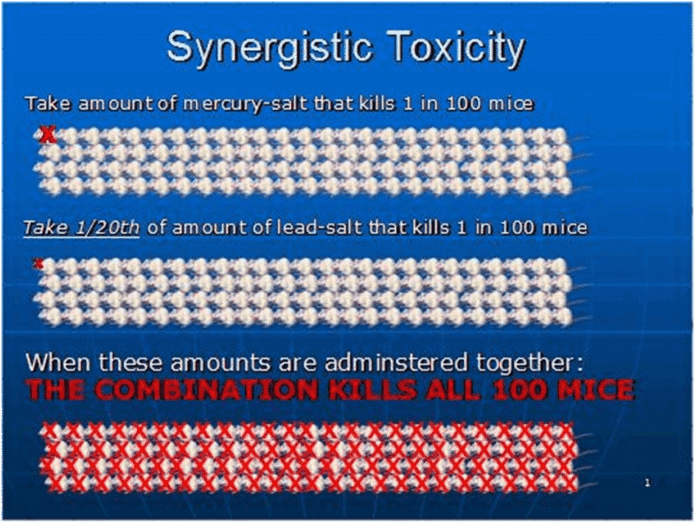


Δεν υπάρχει καμία μελέτη για την συνεργιστική τοξικότητα των γλυκαντικών ενώσεων. Σε πρόσφατη επικοινωνία μου με μια πολυεθνική που παράγει αναψυκτικά με 0 θερμίδες στα οποία χρησιμοποιούνται δυο γλυκαντικές ενώσεις, τους ρώτησα αν έχουν κάνει μελέτη της (πιθανής) συνεργιστικής τοξικότητας των δυο γλυκαντικών ενώσεων. Όχι, μου είπαν…

Αλλά σύμφωνα με την βιβλιογραφία (βλ. Γράφημα, παραπάνω) όταν συνδυάσουμε δυο δηλητήρια… τότε και τα 100 ποντίκια πεθαίνουν.

Το γράφημα δείχνει ότι αν πάρουμε ποσότητα υδραργύρου που σκοτώνει το 1 στα 100 ποντίκια και την συνδυάσουμε με το 1 εικοστό της ποσότητας μολύβδου που σκοτώνει 1 στα 100 ποντίκια, τότε ο συνδυασμός των δυο αυτών βαρέων μετάλλων…ε ξολοθρεύει και τα 100 ποντίκια.

Δεν θέλω να σκεφτώ ούτε για μια στιγμή… τι γίνεται μέσα μας όταν λαμβάνουμε με την τροφή και τα… αναψυκτικά μας πλήθος τεχνητών ενώσεων (π.χ. γλυκαντικά, χρωστικές, συντηρητικά)…

Τα συμπεράσματα δικά σας!


*O Γιάννης Ζαμπετάκης είναι Αναπληρωτής Καθηγητής Χημείας Τροφίμων, στο Τμήμα των  Βιολογικών Επιστημών του Πανεπιστημίου Λίμερικ (UL) στην Ιρλανδία και “παίζει” πάντα Αριστερό Εξτρέμ.

Email: ioannis.zabetakis@ul.ie

Twitter: @yanzabet

Tuesday, 17 August 2021

MegaNatural®-BP grape seed extract and maintenance of normal blood pressure: evaluation of a health claim pursuant to Article 13(5) of Regulation (EC) No 1924/2006


Abstract

Following an application from Praline i Čokolada j.d.o.o. submitted for authorisation of a health claim pursuant to Article 13(5) of Regulation (EC) No 1924/2006 via the Competent Authority of Croatia, the EFSA Panel on Nutrition, Novel Foods and Food Allergens (NDA) was asked to deliver an opinion on the scientific substantiation of a health claim related to MegaNatural®-BP grape seed extract and maintenance of normal blood pressure. The scope of the application was proposed to fall under a health claim based on newly developed scientific evidence. MegaNatural®-BP, a grape seed extract standardised for total phenolics, gallic acid and the catechin and epicatechin content, is sufficiently characterised. The proposed claimed effect, maintenance of normal blood pressure (BP), is a beneficial physiological effect. Among the two human intervention studies provided from which conclusions could be drawn, one showed an effect of MegaNatural®-BP (300 mg/day) on BP in adults with normal and high normal BP when consumed daily for 6 weeks, whereas the second study did not show an effect of MegaNatural®-BP at the same daily dose consumed for 8 weeks in adults with normal and high normal blood pressure or stage 1 hypertension. The evidence provided did not establish a plausible mechanism by which the food could exert the claimed effect in vivo in humans. The evidence provided is insufficient to establish a cause and effect relationship between the consumption of MegaNatural®-BP and maintenance of normal blood pressure.


the full article is here.

Friday, 1 June 2018

The Salmon Polar Lipids of Knowledge

Long ago when Fionn mac Cumhaill, the great leader of the Fianna of Ireland, was still a young boy he was sent to live with a very wise man named Finnegas. Finnegas was a poet who lived on the banks of the river Boyne and was renowned throughout Ireland for his vast knowledge.
As well as being renowned for his skills in composing and reciting poetry Finnegas knew more about the ways of the world, including the secrets of the birds and animals and plants and stars, than any other man in Ireland.

It was because of his vast knowledge that Fionn had been sent to learn from Finnegas. Fionn loved to listen to the old man’s wonderful stories and his many words of wisdom which he too, in time, would learn to recite. In exchange for the wisdom Finnegas would pass on to him Fionn would help about the house, cooking, cleaning and fishing for the old man.

[you can read the rest of the story here]

- - -
under way with the precious support of Elaine


today, it was a great day in the lab; we did a trial run for the postprandial study that is under way in UL. The data are really exciting!


Salmon Polar Lipids do have some secrets against inflammation and cardiovascular diseases.

Watch this space and eat your salmon! It is really good for your heart!

Ioannis
ioannis.zabetakis@ul.ie


p.s. if you want to take part in our study, please drop me a line 😊

Monday, 30 January 2017

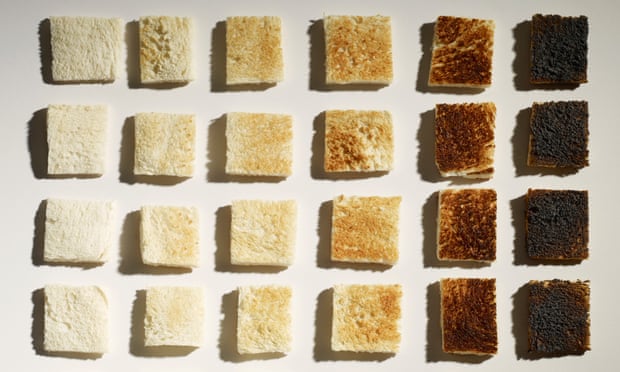
to toast or not to toast?


The UK Food Standards Agency has launched the Go for Gold campaign to urge the public to avoid singeing their toast or leaving roast potatoes to char in the oven. Photograph: Tim Macpherson/Getty Images

from the Guardian:
In October 1997, something troubling was happened around the Hallandsås ridge in southwestern Sweden. Farmers had found cows paralysed or dead in their fields, lifeless fish were spotted floating in a local river and workers at a construction site began suffering from nausea and prickling sensations in their fingers.
source: How burnt toast and roast potatoes became linked to cancer

= = =

The point here is NOT whether acrylamide is directly linked to cancer or not.
The point here should be what the industry and ourselves in our every day practice, we can do to minimise our exposure to cancer risk factors...

This acrylamide story reminded me our project on heavy metals in food tubers, where we had analysed the levels of Ni and Cr in food tubers grown using polluted irrigation water. One can claim that our research has not changed anything major...


Is this true though?

It has definitely changed our views towards Ni and Cr and
our work has been communicated, via greek FSA, EFET, to EFSA. EFSA has worked on this matter and has issued these two scientific opinions

1.Scientific Opinion on the risks to public health related to the presence of nickel in food and drinking water


Overall, the CONTAM Panel concluded that, at the current levels of acute dietary exposure to Ni, there is a concern that Ni-sensitized individuals may develop eczematous flare-up skin reactions. The CONTAM Panel noted the need for mechanistic studies to assess the human relevance of the effects on reproduction and development observed in experimental animals and for additional studies on human absorption of nickel from food, for example in combination with duplicate diet studies.

2.Scientific Opinion on Dietary Reference Values for chromium

The Panel concludes that no Average Requirement and no Population Reference Intake for chromium can be defined. Several studies assessed the effect of chromium supplementation on glucose and/or lipid metabolism. In the only study for which information on total chromium intake was available, there was no difference in parameters of glucose metabolism of normoglycaemic subjects between the placebo and chromium-supplemented periods. The Panel considered that there is no evidence of beneficial effects associated with chromium intake in healthy subjects. The Panel concluded that the setting of an Adequate Intake for chromium is also not appropriate.

= = =
Food Toxicity is a massive topic, often underestimated...Articles such as this one of Hannah Devlin though are very useful in multiple ways.


Monday, 5 September 2016

How to make a health claim


Several things are needed.
1. well founded work on a specific feature of the product.
2. study the regulations
3. create valid claims linking scientific data to EFSA guidelines.

The following info is helpful, based on this paper.
Health claims on foods must be scientifically substantiated under EU Regulation 1924/2006.
•
The European Food Safety Authority (EFSA) has evaluated around 3000 health claims.
•
Ca 250 health claims were found to be sufficiently substantiated.
•
EFSA has published guidelines and guidance documents for health claims.
•
All claims that are not authorised or on hold/under consideration are prohibited.

--------------

success rate 250/3000...

Friday, 29 April 2016

Health claims and guidelines


Some good news!

By Shane Starling, 28-Apr-2016

The EFSA Journal and its full archive dating back to 2003 has migrated to Wiley Online Library, as the EU’s central agency seeks greater “openness and engagement” for its primary research work.