Rajendran H, Hans S, Stanton JE, Grabrucker AM, Lordan R, Zabetakis I (2022) Targeting the Platelet-Activating Factor Receptor (PAF-R): antithrombotic and anti-atherosclerotic nutrients. Nutrients 14(20) 4414.
This blog is fanatic about FunFood (i.e. FUNctional Food to make us happier and healthier).
Thursday, 20 October 2022
new paper from our group: Targeting the Platelet-Activating Factor Receptor (PAF-R): Antithrombotic and Anti-Atherosclerotic Nutrients
Tuesday, 21 June 2022
new paper from our group: Fermentation Enhances the Anti-Inflammatory and Anti-Platelet Properties of Both Bovine Dairy and Plant-Derived Dairy Alternatives
Figure 1. The anti-inflammatory and anti-platelet potency of bioactive PL (A), TL (B), and NL (C) from fermented and non-fermented plant-derived dairy alternatives, versus bovine milk and yogurt. The anti-inflammatory and anti-platelet potency of lipid bioactives from all samples were assessed against human platelet aggregation induced by the inflammatory and thrombotic mediator PAF (anti-PAF effects in blue bars) or by a classic platelet agonist, ADP (anti-ADP effects in yellow bars). Results are expressed as means of the IC50 values (half-maximal inhibitory concentrations) in µg of lipid extract in the aggregometer cuvette that causes 50% inhibition of PAF/ADP-induced platelet aggregation (the lower the IC50 value for a lipid extract the higher its inhibitory effect against the specific agonist of platelet aggregation). * Denotes statistically significant difference (p < 0.05) when the strongest anti-PAF potency (IC50 value) of the most bioactive lipid extracts were compared with those of all the other samples. # Denotes statistically significant difference (p < 0.05) when the intermediate anti-PAF effects of the PL bioactives from the samples assessed were compared with those showing the lowest anti-PAF effects. † Denotes statistically significant difference (p < 0.05) when the anti-PAF potency (IC50 values against PAF) of the lipid bioactives from a sample was compared to its anti-ADP potency (IC50 values against ADP) of the same sample. Abbreviations: PL: polar lipids; TL: total lipids; NL: neutral lipids; PAF: platelet-activating factor; ADP: adenosine 5′ diphosphate; CPBM: Commercially Purchased Bovine Milk; HMFBM: Homemade Fermented Bovine Milk (Homemade Yogurt); CPFBM: Commercially Purchased Fermented Bovine Milk (Commercially Purchased Yogurt); HMAD: Homemade Almond Drink; CPAD: Commercially Purchased Almond Drink; HMFAD: Homemade Fermented Almond Drink; CPFAD: Commercially Purchased Fermented Almond Drink; HMCD: Homemade Coconut Drink; CPCD: Commercially Purchased Coconut Drink; HMFCD: Homemade Fermented Coconut Drink; CPFCD: Commercially Purchased Fermented Coconut Drink; HMRD: Homemade Rice Drink; CPRD: Commercially Purchased Rice Drink; HMFRD: Homemade Fermented Rice Drink.
===========================================================================
Glenn-Davi
K, Hurley A, Brennan E, Coughlan J, Shiels K, Moran D, Saha SK, Zabetakis I,
Tsoupras A
(2022) Fermentation enhances the anti-inflammatory
and anti-platelet properties of both bovine dairy and
plant-derived dairy alternatives. Fermentation
8 292.
Abs: Within the present study, the effects of fermentation on the anti-inflammatory and anti-platelet properties of both homemade and commercially purchased bovine dairy and almond, coconut, and rice-based dairy alternatives were evaluated. The extracted total lipids (TL) from homemade and commercially- purchased fermented and unfermented bovine, almond, coconut, and rice-based products were further separated into their neutral lipids (NL) and polar lipids (PL) fractions by counter current distribution. The TL, PL, and NL of each sample were assessed in human platelets against the inflammatory and thrombotic mediator, platelet-activating factor (PAF), and the well-established platelet agonist, adenosine 5′ diphosphate (ADP). In all samples, the PL fractions showed significantly stronger inhibitory effects against human platelet aggregation induced by PAF or ADP, in comparison to the TL and NL, with higher specificity against PAF. PL of all fermented products (bovine yogurt and fermented dairy alternatives from almond, rice, and coconut), exhibited the strongest anti-inflammatory and anti-platelet potency, in comparison to PL from their initial pasteurized materials (bovine milk and rice, almond, and coconut-based dairy alternative drinks). PL of the pasteurized rice-based drink and, especially PL from the novel homemade rice-based fermented product (HMFRD), showed the strongest anti-PAF and anti-ADP potency compared to all samples, with anti-PAF activity being most potent overall. The unfermented pasteurized coconut-based drink showed the lowest anti-inflammatory and anti-platelet potency, and the bovine and almond-based fermented products showed an intermediate effect. Further lipidomics with LC-MS analysis of all these PL fractions revealed that fermentation altered their fatty acid content in a way that decreased their degree of saturation and increased the content of unsaturated fatty acids, thus providing a rationale for the stronger anti-inflammatory and anti-platelet potency of the more unsaturated PL fractions of the fermented products. This study has shown that fermentation alters the fatty acid content and the bio-functionality of the PL bioactives in both fermented bovine dairy and plant-based dairy alternatives, and subsequently improved their anti-inflammatory and anti-platelet functional properties.
the full paper is here
Tuesday, 19 April 2022
new paper of our team: Implementation of Sustainable Development Goals in the dairy sector: Perspectives on the use of agro-industrial side-streams to design functional foods
the whole paper is here.
Abstract
Background and objectives
From 2017 to 2020, global milk production ranged from 610,724 to 643,769 thousand tons, but the dairy industry still faces issues related to its carbon footprint and sustainability. According to the United Nations Sustainable Development Goals (SDGs), by 2030, food processors, governmental bodies, and consumers should take actions regarding food production patterns and consumption to decrease the generation of by-products and side-streams and increase their circularity by developing nutritious-rich products. Dairy products have traditionally been manufactured without bioactive ingredients to boost consumers’ health and well-being. To achieve the sustainability goals and the need to reformulate traditional dairy foods to make them more nutritious and reduce their carbon footprint, it is paramount to implement integrated approaches that embody the “farm to fork” ethos.
Scope and approach
This review integrates concepts of food science, technology, nutrition, circular economy, and sustainability to provide an overview of the technological applications of dietary fibre, polyphenols, functional lipids, and carotenoids obtained from agro-industrial side-streams in dairy food formulations.
Key findings and conclusions
Dairy processors can use bioactive ingredients and extracts obtained from agro-industrial side-streams to design potentially functional food models and tentatively market these products with nutritional claims or even with a health claim in case the bioactivity is verified in human intervention trials. This approach will increase the nutritional value of traditional dairy foods and contribute to circularity within food systems, reducing food waste, and enhancing human health.
Thursday, 3 March 2022
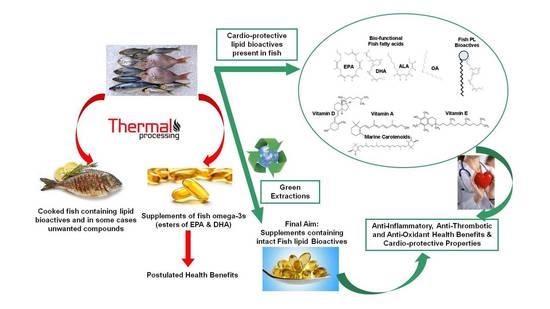
New paper from our group: Cardio-Protective Properties and Health Benefits of Fish Lipid Bioactives; The Effects of Thermal Processing
Cardio-protective properties and health benefits of fish lipid bioactives; the effects of thermal processing. Mar Drugs 20(3) 187.
Tsoupras A, Brummell C, Kealy C, Vitkaitis K, Redfern S, Zabetakis I (2022)
Abstract
Monday, 13 September 2021
new paper from our group: Microalgal Lipid Extracts Have Potential to Modulate the Inflammatory Response: A Critical Review
Microalgal Lipid Extracts Have Potential to Modulate the Inflammatory Response: A Critical Review
Abstract
Wednesday, 25 August 2021
new paper from our group: Anti-Platelet Properties of Apple Must/Skin Yeasts and of Their Fermented Apple Cider Products
Anti-Platelet Properties of Apple Must/Skin Yeasts and of Their Fermented Apple Cider Products
Abstract
Wednesday, 12 May 2021
new paper from our group: Anti-Inflammatory and Anti-Platelet Properties of Lipid Bioactives from Apple Cider By-Products
Anti-Inflammatory and Anti-Platelet Properties of Lipid Bioactives from Apple Cider By-Products
Abstract
Sunday, 11 April 2021
new paper from our group: Inflammation and Chronic Diseases: The Polar Lipid Link
Inflammation and Chronic Diseases: The Polar Lipid Link
Lordan R, Zabetakis I, Tsoupras A
Proceedings 2021, 70(1), 70; https://doi.org/10.3390/foods_2020-07598
Abstract
Tuesday, 16 February 2021
New Paper from our group: Antithrombotic and antiplatelet activity of an organometallic rhodium(I) complex incorporating a substituted thieno‐[2,3‐d]‐pyrimidine ligand: Synthesis, structural characterization, and molecular docking calculations
New paper just published in Appl. Organomet. Chem.
Abstract
The antiplatelet and antithrombotic activity of a novel organometallic rhodium(I) complex of the formula [Rh(cod)Cl(tpc)] (1) (cod = cis‐1,5‐cyclooctadiene; tpc = methyl 2‐amino‐4‐(diethylamino)‐thieno‐[2,3‐d]‐pyrimidine‐6‐carboxylate) was investigated. Complex 1 was easily synthesized by a one‐pot, high‐yield reaction and was fully characterized by standard spectroscopic techniques including FT‐IR, UV–Vis, and NMR spectroscopy and by elemental analysis. The molecular structures of tpc and 1 were determined by single‐crystal X‐ray crystallography. Complex 1 displayed a slightly distorted square planar geometry and is the first crystallographically characterized example of a coordination compound bearing the ligand precursor tpc. Biological studies demonstrate that 1 displays strong antiplatelet and antithrombotic properties in vitro, by inhibiting both the aggregation of human and washed rabbit platelets induced by the potent inflammatory and thrombotic mediator, platelet‐activating factor (PAF) in the micromolar range. This is an approach of continuous interest in the field. Molecular docking calculations suggest that 1 can fit at the ligand‐binding site of the PAF receptor (PAFR) and thus block PAF thrombotic activities, through an antagonistic effect on the PAF/PAFR‐related pathway, which is in accord with the experimental findings. Complex 1 constitutes an interesting example of a metal‐based PAF inhibitor with promising antiplatelet, antithrombotic, and anti‐inflammatory activity, because PAF is the most potent inflammatory lipid mediator. This is also supported by the fact that 1 is an inhibitor of other inflammatory and thrombotic mediators like thrombin, along with well‐established platelet agonists like ADP and collagen.
Friday, 12 February 2021
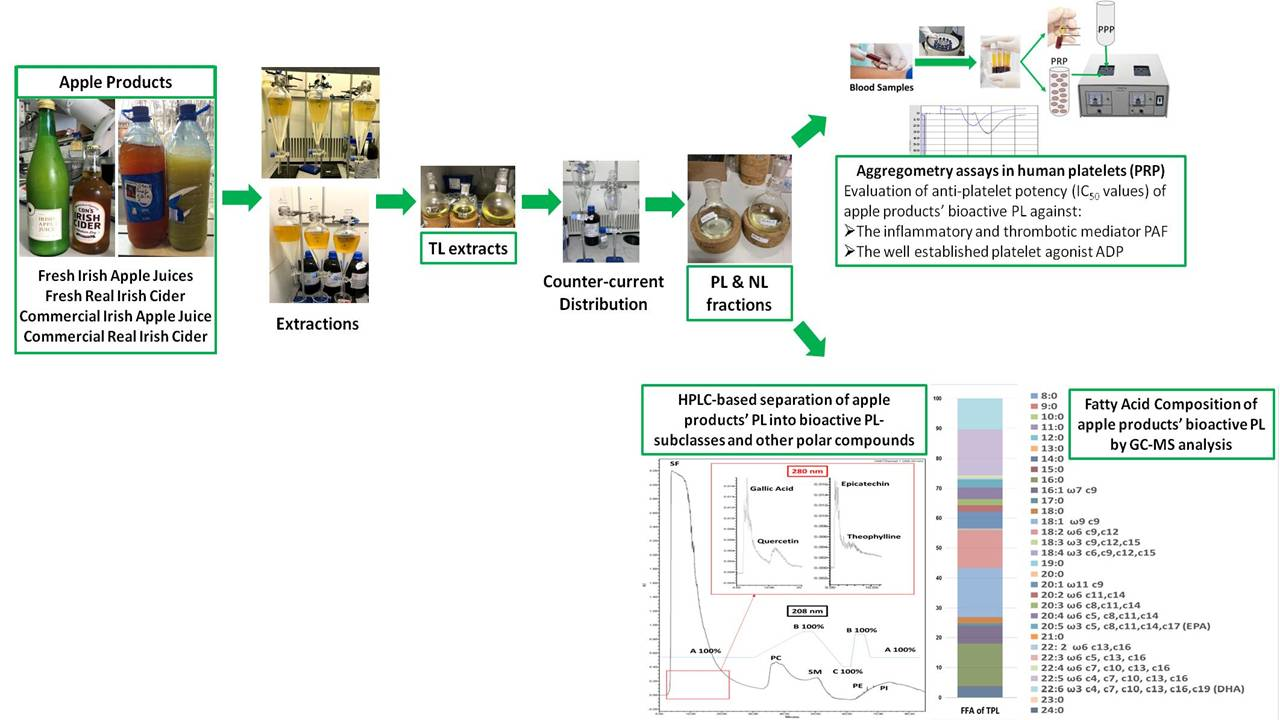
new paper from our group: Beneficial Anti-Platelet and Anti-Inflammatory Properties of Irish Apple Juice and Cider Bioactives
paper just published in Foods
Thursday, 17 December 2020
New paper from our group
Let me introduce this paper to you: it's a collaboration between UL, LIT, SIT and St. Angela’s Food Technology Centre in Sligo.
The first author of the paper is an (ex-)MSc student of mine; with Shane who is a chef, we had decided to study the sous-vide cooking methods and its impact on sensory and nutritional value of salmon.
I met Maria Dermiki when she worked for a short period in UL before moving to SIT but we kept communication alive and Maria introduced me to Shelley. With Maria and Shelley, we did this amazing work on sensory properties in Sligo's St Angela's Food Technology Centre.
Katie and Sushanta are our longstanding collaborators in LIT and Ronan has now finished his PhD with me and he is post-docing now at UPenn.
Alexandros and myself we are the FLIPS team in UL and you can read more about us the 3rd issue of our Departmental Newsletter.
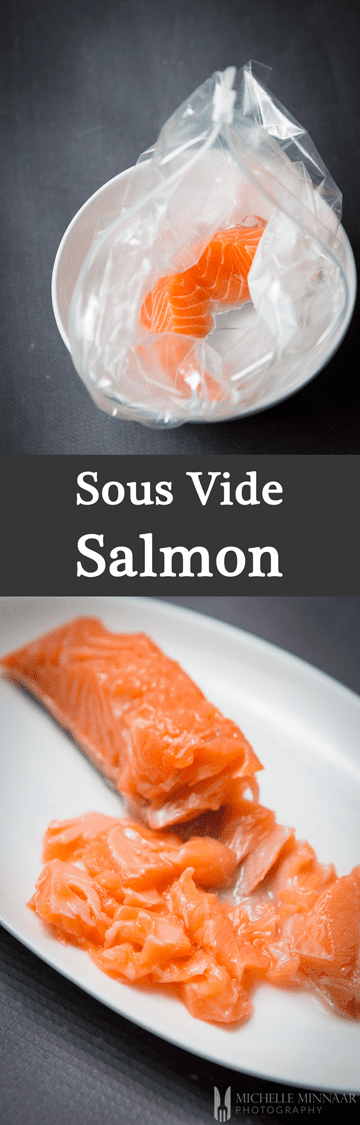
The effects of cooking salmon sous-vide on its antithrombotic properties, lipid profile and sensory characteristics
Highlights
- • Mild sous vide cooking beneficially preserved the antithrombotic potency of salmon PL.
- • Levels of MUFA and n3 PUFA in salmon PL were not affected by mild sous vide conditions.
- • The antithrombotic properties and EPA and PUFA levels, were reduced only in sous vide un-brined salmon treated at higher temperatures.
- • The n6/n3 PUFA ratio remained at beneficial low levels in sous vide cooked salmon PL.
- • Sous vide preserve cardioprotective properties of salmon without affecting sensory characteristics.
- Abstract
Fish contains bioactive polar lipids (PL) and is mainly consumed cooked. The aim of this study was to evaluate the sensory characteristics of sous-vide cooked salmon and the in vitro cardio-protective properties of its PL. PL were extracted from brined and un-brined sous-vide preparations in 52°C, 65°C, and 80°C, while their antithrombotic cardio-protective properties were assessed in human platelets and their fatty acid (FA) content was evaluated by LC-MS. Sensory tests were performed using napping followed by check-all-that apply (CATA). Mild temperatures (52°C, 65°C) did not affect the inhibitory effect of PL from brined and un-brined salmon, against human platelet aggregation induced by platelet-activating factor (PAF), thrombin, adenosine diphosphate (ADP) or collagen. In higher temperatures used for pasteurization (80°C), a reduction of antithrombotic properties was observed in PL from both un-brined and brined salmon samples. This reduction was accompanied by a decrease of their n3 eicosapentaenoic acid (EPA) and overall polyunsaturated FA (PUFA) content, but only in the PL of the un-brined salmon preparations. Thus, changes in the fatty acid content of PL of all sous vide salmon preparations, and especially of specific PUFA, seem to be associated with the observed changes in their antithrombotic potency. Changes in the content of the n-3 docosapentaenoic acid (DPA), a precursor of EPA and docosahexaenoic acid (DHA), seem to be associated with differences observed in the antithrombotic potency of PL from different sous vide salmon preparations. Taste attributes were not affected by the conditions of sous-vide preparations, whereas slight textural differences were observed in samples treated at 65°C and 80°C. These outcomes, if combined with the observed low values of the n-6/n-3 PUFA ratio in PL of all sous-vide preparations, further suggest a beneficial role for such a mild cooking procedure for preserving the antithrombotic and cardio-protective properties of salmon without affecting its sensory characteristics.
- You can read the full paper here.
-
Wednesday, 24 June 2020
New paper from our group
Over the past 15 years, we have been working on the anti-thrombotic properties of polar lipids in foods (marine, fermented dairy, plant-origin).
We have detected in vitro (published) , in vivo (published) and ex vivo (patent pending) strong activities of polar lipids against platelet aggregation and thrombosis, which are the first steps of the formation of atheromatic plaque.
Over the last few years, we have shifted this work towards the structure-function relationship of these lipids: i.e. why neutral omega-3 do not work but polar lipids work? Structural work has helped us understanding the functional properties of these polar lipids and how they are linked to specific molecular moieties.
= = =
Yesterday, our latest paper was published; it's our second paper on ovine (sheep) yoghurt and our first joint paper (many more to come) with the group of Dr Raymond Thomas in Memorial Uni, Newfoundland, Canada.
Yoghurt fermentation alters the composition and antiplatelet properties of milk polar lipids
Abstract
Keywords
Friday, 27 March 2020
new paper from our group
Alexandros Tsoupras 1,2
,
Ronan Lordan 1,2
,
Jack Harrington 1,
Rebecca Pienaar 1,
Karen Devaney 1,
Stephanie Heaney 3,
Anastasios Koidis 3 and
Ioannis Zabetakis 1,2,*
= = = = = = = =
After hundreds of cups of tea at Scholars in UL, here it is :
our first paper on tea cardioprotective properties
derived from our excellent collaboration of our group
with the group of Tassos Koidis in Queen's University in Belfast.
Thanks Stephanie and Tassos for your work on this.
Special thanks are also due to our Final Year Project (FYP) students (then) - now Food Science and Health UL graduates, Jack, Rebecca and Karen : great work, well done everyone!
Stay safe and calm, and Enjoy your Tea!
Monday, 16 September 2019
new paper from our team
our latest paper was published yesterday...
, Eoin O’Keeffe 1, Ronan Lordan 1,2
, Shane Redfern 1 and Ioannis Zabetakis 1,2
Abstract
Monday, 26 August 2019
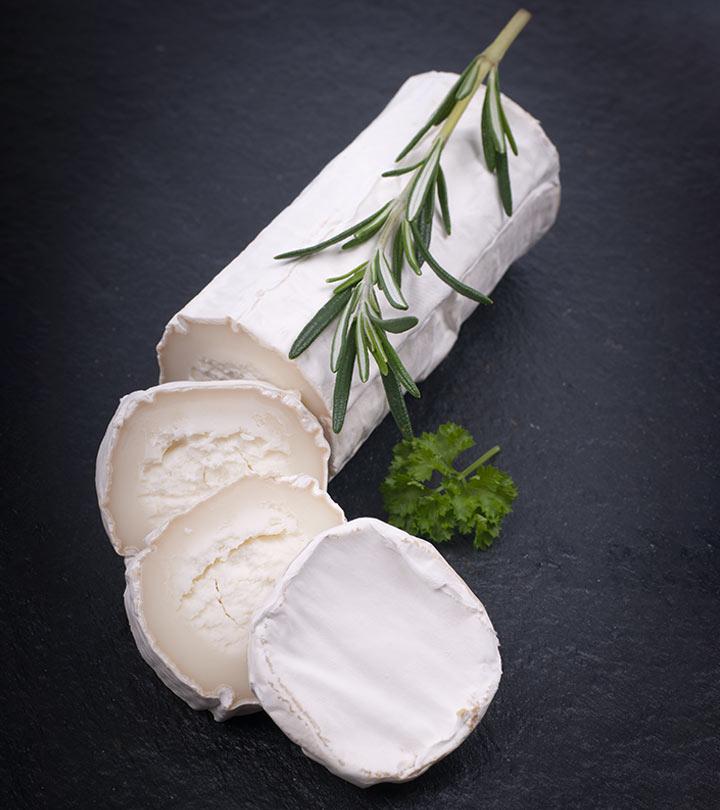
new paper from our group: Caprine milk fermentation enhances the antithrombotic properties of cheese polar lipids
Caprine milk fermentation enhances the antithrombotic properties of cheese polar lipids
Abstract
= = =
the full paper is here
Wednesday, 5 June 2019
Changes in plasma phospholipid fatty acid profiles over 13 years and correlates of change: European Prospective Investigation into Cancer and Nutrition-Norfolk Study
Associations between changes in food groups and changes in plasma fatty acid groups from 1993–1997 to 1998–2000 (between study health checks 1 and 2): European Prospective Investigation into Cancer and Nutrition-Norfolk Study. Mixed-effects linear regression models were used in the analyses. Each value represents a mean relative difference (%) in change/y in mol% of each fatty acid group, per 1-standard serving/d/y increase in food groups (*P < 0.05 and **P < 0.01). Red and blue boxes indicate positive and negative associations, respectively, of change/y in food consumption with change/y in mol% of fatty acids. Mean annual changes in mol% of each fatty acid group are presented in the top row (above the box). Serving sizes were defined as 10 g/d for margarine, liver, nuts, and seeds; as 1 g/d for vegetable oil and 10 units/wk for alcohol; and as 100 g/d for the other food groups. All the estimates were mutually adjusted for changes in food groups and baseline consumption levels of those foods, and adjusted for baseline levels of the given fatty acid and other potential confounders (see Methods text for detail). TFA, trans-fatty acids.
= = = = = = = = = = = = = = = = = = = = = = = = = = = = = = = = = = = = = = = = = = =
this is an interesting study of changes in plasma fatty acid changes over 13 years.
Monday, 20 May 2019
new paper from our group
Total, Neutral, and Polar Lipids of Brewing Ingredients, By-Products and Beer: Evaluation of Antithrombotic Activities
Friday, 25 January 2019
new article from our team
![]() |
| graphical Abs |
The effect of ovine milk fermentation on the antithrombotic properties of polar lipids
Abstract
Wednesday, 28 November 2018
let's talk about FAT
It is in the news every other day.
It is at the back of the mind of thousands of scientists.
For all of us who work in jobs related to Nutrition and fat (i.e. lipids, fat content, full fat or reduced fat foods), it is rather obvious now.
We have been making the same mistake for a considerable length of time.
We were believing that fat is not good, we were designing low fat foods and drinks.
Foods and drinks that had worse sensory properties (since fat=lipids are tasty!) and lower (actually!) nutritional value against a number of chronic diseases.
Few months ago, we decided to put all these ideas and so we wrote there two papers:
1. Dairy Fats and Cardiovascular Disease: Do We Really Need to Be Concerned?
2. Inflammation, not Cholesterol, Is a Cause of Chronic Disease
the message we advocate is simple, very simple:
forget the low fat dairy (milk, butter analogues, yoghurt, drinks like kefir),
FAT IS GOOD! it tastes good but also it has positive nutritional value against cardiovascular diseases.
If you think the same, pass the word around :)
Thanks and say yes to full fat food! It tastes better and it protects your heart better!
Ioannis
Tuesday, 14 August 2018
New Publication of our team: Phospholipids of goat and sheep origin: Structural and functional studies
StylianosPoutzalisaRonanLordanbConstantinaNasopouloucIoannisZabetakisb
- a
- Laboratory of Food Chemistry, Department of Chemistry, National and Kapodistrian University of Athens, 15771, Athens, Greece
- b
- Department of Biological Sciences, University of Limerick, V94 T9PX, Limerick, Ireland
- c
- Department of Food Science and Nutrition, School of the Environment, University of the Aegean, Myrina, Lemnos, 81400, Greece
Abstract
Highlights
- •
- Lipidomic profiles of raw and baked goat and sheep meat have been studied.
- •
- Anti-atherogenic activities of polar lipids of meat samples have been evaluated.
- •
- The most bioactive fractions of polar lipids have been studied by LC–MS.
- •
- The anti-anterogenic activities are due to phosphatidylcholine derivatives.
- •
- Sheep and goat meat are excellent sources of bioactive lipids against CVDs.= = =Full paper is available here