
Monday, 28 September 2026

Thursday, 17 September 2026
Radiology and the reading room consult

= = = = = =
Radiology used to have something that was almost invisible because it was so routine:
The reading room consult. Rounding teams came down. Surgeons pulled up their cases. Internists brought the scan that didn't quite fit the clinical picture. Sometimes the radiologist solved the problem. Sometimes the clinician supplied one piece of history that completely changed how the images were interpreted. And usually everyone simply walked away a little sharper. But something else was happening during all of those conversations. We were learning each other. As a radiologist, I learned what individual physicians cared about. I knew which findings mattered to a particular surgeon. Which measurements an oncologist was following. Which details a specialist wanted emphasized. What questions they were really asking, even when the order just said "pain." And they learned me. They knew who was reading their study. They knew they could walk in, point at something, challenge an interpretation, or ask, "What do you think?" That relationship created context. It created feedback. It created trust. And over years, it created a kind of institutional knowledge that never appears in the medical record. When radiology becomes a report produced by someone hundreds or thousands of miles away, we don't just lose proximity. We risk losing that entire feedback loop. The report may still be technically excellent. But the radiologist knows less about the physician. The physician knows less about the radiologist. The radiologist sees less of what happened after the report. And both sides lose opportunities to make each other better. The reading room was never just a room. It was where imaging became part of the clinical conversation. We should think very carefully before designing that conversation out of medicine. Inspired by a conversation yesterday with . Also and .Carl Sagan sat in front of the United States Senate
In 1985, Carl Sagan sat in front of the United States Senate and described the weather of 2026.
Not as prediction. As physics. Sitting across from him was a junior senator named Al Gore — who would later win the Nobel Prize, the Oscar, and build a climate investment fund worth over $36 billion repeating almost word for word what Sagan said that afternoon. Sagan opened with Venus. 470°C surface temperature. 900°F. Hot enough to melt lead. "Not because it's closer to the sun," he told the senators. "Venus actually reflects more light than Earth. It should be cooler." The reason it wasn't: carbon dioxide. A runaway greenhouse effect that turned a planet nearly identical to Earth into a furnace. Then he looked at the committee and said: we're running the same experiment here. The senators nodded politely. Then they went back to approving fossil fuel subsidies. What Sagan told Congress in 1985: Global average temperature will rise several degrees by mid-to-late next century. Local climates will redistribute. Glaciers will melt. Sea levels will rise. And the problem cannot be solved by any single nation — not even if the US and Soviet Union agreed on everything — without China. China, he said, had the world's largest coal reserves and was about to industrialize. Every sentence was correct. He also said something that got almost no coverage at the time: "The initial stages of global temperature increase — one region might benefit while another suffers." That is the sentence that explains the last 20 years of geopolitics. Canada's growing season expanding while Pakistan floods. Russia opening Arctic shipping lanes while Bangladesh disappears. The politics of climate was never going to be clean because the physics wasn't distributed evenly. Sagan mapped all of it from first principles, in a Senate hearing room, 41 years ago. The part nobody quotes: He didn't say stop burning fossil fuels immediately. He said: "That has such severe economic consequences that no one will take it seriously." So he proposed something else — remove government subsidies from fossil fuels, accelerate solar, develop safe nuclear fission, and begin building international frameworks before the crisis made them impossible. That's not an environmentalist's speech. That's an economist's. Carl Sagan wrote 20 books. Cosmos was watched by 500 million people across 60 countries. He won the Pulitzer. The ideas in this testimony became the scientific foundation for a carbon market now valued at over $800 billion annually. He said one line at the end that nobody remembers. "We are all in this greenhouse together." In 1985, that was poetic. Now it's a weather report. The full testimony is free on YouTube. 17 minutes. Almost nobody outside of climate policy circles has watched it as a complete predictive model — laid out in plain language before any of it happened.Wednesday, 16 September 2026
More than 100,000 people in Japan are now aged 100 or older
When records began in 1963 there were only 153 centenarians in Japan - now there are 107,677
= = =
Food science, lifestyle and life expectancy at their best
It's amazing: authorities in Japan are worried because life expectancy has increased and birth rates are lower than deaths.
In stand of cherishing the fact that more and more people become centenarians, the government calls this an existential crisis.
Mad?
Tuesday, 15 September 2026
How nutrition and health claims shape cheese choices: insights for food fortification and new product development
The purpose of this study was to investigate the effect of nutrition and health claims on willingness to try and perceived healthiness of multiple cheese product concepts. Consumers (n = 603) from Ireland and the UK completed an online survey on cheese attitudes and usage. Factor analysis was used to generate constructs related to innovativeness, habits and health. These constructs were used in cluster analysis. Two clusters were identified: the “healthy and curious” (n = 363, health-interested, innovative and externally influenced) and the “traditional users” (n = 240, cost and convenience). Data analysis was conducted using SPSS v29 (IBM, USA). Consumers were most willing to try full-fat cheese, despite being perceived as less healthy (P < 0.001). Low-fat cheese was regarded as a healthier (P < 0.0001) option but had a lower willingness to try (P < 0.005). The addition of nutritional claims relating to protein, vitamins and health claims for muscle and bone health increased the perceived healthiness (P < 0.001) but decreased willingness to try relative to full-fat cheese (P < 0.05). The “healthy and curious” were more willing to try cheeses with nutrition and health claims (P < 0.01) than “traditional users” (P < 0.001). A moderate to strong positive correlation was observed between perceived healthiness and willingness to try (r = 0.504 to r = 0.626, P < 0.001). This study offers original insights into how consumers balance health perceptions and preferences, particularly within segmented consumer groups. Unlike previous research, it specifically examines the differential impact of nutritional claims across consumer segments for cheese. The findings highlight the importance of targeted and segment-specific population health strategies.
Encapsulated Salmon Polar Lipids Modestly Reduce Postprandial Platelet Sensitivity to PAF and Thrombin in Healthy Adults: A Pilot Study
The postprandial effects of a novel food-grade extracted salmon polar lipids (SPL) supplement against platelet-activating factor (PAF) and thrombin-induced platelet aggregation in a human pilot study was evaluated. This study was double-blinded, crossover, and placebo controlled in design. Five healthy volunteers completed 4 h time-course trials on 5 separate days. Blood was drawn at baseline before subjects consumed a standardized breakfast with one of the following treatments: a low-dose (0.25 g) or a high-dose (0.5 g) of SPL encapsulated within a stomach resistant capsule (LDSR and HDSR respectively) or a non-resistant capsule (LDSNR and HDSNR, respectively), or placebo capsules containing food-grade glycerin (0.5 g; Placebo). Blood was analyzed at 1 h intervals for 4 h. Among the treatments tested, the high-dose non-resistant capsule (HDSNR) produced the clearest postprandial effects, inducing significant increases in EC50 (reduced platelet sensitivity) for PAF at 2–3 h and for thrombin at 3–4 h post-ingestion. Smaller or delayed effects were observed with the high-dose resistant capsule (HDSR), while low-dose formulations produced minimal changes. Postprandial plasma glucose, lipid profile (TC, HDL-C, LDL-C, TG), fibrinogen, prothrombin time, and activated partial thromboplastin time remained unaffected across all trials. This pilot study provides the first in vivo indication that SPL supplementation may modestly attenuate platelet responsiveness to both PAF and thrombin without altering standard haemostatic or metabolic biomarkers. Larger controlled studies are warranted to confirm these preliminary findings and define optimal dosing and formulation strategies.
Outcomes of cardiovascular screening in men aged 60–64 years: the DANCAVAS II trial

What happened to 'statins save lives'? In this 31,000 person RCT over 7 years, CVD screening put 44.33% of people on statins (compared to 30.25% in non screening) but prevented neither deaths nor CV events (HR 0.96). Funny how I don't see this trial EVER being discussed by cardiologists. One major difference with this trial compared to so many other statin trials is that it is not funded by a statin maker.
The paper:
Outcomes of cardiovascular screening in men aged 60–64 years: the DANCAVAS II trial
Conclusions
Invitation to a comprehensive CT-based screening for subclinical CVD did not decrease death over 7 years among men aged 60–64 years but did increase severe bleeding. Because the trial was powered for events over 10 years, further follow-up is needed.
Friday, 11 September 2026
Something you would need after a night out

Purging was one of the hangover cures prescribed in the Middle Ages. Tacuinum Sanitatis manuscript
Anyone who has ever woken up with a hangover will recognise its physical and psychological effects: headache, nausea, self-loathing, regret, and perhaps even some shame at the uninhibited behaviour that accompanied the intoxication.
In these days of smartphones, any shame experienced by the foggy memory of drunken behaviour the night before is invariably worse when there is photographic evidence online forever for all to see and judge.
====
it's true, isn't it?
Full article is here.
Your brain may be doing its most important work when you think you’re doing nothing
Forget your phone, guys!
Let your brain breath!
Worth a read:
Thursday, 10 September 2026
Real foods rather than labels
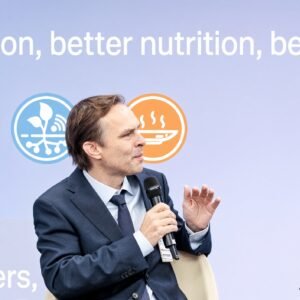
Bioengineer, PhD in applied biological sciences and professor of food science at the Vrije Universiteit Brussel (VUB), Frédéric Leroy kindly agreed to give us some of his precious time to answer our questions. In this interview, he sets out his view of the nutritional and cultural role of animal-sourced foods and of fermented food traditions, and offers some criticisms of the EAT-Lancet report and of Nutri-Score. Faced with obesity and metabolic disease, he defends a “Nourishment Table” based on nutrient density and the degree of processing, rather than simplistic scores or a single dietary model.
TES.: You do not hesitate to take a public stance, including criticism of certain NGOs and of initiatives such as the EAT-Lancet report. What are the main points of disagreement you want to highlight?
FL: The EAT-Lancet report and related agendas — pushed by some agri-food giants, lobbyists from the “vegan-tech” world, activist NGOs, prestigious research centres, and bodies at the epicentre of transnational power such as the WEF and the United Nations — rest on fragile scientific premises and a technocratic approach. They propose a near-vegetarian global diet, with a drastic cut in red meat and animal products, presented as the unique solution for health and the planet (what has been called the “Great Food Transformation”). Yet this model underestimates the complexity of food systems, cultural diversity, agronomic realities and differentiated nutritional needs.
Claims of health benefits are overstated, while risks of deficiency (especially in vulnerable groups) are minimised. The environmental approach often suffers from tunnel vision that neglects the co-benefits of livestock systems (biodiversity, soils, use of non-arable land, and so on). The proposed alternatives (ultra-processed “plant-based” products, cultivated meat, precision fermentation) remain unproven at scale, are often rejected by markets, and may be problematic for public health and wellbeing.
Some influential NGOs and coalitions use these frameworks to push interventionist policies that risk harming farmers, creating nutritional deficits and imposing an elitist vision disconnected from local realities. The Dublin Declaration and the Denver Call for Action recall that livestock systems are too precious to be sacrificed to simplification or ideological zeal. We need flexible, regional solutions grounded in robust data — not unique, virtual, heavily prescriptive models.
= = =
My view : I follow the work of Frederic for a number of years. What I admire to him, is his public stance based on strong data, not political views. Good science has (or should have) a societal approach and it is scientists us to communicate the Science to colleagues, NGOs and bodies who formulate food policies.
Tuesday, 8 September 2026

Monday, 7 September 2026
Ένας αληθινός Δάσκαλος! Με το δέλτα κεφαλαίο !

Photo from 10 Top Tips for Teaching University Students – Promethean World
= = = = = =
Λοιπόν, θα σας γράψω πώς αγάπησα τα μαθηματικά.
Στην Α΄ Γυμνασίου είχα μια καθηγήτρια με την οποία δεν είχα καθόλου χημεία. Δεν την παρακολουθούσα, δεν με ενδιέφερε ιδιαίτερα το μάθημα και κάπως έτσι τελείωσε η χρονιά. Στη Β΄ Γυμνασίου όμως συνάντησα έναν μαθηματικό που λεγόταν Σωκράτης Γκράτσος. Βλέπετε τι σημαίνει να είναι κάποιος πραγματικά καλός στη δουλειά του; Έχουν περάσει 35 χρόνια και θυμάμαι ακόμη το όνομά του. Μπαίνει λοιπόν ο Γκράτσος στην τάξη και στο πρώτο μάθημα δεν κάνει μαθηματικά. Θέλει πρώτα να γνωρίσει τα παιδιά. Να καταλάβει το επίπεδό τους, τι δυσκολίες έχουν, τι τα φοβίζει στο μάθημα, αν αγαπούν τα μαθηματικά, αν τα μισούν, αν τα βαριούνται και κυρίως γιατί. Αυτό ήταν το πρώτο μάθημα του Σωκράτη. Στο δεύτερο, πάλι δεν ξεκίνησε κανονικό μάθημα. Μας εξήγησε πώς θα μας διδάξει. Τότε, το 1991, ακούσαμε για πρώτη φορά και για την Ελληνική Μαθηματική Εταιρεία. Και μας είπε κάτι πολύ απλό: "Παιδιά, εγώ θα σας τα κάνω πολύ εύκολα. Αλλά πρέπει να με βοηθήσετε κι εσείς." Πρώτα θα μας μάθαινε πώς να διαβάζουμε. Διάβασε τη θεωρία. Κατανόησε πλήρως τις εφαρμογές. Μετά πήγαινε στις ασκήσεις. Αν δεν μπορείς να λύσεις μια άσκηση, κοίτα την απάντηση και προσπάθησε μόνος σου να βρεις τον δρόμο που οδηγεί εκεί. Αν πάλι δεν μπορείς, τότε πήγαινε στο λυσάρι και δες τη λύση. Αλλά το λυσάρι ήταν η τελευταία λύση. Έπρεπε πρώτα να έχεις κάνει ό,τι μπορούσες μόνος σου. Κάθε Σαββατοκύριακο μας έδινε ένα μονόφυλλο με ασκήσεις και τη Δευτέρα τις λύναμε όλοι μαζί. Και το καταπληκτικό ήταν ότι η φωτοτυπία αυτή είχε δομή. Σε προκαλούσε να ασχοληθείς μαζί της. Σε κάθε άσκηση είχε παρατηρήσεις. Είχε προβλέψει πού πιθανότατα θα κολλούσες και σε παρέπεμπε σε συγκεκριμένο σημείο του βιβλίου για να ξαναδιαβάσεις αυτό που σου έλειπε και να μπορέσεις να συνεχίσεις. Δεν σου έδινε απλώς ασκήσεις. Σου μάθαινε πώς να σκέφτεσαι όταν δεν ξέρεις τι να κάνεις. Μας παρότρυνε επίσης να αγοράζουμε και να διαβάζουμε τις εκδόσεις της Ελληνικής Μαθηματικής Εταιρείας. Είχε μάλιστα κατασκευάσει μόνος του έναν τεράστιο ξύλινο πίνακα με αριθμημένους άξονες xx' και yy' , για να μας εξηγεί γραφικές παραστάσεις, καμπύλες και ό,τι άλλο χρειαζόταν. Και όλα αυτά τα έκανε ένας δημόσιος υπάλληλος. Ένας από αυτούς τους "τεμπεληχανάδες", όπως τόσο εύκολα συνηθίζει να χαρακτηρίζει συλλήβδην ο μέσος Έλληνας τους ανθρώπους του Δημοσίου. Η ουσία όμως είναι μία: Ο Σωκράτης Γκράτσος κατάφερε ένας άνθρωπος 49 ετών σήμερα να θυμάται ακόμη το όνομά του, 35 χρόνια αργότερα, επειδή κάποτε του έμαθε να αγαπά τα μαθηματικά. Και δεν ήμουν ο μόνος. Στην Α΄ Λυκείου, στο ΕΠΛ Ηλιούπολης, είχα κάποιο μαθηματικό που σε ένα διάλειμμα, μάζεψε πέντε μαθητές από την τάξη και ρώτησε τι κοινό είχαν μεταξύ τους στα μαθηματικά. Και οι πέντε είχαμε υπάρξει μαθητές του Σωκράτη Γκράτσου. Αυτό, για μένα, είναι εκπαιδευτικός. Και ίσως αυτό να είναι και το σημαντικότερο πράγμα που μπορεί να αφήσει πίσω του ένας καθηγητής. Να ξεχάσεις κάποτε τις ασκήσεις που σου έμαθε, αλλά να μην ξεχάσεις ποτέ ότι εκείνος σε έκανε να θέλεις να τις λύσεις.Thursday, 3 September 2026
The fat you eat is not the fat in your blood !
A 6-month trial just showed that a higher-fat, low-carbohydrate diet lowered circulating saturated fat compared with a higher-carbohydrate diet, even though people on the low-carb diet ate far more saturated fat. Palmitoleic acid, a marker of the liver making new fat from carbohydrates, also fell. All of this matches up with previously published data: when carbohydrate comes down, circulating saturated fat comes down with it.
That is the part the diet-heart story often misses. Much of the saturated fat in the blood is not arriving from the meal, but is being made. Cut the carbohydrates, insulin comes down, and the fat-generating signal to the liver turns down. All of this matters for insulin resistance. When circulating saturated fats in the blood come to a cell, they can be used to make ceramides--the very molecules that impair insulin signaling. Less saturated fat in circulation means less raw material for that process.[source]
Wednesday, 2 September 2026
Cod, EU and Iceland

Photo from Can fish have regional accents? These cod do, scientists say
A few thoughts about Iceland's referendum.
Let's have a look at the past, so we can understand better the present (and the future).
There have been 3 Cod wars between Iceland and UK [ Cod wars podcast ]
Today, Iceland has its own currency and thus flexibility. The country is in the Schengen agreement - hence it benefits by free traveling of people within Schengen.
They have a thriving economy and high standards of living.
So, why would they wish to join EU?
Ireland has suffered by the decreasing fish quotas (more details, here).
Probably, Icelanders can see this...
Tuesday, 1 September 2026
Irish bees get their due
Where is the bee you have with your breakfast? EU? non-EU? Far East? Africa?
This is one more example where traceability is not applied.
Let's remember here that traceability is a legal obligation!
Traceability legislation is designed to allow businesses and authorities to trace and follow products, ingredients, or raw materials through all stages of production, processing, and distribution. In the EU, the General Food Law Regulation (Regulation 178/2002) establishes the legal framework for food traceability, obliging food businesses to identify at least the immediate supplier and immediate recipient of a product, except for retailers supplying final consumers. This is commonly referred to as the one-up-one-down system.
Article 18
Traceability
1. The traceability of food, feed, food-producing animals, and any other substance intended to be, or expected to be, incorporated into a food or feed shall be established at all stages of production, processing and distribution.
2. Food and feed business operators shall be able to identify any person from whom they have been supplied with a food, a feed, a food-producing animal, or any substance intended to be, or expected to be, incorporated into a food or feed.
To this end, such operators shall have in place systems and procedures which allow for this information to be made available to the competent authorities on demand.
3. Food and feed business operators shall have in place systems and procedures to identify the other businesses to which their products have been supplied. This information shall be made available to the competent authorities on demand.
4. Food or feed which is placed on the market or is likely to be placed on the market in the Community shall be adequately labelled or identified to facilitate its traceability, through relevant documentation or information in accordance with the relevant requirements of more specific provisions.
5. Provisions for the purpose of applying the requirements of this Article in respect of specific sectors may be adopted in accordance with the procedure laid down in Article 58(2).
Subscribe to:
Posts (Atom)