Showing posts with label teaching. Show all posts
Showing posts with label teaching. Show all posts
Thursday, 15 October 2026

Sunday, 4 October 2026
about the best job in the whole wide World...

Robin Williams @ Dead Poets Society
= = = = = = =
Did I write "job" (at the title)?
I am sorry, I didn't mean to...
But, when they ask me... I am not saying that I am an "Associate Professor" and all these rather "pompous" words.
What I am saying is this: I am just a teacher... Sever letters, one word...
But, I feel really proud when ex-students of mine call me that... (teacher).
I feel really proud when my students as they leave the lecture theater, they tell me "thank you". So precious these 2 words...
As I am writing these lines, I am having Cyrus on my side and James Blunt at a small speaker...
I just watched "Good Will Hunting" with my most favourite actor (ever) : Robin Williams.
He is a psychologist at the film and a Teacher (capital T!).
I am not going to spoil it to you - it's a must watch it, again and again...
For many reasons... (also Dead Poets Society is a must watch, especially this clip).
- - -
Pause - James is singing a song about Dads...
And this song...makes me... a bit emotional...
- - -
Anyway, my Dad is up there now, smiling to me...
- - -
Ok, back to what I was talking about.
My Mum was a teacher of Chemistry in a secondary school in Athens.
She is long retired now but she keeps reminding me this:
"give your best to your students,
so you can write history to their souls
and this is, for us teachers,
a small, but so valuable, immortality"
I don't know if I can ever manage that...
most probably not,
but the way I am seeing this "job" is this:
1. it's not a job!
2. being in the lecture theater and talk about food, food science, the specifics of it but also about the wider picture (where food is not just a material, but a medicine and so many more...) is a blessing,
3. most jobs have KPIs, sheets with data, excel files, powerpoint slides with sales, deficits, gains, profits, blah blah blah - teaching is above all that...
At the end of the day, the biggest joy for a teacher is when her/his students follow their dreams and make them real.
Because, at the end of the day, everything is about this spark that metamorphoses conventional to unique._
Monday, 7 September 2026
Ένας αληθινός Δάσκαλος! Με το δέλτα κεφαλαίο !
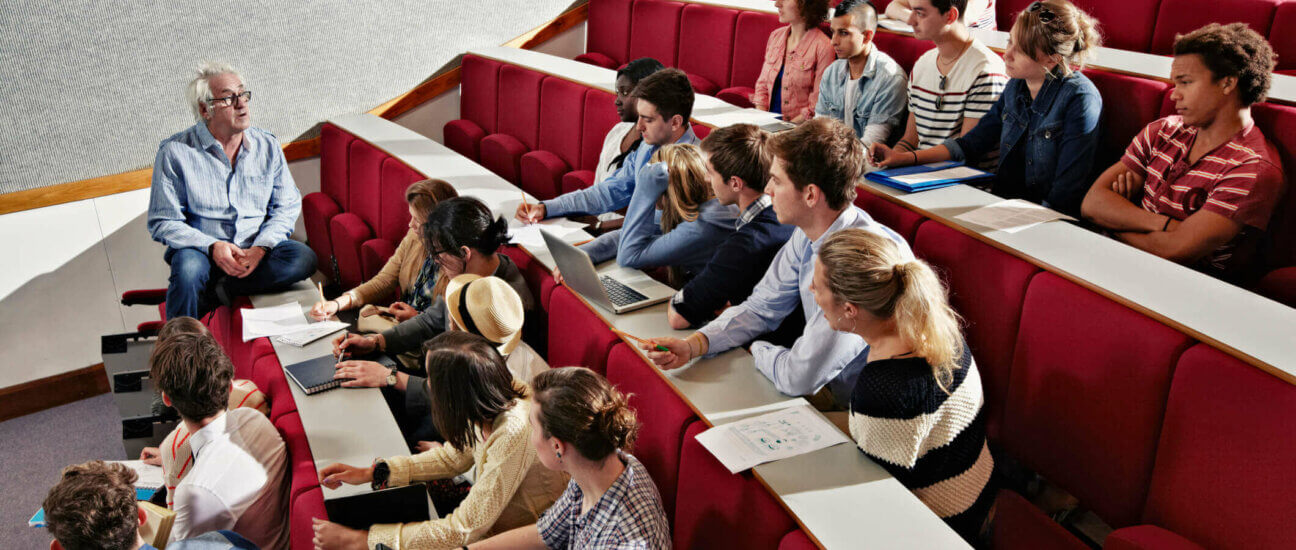
Photo from 10 Top Tips for Teaching University Students – Promethean World
= = = = = =
Λοιπόν, θα σας γράψω πώς αγάπησα τα μαθηματικά.
Στην Α΄ Γυμνασίου είχα μια καθηγήτρια με την οποία δεν είχα καθόλου χημεία. Δεν την παρακολουθούσα, δεν με ενδιέφερε ιδιαίτερα το μάθημα και κάπως έτσι τελείωσε η χρονιά. Στη Β΄ Γυμνασίου όμως συνάντησα έναν μαθηματικό που λεγόταν Σωκράτης Γκράτσος. Βλέπετε τι σημαίνει να είναι κάποιος πραγματικά καλός στη δουλειά του; Έχουν περάσει 35 χρόνια και θυμάμαι ακόμη το όνομά του. Μπαίνει λοιπόν ο Γκράτσος στην τάξη και στο πρώτο μάθημα δεν κάνει μαθηματικά. Θέλει πρώτα να γνωρίσει τα παιδιά. Να καταλάβει το επίπεδό τους, τι δυσκολίες έχουν, τι τα φοβίζει στο μάθημα, αν αγαπούν τα μαθηματικά, αν τα μισούν, αν τα βαριούνται και κυρίως γιατί. Αυτό ήταν το πρώτο μάθημα του Σωκράτη. Στο δεύτερο, πάλι δεν ξεκίνησε κανονικό μάθημα. Μας εξήγησε πώς θα μας διδάξει. Τότε, το 1991, ακούσαμε για πρώτη φορά και για την Ελληνική Μαθηματική Εταιρεία. Και μας είπε κάτι πολύ απλό: "Παιδιά, εγώ θα σας τα κάνω πολύ εύκολα. Αλλά πρέπει να με βοηθήσετε κι εσείς." Πρώτα θα μας μάθαινε πώς να διαβάζουμε. Διάβασε τη θεωρία. Κατανόησε πλήρως τις εφαρμογές. Μετά πήγαινε στις ασκήσεις. Αν δεν μπορείς να λύσεις μια άσκηση, κοίτα την απάντηση και προσπάθησε μόνος σου να βρεις τον δρόμο που οδηγεί εκεί. Αν πάλι δεν μπορείς, τότε πήγαινε στο λυσάρι και δες τη λύση. Αλλά το λυσάρι ήταν η τελευταία λύση. Έπρεπε πρώτα να έχεις κάνει ό,τι μπορούσες μόνος σου. Κάθε Σαββατοκύριακο μας έδινε ένα μονόφυλλο με ασκήσεις και τη Δευτέρα τις λύναμε όλοι μαζί. Και το καταπληκτικό ήταν ότι η φωτοτυπία αυτή είχε δομή. Σε προκαλούσε να ασχοληθείς μαζί της. Σε κάθε άσκηση είχε παρατηρήσεις. Είχε προβλέψει πού πιθανότατα θα κολλούσες και σε παρέπεμπε σε συγκεκριμένο σημείο του βιβλίου για να ξαναδιαβάσεις αυτό που σου έλειπε και να μπορέσεις να συνεχίσεις. Δεν σου έδινε απλώς ασκήσεις. Σου μάθαινε πώς να σκέφτεσαι όταν δεν ξέρεις τι να κάνεις. Μας παρότρυνε επίσης να αγοράζουμε και να διαβάζουμε τις εκδόσεις της Ελληνικής Μαθηματικής Εταιρείας. Είχε μάλιστα κατασκευάσει μόνος του έναν τεράστιο ξύλινο πίνακα με αριθμημένους άξονες xx' και yy' , για να μας εξηγεί γραφικές παραστάσεις, καμπύλες και ό,τι άλλο χρειαζόταν. Και όλα αυτά τα έκανε ένας δημόσιος υπάλληλος. Ένας από αυτούς τους "τεμπεληχανάδες", όπως τόσο εύκολα συνηθίζει να χαρακτηρίζει συλλήβδην ο μέσος Έλληνας τους ανθρώπους του Δημοσίου. Η ουσία όμως είναι μία: Ο Σωκράτης Γκράτσος κατάφερε ένας άνθρωπος 49 ετών σήμερα να θυμάται ακόμη το όνομά του, 35 χρόνια αργότερα, επειδή κάποτε του έμαθε να αγαπά τα μαθηματικά. Και δεν ήμουν ο μόνος. Στην Α΄ Λυκείου, στο ΕΠΛ Ηλιούπολης, είχα κάποιο μαθηματικό που σε ένα διάλειμμα, μάζεψε πέντε μαθητές από την τάξη και ρώτησε τι κοινό είχαν μεταξύ τους στα μαθηματικά. Και οι πέντε είχαμε υπάρξει μαθητές του Σωκράτη Γκράτσου. Αυτό, για μένα, είναι εκπαιδευτικός. Και ίσως αυτό να είναι και το σημαντικότερο πράγμα που μπορεί να αφήσει πίσω του ένας καθηγητής. Να ξεχάσεις κάποτε τις ασκήσεις που σου έμαθε, αλλά να μην ξεχάσεις ποτέ ότι εκείνος σε έκανε να θέλεις να τις λύσεις.Thursday, 27 August 2026
Bewilderment of Feelings

An elderly academic, on the evening of his academic jubilee, receives a tribute book from his students. He opens it. He sees his portrait. And something cracks. Because this man smiling on the page, this respected professor, this celebrated scholar, remembers that his vocation, his thought, perhaps his entire life, comes from a single being. A professor he met in his youth. A man who transformed him. A man he never truly understood. What follows is an intimate confession, written with that hallucinatory precision that is Zweig's hallmark, that way he has of naming inner states with surgical exactitude, without ever reducing them, without ever simplifying them. The young student arrives in a provincial town. He is brilliant, dissipated, a bit lost. And then he enters the lecture hall of a professor no one really talks about. And there, something happens. The professor speaks of English literature and suddenly it is no longer a class. It is an incantation. A man who loves what he speaks of with an intensity that overflows, that infects, that transforms those who listen to him. The young man is captured. Body and soul, without yet quite knowing what those words mean together. What Zweig explores here, with a quiet audacity, is the murky zone where admiration becomes fascination, where fascination brushes against love, where love takes forms one dares not name. He does not judge. He does not condemn. He observes, and he writes what he sees with that conviction that the truth of a feeling is worth stating even when it disturbs, even when it resists categories. For the professor, he, hides something. There are evenings when he vanishes. Moods that drop without warning. A woman in the shadows, whose existence one guesses before understanding it. And this dark part becomes the book's beating heart. What Zweig achieves here is almost impossible: to write about what passes from one being to another when a professor is truly a professor—that is, when he gives not knowledge, but a way of being in the world. Literature.
P.S. this text can apply to any Teacher...
Thursday, 20 August 2026
About teaching and learning
Over the last days, we are watching the series "Ted Lasso", it's about an American who knew (at the beginning, nothing about football but he is a good and fast learner.
Last night, this phrase came up:
When
the student is ready, the teacher will appear
When the student is really ready, the teacher will disappear
= = =
Worth remembering it at the lecture theaters, both by students and teachers!
Monday, 17 January 2022
critical essay (4th Year BSc Food Science and Health)

This Spring semester in FT4428 "Advanced Food Chemistry", the students will work on an essay with this topic: "Nutriscore: is it useful? Does its algorithm need to be updated?"
Friday, 13 March 2020
FT4428 "Advanced Food Chemistry" : project on burning waste and the food chain
This Semester, at UL, the 4th year Food Science and Health students have been working on this project.
Below, there is a sample of some excellent references they used to support their views.
NB: their views are based on Science, no politics, internal contacts or other parameters that can lead to misjudgement!
I am really proud of my students; of all of them! For the high quality of their work and their professionalism! Well done to all of you!
Excess outflow from the sump pump in the limestone quarry is pumped to Bunlicky Clayfield Pond via Emission Point reference SW2.
Bunlicky ClayfieldPond is a man-made pond and it is located within the Inner Shannon Estuary –South Shore pNHA,and is partly contained within the Fergus Estuary and Inner Shannon North Shore SPA
Emissions from Tyre Fires
On the particles in the fire gases zinc, nickel and chromium dominate among the metals. Other metals with high yields are lead and barium. Note that this ordering is made only from the yields with no regards to their effect on the environment or health. In the run-off water the metals sodium, calcium, potassium, and zinc were found in highest concentration. Another element found in high concentration was bromine
Below, there is a sample of some excellent references they used to support their views.
NB: their views are based on Science, no politics, internal contacts or other parameters that can lead to misjudgement!
I am really proud of my students; of all of them! For the high quality of their work and their professionalism! Well done to all of you!
 |
| http://www.epa.ie/enforcement/prtr/majoremitters/ |
and her PhD Thesis: WASTE INCINERATION RESIDUEPersistent organic pollutants in flue gas and fly ash from waste incineration
Exposure to emissions from municipal solid waste incinerators and miscarriages: A multisite study of the MONITER Project
Excess outflow from the sump pump in the limestone quarry is pumped to Bunlicky Clayfield Pond via Emission Point reference SW2.
Bunlicky ClayfieldPond is a man-made pond and it is located within the Inner Shannon Estuary –South Shore pNHA,and is partly contained within the Fergus Estuary and Inner Shannon North Shore SPA
Emissions from Tyre Fires
On the particles in the fire gases zinc, nickel and chromium dominate among the metals. Other metals with high yields are lead and barium. Note that this ordering is made only from the yields with no regards to their effect on the environment or health. In the run-off water the metals sodium, calcium, potassium, and zinc were found in highest concentration. Another element found in high concentration was bromine
Subscribe to:
Posts (Atom)