Showing posts with label research. Show all posts

Tuesday, 13 October 2026

New publication by our team


Pasture versus indoor feeding systems differentially affect the composition of polar lipids of Cheddar cheeses and their antiplatelet properties against platelet-activating factor


Highlights

  • •
    UHPLC–HRAM-MS/MS revealed feeding-dependent cheese polar lipid profiles.
  • •
    Pasture feeding increased bioactive polar lipid species in Cheddar cheese.
  • •
    Clover-fed cheese exhibited the greatest antiplatelet activity in vitro.
  • •
    Phosphatidylcholine, phosphatidylethanolamine, and sphingomyelin species may antagonise PAF.
  • •
    Feeding strategy influences the functional properties of dairy products.

Abstract

Bovine feeding systems alter milk lipid composition, but their effects on cheese polar lipids (PL) and platelet-modulating activity remain incompletely characterised. 
This study compared PL profiles and in vitro antiplatelet activity of full-fat Cheddar cheeses from cows fed indoor total mixed ration (TMR), perennial ryegrass pasture (GRS), or perennial ryegrass-white clover pasture (CLV).
Fifty-four Friesian cows were assigned to TMR, GRS, or CLV (n = 18/group) throughout lactation. Cheeses were manufactured in triplicate per treatment, ripened for 270 days, and PL were isolated. Lipid composition was analysed using C30 reversed-phase UHPLC-high-resolution accurate-mass tandem mass spectrometry. 
Inhibition of platelet aggregation induced by platelet-activating factor (PAF), ADP, and thrombin was assessed. CLV cheese PL showed the greatest inhibition of PAF-induced aggregation, with an IC₅₀ of 85.9 ± 7.4 μg, compared with 126.9 ± 25.2 μg for GRS and 129.5 ± 28.9 μg for TMR (p = 0.04), representing 32–34% lower IC₅₀ values. GRS and TMR did not differ significantly. Neutral-lipid fractions were inactive, while effects against ADP- and thrombin-induced aggregation were weak. 
Phosphatidylethanolamine (PE) was the predominant PL class (48–67%), followed by phosphatidylcholine (PC; 14–20%) and sphingomyelin (SM; 7–22%). 
Statistical analysis distinguished TMR from pasture-derived cheeses and identified treatment-dependent differences in PE, PC, SM, phosphatidylserine, and phosphatidylinositol. Several molecular species were associated with lower PAF IC₅₀ values. 
Overall, bovine feeding regimen influenced Cheddar PL composition and selective in vitro inhibition of PAF-induced platelet aggregation. White-clover pasture produced PL with greater anti-PAF potency, warranting further investigation.

= = =
This is a study on the impact of different diets to the functional properties of cheese in relation to the aggregation of platelets. We can suggest that specific diet components affect the lipid composition and the anti-thrombotic bioactivities of cheeses. 

Friday, 28 August 2026

Be patient and persistent!


“People underestimate how long it takes to win big. You struggle for 10 years. Eventually, in one day, you achieve more than you did your entire life. Be patiently aggressive.” — Patrick Bet-David


source

Friday, 31 July 2026

Encapsulated Salmon Polar Lipids Modestly Reduce Postprandial Platelet Sensitivity to PAF and Thrombin in Healthy Adults: A Pilot Study


(A) Temporal change in EC50 values of PAF-induced platelet aggregation in human platelet-rich plasma across all treatment conditions. Data are presented as mean percentage change from baseline (ΔC/C EC50; n = 5) with error bars representing the standard error of the mean (SEM). Statistical analysis was performed using a two-factor repeated-measures ANOVA (treatment × time). Where significant interactions were detected, Bonferroni-adjusted pairwise comparisons were applied. *Indicates p < 0.05 for significant pairwise differences between treatments at a given time point. **Indicates p < 0.05 for significant main effects of treatment or time. An increase in EC50 reflects a reduction in platelet sensitivity to PAF. (B) Boxplots showing the area-under-the-curve (AUC) for ΔPAF EC50 (0–4 h) across all treatment conditions. Boxes represent the interquartile range (IQR), horizontal lines indicate the median, and whiskers show the range excluding outliers; circles represent values >1.5 × IQR identified during outlier screening. AUC data were analysed using a repeated-measures ANOVA after confirming normality (Shapiro–Wilk) and sphericity (Mauchly’s test). A significant main effect of treatment was detected (p < 0.05), with post-hoc contrasts demonstrating higher ΔAUC in the HDSNR condition compared with placebo. Abbreviations: HDSNR, high-dose stomach non-resistant capsule contained 0.5 g of SPL; IQR, interquartile range; HDSR, high-dose stomach resistant capsule contained 0.5 g of SPL; LDSNR, low-dose stomach non-resistant capsule containing 0.25 g of SPL; LDSR, low-dose stomach resistant capsule contained 0.25 g of SPL. PAF, platelet-activating factor; PLAC, placebo control.


 Our paper on postprandial effect of a novel salmon extract

   Abstract

The postprandial effects of a novel food-grade extracted salmon polar lipids (SPL) supplement against platelet-activating factor (PAF) and thrombin-induced platelet aggregation in a human pilot study was evaluated. This study was double-blinded, crossover, and placebo controlled in design. Five healthy volunteers completed 4 h time-course trials on 5 separate days. Blood was drawn at baseline before subjects consumed a standardized breakfast with one of the following treatments: a low-dose (0.25 g) or a high-dose (0.5 g) of SPL encapsulated within a stomach resistant capsule (LDSR and HDSR respectively) or a non-resistant capsule (LDSNR and HDSNR, respectively), or placebo capsules containing food-grade glycerin (0.5 g; Placebo). Blood was analyzed at 1 h intervals for 4 h. Among the treatments tested, the high-dose non-resistant capsule (HDSNR) produced the clearest postprandial effects, inducing significant increases in EC50 (reduced platelet sensitivity) for PAF at 2–3 h and for thrombin at 3–4 h post-ingestion. Smaller or delayed effects were observed with the high-dose resistant capsule (HDSR), while low-dose formulations produced minimal changes. Postprandial plasma glucose, lipid profile (TC, HDL-C, LDL-C, TG), fibrinogen, prothrombin time, and activated partial thromboplastin time remained unaffected across all trials. This pilot study provides the first in vivo indication that SPL supplementation may modestly attenuate platelet responsiveness to both PAF and thrombin without altering standard haemostatic or metabolic biomarkers. Larger controlled studies are warranted to confirm these preliminary findings and define optimal dosing and formulation strategies.

Tuesday, 28 July 2026

Research interests


The research focus of my group is mainly in two areas

  • food safety / emerging hazards in water and food and how they are linked to inflammation 
  • polar lipids, supplements, novel functional foods against CVDs and food security. 

On the 1st area, the interest is to study the effect of anthropogenic pollution on food chain and how these pollutants (focusing to Cr and Ni) can be uptaken by food tubers. We are now investigating the role of these heavy metals in (promoting) inflammation and thus their link to the onset of a plethora of inflammation-trigerred diseases.

On the 2nd area, we are focusing on increasing food security by decreasing our dependency on fish oil and also in producing novel functional foods with improved cardioprotective properties. 

We study different ways on how to exploit olive pomace to enrich fish feeds and produce in a sustainable way novel fishfeeds and fish with improved cardioprotective properties.

We also work towards the development of novel health supplements and food (based on polar lipids of food origin) with strong bioactivities against platelet aggregation.

We are also active in the area of isolating compounds that inhibit the onset of CardioVascular Diseases (CVDs) from olives, olive pomace, fish, egg and cheese.

Our industrial collaborations (with marine and dairy companies) are aiming in producing Novel Functional Foods against CVDs according to the legislation (EC 1924/2006) requirements.

Our peer-reviewed publications are here.

Wednesday, 17 June 2026

Navigating the regulatory jungle: DSMZ researchers publish Nagoya Protocol guide


(Braunschweig/Germany – 21 May 2026): Research takes place within a complex legal framework. The Leibniz Institute DSMZ-German Collection of Microorganisms and Cell Cultures GmbH, together with an international consortium, has now published two timely articles on this topic in the renowned journal “Sustainable Microbiology”. DSMZ researchers Davide Faggionato and Melania Muñoz-García are the lead authors of the articles, with Amber H. Scholz, Head of the DSMZ Department of Science Policy & Internationalisation, serving as corresponding author. The first article, “Policy in practice: How to do the Nagoya Protocol”, cleans up common misconceptions and offers researchers from around the world practical guidance/help on the ethical and legally compliant use of biological resources.

Microorganisms are the driving force behind biotechnological innovations
Microorganisms are central to biodiversity, ecosystem functioning, and biotechnological innovation. Research into microbial genetic resources is, however, increasingly shaped by a complex web of international and national legal frameworks. The two articles tackle this challenge from complementary perspectives: one publication offers a step-by-step guide to compliance with the Nagoya Protocol, the other provides an overview of the broader regulatory environment governing microbial resources, including rules on access and benefit-sharing, intellectual property, biological safety, ethics, and sector-specific agreements.

No more “Take what you want!”
The days of colonial research expeditions are long gone. Since the Nagoya Protocol came into force, access to genetic resources is bound by clear rules: the sovereign rights of the countries of origin must be respected and profits are to be shared fairly. “Many scientists still confuse the Nagoya Protocol with the Kyoto Climate Protocol,” explains Dr Amber H. Scholz. “The only thing they have in common is their Japanese origin. Life scientists need to be aware of the Nagoya Protocol.” Breaches of ABS (Access and Benefit-Sharing) rules can have drastic legal consequences.


more information is here.


Thursday, 23 April 2026

Anticoagulant Effect and Platelet Bioactivities of a Novel Cephalopod Byproduct Oil

 off the press


Abstract

This study investigates the effects of a novel marine byproduct oil extracted from the cephalopod Nototodarus sloani (Arrow squid) on human platelets and red blood cells (RBCs). The oil was produced using enzyme-assisted extraction under varying pH conditions without further refining. The level of oxidation of the different oils was determined. Hemocompatibility and oxidative effects were evaluated after 24 h of incubation at physiological and fever-like conditions. Hemolysis levels varied with extraction conditions and with the amount of oil in contact with the cells. Oils extracted using 0.5% Alcalase® and 1% ProtamexTM ® at pH 5.9 demonstrated superior hemocompatibility. Intracellular reactive oxygen species (ROS) levels presented a dose-dependent increase, with higher levels observed in oils extracted at a higher pH. Although there was no direct correlation between hemolysis rate, ROS levels and oxidation, the less oxidized oils presented lower ROS formation and better hemocompatibility. Additionally, the oils exhibited a strong anticoagulant effect and low IC50 values against TRAP-6-induced platelet aggregation. These findings highlight the potential of Nototodarus sloani as a source of bioactive compounds, providing initial evidence of potential cardiovascular benefits and resource valorization, underlining the importance of extraction conditions in determining the biological properties of marine byproduct oils.

Wednesday, 21 January 2026

the Body’s Natural “Off Switch” for Inflammation


A human study reveals how naturally occurring fat-derived molecules help switch off inflammation.

Researchers at University College London (UCL) have identified an important biological process that helps the body bring inflammation to an end, a finding that may eventually support new treatments for chronic illnesses that affect millions of people worldwide.


[you can read more on this, here]


[the full research paper is here]

Monday, 7 April 2025

UK’s most prescribed drug may reduce dementia risk by 13 per cent

source: The Times.

Research found that taking statins may have a protective effect even for people whose cholesterol is already quite low.


High cholesterol has long been associated with poor heart health — but it may also increase your risk of getting dementia, a new study has suggested.

A team from the National Research Foundation of Korea and the Korean Neurological Association matched around 109,000 adults with high LDL cholesterol, above 130 mg/dL, with the same number of people with low LDL levels.

Significantly more individuals with high cholesterol were diagnosed with dementia or Alzheimer’s in the six months after testing than those with lower LDL levels.

The research, published in the Journal of Neurology, Neurosurgery & Psychiatry also found that taking statins may have a protective effect even for people whose cholesterol is already quite low.

Individuals with low levels of “bad” LDL cholesterol had a 26 per cent lower risk of being diagnosed with dementia, and those who took statins reduced that risk by 13 per cent compared with those who did not take them.

ven among those with cholesterol levels below 70 mg/dL, which GPs consider low, taking statins seemed to reduce the risk of a dementia diagnosis by an additional 13 per cent compared with those who did not take the medication. This effect disappeared when cholesterol levels dropped very low.

The LDL cholesterol causes a build-up of plaque in the blood vessels and may trigger inflammation. Over time, this can lead to blockages that disrupt blood flow, resulting in heart attacks and strokes.

Last summer, a major study showed that high cholesterol in midlife was an important risk factor for dementia. According to research commissioned by The Lancet, elevated LDL levels are responsible for about 7 per cent of all dementia cases.

Previous studies have shown that statins, which lower cholesterol levels and are already the most commonly prescribed drug in the UK, can reduce the risk of developing dementia by around 20 per cent.  

Exactly how LDL cholesterol harms the brain remains unclear. “There is clearly more to the story of Alzheimer’s than we first thought said Francesco Tamagnini, a neurophysiologist at the University of Reading who was not part of the current research. “My lab has looked into the idea that damage to the blood-brain barrier can lead to accumulation of LDL cholesterol in the brain and potentially alter the electrical activity of neurons.”

Researchers in the past have pointed out that high levels of cholesterol are associated with greater brain amyloid, which is believed to be key in Alzheimer’s disease.

• NHS should offer ‘polypill’ to cut heart disease, experts urge

“However, dementia risk is complex and influenced by many factors. Without a detailed picture of what’s going on in the brain we do not know if there is a direct link between lower cholesterol and reduced dementia risk”, said Julia Dudley, head of research at Alzheimer’s Research UK. “In the meantime, keeping our hearts healthy remains one of the most effective ways we can protect our brain health.”

About six in ten people in the UK have high cholesterol and 9.5 million Brits were dispensed a statin in 2022. But there are other ways to lower cholesterol. Cutting down on fatty foods, which are rich in saturated fats, such as sausages can help.  

Adding more vegetables and foods with high fibre to your diet is also beneficial. Scientists have shown that tomatoes, almonds, avocados and oats, in particular, may help lower LDL levels. Regular physical activity, such as aerobics, can further reduce “bad” cholesterol and protect your brain health.


Tuesday, 11 March 2025

Iron intake and iron status of Swedish adolescents with diets of varying climate impact

Contribution of mean total iron (and energy) intake per food group in girls (A) and boys (B) in the full sample of Riksmaten Adolescents. The underlying data are found in Online Resource Table S3

= = = = = = =

Hallström, E., Löfvenborg, J.E., Moreaus, L. et al. Iron intake and iron status of Swedish adolescents with diets of varying climate impact. Eur J Nutr 64, 93 (2025). https://doi.org/10.1007/s00394-024-03572-y

Abstract

Purpose

The risk of inadequate micronutrient intake is a concern of low-climate impact diets. This study analyzes the prevalence of iron deficiency (ID) among adolescents with varying dietary climate impact, with special reference to different types and dietary sources of iron.

Methods

Data on dietary intake (n = 3099) and plasma ferritin (n = 1030) were from Riksmaten Adolescents 2016–2017 survey of Swedish girls and boys aged 11–18 years. Dietary climate impact was estimated with life cycle assessment data. Linear and logistic regression models assessed associations between dietary climate impact, intakes of iron and food groups, and ID.

Results

Higher total iron and heme, but not non-heme, iron intake, was linearly associated with higher dietary climate impact. Compared to girls, boys had higher climate impact and low prevalence of ID. Girls in the highest climate impact quartile had 56% lower odds of ID (OR 0.44, 95% CI 0.24–0.81) compared to the lowest quartile, whereas no association was found in boys. Lower intake of red meat and heme iron was associated with ID in girls, while higher intake of dairy was associated with ID in boys. Menstruating girls and adolescents born outside of Sweden were identified risk groups for ID.

Conclusions

Girls with a more climate-friendly diet and lower intake of red meat/heme iron may be at higher risk of ID compared to girls with higher dietary climate impact. These results highlight the importance of considering risk groups of ID, such as menstruating girls, in the transition to more plant-based diets with lower climate impact.


= = = = = = =

This is an insightful article on the negative health impact that "environmentally friendly" diets have.

A must read!  

Tuesday, 18 February 2025

The year of hope: ‘Exciting’ advances achieved in search to reverse Alzheimer’s disease


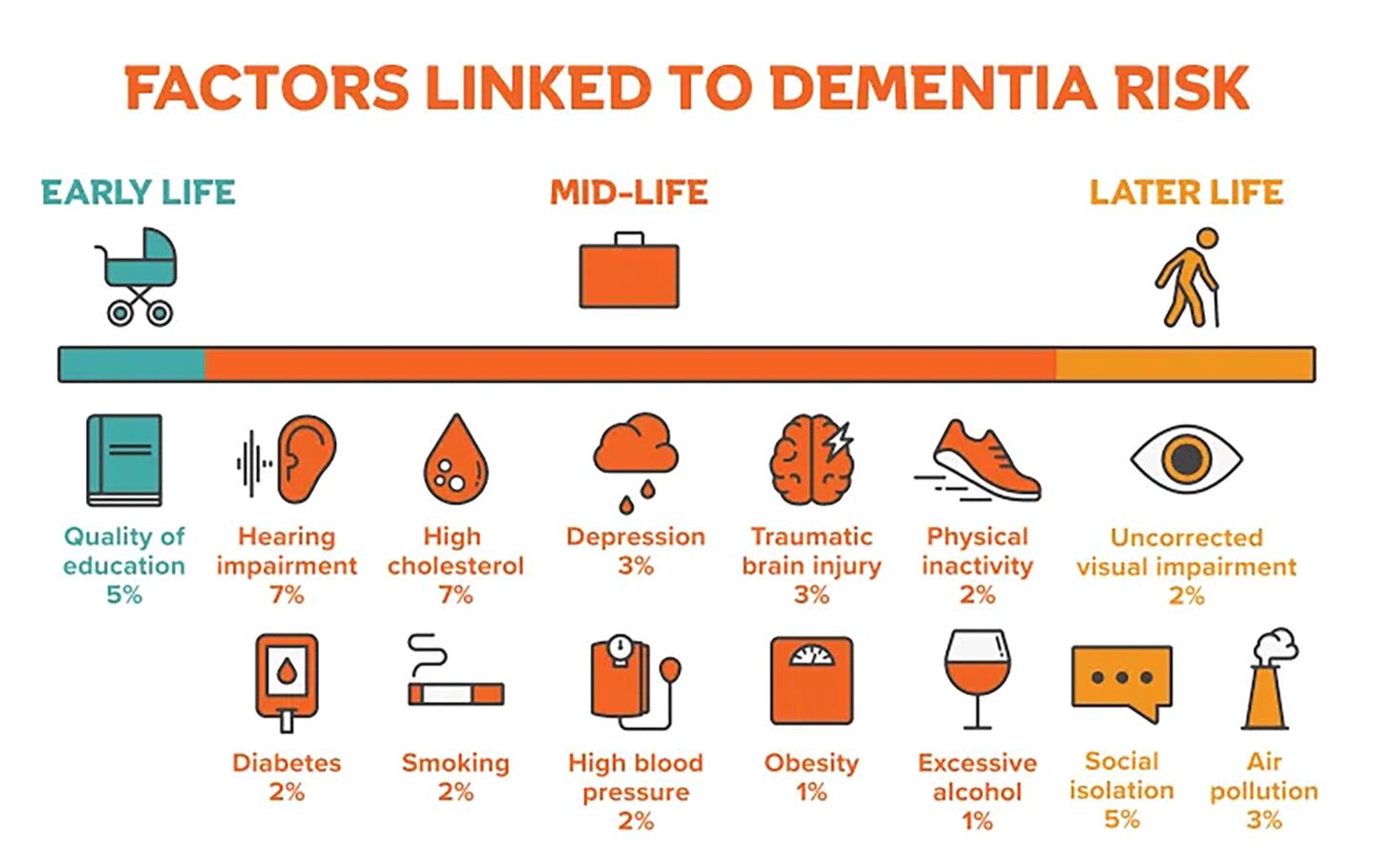
Factors linked to dementia. Graphic: UK Alzheimer’s Society 


from the Irish Times / the article is behind a paywall so you can read it here.

Merits of simple lifestyle changes to curb risk of dementia have never been so compelling


There may be no cure yet for Alzheimer’s disease, a leading cause of death in most developed countries including Ireland, but 2024 has brought a succession of breakthroughs.

They range across drugs reducing rogue proteins in the brain linked to the disease, blood tests enabling rapid and more accurate diagnosis, and growing evidence that specific lifestyle changes can reduce risk of Alzheimer’s by up to 50 per cent.

Geriatrician Prof Seán Kennelly, clinical lead in the Memory Assessment Clinic at Tallaght University Hospital, agrees these are “very exciting” advances.

He tries to avoid hype. “I’m always conscious that there are people who are living, and supporting the care of somebody, with dementia now – they’re at a stage whereby these treatments are probably not going to be effective.”

Tantalisingly, the breakthroughs bring us closer to reversing Alzheimer’s while evidence continues to emerge that something as simple as integrating a healthy lifestyle can reverse symptoms of the disease.

The biggest news for Kennelly is confirmation of the first medicine in 20 years for treating Alzheimer’s. “We finished the year with the recommendation from the European Medicines Agency (EMA) for Lecanemab ... this is the first medicine that we know removes this culprit protein – amyloid – which is responsible for causing Alzheimer’s disease.”

It is different from early treatments known as cognitive enhancers. “They didn’t alter trajectory of the illness. They really just helped with symptoms for a short period of time in a small number of people.”

We are moving into “a new era of chemotherapy” where it’s becoming like the treatment paradigm for cancer, he says. “It’s around timely and specific diagnosis, and we have new tests to help us diagnose Alzheimer’s disease ... and then delivery of medicines at earlier stages of the condition, because these proteins build up in the brain about 15 to 20 years before people have clinical symptoms.”

The EU is about to rule on licensing Lecanemab. Public reimbursement then arises in the national context, with a HSE process expected to be completed within a year. Analysis indicates 10 per cent of people who come through the memory clinic every year will benefit.

“These are like the first chemotherapies we would have had for cancer. They’re more dangerous than we’d like, and they’re less effective than we’d like.” Lecanemab is a drip administered every two weeks. Donanemab, which the EMA will adjudicate on shortly, is a monthly infusion. Soon injections under the skin mean people may not need to have infusions at all.

[ Nearly half of dementia cases could be prevented or delayed by addressing ‘14 modifiable risk factors’Opens in new window ]

The era of targeting these proteins at an early stage to minimise risk of Alzheimer’s progressing has started. The prospect of it becoming a managed condition, such as HIV or diabetes, is very real. “Five years ago that was pretty much unthinkable,” Kennelly says.

“As these new medicines become available for people with little or no symptoms, more people at that milder stage will start presenting,” he explains – which will push that 10 per cent upwards.

Since 2016, the clinic has been doing more than 200 CSF lumbar tests a year, numbing the lower back, extracting cerebrospinal fluid and measuring amyloid and tau – the culprit proteins – the main route to definitive diagnosis.

He expects a blood test will be available within two years. New blood tests are as good as the CSF test and more advanced imaging tests.

A blood test called pTau217 looks as accurate as the CSF test or amyloid PET scans. The FDA in the US has already approved some of these tests, while applications are with the EMA. They are much easier to do, while a PET scan costing €2,500 are not as successful and require radiation.

As with cancer treatment, you need to have “accurate biology” to start chemotherapy. “That’s why these two streams of better diagnosis happening alongside better treatment potentials is what has a lot of excitement for what is in the developed world probably the main cause of illness as we grow older now.”

Better management of dementia will bring wide-scale benefits, Kennelly predicts. “Dementia is the common thread of frailty as we get older. It’s the main predictor somebody will have difficulty managing in their own home. It’s the main reason why people end up going into nursing homes ... why people have falls when they grow older, why they have incontinence.”

The life expectancy of somebody born in 2021 is about 105 years of age by current evidence “but we have this health span gap between the length of time people are healthy versus the length of time they’re living” – and the main cause nowadays is dementia.

“What we know is an 80-year-old today is 40 per cent less likely to develop or have dementia than an 80-year-old 40 years ago. But we have so many more 80-year-olds now.”

While innovation is moving quickly, many are still in the early stages of real-world application, says Dr Laura O’Philbin, research and policy manager at the Alzheimer Society of Ireland.

“Amid this excitement, we must also remember the 64,000 people already living with dementia in Ireland, who need services and supports to live as well as possible for as long as possible,” she adds.

[ The demon dementia has made me uncertain about the net benefit of being around my motherOpens in new window ]

“Nobody is stopping the fight to try and find better treatments for people with advanced symptoms,” Kennelly states, but most of the good news this year and most of these new treatments are going to be focused on that group of people who don’t have significant symptoms.”

He often says “this is the best news people didn’t know they needed, because many of the people who will probably benefit from them don’t know that these proteins are building up in their brain – and have no symptoms right now”.

The merits of simple lifestyle changes to curb risk of dementia, and its most common form, Alzheimer’s disease, have never been so compelling but the range of advice can seem overwhelming.

“About 40 to 50 per cent of all of our risk for developing dementia is modifiable. So people do have power to alter that risk,” says Kennelly.

Fortunately, the Lancet Commission on Dementia provides clarity. It gathers 27 of the world’s leading dementia specialists to distil evidence and update advice. Its latest report published in July confirmed almost half of dementia cases worldwide can be prevented or delayed.

Its finding that far more cases could be avoided or delayed than previously thought was seismic. The modifiable risk factors, starting in childhood and continuing throughout life, could prevent or delay 45 per cent of dementia cases, even as people live longer, it concluded.

Healthy lifestyles involving regular exercise, not smoking, cognitive activity in midlife – including outside formal education – and avoiding excess alcohol can lower risk but may also push back dementia onset.

“There is much more that millions of people could and should do to reduce the risk of dementia. Many people around the world believe dementia is inevitable but it’s not,” said lead author Prof Gill Livingston.

There is stronger evidence that longer exposure to risk has a greater effect, yet it shows it’s never too early or late to take action.

Their report adds two risk factors associated with 9 per cent of dementia cases. About 7 per cent of cases are linked to high low-density lipoprotein (LDL) – or “bad” cholesterol – in midlife from about the age of 40, while 2 per cent of cases are attributable to untreated vision loss in later life.

The new risk factors are in addition to 12 identified in 2020. They are lower levels of education; hearing impairment, high blood pressure, smoking, obesity, depression, physical inactivity, diabetes, excessive alcohol consumption, traumatic brain injury, air pollution and social isolation.

Age and genetics, however, remain the biggest risk factors for dementia, while women are more likely to get the disease.

Kennelly helps run Ireland’s first brain health clinic for people with mild memory symptoms which helps with behavioural changes by providing a support infrastructure. “So how do you get to exercise? What is the best diet? How do you get to a best diet? How do you improve your social network? We check their vision and hearing. [It] emphasises the whole potential to prevent dementia.”

In explaining to patients, he compares the approach to SSIAs – the savings scheme in which the State topped up deposits by individuals – “in that later investment offers and brings a better value outcome. We know that doing this later in life, actually you get an even amplified effect because your risk is so much higher”.

“So people doing all the good stuff at 40 is a good thing ... if you stop doing it at 50, you’re still accruing risk at that stage whereas if we can really get people at the age of 60 into doing more exercise, better diets, better social connectivity, getting their eyesight and their hearing checked.”

Hearing loss is a big risk factor, Kennelly underlines. “And people won’t be aware of it because your brain will always tell you your hearing is fine. You can’t hear what you haven’t heard. So you have to get these things formally checked by a third party.”

And there is “really strong evidence” for a 40 per cent reduction in risk of developing dementia with the shingles vaccine, he adds – the same for the flu vaccine. By turning down the immune system or inflammatory response within the body, vaccination seems to be very effective at reducing risk, though the effect is not fully understood.

The shingles vaccine costs about €500, but given the health dividend, Kennelly says the cost should be fully reimbursed in Ireland – as it is in the UK.

It is never too early or too late to start thinking about our brain health and taking early steps to reduce our risk of dementia, says Dr Laura O’Philbin of the Alzheimer Society of Ireland. While there is no one specific method or treatment proven to prevent dementia, there are lifestyle changes we can make and strategies we can adopt to lower our risk.

However, she adds, brain health is not just about individual choice as it is intrinsically linked to social inequalities. “Factors such as poverty, ethnicity, and geographic location significantly impact access to education, healthcare, and air quality, all of which influence dementia risk.”


= = = = 

In UL, with my research team, we have started working on this topic. One of our latest publication is this one:

Polar lipids modify Alzheimer’s Disease pathology by reducing astrocyte pro-inflammatory signaling through platelet-activating factor receptor (PTAFR) modulation.


Background

Pro-inflammatory processes triggered by the accumulation of extracellular amyloid beta (Aβ) peptides are a well-described pathology in Alzheimer's disease (AD). Activated astrocytes surrounding Aβ plaques contribute to inflammation by secreting proinflammatory factors. While astrocytes may phagocytize Aβ and contribute to Aβ clearance, reactive astrocytes may also increase Aβ production. Therefore, identifying factors that can attenuate astrocyte activation and neuroinflammation and how these factors influence pro-inflammatory pathways is important for developing therapeutic and preventive strategies in AD. Here, we identify the platelet-activating factor receptor (PTAFR) pathway as a key mediator of astrocyte activation. Intriguingly, several polar lipids (PLs) have exhibited anti-inflammatory protective properties outside the central nervous system through their inhibitory effect on the PTAFR pathway. Thus, we additionally investigated whether different PLs also exert inhibitory effects on the PAF pathway in astrocytes and whether their presence influences astrocytic pro-inflammatory signaling and known AD pathologies in vitro.

Methods

PLs from salmon and yogurt were extracted using novel food-grade techniques and their fatty acid profile was determined using LC/MS. The effect of PLs on parameters such as astrocyte activation and generation of oxygen species (ROS) was assessed. Additionally, effects of the secretome of astrocytes treated with these polar lipids on aged neurons was measured.

Results

We show that PLs obtained from salmon and yogurt lower astrocyte activation, the generation of reactive oxygen species (ROS), and extracellular Aβ accumulation. Cell health of neurons exposed to the secretome of astrocytes treated with salmon-derived PLs and Aβ was less affected than those treated with astrocytes exposed to Aβ only.

Conclusion

Our results highlight a novel underlying mechanism, why consuming PL-rich foods such as fish and dairy may reduce the risk of developing dementia and associated disorders.


Wednesday, 15 January 2025

The long‐term intake of milk fat does not significantly increase the blood lipid burden in normal and high‐fat diet‐fed mice

 source

Abstract

After 10 weeks of feeding C57BL/6J mice with a normal diet (ND) or a high‐fat diet (HFD), a 7‐week intervention with milk fat and whole milk was conducted to assess their long‐term effects on host blood lipid levels. The results showed that milk fat and whole milk did not significantly elevate low‐density lipoprotein cholesterol (LDL‐C) in either ND‐ or HFD‐fed mice. In ND mice, milk fat and whole milk improved gut microbiota diversity and Amplicon Sequence Variants. Key bacterial genera, such as Blautia, Romboutsia, and Prevotellaceae_NK3B31_group, were identified as bidirectional regulators of LDL‐C and high‐density lipoprotein cholesterol (HDL‐C). Six unique metabolites were also linked to LDL‐C and HDL‐C regulation. Furthermore, an optimized machine learning model accurately predicted LDL‐C (R² = 0.96) and HDL‐C (R² = 0.89) based on gut microbiota data, with 80% of the top predictive features being gut metabolites influenced by milk fat and whole milk. These findings indicate that the long‐term intake of milk fat does not significantly increase the blood lipid burden, and machine learning algorithms based on gut microbiota and metabolites offer novel insights for early lipid assessment and personalized nutrition strategies.

Tuesday, 10 December 2024

Gilthead seabream (Sparus aurata) fed with polar lipids from olive oil industry by-products: Shelf-life, microbiological and physicochemical characteristics during storage at 2 oC

 The Microbe

Available online 7 December 2024, 100222

Highlights

  • •
    enriched seabream fed with lipids from olive-oil industry by-products
  • •
    microbiota profile of conventional and enriched fish fillets
  • •
    both fish exhibited similar microbiological and physicochemical changes

Monday, 30 September 2024

the moon is bright on both sides if you ...read only a part of scientific literature


 With some interest and a lot of surprise I read this paper


The differential effects of eicosapentaenoic acid and docosahexaenoic acid on cardiovascular risk factors: an updated systematic review of randomized controlled trials


The authors have selectively discussed the positive effects of omega-3 acids on biomarkers related with Cardiovascular risk(CR) and the development of Cardiovascular Diseases (CVD) but they ignored the studies that had showed negative impact on CVD.

They have avoided the CV and CVD topic and they focused only to other biomarkers that the studies they present had a positive impact.

However, their paper is the bright side of the moon (i.e. omega-3 fatty acids and heart health).

BUT, what about the dark side of the moon as described here ?

Yannis Zabetakis

Wednesday, 26 June 2024

Το δυναμικό της υδατοκαλλιέργειας


 γράφω ως Αριστερό Εξτρέμ


 = = = 


Τα νέα όπως τα διάβασα στο cibum.gr στις 10 Ιούνη:

Για πρώτη φορά, η παραγωγή υδατοκαλλιέργειας έχει ξεπεράσει τη αλιεία ως κύρια πηγή υδρόβιων ζωικών προϊόντων. Αυτό το επίτευγμα προσφέρει μια πολλά υποσχόμενη πορεία για την αντιμετώπιση της παγκόσμιας πείνας προστατεύοντας παράλληλα τους ωκεανούς μας. Το κύριο εύρημα της έκθεσης είναι ότι η παραγωγή υδρόβιων ζωικών προϊόντων έχει φτάσει σε παγκόσμιο ρεκόρ 185 εκατομμυρίων τόνων το 2022.


Αυτή η είδηση είναι εξαιρετικά σημαντική.

Παρά τα όποια προβλήματα (η υδατοκαλλιέργεια κατηγορείται για ρύπανση του βυθού), τα πλεονεκτήματα είναι πιο πολλά από τα μειονεκτήματα.

Με τον Νηρέα ΑΕ [ https://www.nireus.com/1_1/arxikh-selida.html ], έχουμε συνεργασθεί στο παρελθόν για το πώς μπορούμε να κάνουμε πιο βιώσιμες τις ιχθυοτροφές, με αξιοποίηση του κατσίγαρου, του γνωστού παραπροϊόντος της ελαιουργίας. Φτιάξαμε ιχθυοτροφές με κατσίγαρο που χορηγήθηκαν ως finishig diet σε τσιπούρα και λαβράκι με εξαιρετικά αποτελέσματα, όπως έχουμε δημοσιεύσει εδώ: https://pubmed.ncbi.nlm.nih.gov/24128590

Επίσης, μελετήσαμε και τις οργανοληπτικές ιδιότητες των ψαριών που παρήχθησαν με τις νέες ιχθυοτροφές:

https://www.tandfonline.com/doi/full/10.1080/10498850.2013.813100

Αυτή η συνεργασία μας με τον Νηρέα κατέληξε στην δημιουργία μιας πατέντας

https://patents.google.com/patent/EP2953478A1/en


Thursday, 22 February 2024

Research Profile

 At this website, you can create your own research cloud based on your publications.


Here is mine based on my papers on Pub Med.


Tuesday, 23 January 2024

Alzheimer’s blood test detects risk 15 years before symptoms

source: The Times

= = = = = = = = = =

A simple blood test can detect the earliest stages of Alzheimer’s, a study has found, with “huge implications” for routinely screening everyone over 50 for their risk of developing the disease.

Scientists in Sweden have taken a simple testing kit that is already commercially available to researchers and found that it can detect tau proteins in the blood, which can cause Alzheimer’s and start to build up on the brain 10 to 15 years before symptoms start showing.

It could be used to test people of any age who fear they have the disease, experts said.

In a study of people in their fifties, sixties and seventies, the test allowed researchers to assess whether participants were very likely or very unlikely to develop Alzheimer’s, or whether they fell somewhere in between and would need to undergo more invasive testing.

The test can detect the presence of tau proteins with an accuracy of up to 97 per cent, the study found.

Friday, 12 January 2024

Circadian Biology in Greece : a Greek study


                            Image from Dreamstime.com


= = = = = = 


Beat the Clock: Assessment of Night Eating Syndrome and Circadian Rhythm in a Sample of Greek Adults


The night eating syndrome (NES) is characterized by excessive food intake during the evening and night hours, with 25% of the daily intake being consumed post-dinner, paired with ep-isodes of nocturnal food intake, at a frequency of more than twice weekly. The NES has been associated with a misaligned circadian rhythm related to a delay in overall food intake, increased energy and fat consumption. The present cross-sectional study aimed to assess NES in a Greek population and evaluate possible links between NES and chronotype. NES was assessed using the Night Eating Questionnaire (NEQ), and circadian rhythm, sleep and mood were evaluated with the Sleep, Circadian Rhythms, and Mood (SCRAM) questionnaire. A total of 533 adults participated in the study. A relatively high prevalence of NES was revealed, with more than 8.1% (NEQ ≥ 30) of the participants reporting experiencing NES symptoms, depending on the NEQ threshold used. Most participants had the intermediate chronotype. NEQ score was positively associated with the morning chronotype, and SCRAM was negatively related to “Good Sleep”. Each point increment in the depression score was associated with 6% higher odds of NES. The early identification of NES gains importance in clinical practice, in a collective effort aiming to reduce NES symptomatology and its detrimental health effects.


from Nutrients


*Η ταξινόμηση του κιρκάδιου ρυθμού περιλαμβάνει τρεις διακριτούς χρονοτύπους, δηλαδή τους πρωινούς, ενδιάμεσους και βραδινούς τύπους. Τα άτομα του πρωινού τύπου θεωρούνται ως «προχωρημένοι σε φάση», τείνουν να κοιμούνται και να ξυπνούν νωρίς, επιτυγχάνοντας την κορύφωση της πνευματικής και σωματικής τους απόδοσης τα πρωινά, ενώ οι απογευματινοί τύποι επιτυγχάνουν την ακμή τους προς το τέλος της ημέρας, προτιμώντας αργότερα το κρεβάτι και καθυστερημένα προγράμματα αφύπνισης.


από το cibum.gr

Thursday, 4 January 2024

New publication from our group: Oil from Mullet Roe Byproducts: Effect of Oil Extraction Method on Human Erythrocytes and Platelets


Tsamesidis I, Tzika P, Georgiou D, Charisis A, Hans S, Lordan R, Zabetakis I, Kalogianni EP (2024) Oil

from Mullet Roe Byproducts: Effect of Oil Extraction Method on Human Erythrocytes and Platelets.

Foods 13(1) 79. https://doi.org/10.3390/foods13010079


Abstract

Background: The valorization of byproducts to obtain high nutritional value foods is of utmost importance for our planet where the population is booming. Among these products are oils rich in ω-3 fatty acids produced from fishery byproducts. Recently, mullet roe oil from roe byproducts was produced that was rich in the ω-3 fatty acids eicosatetraenoic acid (EPA) and docosahexaenoic acid (DHA). Oils are customarily characterized for their composition and degree of oxidation but little is known of their biological effects, especially the effect of the extraction method. 


Methods: The purpose of this study was to evaluate the effects of freshly extracted mullet roe oil from mullet roe byproducts and the effect of the extraction method on human red blood cells (hRBCs) and platelets. To this end, the hemocompatibility (cytotoxicity), oxidative effects, and erythrocyte membrane changes were examined after 1 and 24 h of incubation. Antiplatelet effects were also assessed in vitro.  


Results: The expeller press oil extraction method and alcalase-assisted extraction produced the most biocompatible oils, as shown by hemocompatibility measurements and the absence of erythrocyte membrane alterations. Solvent extracts and protease-assisted extraction oils resulted in the rupture of red blood cells at different examined dilutions, creating hemolysis.  


Conclusions: It seems that the proper functioning of oil–erythrocyte interactions cannot be explained solely by ROS. Further investigations combining chemical analysis with oil–cell interactions could be used as an input to design high nutritional value oils using green extraction technologies. All samples exhibited promising antiplatelet and antiblood clotting effects in vitro.

 
Keywords:
hemocompatibility; mullet roe; cytotoxicity; marine oil; reactive oxygen species; oil extraction; antiplatelet therapeutics


= = = = = = = = = = = = = = = = = = = = = = = = = = = = = = 

This is the first publication stemmed from our collaboration with the research group of Prof Eleni P Kalogianni in the International Hellenic University in Greece.

Our publication is focusing on the valorisation of mullet roe oil and the bioactivities of extracts obrained from this byproduct. We show a promising way to valorise this oil. Our results should be useful for the aquaculture sector working on mullet farming.

Tuesday, 2 January 2024

Gastronomic Curiosity and Consumer Behavior: The Impact of Television Culinary Programs on Choices of Food Services

 a must read paper, on foods mdpi.

Abstract
In highly developed countries, more and more people use culinary services. Cooking at home, for the family, is giving way to culinary services. Consumers either order food home or use the offers of restaurants and bars. Consumers’ choice of culinary form may be influenced by cooking television programs. Many TV stations broadcast cooking programs. This study examined the impact of television culinary programs on consumer behavior in the restaurant services market. The article examines the interplay of emotional responses, personality traits, and culinary preferences to understand how TV cooking programs influence dining decisions. The study was conducted using the CAWI method, which involved 742 respondents. The study, conducted between May 2021 and April 2022, was addressed to people who visited restaurants presented in the Polish culinary TV show titled “Kitchen Revolutions”. The study revealed that almost 3/4 of the respondents chose restaurants based on the program’s recommendations. Although there was a strong emotional connection with this program—nearly half of the respondents expressed delight in the taste of snacks and main courses—this did not always translate into an increased frequency of eating meals away from home. Only every third respondent said that the program influenced their gastronomic behavior. The research hypotheses examined the extent to which culinary TV shows influence the frequency of visits to restaurants, the perceived quality of life, and the influence on consumers with specific personality traits. The results partially supported the hypothesis that cooking programs on television encourage people to eat out more often, but the perceived impact on quality of life and on some personality traits was less clear. The article contributes to the understanding of consumer behavior in the food service market by highlighting the complex dynamics of emotional reactions, personality traits, and the impact of culinary television programs. The findings have practical implications for the restaurant industry, suggesting a focus on emotional impact, food quality and presentation, and targeting marketing strategies towards consumers who are open to new experiences and ready to experiment.

Tuesday, 21 November 2023

New frontiers in cancer treatment: precision medicine

 from the Irish Times


Dr Thorsten Giesecke, general manager, commercial business at Janssen Sciences Ireland UC, highlights the revolutionary potential of precision medicine in cancer treatment


Realising the full potential of precision medicine is key to the future of sustainable healthcare. Precision medicine uses diagnostic tests, imaging, and health information from patients to prevent or treat disease. With in-depth information relevant to a patient’s disease or condition, we can identify the distinct patient populations at risk, and who will be most likely to benefit from a specific treatment.

Beyond treating disease, precision medicine includes prevention, disease screening, diagnostics, and monitoring, which can in turn identify those who are at risk, detect early signs of disease, and find disease subtypes that impact treatment response. There is no doubt that precision medicine is transforming healthcare and is a focus for Janssen, as part of our work to make meaningful change for patients living with cancer and other diseases.

By tailoring medical treatments to the individual characteristics of each patient, precision medicine represents a paradigm shift from the traditional one-size-fits-all approach to a personalised way of diagnosing and treating diseases.

In cancer care, precision medicine includes targeted therapy, immunotherapy and genomics and the adoption of such treatments is steadily increasing. In 2019, the European Medicines Agency (EMA) approved nine new active substances in cancer treatment, five of these are associated with a predictive biomarker. Biomarkers are measurable biological characteristics, derived from human tissues, such as genes and certain proteins. Biomarker testing provides vital insight into how a disease might develop and how a patient might respond to certain treatment.

· In non-small cell lung cancer (NSCLC), more than 15 biomarkers have been identified, nine of which have approved therapeutics developed to specifically target them.

· Similarly, patients with certain mutations treated with precisely targeted therapies have observed more effective results than the previous standard of care in chronic lymphocytic leukaemia, and reduced tumour size in bladder cancer.

· Precision medicine also encompasses CAR T-cell therapy, which works like a ‘living drug’ in the body by tracking and hunting cancer cells. In January this year, the first ever clinical study in Ireland of CAR-T cell therapy for treating multiple myeloma opened at St James’s Hospital Dublin, supported by Janssen.

Many patients whose diseases are driven by identifiable and targetable mutations, do not receive the most appropriate personalised treatment for their disease because their mutation remains undetected. Advocating for access to biomarker testing is a key part of our strategy to make this happen. The diagnostic testing methods which enable patient identification need to become part of routine clinical practice.

Our commitment to research and development in precision medicine involves bringing more personalised treatment approaches into clinical practice for the benefit of future patients, and ultimately, bringing more effective treatment options to specific patient populations. BRCA 1/2 testing in some types of prostate cancer is now publicly available in Ireland meaning licenced targeted therapies will reach the right patients at the right time.

We will continue to collaborate with all stakeholders to remove the barriers that prevent or limit access to precision medicines and diagnostics for patients. The promise of precision medicine for treating cancer and other diseases is a testament to the potential for more effective, less invasive, and patient-centred healthcare.

On November 22nd, an event titled Enabling Precision Oncology in Irish Healthcare will take place at UCD and online, sponsored by Janssen Sciences Ireland. For further details and to register for the event, visit https://poilive.ie/

References are available upon request.