Showing posts with label phospholipids. Show all posts

Wednesday, 5 June 2019

Changes in plasma phospholipid fatty acid profiles over 13 years and correlates of change: European Prospective Investigation into Cancer and Nutrition-Norfolk Study


Associations between changes in food groups and changes in plasma fatty acid groups from 1993–1997 to 1998–2000 (between study health checks 1 and 2): European Prospective Investigation into Cancer and Nutrition-Norfolk Study. Mixed-effects linear regression models were used in the analyses. Each value represents a mean relative difference (%) in change/y in mol% of each fatty acid group, per 1-standard serving/d/y increase in food groups (*P < 0.05 and **P < 0.01). Red and blue boxes indicate positive and negative associations, respectively, of change/y in food consumption with change/y in mol% of fatty acids. Mean annual changes in mol% of each fatty acid group are presented in the top row (above the box). Serving sizes were defined as 10 g/d for margarine, liver, nuts, and seeds; as 1 g/d for vegetable oil and 10 units/wk for alcohol; and as 100 g/d for the other food groups. All the estimates were mutually adjusted for changes in food groups and baseline consumption levels of those foods, and adjusted for baseline levels of the given fatty acid and other potential confounders (see Methods text for detail). TFA, trans-fatty acids.


= = = = = = = = = = = = = = = = = = = = = = = = = = = = = = = = = = = = = = = = = = =

this is an interesting study of changes in plasma fatty acid changes over 13 years.

Results
Adjusted for confounders, fatty acid concentrations decreased for odd-chain SFAs (annual percentage difference in mol percentage: −0.63%), even-chain SFAs (−0.05%), n–6 PUFAs (−0.25%), and TFAs (−7.84%). In contrast, concentrations increased for marine n–3 PUFAs (1.28%) and MUFAs (0.45%), but there were no changes in very-long-chain SFAs or plant n–3 PUFA. Changes in fatty acid levels were associated with consumption of different food groups. For example, a mean 100 g/d increase in fatty fish intake was associated with a 19.3% greater annual increase in marine n–3 PUFAs.
Conclusions
Even-chain SFAs and TFAs declined and marine n–3 PUFAs increased over time. These changes were partially explained by changes in dietary habits, and could potentially help interpret associations of baseline fatty acid composition with future disease risk.

Friday, 18 January 2019

New paper of our team

In Vitro Antithrombotic Properties of Salmon (Salmo salar) Phospholipids in a Novel Food-Grade Extract


1,†, 1,†, 2, 2, 3,* and 1

Abstract

Marine and salmon polar lipids (PLs) extracted by conventional extractions with non-food-grade solvents (CE-salmon-PLs) possess antithrombotic bioactivities against platelet-activating factor (PAF) and thrombin. Similar effects of food-grade-extracted (FGE) marine PLs have not yet been reported. 
In this study, food-grade solvents were used to extract PLs from Irish organic farmed salmon (Salmo salar) fillets (FGE-salmon-PLs), while their antithrombotic bioactivities were assessed in human platelets induced by platelet aggregation agonists (PAF/thrombin). FGE-salmon-PLs were further separated by thin layer chromatography (TLC) into lipid subclasses, and the antithrombotic bioactivities of each subclass were also assessed. 
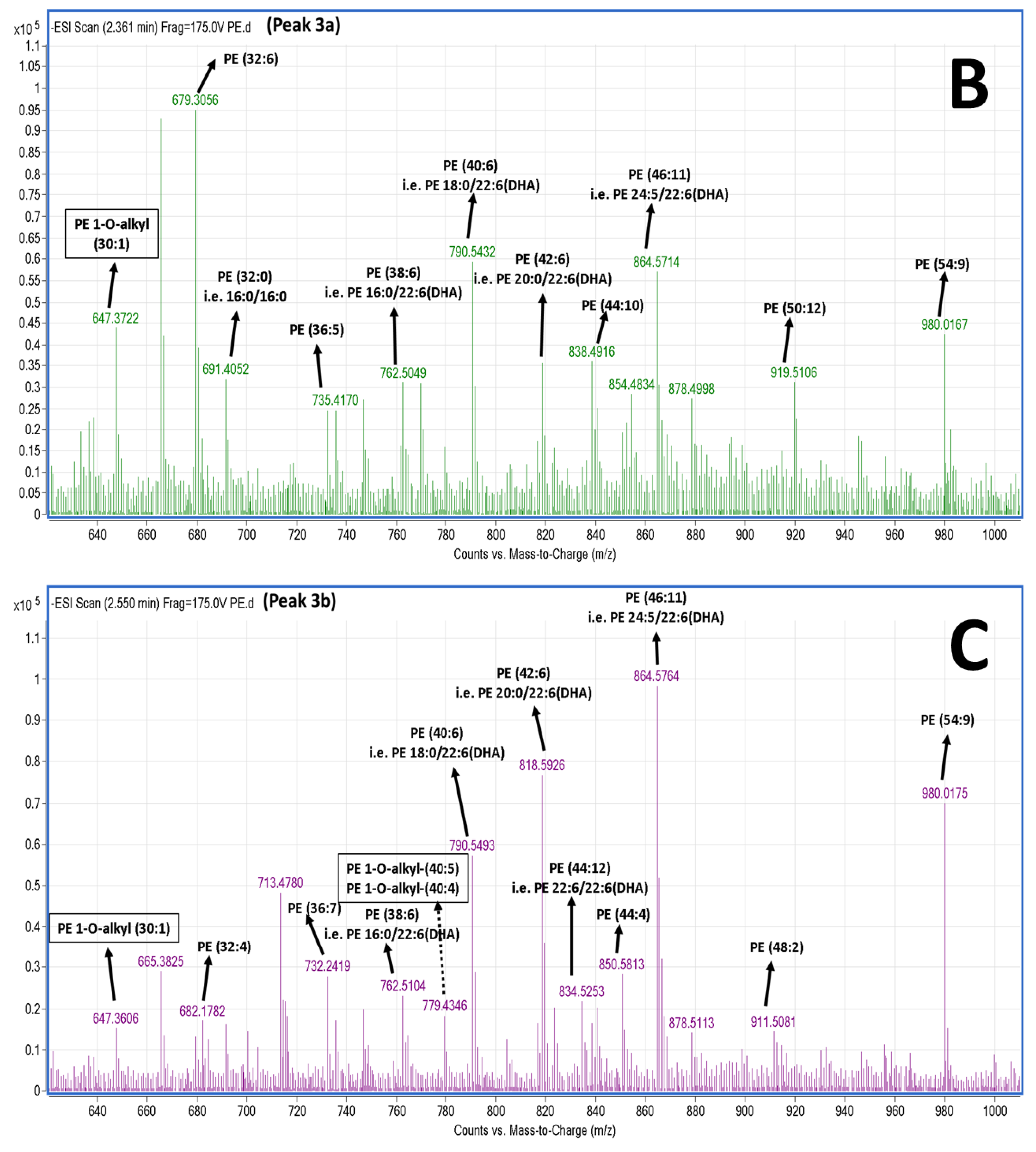
LC-MS was utilized to elucidate the structure-activity relationships. FGE-salmon-PLs strongly inhibited PAF-induced platelet aggregation, while their relevant anti-thrombin effects were at least three times more potent than the previously reported activities of CE-salmon-PLs. TLC-derived lipid fractions corresponding to phosphatidylcholines (PC) and phosphatidylethanolamines (PE) were the most bioactive lipid subclasses obtained, especially against thrombin. Their LC-MS analysis elucidated that they are diacyl- or alkyl-acyl- PC and PE moieties baring ω3 polyunsaturated fatty acids (PUFA) at their sn-2 position, such as eicosapentaenoic acid (EPA) or docosahexaenoic acid (DHA). 
Our results concerning the potent antithrombotic effects of FGE-salmon-PLs against both PAF and thrombin pathways strongly suggest that such food-grade extracts are putative candidates for the development of novel cardioprotective supplements and nutraceuticals. 

Thursday, 6 December 2018

Report on Krill oil

Krill oil for heart health

The Omega-3 Index test is an important biomarker for heart health.
The market for heart health supplements is thriving. According to Nutrition Business Journal (NBJ) data, the market for heart health ingredients has the potential to reach more than US$3 billion by 2020. With that in mind, there are many options for consumers seeking out heart health products.

Omega-3s are considered a strong contender in this market. In fact, research has shown long-chain omega-3s support healthy blood pressure and cholesterol levels, normal blood clotting processes, as well as a regular heartbeat, all of which contribute to keeping both the heart and its arteries healthy.1,2 The anti-inflammatory nutrients found in omega-3s can help balance the body’s level of inflammation, promoting overall health and wellness.

Every person’s omega-3 needs are different and the amount of EPA and DHA one would need to take to raise their Omega-3 Index into the target range will vary. Not all omega-3s are created equal. They vary in structure and function, and only marine-based omega-3s (or long-chain omega-3s) contain EPA and DHA.

Krill oil provides EPA and DHA mainly in the form of phospholipids. The body immediately recognizes phospholipid omega-3s and incorporates them into the cells before carrying them to the tissues and organs that need them the most, such as the heart. On the contrary, other sources of omega-3s are delivered as triglycerides and must be processed in the liver before they can be taken up by the cells and used by the body.

Therefore phospholipid-bound omega-3s, like krill oil, raise one’s omega-3 index more efficiently as compared to other omega-3 oils.

In addition to omega-3 fatty acids EPA and DHA, krill contains the essential nutrient choline, which is crucial for cell structure, function, and signalling.

Choline is found to positively contribute to cardiovascular, liver and cognitive health. Furthermore, the astaxanthin found in krill oil helps keep its omega-3s naturally fresh and stable.

This is an excerpt from the article, “Raising Omega-3 Levels for Heart Health.” To continue reading, download INSIDER’s Heart Health Digital Magazine.

Andreas Berg Storsve, Ph.D., is the director of R&D at Aker BioMarine. Storsve received his doctorate from the University of Oslo, and is a former Fulbright Scholar at the Athinoula A. Martinos Centre for Biomedical Imageing, Massachusetts General Hospital/Harvard Medical School.

References
1. Chowdhury R et al. “Association of dietary, circulating, and supplement fatty acids with coronary risk: A systematic review and meta-analysis.” Ann Intern Med. 2014;160:398-406.

2. Miller PE, Van Elswyk M, Alexander DD. “Long-chain omega-3 fatty acids eicosapentaenoic acid and docosahexaenoic acid and blood pressure: A meta-analysis of randomized controlled trials.” Am J Hypertens. 2014. DOI: 10.1093/ajh/hpu024.

3. Calder PC. “Marine omega-3 fatty acids and inflammatory processes: Effects, mechanisms and clinical relevance.” Biochim Biophys Acta. 2015;1851:469-484.

4. Ramprasath VR et al. “Enhanced increase of omega-3 index in healthy individuals with response to 4-week n-3 fatty acid supplementation from krill oil versus fish oil.” Lipids Health Dis. 2013;12:178.

Tuesday, 27 November 2018

novel paper: Characterization of phospholipids from Pacific saury (Cololabis saira) viscera and their neuroprotective activity


on the role of marine phospholipids, this is a very interesting paper.

= = = = = = =
Abstract
Pacific saury (Cololabis saira) is an important marine commercial fish in the world. The crude Pacific saury viscera (PSV) phospholipids were extracted with supercritical carbon dioxide and organic solvent method using ethanol, yielding 24/100 g phospholipids and 21/100 g (dry weight), respectively. Their fatty acid profiles were obtained using gas chromatography. Docosahexaenoic acid (DHA) and palmitic acid were the major fatty acids. High-performance liquid chromatography equipped with an evaporation scattered light detector was used to quantitatively analyse the major component of the phospholipid extract. Phosphatidylcholine (89 mg/g), phosphatidylinositol (53 mg/g) and phosphatidylethanolamine (40 mg/g) were the main phospholipids, while phosphatidylserine, lysophosphatidylcholine and lysophosphatidylcholine were the minor phospholipids at 5, 15 and 19 mg/g, respectively. The inhibitory effects of PSV phospholipids and the PC fraction, obtained using silica gel column chromatography, on the secretion of amyloid beta (Aβ)1–42 in the supernatant of Chinese hamster ovary cells stably transfected with amyloid precursor protein and presenilin 1 were studied, with soybean phospholipids as the positive control. The results showed that, compared with the model control group, the Aβ1–42 was decreased 69% with PSV phospholipid, 62% with PC fraction and 36% with soybean phospholipids. Taken together, PSV phospholipids were rich in n-3 fatty acids, especially DHA, and may have potential for the treatment of neurodegenerative diseases such as Alzheimer disease.

Tuesday, 14 August 2018

New Publication of our team: Phospholipids of goat and sheep origin: Structural and functional studies


StylianosPoutzalisaRonanLordanbConstantinaNasopouloucIoannisZabetakisb

a
Laboratory of Food Chemistry, Department of Chemistry, National and Kapodistrian University of Athens, 15771, Athens, Greece
b
Department of Biological Sciences, University of Limerick, V94 T9PX, Limerick, Ireland
c
Department of Food Science and Nutrition, School of the Environment, University of the Aegean, Myrina, Lemnos, 81400, Greece


Abstract

The lipidomic profiles of goat and sheep meat were studied. Polar lipid fractions of raw and baked meat samples were tested for their in vitro anti-atherogenic properties. The total lipid (TL) content was extracted using the Bligh-Dyer method and was subsequently separated into total polar lipids (TPL) and total neutral lipids (TNL). The fatty acid profiles of the TPL and TNL of all three samples were determined by GC-FID. The TPL of all samples were further separated by preparative TLC into their constituent phospholipid and sphingolipid fractions. In all samples, polar lipid fraction 3 had a similar Rf value to phosphatidylcholine. These phosphatidylcholine fractions were tested for their in vitro capacity to inhibit platelet-activating factor (PAF) induced platelet aggregation (anti-inflammatory activity) using human platelets. The phospholipid content of each fraction 3 was determined using LC–MS. These results provide a novel insight into the structure of phosphatidylcholine derivatives in goat and sheep meat and highlight the nutritional value of these meats in terms of their antithrombotic and cardioprotective properties before and after the baking process.


Highlights

•
Lipidomic profiles of raw and baked goat and sheep meat have been studied.
•
Anti-atherogenic activities of polar lipids of meat samples have been evaluated.
•
The most bioactive fractions of polar lipids have been studied by LC–MS.
•
The anti-anterogenic activities are due to phosphatidylcholine derivatives.
•
Sheep and goat meat are excellent sources of bioactive lipids against CVDs.

= = =

Full paper is available here
 

Friday, 25 May 2018

Marine Polar Lipids with Antithrombotic Activities

In our team, we have a strong interest on lipids that can inhibit platelet aggregation.
Few years ago, we had found these structures in sea bass.


Two days ago, we published our first salmon paper where the lipid structures have some striking similarities...


There is a theme there...
Nature is making polar lipids for a reason...
The more structural data we have on this theme make the "omega 3" and cholesterol approach weaker and weaker...
The polar head looks like an indispensable part of our approach linking polarity of lipids to their antithrombotic activities .


Ioannis


Wednesday, 23 May 2018

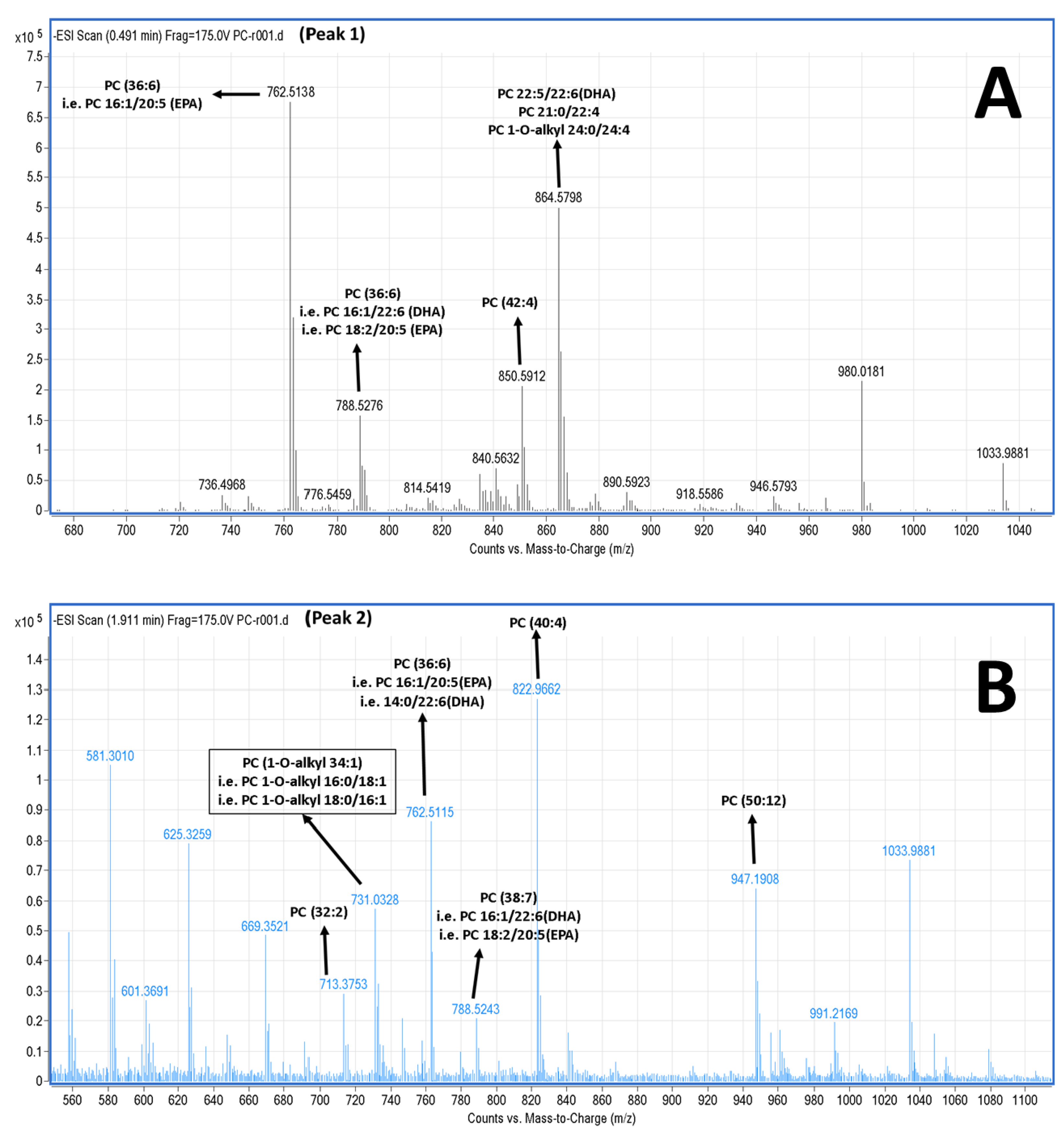
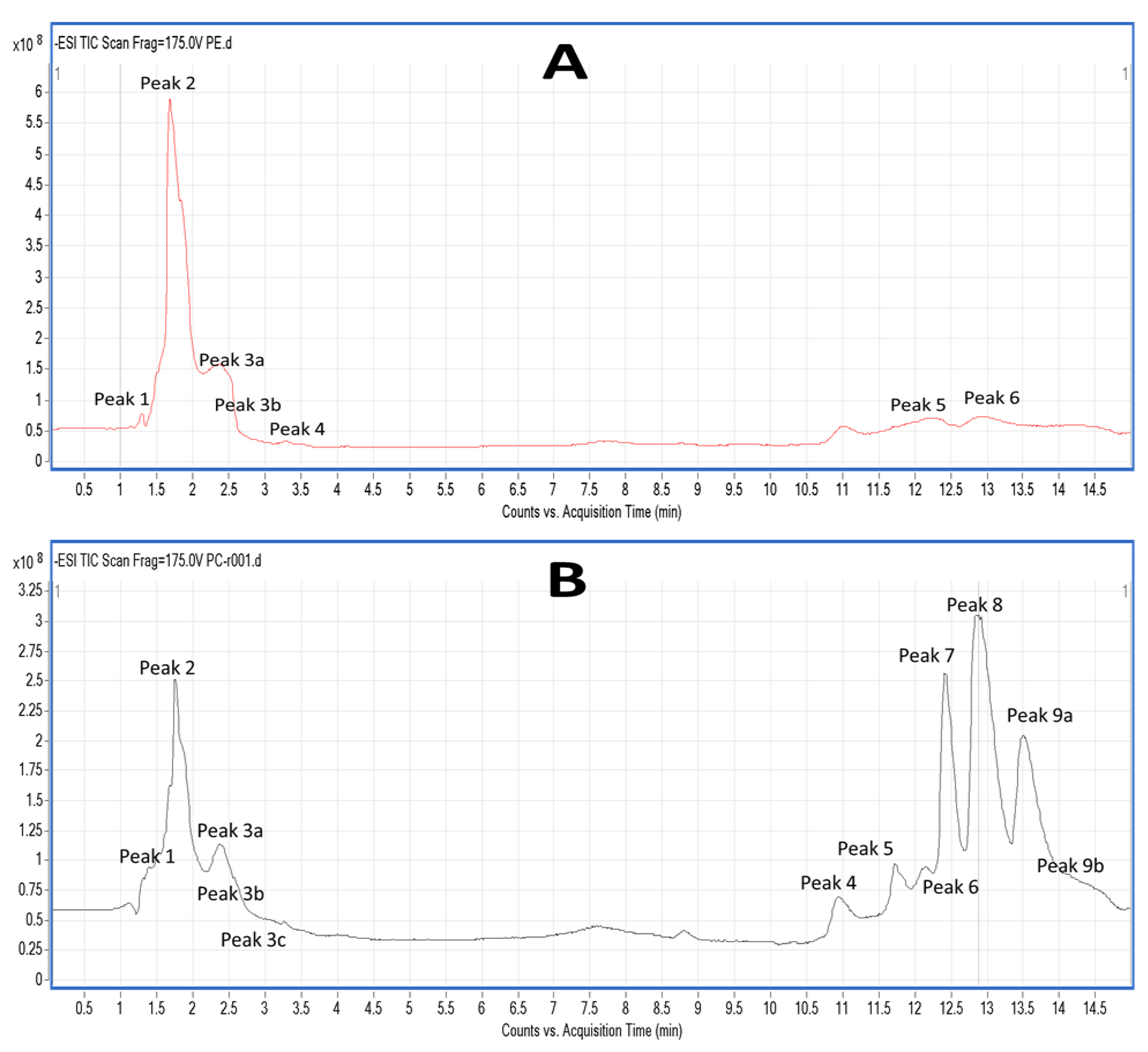
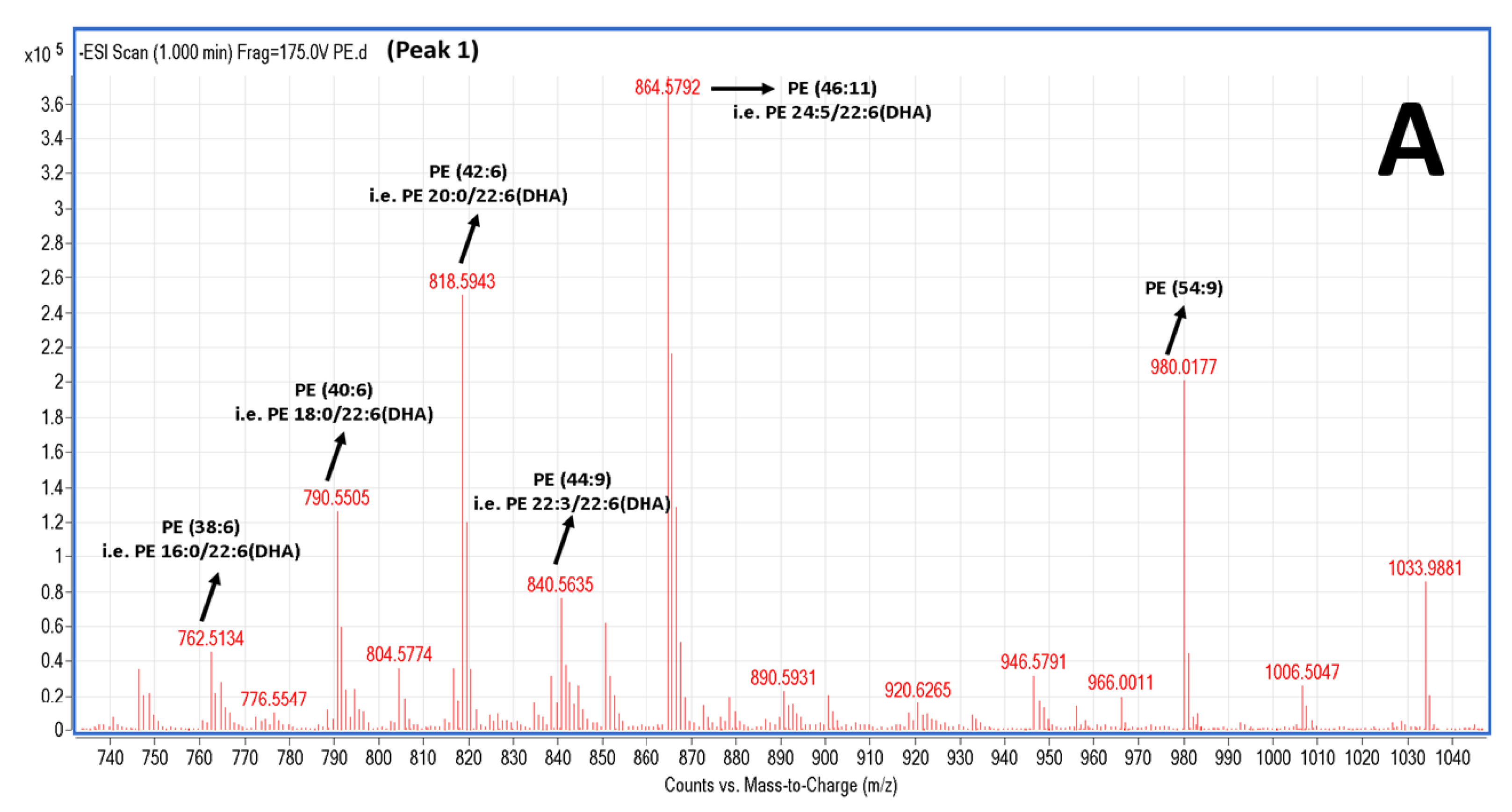
Structural Elucidation of Irish Organic Farmed Salmon (Salmo salar) Polar Lipids with Antithrombotic Activities


just published in Marine Drugs


1
Department of Biological Sciences, University of Limerick, V94 T9PX Limerick, Ireland
2
Department of Life and Environmental Sciences, University of Cagliari, via Ospedale 72, 09124 Cagliari, Italy
3
Shannon Applied Biotechnology Centre, Limerick Institute of Technology, Moylish Park, V94 E8YF Limerick, Ireland
4
Department of Food Science and Nutrition, School of the Environment, University of the Aegean, GR 81400 Myrina, Lemnos, Greece
*
Author to whom correspondence should be addressed.
Received: 17 April 2018 / Revised: 16 May 2018 / Accepted: 22 May 2018 / Published: 23 May 2018
View Full-Text   |   Download PDF [3602 KB, uploaded 23 May 2018]   |  
 
 
Graphical Abstract

Abstract

While several marine polar lipids (PL) have exhibited cardioprotective properties through their effects on the platelet-activating factor (PAF) pathways, salmon PL have not been tested so far. In this study, the antithrombotic activities of salmon PL were assessed in human platelets and the structural characterisation of bioactive salmon PL was performed by GC-MS and LC-MS analyses. PL from fillets of Irish organic farmed salmon (Salmo salar) were extracted and separated into several lipid subclasses by thin-layer chromatography (TLC), while their fatty acid profile was fully characterised by GC-MS. Salmon total lipids (TL), total neutral lipids (TNL), total polar lipids (TPL), and each PL subclass obtained by TLC were further assessed for their in vitro effects towards PAF-induced and thrombin-induced platelet aggregation in human platelets. Salmon PL exhibited antithrombotic effects on human platelet aggregation, mostly through their strong inhibitory effects against the PAF pathway with IC50 values comparable to other marine PL, but with lower effects towards the thrombin pathway. PL fractions corresponding to phosphatidylcholine and phosphatidylethanolamine derivatives exhibited the most potent anti-PAF effects, while LC-MS analysis putatively elucidated their structure/function relationship. Several diacyl-PC/PE and alkyl-acyl-PC/PE species containing mostly docosahexaenoic acid at their sn-2 glycerol-backbone may be responsible for the bioactivity. The data presented suggests that salmon contains PL with strong antithrombotic bioactivities.


Friday, 23 February 2018

Polar (Lipid) Express


Plasma levels of n-3 long chain polyunsaturated fatty acids (LCPUFA) are associated with a reduction in risk of cardiovascular disease and other chronic, age-related diseases like Alzheimer's disease. In this work, we tested the hypothesis that n-3 LCPUFA fatty acids in human plasma are incorporated into selective lipid species following intake of n-3 LCPUFA rich marine fish. To test this hypothesis, we performed lipidomic analysis on plasma samples from a clinical trial in which participants consumed increasing amounts of farmed Atlantic salmon (Salmo salar). Under basal conditions, n-3 and n-6 LCPUFA were selectively incorporated into plasma phosphatidylcholine (PC) species containing saturated fatty acids (SFA) versus unsaturated fatty acids as the complementary fatty acids. LCPUFA were incorporated into selective triacylglycerol (TAG) species with complementary diacylglyceryl environments of 34:1 or 34:2 (for 20:5 and 22:5) and 36:2>36:3>36:4 and 36:1 (for 20:4 and 22:6). High n-3 LCPUFA marine fish intake resulted in selective increases of PC SFA_n-3 LCPUFA species and LCPUFA-containing TAG species. Changes in cholesteryl esters and phosphatidylethanolamines also occurred following fish intake. Our results highlight the importance of discriminating phospholipid and TAG species and dietary background when evaluating lipidomic outcomes and disease associations.


====

the full paper is here

In this exciting paper, the authors have shown how fish consumption impacts on plasma lipids.
It is interesting that phospholipids play a key role!
Another indication that we need to keep an eye to polar lipids :)

watch this space - exciting news are coming with the Polar (Lipid) Express train ! 🐟


Monday, 6 November 2017

new paper: Phospholipids of Animal and Marine Origin: Structure, Function, and Anti-Inflammatory Properties


In this review paper, the latest literature on the functional properties of phospholipids in relation to inflammation and inflammation-related disorders has been critically appraised and evaluated. The paper is divided into three sections: Section one addresses the relationship between the anti-inflammatory bioactivities of different phospholipids in relation to their structures and compositions. Sections two and three are dedicated to the structures, functions and anti-inflammatory properties of dietary phospholipids from animal and marine sources. Most of the dietary phospholipids of animal origin come from meat, egg and dairy products. To date, there is very limited work published on meat phospholipids, undoubtedly due to the negative perception that meat consumption is an unhealthy option due to its putative associations with several chronic diseases. These assumptions are addressed with respect to the phospholipid composition of meat products. Recent research trends indicate that dairy phospholipids possess anti-inflammatory properties, which has led to an increased interest into their molecular structures and reputed health benefits. Finally, the structural composition of phospholipids of marine origin is discussed. Extensive research has been published in relation to ω-3 polyunsaturated fatty acids (PUFAs) and inflammation, however this research has recently come under scrutiny and has proved to be unreliable and controversial in terms of the therapeutic effects of ω-3 PUFA, which are generally in the form of triglycerides and esters. Therefore, this review focuses on recent publications concerning marine phospholipids and their structural composition and related health benefits. Finally, the strong nutritional value of dietary phospholipids are highlighted with respect to marine and animal origin and avenues for future research are discussed.

Lordan, R.; Tsoupras, A.; Zabetakis, I. Phospholipids of Animal and Marine Origin: Structure, Function, and Anti-Inflammatory Properties. Preprints 2017, 2017110038 (doi: 10.20944/preprints201711.0038.v1).