Showing posts with label covid-19. Show all posts

Wednesday, 1 November 2023

Irish Times analysis: ‘Trolley’ Boris Johnson’s reputation for governance careers even further off the rails

 Mark Paul's face

As if it needed further underlining, the unique and chaotic nature of Boris Johnson’s regime as UK prime minister was laid bare on Tuesday in the content advisories of British broadcasters as his former top aides gave evidence to the UK’s Covid inquiry.

“Warning: may contain expletives,” said a note on television screens as BBC showed coverage of the evidence of Lee Cain, Johnson’s former head of communications, and Dominic Cummings, Johnson’s former top adviser and would-be Svengali, who later spectacularly fell out with him.

The warnings were well justified. Cummings, who, characteristically, appeared in the afternoon in a crumpled shirt, apologised as Hugo Keith, the inquiry’s senior barrister, suggested they would need to “coarsen” their language to wade through a barrage of colourful WhatsApps and other messages harvested from his time at Number 10 during the pandemic.

In the messages, Cummings called ministers “useless f***ing pigs, morons and c**ts”. He argued this was because they, and the UK’s entire system of governance, performed so poorly during the pandemic. He said his insults reflected “a widespread view amongst competent people at the centre of power at the time about the calibre of a lot of senior people who were dealing with this crisis”.


Cummings, of course, placed himself among this coterie of “competent people”. Johnson was portrayed as something else. It will be a wonder if the former prime minister’s already flimsy reputation for governance ever recovers from the damning image portrayed at the inquiry this week.

On Monday, his loyal former principal private secretary, Martin Reynolds, admitted that Johnson’s Number 10 regime was “at war” with itself in the chaotic early days of the pandemic, when the UK pursued and then abandoned a “herd immunity” strategy that would have seen deaths soar.


Contemporaneous notes of the government’s former chief scientific adviser, Patrick Vallance, suggested Johnson thought Covid was “nature’s way of dealing with old people”. Meanwhile, Simon Case, the cabinet secretary, said that Johnson “cannot lead” because he kept dithering every day.

Exchanges between Cain, Cummings and Case that were revealed to the inquiry illustrate the despair they shared at Johnson’s unpredictable approach. Cain and Cummings alluded to a nickname for the former prime minister, “trolley”, as in a shopping trolley that can go off in all directions.

The picture painted of Johnson suggests he may face a torrid time whenever the moment comes for him to make his own appearance in front of the inquiry.

The inquiry’s investigators will have to make do without the former prime minister’s WhatsApp messages for the first six months of 2020, including the first few months of the pandemic. Apparently he is unable to retrieve them from his phone. If the messages of Cummings and Cain are anything to go by, then perhaps, for Johnson, it is just as well.



Tuesday, 24 October 2023

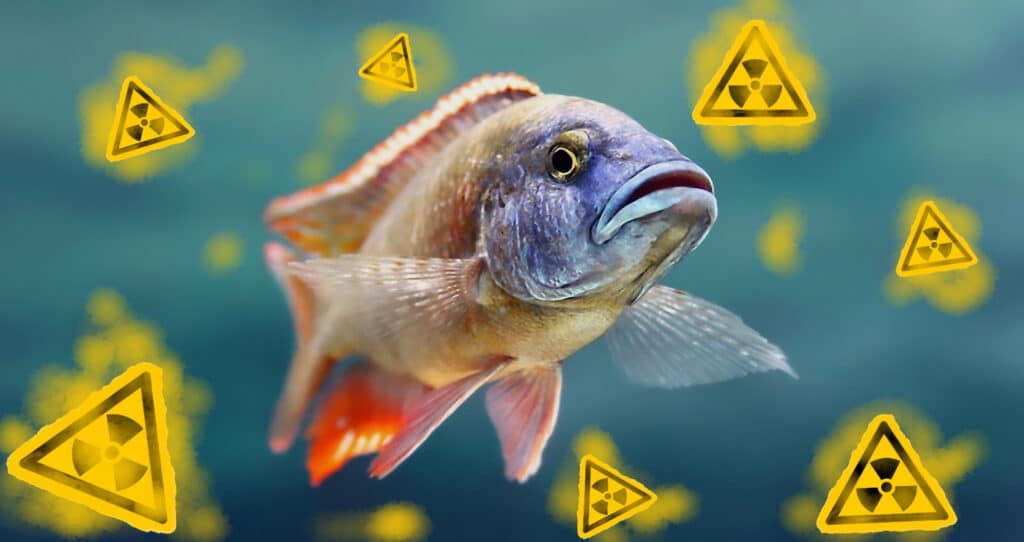
H Φουκουσίμα και η υποκρισία


Υπουργός γίνεται «πειραματόζωο» για να αποδείξει ότι τα ψάρια είναι ασφαλή!


= = =


Διαβάζω στο cibum.gr ότι Κίνα και Ρωσία έχουν αναστείλει τις εισαγωγές θαλασσινών προϊόντων από την Ιαπωνία, λόγω του ατυχήματος στην Φουκουσίμα.

Η Κίνα πιστεύει ότι ο Διεθνής Οργανισμός Ατομικής Ενέργειας (IAEA) θα πρέπει να διαδραματίσει εποικοδομητικό ρόλο και να επωμιστεί την ευθύνη για την παρακολούθηση της απόρριψης στη θάλασσα επεξεργασμένων υδάτων από τον κατεστραμμένο πυρηνικό σταθμό της Φουκουσίμα στην Ιαπωνία, ανακοίνωσε σήμερα το κινεζικό υπουργείο Εξωτερικών.

Η Μάο Νινγκ, η εκπρόσωπος του υπουργείου, έκανε το σχόλιο αυτό όταν ρωτήθηκε γιατί η Κίνα μετέχει σε επιθεώρηση που γίνεται υπό την καθοδήγηση του IAEA στην Ιαπωνία για την ανάλυση δειγμάτων από ψάρια που έφτασαν στην αγορά του νομού της Φουκουσίμα μετά τη ρίψη στην θάλασσα επεξεργασμένων υδάτων από τον κατεστραμμένο πυρηνικό σταθμό.

Αυτά για την Κίνα και την Ιαπωνία και τα ψάρια τους.

Και πάμε τώρα στον Covid-19. Σε λίγες εβδομάδες κλείνουμε 4 (!) χρόνια από τότε που άρχισε ο Covid-19 να θερίζει…


[η συνέχεια εδώ]


Tuesday, 4 October 2022

Brainwashing: Επιστημονικός Φασισμός


του Γιάννη Ζαμπετάκη

Αυτό που οι φασίστες μισούν πάνω απ’ όλα, είναι η ευφυΐα *

Μάλλον θα έχετε ήδη ακούσει για την νέα μελέτη του Επ. Καθηγητή Θεόδωρου Λύτρα με το κύριο σημείο ότι το 97.7% των νοσηλευομένων με covid εκτός ΜΕΘ κατέληξαν στο θάνατο έναντι των 9.382 νοσηλευομένων σε ΜΕΘ, εκ των οποίων κατέληξε το 72,7%.

Η κυβέρνηση αυτή την φορά αποφάσισε να «δράσει» τελειωτικά εναντίου του κ. Λύτρα. Με μια ενέργεια που θυμίζει ολοκληρωτικά καθεστώτα και επιστημονικό φασισμό, τον απέκλεισε από κάθε πρόσβαση στα στοιχεία του ΕΟΔΥ!

Είναι σαν το Αριστερό Εξτρέμ να θέλει να κάνει μια έρευνα πάνω στις ανακλήσεις επικίνδυνων τροφίμων και να μην μπορεί να έχει πρόσβαση στα στοιχεία του ΕΦΕΤ!

Με αυτήν της την ενέργεια η κυβέρνηση αντί να κοιτάξει πώς θα βελτιώσει το ΕΣΥ, πετά, για άλλη μια φορά την μπάλα στην εξέδρα. Τρομοκρατημένη από το θόρυβο των επιστημονικών μελέτων, δίνει το σύνθημα: «όχι στην έρευνα που δεν συνάδει με την πολιτική μας».

Αλλά η επιστημονική έρευνα δεν έχει πολιτικό πρόσημο! Δεν υπάρχει Δεξιά ή Αριστερή έρευνα. Απλά, η έρευνα ψάχνει για την αλήθεια και για το γενικότερο καλό.

Όλα τα άλλα, είναι απλά… επιστημονικός φασισμός!

  • Ρητό του Ισπανού συγγραφέα και φιλόσοφου Μιγέλ ντε Ουναμούνο, “Η Τραγική Αίσθηση της Ζωής“

Tuesday, 30 August 2022

Effective food hygiene principles and dietary intakes to reinforce the immune system for prevention of COVID-19: a systematic review

 this is a paper of great interest!


Abstract

Background

This study aimed at reviewing effective food hygiene principles and dietary intakes to reinforce the immune system for prevention of corona virus disease 2019 (COVID-19).

Methods

The systematic literature search was performed in three databases from Jan. 2020 up to 10th July 2020. English articles that focused on nutrition, food, immunity and corona virus were searched. Systematic and narrative reviews were included.

Results

After evaluation of search papers, 27 relevant articles were used in this review. The importance of nutrients, phytochemicals, probiotics and some spices were highlighted for enhancing immunity during the COVID-19 pandemic. A healthy dietary pattern with proper energy intake provides sufficient nutrients. The unhealthy dietary pattern is linked with inflammation and risk factors related to high mortality in patients with severe COVID-19 infection. Different thermal procedures have been used for the inactivation of viruses. It is recommended not to consume raw or undercooked animal products.

Conclusions

It is critical to ensure that the nutritional needs of the population are met and sustained based on standards during a COVID-19 pandemic. Clear advice on adequate calorie intake and an optimal healthy diet to support the immune function should be provided. Good hygiene practices must be performed by everyone and done in the food industry.

Friday, 19 August 2022

COVID-19: What to eat when you have the virus

 Eating a nutrient-dense diet can help someone recover from COVID-19 by supporting their immune system and managing inflammation. This may be particularly important if they lose their sense of taste or smell and have the temptation to eat stronger tasting, less nutritious foods.

People can support their bodies in recovery at home by eating a nutritious diet. This article looks at what experts advise to eat when individuals have COVID-19.

This article also details the symptoms of COVID-19, how the loss of taste and smell affects diet, what to do if vomiting occurs, and some frequently asked questions.

========


the full article is here.

Thursday, 28 July 2022

Systemic inflammation


in this wiki article on systemic inflammation, our work on covid-19, nutrition and inflammation has been referenced [ref 9].

Chronic systemic inflammation (SI) is the result of release of pro-inflammatory cytokines from immune-related cells and the chronic activation of the innate immune system. It can contribute to the development or progression of certain conditions such as cardiovascular disease, cancer, diabetes mellitus, chronic kidney disease, non-alcoholic fatty liver disease, autoimmune and neurodegenerative disorders,[1] and coronary heart disease.[2]


Mechanisms[edit]

Release of pro-inflammatory cytokines and activation of the innate immune system may be the result of either external (biological or chemical agents) or internal (genetic mutations/variations) factors. The cytokine Interleukin 6 and C-reactive protein are common inflammatory markers used to diagnose systemic inflammation risk.[3] Baseline C-reactive protein levels deviate due to natural genetic variation, but significant increases can result from risk factors such as smoking, obesity, lifestyle, and high blood pressure.[3]

Systemic chronic inflammation increases with age (also known as inflammaging) due to unresolved acute inflammation and an individual's exposome. Age-related systemic chronic inflammation is associated with several cytokines including CXCL9, TRAIL, interferon gamma, CCL11, and CXCL1, and a proposed measurement of chronic systemic inflammation based on these cytokines (iAge) correlates with immunosenescence and predicts risk for cardiovascular disease, frailty syndrome, and multimorbidity.[4]

Comorbidities[edit]

It is firmly established that systemic markers for inflammation predict coronary heart disease complications with or without existing heart disease.[2] Inflammation also plays a role in diabetes risk and new research continues to support this conclusion.[5]

Research suggests chronic inflammation plays a major role in COVID-19 morbidity.[6][7] In severe cases, COVID-19 causes a cytokine storm which contributes to excessive and uncontrolled inflammation of organs, particularly respiratory tissues.[8][9] If untreated, this increased inflammation can result in reduced immune response, pneumonia, lymphoid tissue damage, and death.[8] Individuals with abnormal cytokine production, such as those with obesity or systemic chronic inflammation, have poorer health outcomes from COVID-19.[6][7] Elevated cytokine production alters the innate immune response which leads to abnormal T-cell and B-Cell function that decreases control of viral replication and host defense.[6] Anti-viral therapeutic drugs which also reduce inflammation seem to be the most effective treatment, but research is still ongoing.[9] Reactive oxygen species are upregulated during inflammation as part of the immune response to defend against pathogens.[10] However, excessive inflammation causes dangerous levels of reactive oxygen species which cause oxidative stress to tissues.[10] The immune system naturally produces antioxidant compounds to regulate and detoxify reactive oxygen species.[10] Anti-oxidative therapy with supplements such as Vitamin C, Vitamin E, Curcumin, or Baicalin is speculated to reduce infection severity in COVID-19,[11][9] but previous research has not found antioxidants supplementation to be effective in the prevention of other diseases.[12] Shifting from the typical western diet to a Mediterranean diet or plant-based diet may improve COVID-19 health outcomes by reducing prevalence of comorbidities (i.e. obesity or hypertension), decreasing intake of pro-inflammatory foods, and increasing consumption of anti-inflammatory and antioxidant nutrients.[9][13][14]

Research[edit]

While SI may be induced by multiple external factors, research suggests that a lack of control by tolerogenic dendritic cells and T-regulatory cells (Treg) is possibly the primary risk factor for the development of SI. In functioning immune responses, T-helper and T-cytotoxic cells are activated by presentation of antigens by antigen-presenting cells (APCs). Chief among these are dendritic cells (DCs). When a DC presents an antigen to a Treg cell, a signal is then sent to the nucleus of the DC, resulting in the production of Indoleamine 2,3- Dioxygenase (IDO). IDO inhibits T cell responses by depleting tryptophan and producing kynurenine, which is toxic to the cell.

Individuals susceptible to developing chronic systemic inflammation appear to lack proper functioning of Treg cells and TDCs. In these individuals, a lack of control of inflammatory processes results in multiple chemical and food intolerances, autoimmune diseases.


References[edit]

  1. ^ Furman, David; Campisi, Judith; Verdin, Eric; Carrera-Bastos, Pedro; Targ, Sasha; Franceschi, Claudio; Ferrucci, Luigi; Gilroy, Derek W.; Fasano, Alessio; Miller, Gary W.; Miller, Andrew H. (December 2019). "Chronic inflammation in the etiology of disease across the life span". Nature Medicine. 25 (12): 1822–1832. doi:10.1038/s41591-019-0675-0. ISSN 1546-170X. PMC 7147972. PMID 31806905.
  2. ^ Jump up to:a b Sattar N, McCarey DW, Capell H, McInnes IB (December 2003). "Explaining how "high-grade" systemic inflammation accelerates vascular risk in rheumatoid arthritis". Circulation. 108 (24): 2957–63. doi:10.1161/01.CIR.0000099844.31524.05. PMID 14676136.
  3. ^ Jump up to:a b Sproston, Nicola R.; Ashworth, Jason J. (2018-04-13). "Role of C-Reactive Protein at Sites of Inflammation and Infection". Frontiers in Immunology. 9: 754. doi:10.3389/fimmu.2018.00754. ISSN 1664-3224. PMC 5908901. PMID 29706967.
  4. ^ Sayed, Nazish; Huang, Yingxiang; Nguyen, Khiem; Krejciova-Rajaniemi, Zuzana; Grawe, Anissa P.; Gao, Tianxiang; Tibshirani, Robert; Hastie, Trevor; Alpert, Ayelet; Cui, Lu; Kuznetsova, Tatiana (2021-07-26). "Author Correction: An inflammatory aging clock (iAge) based on deep learning tracks multimorbidity, immunosenescence, frailty and cardiovascular aging". Nature Aging. 1 (8): 748. doi:10.1038/s43587-021-00102-x. ISSN 2662-8465.
  5. ^ Tsalamandris, Sotirios; Antonopoulos, Alexios S.; Oikonomou, Evangelos; Papamikroulis, George-Aggelos; Vogiatzi, Georgia; Papaioannou, Spyridon; Deftereos, Spyros; Tousoulis, Dimitris (February 2019). "The Role of Inflammation in Diabetes: Current Concepts and Future Perspectives". European Cardiology Review. 14 (1): 50–59. doi:10.15420/ecr.2018.33.1. ISSN 1758-3756. PMC 6523054. PMID 31131037.
  6. ^ Jump up to:a b c Chiappetta, Sonja; Sharma, Arya M.; Bottino, Vincenzo; Stier, Christine (May 2020). "COVID-19 and the role of chronic inflammation in patients with obesity". International Journal of Obesity. 44 (8): 1790–1792. doi:10.1038/s41366-020-0597-4. ISSN 1476-5497. PMC 7224343. PMID 32409680.
  7. ^ Jump up to:a b Yang, Jing; Zheng, Ya; Gou, Xi; Pu, Ke; Chen, Zhaofeng; Guo, Qinghong; Ji, Rui; Wang, Haojia; Wang, Yuping; Zhou, Yongning (May 2020). "Prevalence of comorbidities and its effects in patients infected with SARS-CoV-2: a systematic review and meta-analysis". International Journal of Infectious Diseases. 94: 91–95. doi:10.1016/j.ijid.2020.03.017. ISSN 1201-9712. PMC 7194638. PMID 32173574.
  8. ^ Jump up to:a b Tang, Yujun; Liu, Jiajia; Zhang, Dingyi; Xu, Zhenghao; Ji, Jinjun; Wen, Chengping (2020-07-10). "Cytokine Storm in COVID-19: The Current Evidence and Treatment Strategies". Frontiers in Immunology. 11: 1708. doi:10.3389/fimmu.2020.01708. ISSN 1664-3224. PMC 7365923. PMID 32754163.
  9. ^ Jump up to:a b c d Zabetakis, Ioannis; Lordan, Ronan; Norton, Catherine; Tsoupras, Alexandros (2020-05-19). "COVID-19: The Inflammation Link and the Role of Nutrition in Potential Mitigation". Nutrients. 12 (5): 1466. doi:10.3390/nu12051466. ISSN 2072-6643. PMC 7284818. PMID 32438620.
  10. ^ Jump up to:a b c Mittal, Manish; Siddiqui, Mohammad Rizwan; Tran, Khiem; Reddy, Sekhar P.; Malik, Asrar B. (2014-03-01). "Reactive Oxygen Species in Inflammation and Tissue Injury". Antioxidants & Redox Signaling. 20 (7): 1126–1167. doi:10.1089/ars.2012.5149. ISSN 1523-0864. PMC 3929010. PMID 23991888.
  11. ^ Wang, Jing-Zhang; Zhang, Rui-Ying; Bai, Jing (2020-08-01). "An anti-oxidative therapy for ameliorating cardiac injuries of critically ill COVID-19-infected patients". International Journal of Cardiology. 312: 137–138. doi:10.1016/j.ijcard.2020.04.009. ISSN 0167-5273. PMC 7133895. PMID 32321655.
  12. ^ Katsiki, Niki; Manes, Christos (February 2009). "Is there a role for supplemented antioxidants in the prevention of atherosclerosis?". Clinical Nutrition (Edinburgh, Scotland). 28 (1): 3–9. doi:10.1016/j.clnu.2008.10.011. ISSN 1532-1983. PMID 19042058.
  13. ^ Rishi, Praveen; Thakur, Khemraj; Vij, Shania; Rishi, Lavanya; Singh, Aagamjit; Kaur, Indu Pal; Patel, Sanjay K. S.; Lee, Jung-Kul; Kalia, Vipin C. (2020-09-28). "Diet, Gut Microbiota and COVID-19". Indian Journal of Microbiology. 60 (4): 420–429. doi:10.1007/s12088-020-00908-0. ISSN 0046-8991. PMC 7521193. PMID 33012868.
  14. ^ Di Renzo, Laura; Gualtieri, Paola; Pivari, Francesca; Soldati, Laura; Attinà, Alda; Cinelli, Giulia; Leggeri, Claudia; Caparello, Giovanna; Barrea, Luigi; Scerbo, Francesco; Esposito, Ernesto (2020-06-08). "Eating habits and lifestyle changes during COVID-19 lockdown: an Italian survey". Journal of Translational Medicine. 18 (1): 229. doi:10.1186/s12967-020-02399-5. ISSN 1479-5876. PMC 7278251. PMID 32513197.