Showing posts with label food. Show all posts

Monday, 17 August 2026

our latest publication


Food characterization in the omics era: current advances, analytical approaches, and future perspectives

Abstract

Food characterization is fundamental to ensuring food quality, safety, authenticity, traceability, and nutritional value in increasingly complex global food systems. Conventional analytical approaches often provide limited information on the molecular complexity of food matrices, necessitating the adoption of advanced, high-throughput technologies. Omics sciences, including genomics, transcriptomics, proteomics, metabolomics, lipidomics, and microbiomics, have emerged as powerful tools for comprehensive food characterization by enabling the large-scale analysis of genes, transcripts, proteins, metabolites, lipids, and microbial communities. The integration of these disciplines within the framework of foodomics has transformed food research from conventional assessments to systems-level investigations of food composition, functionality, and biological effects. This review provides a comprehensive overview of the major omics platforms and their applications in food quality evaluation, authenticity verification, safety monitoring, traceability, and nutritional assessment. Particular emphasis is placed on the role of multi-omics approaches in identifying molecular biomarkers associated with food origin, processing, adulteration, and health-promoting attributes. Advances in analytical technologies, including high-resolution mass spectrometry, nuclear magnetic resonance spectroscopy, and next-generation sequencing, are discussed in the context of foodomics workflows. Furthermore, the integration of chemometrics, machine learning, and artificial intelligence with omics datasets is examined as a means of improving data interpretation, predictive modeling, and real-time decision-making throughout the food supply chain. The review also highlights current challenges related to data integration, standardization, analytical reproducibility, and bioinformatics infrastructure, while outlining emerging opportunities in precision nutrition, digital food systems, and sustainable food production. By synthesizing recent developments across multiple omics disciplines, this review underscores the pivotal role of foodomics and multi-omics strategies in advancing comprehensive food characterization and supporting the development of safer, more authentic, and nutritionally optimized food systems.

Tuesday, 11 November 2025

Νέο Πρόγραμμα Online εκπαίδευσης στο ΕΚΠΑ : Food & Beverage Manager


Πιο πολλές πληροφορίες εδώ.


Σκοπός του προγράμματος είναι η εκπαίδευση των συμμετεχόντων/ουσών στον επαγγελματικό ρόλο του Food & Beverage Manager, με έμφαση στη διοίκηση και λειτουργική εποπτεία του τμήματος Τροφίμων και Ποτών , στη διαχείριση ανθρώπινου δυναμικού, καθώς και στον έλεγχο προϋπολογισμών, ποιοτικών προτύπων και εμπειρίας πελατών. Το πρόγραμμα παρέχει ένα ολοκληρωμένο σύνολο γνώσεων και εργαλείων που επιτρέπουν τη συστηματική οργάνωση, παρακολούθηση και βελτιστοποίηση των διαδικασιών που συνθέτουν τη λειτουργία μιας επιχείρησης του κλάδου.
Στο πλαίσιο του προγράμματος εξετάζονται θεματικές όπως η διαμόρφωση προϋπολογισμού, η κοστολόγηση και τιμολόγηση μενού, η διαχείριση αποθεμάτων, προμηθειών και εξοπλισμού, καθώς και η ενσωμάτωση βιώσιμων πρακτικών στη λειτουργία της επιχείρησης. Παρουσιάζονται τα διεθνή πρότυπα ποιότητας και ασφάλειας τροφίμων (HACCP, ISO 22000, BRC, IFS, Kosher), ζητήματα υγιεινής και ασφάλειας στην εστίαση, καθώς και η σύνθεση και οργάνωση γευμάτων και ποτών. Επιπλέον, το πρόγραμμα εστιάζει στην ανάπτυξη ηγετικών ικανοτήτων, την ενίσχυση της συνεργασίας και της επικοινωνίας, την παρακίνηση και αξιολόγηση προσωπικού, καθώς και στη βελτίωση της εξυπηρέτησης πελατών. Ιδιαίτερη έμφαση δίνεται στη διαχείριση χρόνου και προτεραιοτήτων, καθώς και στη χρήση της αγγλικής γλώσσας για αποτελεσματική επικοινωνία με πελάτες και συνεργάτες.
Με την ολοκλήρωση του προγράμματος, οι συμμετέχοντες/ουσες θα είναι σε θέση να συντονίζουν αποτελεσματικά την οργάνωση και λειτουργία ενός τμήματος Τροφίμων και Ποτών, εφαρμόζοντας με συνέπεια πρακτικές κοστολόγησης, ασφάλειας, ποιότητας και εξυπηρέτησης, ενώ παράλληλα θα διασφαλίζουν την αποδοτική διαχείριση των ανθρώπινων πόρων και τη συμμόρφωση με τα λειτουργικά και κανονιστικά πρότυπα της επιχείρησης.

Το πρόγραμμα απευθύνεται σε απόφοιτους Πανεπιστημιακής/ΤΕΙ της ημεδαπής και της αλλοδαπής, καθώς και σε απόφοιτους Δευτεροβάθμιας και Μεταλυκειακής Εκπαίδευσης με συναφή στο αντικείμενο εργασιακή εμπειρία ή σπουδές.
Αναλυτικότερα, απευθύνεται σε:
•    Στελέχη και Υπεύθυνους Λειτουργίας Επισιτιστικών Επιχειρήσεων (Εστιατόρια, Ξενοδοχεία, Catering), που ασκούν ή επιδιώκουν να αναλάβουν ρόλους ευθύνης στον συντονισμό και τη διοίκηση τμημάτων Τροφίμων και Ποτών.
•    Επαγγελματίες του Κλάδου του Τουρισμού και της Φιλοξενίας, οι οποίοι ασκούν καθήκοντα στη διαχείριση προσωπικού, τον έλεγχο ποιότητας και τη διαμόρφωση της εμπειρίας πελάτη και επιδιώκουν να ενισχύσουν τις διοικητικές και οργανωτικές τους δεξιότητες.
•    Αποφοίτους Τουριστικών Σχολών και Ειδικοτήτων Επισιτισμού, οι οποίοι επιδιώκουν να αποκτήσουν εξειδικευμένες γνώσεις και δεξιότητες στη διοίκηση τμημάτων Τροφίμων και Ποτών, ενισχύοντας το επαγγελματικό τους προφίλ.
•    Νέους ή ελεύθερους επαγγελματίες, που δραστηριοποιούνται στην εστίαση ή σε ξενοδοχειακές επιχειρήσεις και επιθυμούν να αναπτύξουν δεξιότητες στη διοίκησης μονάδων και την αποτελεσματική διαχείριση του τμήματος Τροφίμων και Ποτών.


Οδηγός σπουδών 


Saturday, 20 January 2024

Larger plate sizes bring bigger appetites

 from the Irish Times

Eating dinner from a bowl is a fundamental error, says one culinary nutrition expert

Charlie McConalogue, Minister for Agriculture, Food and the Marine, has been on a crusade to tackle Ireland’s food waste problem, urging restaurants to serve smaller portions and decrying the use of “doggy bags” for customers to take home what they are unable to finish. In France and Spain, the official approach is the opposite – restaurants can be fined for not providing takeaway containers for diners who request them.

But the food waste problem isn’t confined to restaurants, indeed many restaurateurs and chefs would argue that it is not a problem for them: food is too expensive a commodity for them to waste and still make a profit. It is in our homes that the greatest amount of food is discarded – almost a third of Ireland’s food waste mountain of about 750,000 tonnes a year is generated by private households.

In my kitchen cupboard, there are large off-white plates and plain white bowls, large and small, that we eat dinner from every day. The bowls are what we reach for most often, their shape more suitable for the weekday pastas, stews, curries and bakes that we eat on rotation at this time of year. The plates come out when a knife is required rather than optional.

When I am watching what I eat, I reach for the smaller bowls, but more often than not I choose the larger ones, trying but not always succeeding, to keep the portion size the same. It is true that we eat with our eyes first, before we taste a morsel, and to me food just looks better if not crowded on to a plate or bowl.

But plate sizes have gradually increased over the years, and with it our appetites. Many of us have got used to eating more than we need to, and more than is recommended by dietitians for a healthy lifestyle. Sarah Keogh, a dietitian and lecturer in culinary nutrition at Technical University Dublin (TUC), estimates that the average dinner plate is a number of inches bigger that it was in the 1960s and 1970s. And if there is space on the plate, we are to going to be tempted to fill it, aren’t we?

“Average dinner plate sizes, if you go to buy one today, have gone from roughly an 8-inch diameter (20cm) to a 12-inch diameter (30cm) and beyond,” Keogh says. “And the problem is, if you go back even 25 years ago, it might have been an 8-inch plate, but there was a rim and you put the food within the rim, whereas there are a lot more rimless plates now, but the plate is still the same size, so people are inclined to fill the plate.”

The extra and often unnecessary calories on a large plate serving can mount up alarmingly. “There is up to an additional 600 calories on a plate, and dinner should be around 600 calories in total. Even breakfast bowls are twice the size that they would have been 20 years ago, so you’re having double the bowl of cornflakes that you did have.”

“I’ve seen this a lot in clinics with people who are trying to lose weight,” says Keogh, who is the founder of Eatwell, a nutrition and dietetics consultancy, as well as having a private practice in Dublin. “The mantra I get from so many people is, ‘I eat healthy food, I don’t know why I am putting on weight’. And I say, well let’s look at the size of your plate. There are many things involved in weight, but one of them is the total amount of calories you consume in a day. And whether it comes from healthy food or less healthy food doesn’t matter in terms of weight.”

‘A bowl is always a mistake’

Plate size apart, I am making a fundamental error in eating my dinner from a bowl, according to Keogh. “My advice is never eat your dinner out of a bowl, unless it’s soup, because you can pack up the sides of that bowl really quite high. A bowl is always a mistake, even for pasta. I’d never serve pasta in a bowl, always a plate.”

Putting Keogh’s advice to the test, I weigh and measure my dinner and present it on a plate, and in a bowl, keeping to the Health Service Executive (HSE) published recommended portion sizes. The one cup (200ml) of cooked basmati rice, along with 100g of lemon and coconut dal, looks reasonably generous on my 28cm plate (which actually dates from around 30 years ago), but in the bowl – how I would normally serve it – it looks like a child’s portion in comparison. I also have a plate of steamed broccoli on the side, and dinner at these quantities leaves me no longer hungry, but not full either, which is ideal, according to Keogh.

“What is interesting is your perception around what was in the bowl and what was on the plate,” Keogh says. “There is some really good research in this area. For example, if you have a tall slim glass, you will drink less than if you have a short, fat glass and if you have the same amount of liquid, you’ll feel like you had less in the short glass than in the tall glass. At the end of the day, we just don’t need the giant plates.”

Bigger plates and larger portion sizes are not just confined to home, where we are in charge of what is served. Keogh believes portion sizes have increased across the board in recent years. “If you look at the size of doughnuts and cupcakes and pastries in the last 20 years, they’re nearly three times the size. When I was little and you got a fairy cake, it was about the size of the fist of a two-year-old. Whereas today, you’re getting a cupcake and it’s just huge. We see that growth in portion sizes everywhere.”

However, Mr McConalogue’s suggestion that portion sizes in restaurants are far too large, and are contributing to unnecessary food waste, is contested by some restaurateurs and chefs. Will Beckett is co-founder and chief executive of Hawksmoor, the steakhouse chain, with restaurants in the UK, the US and Dublin. “I think restaurants have done a great job in working on food waste over the years. Last year we set targets for water and waste reduction using three years of baseline data to ensure greater accuracy and dedicated action, and all our food waste is turned into biogas. If anything, I read more in the press about smaller portions (shrinkflation) rather than larger. It’s part of the art of restaurants, isn’t it – getting portion sizes right is about value for money for customers. In my experience all restaurants hate waste, even if they’re not sustainability-focused, because it impacts their profits,” he says.

Wade Murphy, a chef who owns and runs 1826 Adare in the Co Limerick town with his wife Elaine, agrees. “Portion control and costing everything within an inch of its life are vital in order for a restaurant to survive. When we first opened, we served potatoes as a side dish with every main course ordered as we thought that’s what people expected. When we saw how much we were throwing out, we decided to look at it. It costs money to bring them in, cook them and then dispose of them and it didn’t make sense. Now each plate is garnished with a potato or a starch and if people want additional sides, they can order them.”

Grainne O’Keefe, chef proprietor at Mae restaurant in Ballsbridge, also believes restaurant portion sizes have not increased in recent years. “In a fine dining restaurant with a set menu, you are likely to get smaller portions of food than in a gastropub, but you get a lot more courses, which overall would likely amount to the same amount of food. It is important that people don’t leave a meal feeling hungry regardless of what type of establishment they are dining in, but I don’t think that portion sizes have had to increase to accommodate that.”

Gareth Mullins, executive head chef at Anantara The Marker hotel in Dublin 2, says that guests asking to take away unfinished food happens rarely in his Forbes Street restaurant, with the occasional exception of very large steaks. “If someone orders a sharing steak like a T-bone or Tomahawk and doesn’t finish it, they might ask to bring it home, which of course is not a problem.” Conversely, smaller portions of steak are proving popular at his restaurant. “I recently added a 6oz (170g) fillet steak to my à la carte menu as well as an 8oz (227g), and I am surprised at how well the 6oz is selling and shows some guests are happier with a smaller cut of meat.”

‘People would complain’

Even a 170g/6oz steak is still way beyond the 50-75g lean protein recommended serving size in the HSE guidelines, something O’Keefe takes issue with. “I don’t think that is realistic. If a restaurant was to serve even 75g of protein, people would complain.” However, even with larger portions, and four courses on her set menu dinner, food waste is not something she encounters in her restaurant. “Very rarely we have guests asking to bring leftovers home, as there is never really much left, with the exception of a dessert that they may want to finish later.”

At Hawksmoor, the average ordered weight of steak per diner “is probably circa 300g,” according to Beckett, but not all of it always gets eaten on site. “We love doggy bags! Everyone should be able to ask for one, and we’ve had periods of actively pushing them, and putting recipes (like our steak sandwich) into the bag as well to give people a bit of inspiration. I suspect very few doggies actually end up eating them, but can confirm that in the Beckett household Blanca the blind great dane and Bruno the whippet have had quite a bit of leftover steak through the year.”


Friday, 19 August 2022

COVID-19: What to eat when you have the virus

 Eating a nutrient-dense diet can help someone recover from COVID-19 by supporting their immune system and managing inflammation. This may be particularly important if they lose their sense of taste or smell and have the temptation to eat stronger tasting, less nutritious foods.

People can support their bodies in recovery at home by eating a nutritious diet. This article looks at what experts advise to eat when individuals have COVID-19.

This article also details the symptoms of COVID-19, how the loss of taste and smell affects diet, what to do if vomiting occurs, and some frequently asked questions.

========


the full article is here.

Friday, 26 November 2021

Diet Inflammatory Index and Dementia Incidence: A Population-Based Study


the full paper is here

Abstract

Background and objectives: Aging is characterized by a functional shift of the immune system towards a proinflammatory phenotype. This derangement has been associated with cognitive decline and has been implicated in the pathogenesis of dementia. Diet can modulate systemic inflammation; thus, it may be a valuable tool to counteract the associated risks for cognitive impairment and dementia. The present study aimed to explore the associations between the inflammatory potential of diet, assessed using an easily applicable, population-based, biomarker-validated diet inflammatory index (DII), and the risk for dementia in community-dwelling older adults.

Methods: Individuals from the Hellenic Longitudinal Investigation of Aging and Diet (HELIAD) were included in the present cohort study. Participants were recruited through random population sampling, and were followed for a mean of 3.05 (SD=0.85) years. Dementia diagnosis was based on standard clinical criteria. Those with baseline dementia and/or missing cognitive follow-up data were excluded from the analyses. The inflammatory potential of diet was assessed through a DII score which considers literature-derived associations of 45 food parameters with levels of pro- and anti-inflammatory cytokines in the blood; higher values indicated a more pro-inflammatory diet. Consumption frequencies were derived from a detailed food frequency questionnaire, and were standardized to representative dietary intake normative data from 11 different countries. Analysis of dementia incidence as a function of baseline DII scores was performed by Cox proportional hazards models.

Results: Analyses included 1059 individuals (mean age=73.1 years; 40.3% males; mean education=8.2 years), 62 of whom developed incident dementia. Each additional unit of DII was associated with a 21% increase in the risk for dementia incidence [HR=1.21 (1.03 - 1.42); p=0.023]. Compared to participants in the lowest DII tertile, participants in the highest one (maximal pro-inflammatory diet potential) were 3 [(1.2 - 7.3); p=0.014] times more likely to develop incident dementia. The test for trend was also significant, indicating a potential dose-response relationship (p=0.014).

Conclusions: In the present study, higher DII scores (indicating greater pro-inflammatory diet potential) were associated with an increased risk for incident dementia. These findings might avail the development of primary dementia preventive strategies through tailored and precise dietary interventions.

Wednesday, 3 November 2021

Anti-inflammatory diets in COVID-19

 A recent review of research published in the journal Diseases has shown that anti-inflammatory diets can be useful in preventing severe acute respiratory syndrome coronavirus 2 (SARS-CoV-2) infection or reducing the severity of coronavirus disease 2019 (COVID-19).


the full story is here.

Sunday, 26 September 2021

Why don’t we grow our own food?


This is an interesting article on Sunday Times today:

Why don’t we grow our own food?

and here are some thoughts of mine stemmed from this article.

The main points that we need to refocus in Irish Academia and Irish food industry are these:

1. train new people/scientists on how to produce high quality food; these courses do not need to be Uni degrees but short courses for all ages and backgrounds. You do not need to be a rocket scientist to grow food!

2. establish initiatives to inform/train the general public to eat more seasonally and more healthy

3. support the local companies by changing our attitude that the cheapest food can do the job! Cheap food means corporation food grown artificially and having traveled many miles. We need to start labeling the food sold in the SM with food miles! In order to grow an environmental mentality for the Public.

It's a complicated problem and needs the collaboration of many players in a synergistic way! But only benefits can be ripped from such an initiative!

Thursday, 23 September 2021

Tuesday, 24 November 2020

Σπύρος Οικόπουλος και delivery food

 πηγή: DocFood&Drink

Όπως ίσως καταλάβατε, το σημερινό μας θέμα είναι η γνωστή και μη εξαιρετέα, αλλά και άκρως επίκαιρη υπηρεσία διανομής φαγητού, ή αν προτιμάτε το delivery, ή ντελίβερι, με άκρως ελληνικούς χαρακτήρες. Το σημερινό αντικείμενο συζήτησης έχει άπειρες προεκτάσεις, κοινωνικές και οικονομικές, αλλά θα εστιάσουμε –όπως πάντα– σε πράγματα που θα μας κάνουν να χαμογελάσουμε. Ο προβληματισμός σαφώς και υπάρχει, αλλά θα φροντίσουμε να παραμείνουμε εκτός σκέψεων ειδικού βάρους…

Λίγο από ιστορία... και ο εχθρός προ των πυλών


Σε παλαιότερο ραντεβού μας είχαμε κάνει ένα tribute στην αγαπημένη σε όλους πίτσα… και κάπου εδώ έρχεται με σχετική ασάφεια η πρωτιά της υπηρεσίας διανομής. Κάνοντας ένα flash back στο συγκεκριμένο newsletter, συναντάμε στη Νάπολη της Ιταλίας το 1889 τον αρτοποιό Ραφαέλε Εσπόζιτο. Η τότε βασίλισσα Μαργαρίτα είχε την περιέργεια να δοκιμάσει τη γνωστή στην περιοχή συνταγή του Ραφαέλε, την πίτσα, αλλά επειδή ως βασίλισσα δεν υπήρχε περίπτωση να πάει η ίδια στο κατάστημα του pizzerman και επειδή δεν είχε εφευρεθεί ακόμα το τηλέφωνο, έστειλε τους αυλικούς της για να συνεννοηθούν με το μάστορα. Ο ίδιος ο Ραφαέλε έφερε τη δημιουργία του στη βασίλισσα, με την ιστορία να γράφει την πρώτη διανομή, αλλά και τον λόγο που ονομάστηκε η πίτσα «μαργαρίτα», λόγω των χρωμάτων της ιταλικής σημαίας πάνω της, εξαιτίας των υλικών.


Μιλώντας για πιο σύγχρονες καταστάσεις, θα μεταφερθούμε στην άλλη πλευρά του Ατλαντικού. Βρισκόμαστε τη δεκαετία του ’50 και τότε λαμβάνει χώρα μία από τις μεγαλύτερες εισβολές στην παγκόσμια ιστορία: Η τηλεόραση μπαίνει στα σπίτια! Αυτό σημαίνει αυτομάτως βίδωμα στον καναπέ και την πολυθρόνα και βοδινό βλέμμα παρατήρησης σε οτιδήποτε σερβίρει η νέα ανακάλυψη. Ο κόσμος σταματάει να βγαίνει για φαγητό και ποτό, διότι το νέο είδος μενού σερβίρεται σε ίντσες (τηλεοπτικές) και όχι σε πιάτο. Η ανάγκη για κάτι «γρήγορο μη χάσουμε τη συνέχεια της σειράς» γίνεται επιτακτική. Οι κατσαρόλες υπολειτουργούν και τα μάτια όλων είναι πλέον στραμμένα σε οτιδήποτε προβάλλεται, κάθε ώρα και στιγμή.

Οι ιδιοκτήτες των μπαρ, πολύ σοφά σκεπτόμενοι, εξοπλίζουν πλέον τα μαγαζιά τους με τηλεοράσεις, ώστε να προσελκύσουν τους άντρες πελάτες, έστω και για τους αγώνες του Σαββατοκύριακου. Τα περιβόητα sports bars είναι γεγονός και κάτι αρχίζει να κινείται στο θέμα της κατανάλωσης ποτού. Στον τομέα Food όμως τα πράγματα παραμένουν στάσιμα. Τότε λοιπόν συμβαίνει η επανάσταση, με την κινεζική και ιταλική κουζίνα να πρωτοπορούν, ξεκινώντας να μοιράζουν φυλλάδια με τα μενού τους, που έμεναν σχεδόν στα αζήτητα, με το moto «σε 30 λεπτά στην πόρτα σας» να γίνεται συνώνυμο επαναστατικού διαγγέλματος. Αρκετές αλυσίδες εστιατορίων κάνουν ένα βήμα παραπέρα, βάζοντας διαφημίσεις στο εχθρικό μέσον: Τηλεοπτικές ρεκλάμες βομβαρδίζουν ασταμάτητα το κοινό και πλέον το φαγητό σε πακέτο γίνεται σύμμαχος της ασταμάτητης τηλεθέασης.


Εντός συνόρων

Μιλώντας για τα ελληνικά δεδομένα, ακόμα και πριν έρθουν οι περίεργες μέρες που ζούμε, η μάχη της διανομής είχε και έχει δύο μεγάλους αντιπάλους, τους οποίους και αναλύσαμε σε παλαιότερο ραντεβού μας: Το σουβλάκι και η πίτσα κάνουν ένα καθημερινό, ασταμάτητο ράλι στους δρόμους της πόλης, της κάθε πόλης και όταν λέμε ράλι, εννοούμε ράλι!

Τα παπάκια, τα ποδήλατα και τα πατίνια πλέον είναι οι πρωταγωνιστές της ασφάλτου, με τα ειδικά κουτιά μεταφοράς να δίνουν χρώμα στις μετακινήσεις τους, καθώς το σωστό το χρώμα τραβάει το μάτι, το μάτι πηγαίνει στο τηλέφωνο παραγγελίας και το έδεσμα παίρνει κυριολεκτικά τον δρόμο του.

Όπως είπαμε και στην αρχή, υπάρχουν πολλά που μπορούν να ειπωθούν σχετικά με την τεράστια ομάδα των ντελιβεράδων, όπως λέγονται στις μέρες μας οι διανομείς. Από θέματα ασφάλειας, ασφάλισης, ιδιοκτησίας των οχημάτων και όσα ακόμα μπορούμε όλοι μας να φανταστούμε, απασχολούν τη δύσκολη αυτή επαγγελματική κατηγορία. Όπως είπαμε όμως, σκοπός είναι κυρίως να χαμογελάσουμε όσο πιο πλατιά γίνεται και να σοκαριστούμε ίσως και από τα οικονομικά μεγέθη. Ο λόγος είναι ότι σύμφωνα με τα επίσημα στοιχεία, προ καραντινο-εγκλεισμού, τα 2/5 του ετήσιου τζίρου της εστίασης, μιλώντας ακόμα και για τον απλό καφέ, κυκλοφορούν σε ένα παπάκι, γυρίζοντας τους δρόμους.
 

Κλείνοντας το τηλέφωνο... και πιάνοντας την οθόνη

Η διανομή φαγητού παγκοσμίως μπορεί να εξακολουθεί την δίτροχη πορεία της ως προς το προορισμό, αλλά ο τρόπος παραγγελίας έχει αλλάξει πλήρως. Οι εποχές που είσοδοι των πολυκατοικιών γέμιζαν με τα διαφημιστικά φυλλάδια του κάθε ιατρού της πείνας ανήκουν στο παρελθόν.

Ακόμα και η τηλεφωνική παραγγελία θεωρείται πλέον πασέ, καθώς οι σύγχρονες ηλεκτρονικές ντελιβεροπλατφόρμες σύγκρισης και παραγγελίας ανήκουν στους παγκόσμιους οικονομικούς κολοσσούς. Πλήθος από εφαρμογές για κινητά τηλέφωνα θέτουν νέα standards στο χώρο της διανομής, με απλό παράδειγμα την ενημέρωση για την ώρα που η πίτσα βρίσκεται μέσα στον φούρνο και τον χρόνο που απομένει.

Οι φίλοι μας οι Σκανδιναβοί έχουν πάει ακόμα ένα βήμα μπροστά, μιλώντας για την τεχνολογική εξέλιξη της διανομής φαγητού, καθώς έχουν επιστρατεύσει μέχρι και drones ώστε η πίτσα να αποτελεί ουράνιο δώρο (μάννα). Βέβαια εκεί τα πράγματα μπλέκονται, καθώς απαιτείται και η ειδική άδεια πτήσης, αλλιώς το drone με τα ζαμπά και τα μπέικα ίσως καταρριφθεί από εχθρικά πυρά.

Διανομή και... sex!

Φυσικά και δεν θα μπορούσε να λείψει η συγκεκριμένη παράγραφος από το ραντεβού μας, καθώς ο διανομέας φαγητού εμπλέκεται πολλαπλώς στον ερωτικό τομέα.

Σύμφωνα με τους παγκόσμιους sex editors, η φαντασίωση συνεύρεσης με τον άνθρωπο που έφερε την πίτσα είναι στο top 10 των γυναικείων φαντασιώσεων. Άλλωστε υπάρχουν πολλές μαρτυρίες ανά τον πλανήτη, όπου η υποδοχή του φαγητού σε πακέτο γίνεται με νεγκλιζέ τρόπο, αδιαφορώντας για την κούραση που κουβαλά ο εργαζόμενος.

Πάλι σύμφωνα με τους ειδικούς sex editors, υπάρχει και ορολογία για την όρθια στάση συνεύρεσης ζεύγους, με την ονομασία «Stand and Deliver». Ο λόγος απλός… ο εργαζόμενος διανομέας, πέρα από την ώρα που περνάει στο δίκυκλο, εργάζεται όρθιος, ανεβοκατεβαίνοντας σκάλες ώστε να μη χαθεί η θερμοκρασία του φαγητού και φυσικά να τραφεί ο άμαχος πληθυσμός στην ώρα του.


Αντί επιλόγου...

Πολλά και διάφορα ακούγονται σε καθημερινή βάση για τα διαβολεμένα παπάκια που μπαίνουν ανάποδα σε κάθε δρόμο κ.λπ. κ.λπ…

Η κατανόηση και ο σεβασμός στον εργαζόμενο είναι βασικός κανόνας της ανθρώπινης συμπεριφοράς και φυσικά πολλοί λίγοι είναι αυτοί που θα μπορούσαν να προσφέρουν τις συγκεκριμένες υπηρεσίες, με κάθε κάθε κάθε καιρικό φαινόμενο! 

Προσοχή, σεβασμός, κατανόηση… και κυρίως πάντα υπομονή, η οποία είναι μόνο αρετή!

Δικός σας… Σπύρος!

Wednesday, 20 May 2020

new paper from our team: "COVID-19: The Inflammation Link and the Role of Nutrition in Potential Mitigation "

COVID-19: The Inflammation Link and the Role of Nutrition in Potential Mitigation 

 
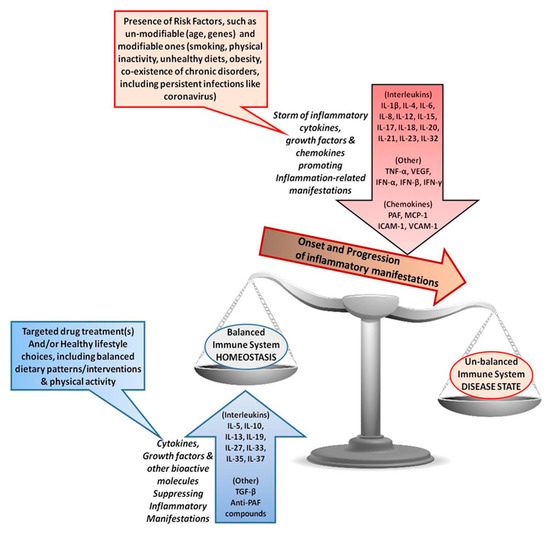
A reepresentation of the inflammatory molecules involved in infection and how certain dietary components may interact with them. Included are the cytokines, growth factors, and other chemokines that promote the onset and progression of inflammatory manifestations, dysregulation of the immune system, and a diseased state due to the effects of several unmodifiable and modifiable risk factors. Targeted drug treatments and/or healthy lifestyle choices such as balanced diets and physical activity can counterbalance such inflammatory manifestations towards homeostasis.
 
 
1
Department of Biological Sciences, University of Limerick, Limerick V94 T9PX, Ireland
2
Health Research Institute, University of Limerick, Limerick V94 T9PX, Ireland
3
Institute for Translational Medicine and Therapeutics, Perelman School of Medicine, University of Pennsylvania, Philadelphia, PA 19104-5158, USA
4
Department of Physical Education and Sport Sciences, University of Limerick, Limerick V94 T9PX, Ireland
Received: 22 April 2020 / Revised: 11 May 2020 / Accepted: 17 May 2020 / Published: 19 May 2020
 

Abstract

The novel coronavirus disease (COVID-19) pandemic caused by severe acute respiratory syndrome coronavirus 2 (SARS-CoV-2) has engulfed the world, affecting more than 180 countries. As a result, there has been considerable economic distress globally and a significant loss of life. Sadly, the vulnerable and immunocompromised in our societies seem to be more susceptible to severe COVID-19 complications. 
Global public health bodies and governments have ignited strategies and issued advisories on various handwashing and hygiene guidelines, social distancing strategies, and, in the most extreme cases, some countries have adopted “stay in place” or lockdown protocols to prevent COVID-19 spread. Notably, there are several significant risk factors for severe COVID-19 infection. 
These include the presence of poor nutritional status and pre-existing noncommunicable diseases (NCDs) such as diabetes mellitus, chronic lung diseases, cardiovascular diseases (CVD), obesity, and various other diseases that render the patient immunocompromised. 
These diseases are characterized by systemic inflammation, which may be a common feature of these NCDs, affecting patient outcomes against COVID-19. 
In this review, we discuss some of the anti-inflammatory therapies that are currently under investigation intended to dampen the cytokine storm of severe COVID-19 infections. Furthermore, nutritional status and the role of diet and lifestyle is considered, as it is known to affect patient outcomes in other severe infections and may play a role in COVID-19 infection. 
This review speculates the importance of nutrition as a mitigation strategy to support immune function amid the COVID-19 pandemic, identifying food groups and key nutrients of importance that may affect the outcomes of respiratory infections.


The background story of this paper is here. 


Monday, 18 May 2020

covid-19, NCDs, and food: the missing link?

Last March 30th, I sent an email with a couple of lines to my colleagues, Catherine, Alexandros and Ronan. 

It was a short email: the title of this blogpost with an attached file. The file contained a draft paper, two pages long, titled "Covid-19, Food and Chronic Diseases: the inflammation link".

We have been working on inflammation for a number of years (my first paper on PAF, atherosclerosis and food was published in 2000; it was on ....fried cod; fish and chips was the inspiration - I was lecturing in Leeds then :).

Fast forward to 2018, we (Ronan, Alex) wrote a paper on inflammation and CVDs with a rather radical title. Today, 2 years and few days later, that paper has few downloads and citations. We knew that we were after sth valid...

What about covid-19 though?

On 23rd March, the World Health Organisation (WHO) issued guidelines on the link between COVID-19 and non-communicable diseases (NCDs).


The link between non-communicable diseases (NCDs) and COVID-19


It was then when I whispered to myself : hey Yannis, hang on. What's going on here? 
All the discussions  I had with Alex and Ronan at Scholars in UL, with Nikola Tesla watching us, came to mind. So many cappuccinos for me, teas for Ronan and mochas for Alex discussing cardiovascular diseases, platelet aggregation, statins and their non-impact on cardiovascular risk, the vested interests on statins and omega3, cancer, mental disorders, neutral lipids, polar lipids, med diet, food pyramids, obesity etc etc...
And Nikola watching us all the time...
Sometimes, as we were leaving Scholars, I was smiling to Nikola...


That March 30th email was transformed to a review paper that was accepted yesterday and should appear very soon in Nutrients.    
 
"COVID-19: The Inflammation Link and the Role of Nutrition in Potential Mitigation"

 
Received: 22 April 2020; Accepted: 17 May 2020; Published: date

The purpose of this blogpost is double:

a. to thank Catherine, Alexandros and Ronan for all their collective efforts to produce a strong paper in only 23 days under #lockdown and 

b. to remind my spititual children (ie my students) that in Science, there is no parthenogenesis. 

If you work hard on something, good ideas will come.