Wednesday, 26 June 2024

Το δυναμικό της υδατοκαλλιέργειας


 γράφω ως Αριστερό Εξτρέμ


 = = = 


Τα νέα όπως τα διάβασα στο cibum.gr στις 10 Ιούνη:

Για πρώτη φορά, η παραγωγή υδατοκαλλιέργειας έχει ξεπεράσει τη αλιεία ως κύρια πηγή υδρόβιων ζωικών προϊόντων. Αυτό το επίτευγμα προσφέρει μια πολλά υποσχόμενη πορεία για την αντιμετώπιση της παγκόσμιας πείνας προστατεύοντας παράλληλα τους ωκεανούς μας. Το κύριο εύρημα της έκθεσης είναι ότι η παραγωγή υδρόβιων ζωικών προϊόντων έχει φτάσει σε παγκόσμιο ρεκόρ 185 εκατομμυρίων τόνων το 2022.


Αυτή η είδηση είναι εξαιρετικά σημαντική.

Παρά τα όποια προβλήματα (η υδατοκαλλιέργεια κατηγορείται για ρύπανση του βυθού), τα πλεονεκτήματα είναι πιο πολλά από τα μειονεκτήματα.

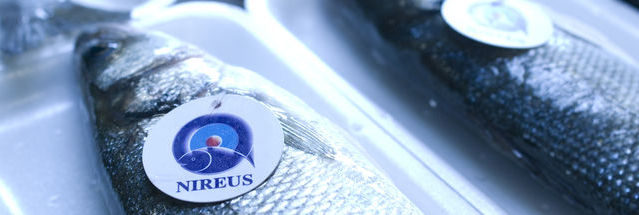
Με τον Νηρέα ΑΕ [ https://www.nireus.com/1_1/arxikh-selida.html ], έχουμε συνεργασθεί στο παρελθόν για το πώς μπορούμε να κάνουμε πιο βιώσιμες τις ιχθυοτροφές, με αξιοποίηση του κατσίγαρου, του γνωστού παραπροϊόντος της ελαιουργίας. Φτιάξαμε ιχθυοτροφές με κατσίγαρο που χορηγήθηκαν ως finishig diet σε τσιπούρα και λαβράκι με εξαιρετικά αποτελέσματα, όπως έχουμε δημοσιεύσει εδώ: https://pubmed.ncbi.nlm.nih.gov/24128590

Επίσης, μελετήσαμε και τις οργανοληπτικές ιδιότητες των ψαριών που παρήχθησαν με τις νέες ιχθυοτροφές:

https://www.tandfonline.com/doi/full/10.1080/10498850.2013.813100

Αυτή η συνεργασία μας με τον Νηρέα κατέληξε στην δημιουργία μιας πατέντας

https://patents.google.com/patent/EP2953478A1/en


Thursday, 20 June 2024

'Ερχεται θεραπεία για το Alzheimer;

 γράφω ως Αριστερό Εξτρέμ

Σήμερα οι νευροεκφυλιστικές ασθένειες αυξάνονται με αλματώδη ρυθμό! https://www.alzint.org/about/dementia-facts-figures/dementia-statistics

Κάθε 3 δευτερόλεπτα, ένας άνθρωπος αναπτύσσει άνοια. Το 2020, υπήρχαν 55 εκατομμύρια με άνοια στον κόσμο. Το 2020, έχασα τον πατέρα μου από Parkinson’s και άνοια. Είναι τραγικό να βλέπεις τον άνθρωπό σου να έχει μαρτυρικό θάνατο. Και να μην μπορείς να κάνεις κάτι…

Πάντα πίστευα ότι το Parkinson’s σχετίζεται με την μοναξιά, αλλά δεν μπορούσα να το αποδείξω. Ο μπαμπάς ήταν μοναχικός..

Σήμερα, όμως το ξέρουμε ότι η μοναξιά συνδέεται με το  Parkinson’s. https://www.parkinsons.org.uk/news/loneliness-linked-increased-risk-developing-parkinsons

Από την χρονιά που διαγνώσθηκε ο πατέρας μου (2013), έχω αρχίσει να μελετώ οτιδήποτε έχει σχέση με τις νευροεκφυλιστικές ασθένειες. Και η έρευνά μου στο UL έχει πάει και προς αυτόν τον τομέα:

The Role of Dietary Lipids in Cognitive Health: Implications for Neurodegenerative Disease

https://www.mdpi.com/2227-9059/10/12/3250

Πριν από λίγες μέρες διάβασα αυτήν την είδηση στους Times του Λονδίνου:

https://www.thetimes.com/article/59a5c572-0293-4080-8e32-74cd4b0996bb?shareToken=83a9c12b8aca78f49adb978c355a5399

Το άρθρο αυτό γράφει

“Patients suffering with early Alzheimer’s disease are feeling hopeful that a recent breakthrough in “game-changing” medicine to treat the illness will increase their lifespan and slow down decline.

Lecanemab, which has been described as the first “credible” drug to treat the disease, was approved by the US Food and Drug Administration last year. It is being reviewed by the European Medicines Agency (EMA) and is expected to be approved by the end of this year”.

Έρχεται λοιπόν ένα φάρμακο με το όνομα  Lecanemab για το Alzheimer. Για να δούμε…

Monday, 10 June 2024

Ο μύθος της χοληστερόλης


                                Photo:

                                Creator: Maria Vonotna | Credit: Getty Images/iStockphoto

 = = = = = = = = = = = = = = = = = =

  του Γιάννη Ζαμπετάκη


Ο μύθος των στατινών έχει αρχίσει να γκρεμίζεται…


= = = = = = =

Πριν από λίγες μέρες στις 28 Μάη, , δημοσιεύθηκε στην επιστημονική επιθεώρηση Heart Rhythm ένα πολύ ενδιαφέρον άρθρο με τίτλο

Lower cholesterol levels are associated with an increased risk of atrial fibrillation.

Το εν λόγω άρθρο μελετά την συσχέτιση της χοληστερόλης με το ρίσκο εκδήλωσης κολπικής μαρμαρυγής. Και τα αποτελέσματα είναι πολύ ενδιαφέροντα. Ανεξάρτητα από τους άλλους παράγοντες ρίσκου για καρδιαγγειακά νοσήματα, χαμηλά επίπεδα χοληστερόλης προκαλούν αύξηση στον κίνδυνο εκδήλωσης μαρμαρυγής! Είναι εντυπωσιακό πλέον ότι ο μύθος της χαμηλής χοληστερόλης ότι μειώνει (και καλά!) το ρίσκο για διάφορες ασθένειες, καταρρίπτεται κάθε μέρα που περνά.

Ο μύθος των στατινών έχει αρχίσει να γκρεμίζεται…


Sunday, 9 June 2024

Log posts (Λ' : 30)

Ποια πράγματα μπορούν να αγγίξουν όλους τους ανθρώπους;

Ποιες έννοιες είναι πανανθρώπινες;

Ποια μουσική μπορεί να αγγίξει όλες τις ψυχές;     

Τι σημαίνει σήμερα Ειρήνη;

Αγάπη;

Πόλεμος;

Φόβος;

Πόνος;

'Ηθος;

Συναίσθηση;

Σήμερα...

που παιδιά σκοτώνονται στη Γάζα,

και όπου υπάρχει πόλεμος,

τι μπορούμε να ελπίζουμε από τους πολιτικούς;

Αυτούς τους διεφθαρμένους ηγέτες που έχουν διαπράξει και τα 7 θανάσιμα αμαρτήματα;

Πώς θα ακουγόταν σήμερα η "Ωδή στη Χαρά" αν την έπαιζε μια συμφωνική ορχήστρα

στα ερείπια της Παλεστίνης;


[Log posts on this blog are short texts/poems that I started writing in Oct 2018, I chose this name for these posts as Georgios Seferis has written poems using this title]


[Τα Log Posts σε αυτό το ιστολόγιο είναι σύντομα ποιήματα που ξεκίνησα να γράφω τον Οκτώβρη του 2018, διάλεξα αυτό το όνομα μιας και ο Γιώργος Σεφέρης έχει γράψει ποιητικές συλλογές με τίτλο "Ημερολόγια Καταστρώματος"]

Thursday, 6 June 2024

Smoky bacon flavouring ban: Coveney lobbied EU over ‘financial implications’ for Irish firms


 European Commissioner Stella Kyriakides: In a March 27th letter, Simon Coveney said to her that industry had warned the decision to ban smoke flavouring could lead to the 'discontinuation of a wide range of products'. 


= = = = = = = = = =

 from the Irish Times


Kerry Group, which is one of the big players in smoked flavourings, claimed the changes ‘would impact’ more than €30bn worth of food products


The Government raised concerns that a recent European Union ban on certain types of smoke flavouring added to ham, rashers and smoky bacon crisps could lead to hundreds of products being discontinued, correspondence shows.

Last month, the EU approved a proposal to phase out various smoke flavourings currently added to meats and other food, such as sauces and crisps. Records show in the weeks beforehand, then minister for enterprise Simon Coveney lobbied for food producers to be given several years to stop using the current flavouring method.

In a March 27th letter to Stella Kyriakides, EU commissioner for food safety, Mr Coveney said industry had warned the decision could lead to the “discontinuation of a wide range of products currently on the market”.

There would be a “significant” impact on Irish food producers, particularly those in the meat-processing sector. “It is estimated that up to 300 products will be affected, with one individual company advising that 27 of their products would be affected,” he said.

Previous EU authorisation for the smoke flavourings had been rolled over for a 10-year period, which was due to expire. The decision to not renew permission for the flavourings had been proposed by the European Commission, the executive arm of the EU, and approved by countries, including Ireland, at committee level.

The move was taken after the EU food safety authority concluded toxicity concerns about the flavourings were “either confirmed or can’t be ruled out”. The current process, which food producers state is healthier than traditional smoking, involves purifying smoke and removing harmful components such as tar and ash, before the flavouring is added to food.

Producers will have two years to phase out the current method for adding smoke flavouring to crisps, sauces, soups and snacks, with a five-year window to stop using the method for flavouring ham, fish and cheese.

An analysis by Teagasc, the agriculture development agency, indicated that coming up with a new “replacement additive” to give products a similar taste would be “an uncertain and complex process”, Mr Coveney said. The semi-State agency had advised “that it would be almost impossible for industry to replace the smoke flavourings within the next three to five years”.

Mr Coveney told the EU commissioner it was “imperative” the period to phase out the current method was long enough to allow the sector develop new ways of adding the flavouring to food. A short transition period would have “significant” financial implications for Irish businesses and the availability of products, he wrote.

His letter, released to The Irish Times under the Freedom of Information Act, said the Department of Health, who were leading on the policy area, had requested “a minimum transition period” of two years.

Kerry Group previously warned the EU decision would cause “major economic harm” to the Irish food sector. In a January 30th letter to then taoiseach Leo Varadkar, the Tralee-based company said it estimated up to 40 per cent of the ham and bacon sold in Ireland depended on the flavouring method. Kerry Group, which is one of the big players in the smoked flavouring market, claimed the changes “would impact well over €30 billion worth of food products across the EU”.


Tuesday, 4 June 2024

Have you handled toxic chemicals in the past 24 hours? Probably

 from the Irish Times


Research from the European Pesticide Action Network has revealed a sharp increase in the contamination of European fruit and vegetables with pesticide residues from the chemical group of perfluoroalkyl and polyfluoroalkyl substances, commonly known as 'forever chemicals'. Photograph: Angel Garcia/Bloomberg 


= = = = = = =

When we picture toxic chemicals, we are more likely to think of barrels of green slime than household products such as shampoo, non-stick frying pans or cosmetics. The modern superhero is premised on a moral universe consisting of good and evil: evil masterminds plan to contaminate the world with noxious gases, viruses and radioactive gloop, but are stopped in their tracks by superheroes and legal defenders, until peace and harmony is restored.

In reality, pollution is all around us, and the villains are getting away with it. Research published earlier this year by the European Pesticide Action Network (PAN Europe) revealed a sharp increase in the contamination of European fruit and vegetables with pesticide residues from the problematic chemical group of perfluoroalkyl and polyfluoroalkyl substances (PFAS), commonly known as “forever chemicals” because of their persistence in the environment.

But they are not just found on non-organic fruit and vegetables: “forever chemicals” are ubiquitous and in everyday household products in every Irish home.

Documents released to the Corporate Europe Observatory earlier this year revealed that industry is fighting hard to ease proposed restrictions on these harmful chemicals and has set up the Alliance for Sustainable Management of Chemical Risk to campaign on its “common goal to ensure that safe uses of hazardous substances remain permitted”.

However, in a particularly Orwellian twist of language, industry’s use of the term “safe” will not outlaw chemicals that are known to be harmful. Daily exposure to a mix of toxic substances is linked to rising health, fertility and developmental threats, as well as the collapse of insect, bird and mammal populations.

Chemicals with dangerous properties are found in food, drinking water, our homes and workplaces. Doctors describe babies as born “pre-polluted”, and according to the United Nations special rapporteur on toxics and human rights Baskut Tuncak, “a silent pandemic of disease, disability and premature death is now widespread, in significant part due to childhood exposure during sensitive periods of development”.

In 2020, as part of the European Union Green Deal, the European Commission published a strategy to address hazardous chemicals and to phase out PFAS unless their use was deemed “essential”. The strategy proposes to ban hazardous chemicals and shift the burden of proof from the regulator to the chemicals industry and create a streamlined approach to restrict or ban chemicals with the potential to cause harm.

However, industry lobbies are seeking to shift the regulatory focus from “essential use” to “safe use”. This would maintain the current situation where thousands of chemicals with unknown long-term impacts are routinely found in everyday products.

The research commissioned by the chemicals industry group CEFIC actually acknowledges the widespread use of potentially harmful chemicals as a reason not to restrict them, as this would harm their business models. CEFIC acknowledges that 74 per cent of consumer or professional products include chemical ingredients that have the potential to cause serious health and environmental impacts.

Unsurprisingly, the stalemate in EU chemicals regulation has been facilitated by the European Parliament’s centre-right European People’s Party of which Fine Gael is a member

Most recently, industry lobbyists have secured a postponement of the EU’s latest Reach regulation, which was intended to gradually ban, by 2030, six categories of hazardous chemicals, including PFAS and persistent pollutants that are potentially carcinogenic. All of these chemicals are found in household products, yet to date the Reach regulation has restricted only 15 chemicals in 14 years, whereas industry is known to create a new chemical every 1.4 seconds.

Unsurprisingly, the stalemate in EU chemicals regulation has been facilitated by the European Parliament’s centre-right European People’s Party (EPP) of which Fine Gael is a member. In 2023, Euractiv reported EPP MEP Peter Liese welcoming the postponement of the Reach revision saying “we are happy that there is no date”. Another European Commission proposal to reduce harmful pesticide use was dropped in 2024 due to pressure from the parliament’s centre-right and the agricultural lobby. So far not a single pesticide active substance has been banned because it is a PFAS.

Meanwhile, dangerous chemicals continue to be found in everyday plastics, cosmetics, cleaning products and textiles, including carpets, clothing and flame retardants. One of the great uses of smart technology is that it enables you to become a chemical detective, and the internet allows us to share information that is otherwise buried in technical reports.

You can check whether the ingredients listed on your favourite brands include PFAS or other harmful chemicals by putting in queries to online AI tools. Some companies will not declare whether they use PFAS however, so consumers concerned about PFAS should look for products labelled as PFAS-free, pesticide-free or organic.

Ultimately there is only so much we can do as consumers. It is up to the regulators to keep us safe from harm and to keep industry in check. It would be a bonus if our elected representatives to the European Parliament thought likewise.

Sadhbh O’Neill is an environmental and climate policy researcher