Showing posts with label cancer. Show all posts

Thursday, 18 July 2024

Health Western diets high in fat and sugar can lead to bowel disease and cancer, Irish study reveals


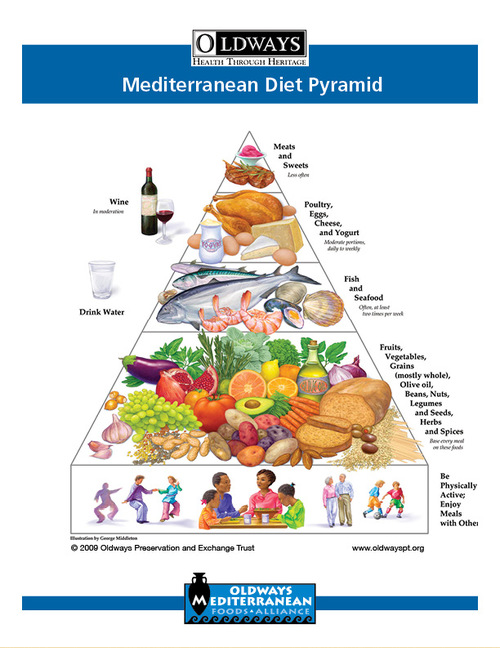
                                                  Olive oil: an important ingredient of Med Diet


from the Irish Times


Western diets pose a greater risk of Inflammatory Bowel Disease (IBD) and colorectal cancer, according to an Irish-led review of what people eat around the world.

The study of six prevalent diets has examined how what we consume impacts our gut microbiome — the community of micro-organisms that live in our intestines — and how the shifting balance of its composition influences our overall health.

The review was conducted by APC Microbiome Ireland (APC), a Science Foundation Ireland Research Centre at University College Cork (UCC), and Teagasc. It is published in the journal Nature Reviews Microbiology.

[ Bretzel Bakery owner: ‘The Irish have been dumbed down to just want white pan’Opens in new window ]

The study, led by Prof Catherine Stanton — an APC principal investigator and senior principal research officer at Teagasc, examined Mediterranean, high-fibre, plant-based, high-protein, ketogenic and western diets.

The review reveals how different diets alter significantly the composition and functionality of the gut microbiome, highlighting the production of essential molecules during metabolism such as short-chain fatty acids.

It underscores the detrimental effects of the western diet, characterised by high fat and sugar intake, compared to the benefits of diets rich in plant-based and high-fibre foods.

By contrast, it finds that a Mediterranean diet, high in fruits and vegetables, is effective in managing conditions such as cardiovascular disease, IBD and type 2 diabetes.

“Our review highlights the profound impact of different diets on the gut microbiome. This understanding is crucial for developing dietary recommendations that promote health and prevent disease. It’s fascinating to see how dietary choices can influence the balance of microorganisms in our gut and their metabolic functions,” said Prof Stanton. 

The review offers valuable insights for the food industry and healthcare professionals, guiding them in making informed decisions about diet and health. The detailed analysis of how different diets affect the microbiome provides a foundation for developing targeted nutritional therapies and improving public health outcomes.

“This review is a significant milestone in microbiome research. It provides a detailed look at how dietary patterns shape the gut microbiome and underscores the potential for diet-based interventions in clinical practice. It provides tangible data on how the microbiome is intrinsically relevant to creating health benefits for society,” said Prof Paul Ross, director of APC Microbiome Ireland and co-director of UCC Futures Microbiome and Health.

The review also emphasises the need for exhaustive studies to better understand the causal relationships between individuals, their diet, and micro-organisms. This understanding is vital for advancing precision nutrition and developing microbiome-based therapies tailored to individual health needs.


= = =

 our company in Ireland "All Greek to you" provides organic food of the Mediterranean diet.

You can find more here.


Tuesday, 21 November 2023

New frontiers in cancer treatment: precision medicine

 from the Irish Times


Dr Thorsten Giesecke, general manager, commercial business at Janssen Sciences Ireland UC, highlights the revolutionary potential of precision medicine in cancer treatment


Realising the full potential of precision medicine is key to the future of sustainable healthcare. Precision medicine uses diagnostic tests, imaging, and health information from patients to prevent or treat disease. With in-depth information relevant to a patient’s disease or condition, we can identify the distinct patient populations at risk, and who will be most likely to benefit from a specific treatment.

Beyond treating disease, precision medicine includes prevention, disease screening, diagnostics, and monitoring, which can in turn identify those who are at risk, detect early signs of disease, and find disease subtypes that impact treatment response. There is no doubt that precision medicine is transforming healthcare and is a focus for Janssen, as part of our work to make meaningful change for patients living with cancer and other diseases.

By tailoring medical treatments to the individual characteristics of each patient, precision medicine represents a paradigm shift from the traditional one-size-fits-all approach to a personalised way of diagnosing and treating diseases.

In cancer care, precision medicine includes targeted therapy, immunotherapy and genomics and the adoption of such treatments is steadily increasing. In 2019, the European Medicines Agency (EMA) approved nine new active substances in cancer treatment, five of these are associated with a predictive biomarker. Biomarkers are measurable biological characteristics, derived from human tissues, such as genes and certain proteins. Biomarker testing provides vital insight into how a disease might develop and how a patient might respond to certain treatment.

· In non-small cell lung cancer (NSCLC), more than 15 biomarkers have been identified, nine of which have approved therapeutics developed to specifically target them.

· Similarly, patients with certain mutations treated with precisely targeted therapies have observed more effective results than the previous standard of care in chronic lymphocytic leukaemia, and reduced tumour size in bladder cancer.

· Precision medicine also encompasses CAR T-cell therapy, which works like a ‘living drug’ in the body by tracking and hunting cancer cells. In January this year, the first ever clinical study in Ireland of CAR-T cell therapy for treating multiple myeloma opened at St James’s Hospital Dublin, supported by Janssen.

Many patients whose diseases are driven by identifiable and targetable mutations, do not receive the most appropriate personalised treatment for their disease because their mutation remains undetected. Advocating for access to biomarker testing is a key part of our strategy to make this happen. The diagnostic testing methods which enable patient identification need to become part of routine clinical practice.

Our commitment to research and development in precision medicine involves bringing more personalised treatment approaches into clinical practice for the benefit of future patients, and ultimately, bringing more effective treatment options to specific patient populations. BRCA 1/2 testing in some types of prostate cancer is now publicly available in Ireland meaning licenced targeted therapies will reach the right patients at the right time.

We will continue to collaborate with all stakeholders to remove the barriers that prevent or limit access to precision medicines and diagnostics for patients. The promise of precision medicine for treating cancer and other diseases is a testament to the potential for more effective, less invasive, and patient-centred healthcare.

On November 22nd, an event titled Enabling Precision Oncology in Irish Healthcare will take place at UCD and online, sponsored by Janssen Sciences Ireland. For further details and to register for the event, visit https://poilive.ie/

References are available upon request.


Monday, 20 November 2023

Η “μαγική ουσία” που είναι καρκινογόνα στις ΗΠΑ αλλά ασφαλής στην ΕΕ

 Ασυλίες, παρατάσεις και αποζημιώσεις δισεκατομμυρίων στα… “πόδια” της γλυφοσάτης.

  = = = = = = = = = = = = =

από το cibum.gr

 = = = = = = = = = = = = =

Διάβασα στην έγκυρη ΕΦΣΥΝ (7.11.23) το χρονογράφημα του Πέτρου Μανταίου με τίτλο «μια ιστορία πολύ παλιά» για την τοξικότητα του ζιζανιoκτόνου Roundup.

Αντιγράφω από το κείμενο του Μανταίου:

«Χαστούκι στην Bayer – Αποζημίωση 322 εκατ. δολαρίων σε καρκινοπαθή στις ΗΠΑ», τίτλος ρεπορτάζ του Μπάμπη Μιχάλη στη «Συντακτών» (2/11). Οπου και διαβάζω: «Στις ΗΠΑ πληρώνει εδώ και χρόνια δισεκατομμύρια δολάρια σε αποζημιώσεις για ανεπανόρθωτη ζημιά που έχει προκαλέσει στην υγεία δεκάδων χιλιάδων ανθρώπων, αλλά στην Ευρώπη έχει ασυλία». Ποιος έχει ασυλία; «Ο γερμανικός χημικός κολοσσός Bayer». Επί ποίου ζητήματος ασυλία; «Επί του αμφιλεγόμενου ζιζανιοκτόνου της εταιρείας Roundup».

Το οποίο ζιζανιοκτόνο περιέχει την επικίνδυνη –ακόμα και για καρκίνο– ουσία γλυφοσάτη. Ομως, όπως φαίνεται, η εν λόγω ουσία είναι μεν επικίνδυνη, αλλά μόνο στις ΗΠΑ. Τους Ευρωπαίους της Ενωσης μάλλον δεν τους αγγίζει (όπως οι επιδημίες στους Τροπικούς φέρ’ ειπείν δεν αγγίζουν τις βόρειες ζώνες του πλανήτη). Διότι η Επιτροπή (Κομισιόν), λαβούσα υπ’ όψιν… κ.λπ., έδωσε δεκαετή παράταση στην Bayer για τη γλυφοσάτη (δέκα χρόνια… ποιος ζει, ποιος πεθαίνει). Όμως (μιλάμε για αθλιότητες), επειδή το ζήτημα απαιτεί ενισχυμένη πλειοψηφία των χωρών-μελών, θα κριθεί οριστικά περί τα μέσα Δεκεμβρίου.

Σύντομο ιστορικό: καλοκαίρι του 2018, σε ένα εμπορικό χτύπημα μεγατόνων, η Bayer αγόρασε τον αμερικανικό κολοσσό σπόρων, φυτοφαρμάκων κ.λπ. Monsanto με όλη του την προίκα, μέσα σε αυτήν και το Roundup. Το οποίο, αν και στιγματισμένο στις ΗΠΑ, όχι μόνο δεν το αποσύρει, αλλά φτιάχνει και ταμείο κόστους δικαστικής διαμάχης 16 δισ. δολαρίων! Φαντάσου πόσα κερδίζει, σκέφτομαι ο αφελής, αφού στις ΗΠΑ οι αγωγές έχουν φτάσει τις 154.000 (απίστευτοι αριθμοί).

Πολλά χρόνια πριν είχα γράψει στην «Ελευθεροτυπία» για το Roundup και τη Monsanto. Η οποία, με την εδώ εκπρόσωπό της, διαμαρτυρήθηκε με διάψευση που δημοσιεύτηκε· όχι απολύτως πειστική, αλλά οι γνώσεις μου δεν επέτρεπαν ανταπάντηση. Ομως, καλή τύχη, ελάχιστο χρόνο μετά, δημοσιεύει δισέλιδο καταπέλτη κατά του Roundup η «Monde Diplomatique» (ελληνική έκδοση) λεπτομερέστατης τεκμηρίωσης. Επανήλθα… δριμύτερος. Ακρα σιωπή η Monsanto…

Και η δική μας οπτική: για το θέμα αυτό έχω γράψει από το 2018 στο Ιρλανδικό RTE το εξής άρθρο: Should we be concerned about glyphosate and GM foods?

Το πιο απογοητευτικό είναι ότι η ΕΕ θεωρεί μη τοξική την γλυφοσάτη ενώ στην άλλη μεριά του Ατλαντικού, η ΙΔΙΑ ένωση είναι καρκινογόνα!

Από την τοξικότητα της ΕΕ και των διεφθαρμένων επιτροπών της, ποιος (ανύπαρκτος) ΕΦΕΤ και Σία, θα μας προστατεύσει;

*O Γιάννης Ζαμπετάκης είναι Αναπληρωτής Καθηγητής Χημείας Τροφίμων, στο Τμήμα των  Βιολογικών Επιστημών του Πανεπιστημίου Λίμερικ (UL) στην Ιρλανδία και “παίζει” πάντα Αριστερό Εξτρέμ.

Email: funfood16@gmail.com

Twitter: @yanzabet


Sunday, 22 October 2023

Έρευνα Ελλήνων επιστημόνων ανοίγει τον δρόμο για εξατομικευμένη θεραπεία του καρκίνου


Πηγή: ΕΦΣΥΝ

Το καράβι-εργαστήριο GLF16-LAB ταξιδεύει στην κυκλοφορία του αίματος φορτωμένο με δύτες. Οι δύτες φορούν το ειδικό σκάφανδρο (που ονομάζεται μυκήλλιο-νανομεταφορέας) για να εισέλθουν στα κύτταρα και κρατούν έναν πυρσό που φέρει το αντιδραστήριο GLF16. Αν τα κύτταρα είναι φυσιολογικά, οι δύτες δεν βρίσκουν τίποτα και ξαναβγαίνουν. Όμως, εάν τα κύτταρα είναι γηρασμένα, τότε είναι πλούσια στην ουσία λιποφουσκίνη. Το GLF16 έχει σχεδιαστεί ώστε να προσκολλάται στη λιποφουσκίνη και φωτίζει το γηρασμένο κύτταρο, προκειμένου οι ερευνητές να το εντοπίσουν. | Ερευνητική ομάδα καθηγητή Β.Γοργούλη/ΕΚΠΑ 


Μια πρωτοποριακή έρευνα για τον εντοπισμό και την απομόνωση των γηρασμένων κυττάρων, με επικεφαλής τον καθηγητή Ιατρικής του Εθνικού και Καποδιστριακού Πανεπιστημίου Αθηνών και του βρετανικού πανεπιστημίου Dundee, Βασίλη Γοργούλη, ανοίγει τον δρόμο για την εξατομικευμένη θεραπεία του καρκίνου.Η κυτταρική γήρανση (cellular senescence) είναι ένας μηχανισμός απόκρισης των κυττάρων στο στρες και άλλα τοξικά και εν δυνάμει καρκινογόνα ερεθίσματα.

Η συνέχεια εδώ. 

A fluorophore-conjugated reagent enabling rapid detection, isolation and live tracking of senescent cells

 Sophia Magkouta, Dimitris Veroutis, Athanasios Pousias, Angelos Papaspyropoulos, Natassa Pippa, Nikolaos Lougiakis, Konstantinos Kambas, Nefeli Lagopati, Aikaterini Polyzou, Maria Georgiou, Maria Chountoulesi, Stergios Pispas, Spyros Foutadakis, Nicole Pouli, Panagiotis Marakos, Athanassios Kotsinas, Panayotis Verginis, Dimitrios Valakos, Athanasia Mizi, Argyris PapantonisGiannis Vatsellas, Panagiotis Galanos, Jiri Bartek, Russell Petty, Manuel Serrano, Dimitris Thanos, Charis Roussos, Marco Demaria, Konstantinos Evangelou, Vassilis G. Gorgoulis (Lead / Corresponding author)

Abstract

Cellular senescence is a stress-response mechanism implicated in various physiological processes, diseases, and aging. Current detection approaches have partially addressed the issue of senescent cell identification in clinical specimens. Effective methodologies enabling precise isolation or live tracking of senescent cells are still lacking. In-depth analysis of truly senescent cells is, therefore, an extremely challenging task. We report (1) the synthesis and validation of a fluorophore-conjugated, Sudan Black-B analog (GLF16), suitable for in vivo and in vitro analysis of senescence by fluorescence microscopy and flow cytometry and (2) the development and application of a GLF16-carrying micelle vector facilitating GLF16 uptake by living senescent cells in vivo and in vitro. The compound and the applied methodology render isolation of senescent cells an easy, rapid, and precise process. Straightforward nanocarrier-mediated GLF16 delivery in live senescent cells comprises a unique tool for characterization of senescence at an unprecedented depth.

Original languageEnglish
Pages (from-to)3558-3573.e7
Number of pages24
JournalMolecular Cell
Volume83
Issue number19
Publication statusPublished - 5 Oct 2023


Wednesday, 13 September 2023

Ασπαρτάμη: Μήπως ΕΦΕΤ και EFSA παρανομούν; Του Γιάννη Ζαμπετάκη*


 Η ημερήσια επιτρεπόμενη δόση, η αρχή της προφύλαξης και η συνεργιστική τοξικότητα των γλυκαντικών ενώσεων.

πηγή: cibum.gr


Ερώτηση: Είναι σήμερα η ασπαρτάμη καρκινογόνος;

Απάντηση: Ναι! Είναι, χωρίς αμφιβολία! Σύμφωνα με τον ΠΟΥ και τον International Agency for Research on Cancer (IARC), η ασπαρτάμη είναι «πιθανώς καρκινογόνα για τους ανθρώπους, (group 2B). H ασπαρτάμη μπορεί να προκαλέσει καρκίνο στο συκώτι. Και αυτά είναι πλέον δημοσιευμένα από τις 14 του περασμένου Ιούλη!

Πιο πολλά για τον International Agency for Research on Cancer (IARC), μπορείτε να διαβάσετε εδώ.

Είναι σημαντικό να σημειώοσυμε εδώ ότι ο IARC κατατάσσει τις ενώσεις ως πιθανώς καρκινογόνες ανάλογα με την ισχύ των δεδομένων κατά πόσο μια ένωση μπορεί να προκαλέσει καρκίνο και όχι βάσει της πιθανότητας να αναπτυχθεί καρκίνος.

Η κατηγορία 2Β είναι η τρίτη πιο υψηλή κατηγορία από τις 4 που χρησιμοποιεί ο IARC.

Όπως έχετε διαβάσει στο cibum, η ασπαρτάμη (E 951) είναι μια τεχνητή γλυκαντική ουσία χαμηλών θερμίδων, η οποία είναι περίπου 200 φορές πιο γλυκιά από τη ζάχαρη. Είναι μια άσπρη, άοσμη σκόνη και αποδίδει 4 θερμίδες ανά γραμμάριο, αλλά έχει πολύ έντονη γλυκαντική δράση, οπότε προστίθεται σε πολύ μικρές ποσότητες και τελικά προσδίδει ελάχιστες θερμίδες.

Στην Ευρώπη, η ασπαρτάμη επιτρέπεται να χρησιμοποιείται ως πρόσθετο τροφίμων για τη γλύκανση ποικίλων τροφίμων και ποτών, όπως ποτά, επιδόρπια, γλυκά, γαλακτοκομικά προϊόντα, τσίχλες, προϊόντα χαμηλής θερμιδικής αξίας και ελέγχου βάρους, καθώς και ως επιτραπέζιο γλυκαντικό. Στην ΕΕ, όπως και για όλα τα πρόσθετα τροφίμων, η παρουσία ασπαρτάμης πρέπει να αναγράφεται στην ετικέτα είτε με την ονομασία της είτε με τον αριθμό Ε (Ε 951).

Η ασπαρτάμη χρησιμοποιείται σήμερα σε περισσότερες από 90 χώρες και σε περισσότερα από 6.000 προϊόντα, μεταξύ των οποίων τσίχλες, καραμέλες, δημητριακά, σιρόπια για καφέ, παγωτά, ανθρακούχα αναψυκτικά, ζελέ χωρίς ζάχαρη, παγωτά και άλλα επιδόρπια χωρίς ζάχαρη, υποκατάστατα γεύματος, μπάρες, μπισκότα χωρίς ζάχαρη,  κ.λπ., αλλά και σε επιτραπέζια υποκατάστατα ζάχαρης και ορισμένα φάρμακα, όπως σιρόπια και καραμέλες για το βήχα. Χρησιμοποιείται κυρίως σε τρόφιμα και ροφήματα που δεν ζεσταίνονται ή ψήνονται, καθώς με τη θερμότητα χάνει μέρος της γλυκύτητάς της.
Σε μελέτη για την παγκόσμια αγορά γλυκαντικών φάνηκε ότι η κύρια αγορά της ασπαρτάμης είναι οι οικονομικά αναπτυγμένες χώρες, όπως στην Αμερική και την Ευρώπη, κυρίως λόγω του υψηλότερου κόστους της σε σχέση με τα άλλα γλυκαντικά.

Acceptable daily Intake και η ασπαρτάμη

Στους τριτοετείς φοιτητές μου εδώ στο Πανεπιστήμιο του Λίμερικ (University of Limerick, UL), διδάσκω ένα μάθημα για την ποιότητα και την ασφάλεια των τροφίμων και φυσικά συζητούμε για την ημερήσια επιτρεπόμενη δόση (acceptable daily intake) όλων των γλυκαντικών ενώσεων. Η ασπαρτάμη μπορεί να χρησιμοποιείται στα τρόφιμα αλλά σε μικρά επίπεδα!

Όμως…

Η αρχή της προφύλαξης

Όταν μια ένωση είναι «πιθανώς καρκινογόνα» όπως είναι η ασπαρτάμη από τις 14.7.23, τότε θα πρέπει να εφαρμόζεται η  «αρχή της προφύλαξης» (ΕΚ 178/2002, άρθρο 7).

Άρθρο 7

Αρχή της προφύλαξης

  1. Στις ειδικές περιπτώσεις κατά τις οποίες, ύστερα από αξιολόγηση των διαθέσιμων πληροφοριών, εντοπίζεται πιθανότητα βλαβερών επιπτώσεων στην υγεία αλλά εξακολουθεί να υπάρχει επιστημονική αβεβαιότητα, μπορούν να ληφθούν τα προσωρινά μέτρα διαχείρισης του κινδύνου που είναι αναγκαία για την εξασφάλιση του υψηλού επιπέδου προστασίας της υγείας που έχει επιλεγεί στην Κοινότητα, μέχρι να υπάρξουν περαιτέρω επιστημονικές πληροφορίες για μια πιο εμπεριστατωμένη αξιολόγηση του κινδύνου.
  2. Τα μέτρα που λαμβάνονται βάσει της παραγράφου 1 είναι ανάλογα και όχι πιο περιοριστικά για το εμπόριο από όσο απαιτείται για την επίτευξη του υψηλού επιπέδου προστασίας που έχει επιλεγεί στην Κοινότητα, ενώ παράλληλα λαμβάνουν υπόψη την τεχνική και οικονομική βιωσιμότητα και άλλους παράγοντες όπως αρμόζει στο εκάστοτε ζήτημα. Αυτά τα μέτρα αναθεωρούνται μέσα σε εύλογο χρονικό διάστημα, ανάλογα με τη φύση του κινδύνου που προσδιορίζεται όσον αφορά τη ζωή ή την υγεία και του είδους των επιστημονικών πληροφοριών που απαιτούνται για τη διασαφήνιση της επιστημονικής αβεβαιότητας και τη διεξαγωγή μιας πιο εμπεριστατωμένης αξιολόγησης του κινδύνου.

Συνεπώς, ο ΕΦΕΤ και η EFSA παρανομούν σήμερα όταν επιτρέπουν στις εταιρείες να χρησιμοποιούν την ασπαρτάμη μετά την πρόσφατη γνωμοδότηση της IARC.

Και κάτι ακόμα…


Δεν υπάρχει καμία μελέτη για την συνεργιστική τοξικότητα των γλυκαντικών ενώσεων. Σε πρόσφατη επικοινωνία μου με μια πολυεθνική που παράγει αναψυκτικά με 0 θερμίδες στα οποία χρησιμοποιούνται δυο γλυκαντικές ενώσεις, τους ρώτησα αν έχουν κάνει μελέτη της (πιθανής) συνεργιστικής τοξικότητας των δυο γλυκαντικών ενώσεων. Όχι, μου είπαν…

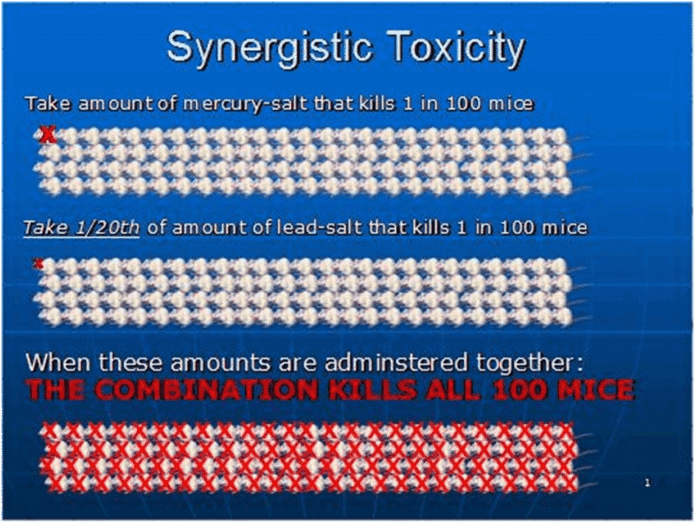
Αλλά σύμφωνα με την βιβλιογραφία (βλ. Γράφημα, παραπάνω) όταν συνδυάσουμε δυο δηλητήρια… τότε και τα 100 ποντίκια πεθαίνουν.

Το γράφημα δείχνει ότι αν πάρουμε ποσότητα υδραργύρου που σκοτώνει το 1 στα 100 ποντίκια και την συνδυάσουμε με το 1 εικοστό της ποσότητας μολύβδου που σκοτώνει 1 στα 100 ποντίκια, τότε ο συνδυασμός των δυο αυτών βαρέων μετάλλων…ε ξολοθρεύει και τα 100 ποντίκια.

Δεν θέλω να σκεφτώ ούτε για μια στιγμή… τι γίνεται μέσα μας όταν λαμβάνουμε με την τροφή και τα… αναψυκτικά μας πλήθος τεχνητών ενώσεων (π.χ. γλυκαντικά, χρωστικές, συντηρητικά)…

Τα συμπεράσματα δικά σας!


*O Γιάννης Ζαμπετάκης είναι Αναπληρωτής Καθηγητής Χημείας Τροφίμων, στο Τμήμα των  Βιολογικών Επιστημών του Πανεπιστημίου Λίμερικ (UL) στην Ιρλανδία και “παίζει” πάντα Αριστερό Εξτρέμ.

Email: ioannis.zabetakis@ul.ie

Twitter: @yanzabet

Thursday, 25 May 2023

Stratification of ovarian cancer borderline from high-grade serous carcinoma patients by quantitative serum NMR spectroscopy of metabolites, lipoproteins, and inflammatory markers

source 


Background: Traditional diagnosis is based on histology or clinical-stage classification which provides no information on tumor metabolism and inflammation, which, however, are both hallmarks of cancer and are directly associated with prognosis and severity. This project was an exploratory approach to profile metabolites, lipoproteins, and inflammation parameters (glycoprotein A and glycoprotein B) of borderline ovarian tumor (BOT) and high-grade serous ovarian cancer (HGSOC) for identifying additional useful serum markers and stratifying ovarian cancer patients in the future.

Methods: This project included 201 serum samples of which 50 were received from BOT and 151 from high-grade serous ovarian cancer (HGSOC), respectively. All the serum samples were validated and phenotyped by 1H-NMR-based metabolomics with in vitro diagnostics research (IVDr) standard operating procedures generating quantitative data on 38 metabolites, 112 lipoprotein parameters, and 5 inflammation markers. Uni- and multivariate statistics were applied to identify NMR-based alterations. Moreover, biomarker analysis was carried out with all NMR parameters and CA-125.

Results: Ketone bodies, glutamate, 2-hydroxybutyrate, glucose, glycerol, and phenylalanine levels were significantly higher in HGSOC, while the same tumors showed significantly lower levels of alanine and histidine. Furthermore, alanine and histidine and formic acid decreased and increased, respectively, over the clinical stages. Inflammatory markers glycoproteins A and B (GlycA and GlycB) increased significantly over the clinical stages and were higher in HGSOC, alongside significant changes in lipoproteins. Lipoprotein subfractions of VLDLs, IDLs, and LDLs increased significantly in HGSOC and over the clinical stages, while total plasma apolipoprotein A1 and A2 and a subfraction of HDLs decreased significantly over the clinical stages. Additionally, LDL triglycerides significantly increased in advanced ovarian cancer. In biomarker analysis, glycoprotein inflammation biomarkers behaved in the same way as the established clinical biomarker CA-125. Moreover, CA-125/GlycA, CA-125/GlycB, and CA-125/Glycs are potential biomarkers for diagnosis, prognosis, and treatment response of epithelial ovarian cancer (EOC). Last, the quantitative inflammatory parameters clearly displayed unique patterns of metabolites, lipoproteins, and CA-125 in BOT and HGSOC with clinical stages I–IV.

Conclusion: 1H-NMR-based metabolomics with commercial IVDr assays could detect and identify altered metabolites and lipoproteins relevant to EOC development and progression and show that inflammation (based on glycoproteins) increased along with malignancy. As inflammation is a hallmark of cancer, glycoproteins, thereof, are promising future serum biomarkers for the diagnosis, prognosis, and treatment response of EOC. This was supported by the definition and stratification of three different inflammatory serum classes which characterize specific alternations in metabolites, lipoproteins, and CA-125, implicating that future diagnosis could be refined not only by diagnosed histology and/or clinical stages but also by glycoprotein classes.

Monday, 28 March 2022

α-Hederin inhibits the platelet activating factor-induced metastasis of HCC cells through disruption of PAF/PTAFR axis cascaded STAT3/ MMP-2 expression

α-Hederin inhibits the platelet activating factor-induced metastasis of HCC cells through disruption of PAF/PTAFR axis cascaded STAT3/ MMP-2 expression.

Linna Cao, Yiwei Zhang, Jinxia Mi, Zhanhao Shi, Zhaoqin Fang, Dongwei Jia, Zhiqiang Pan Peike Peng

Pharmacological Research 178 (2022) 106180.

https://doi.org/10.1016/j.phrs.2022.106180

            Πρόσφατα (11/3/2022) στο επιστημονικό περιοδικό Pharmacological Research δημοσιεύτηκε η εργασία Κινέζων επιστημόνων (από δύο Πανεπιστήμια και ένα Ερευνητικό κέντρο της Σαγκάης) που αναφέρεται σε νέες στρατηγικές που υποδεικνύουν νέο πιθανό φάρμακο για την θεραπεία του ηπατοκυτταρικού καρκινώματος. Στη δημοσίευση αυτή επισημαίνεται ότι η μετάσταση παραμένει ένα κρίσιμο εμπόδιο στην κλινική θεραπεία του ηπατοκυτταρικού καρκινώματος. Και επιπλέον ότι η έρευνα για πιθανές αντικαρκινικές ενώσεις από φαρμακευτικά βότανα που δρουν κατά της μετάστασης του ηπατοκυτταρικού καρκινώματος, παρουσιάζει ιδιαίτερο ενδιαφέρον.

            Στη συνέχεια αναφέρονται τα ακόλουθα: Η ένωση α-Hederin (που από χημική άποψη είναι μία τριτερπενοειδής σαπωνίνη) έχει αναφερθεί ότι παρουσιάζει κυτταροτοξικότητα για διάφορες καρκινικές κυτταρικές σειρές, προκαλώντας καταστροφή των μιτοχονδρίων των καρκινικών κυττάρων και θάνατο αυτών. Ωστόσο, λίγα είναι γνωστά για την ανασταλτική δράση της α-Hederin για τη μετάσταση του ηπατοκυτταρικού καρκινώματος και για τους μηχανισμούς που γίνεται αυτή. Στην εργασία αυτή, με τη βοήθεια γνωστών σύγχρονων και επιστημονικά αποδεκτών μεθόδων, διερευνήθηκαν οι πιθανοί τρόποι που δρα η α-Hederin, και τελικά επικεντρώθηκε η μελέτη στον υποδοχέα (PTAFR) του Παράγοντα Ενεργοποίησης των Αιμοπεταλίων (Platelet-Activating Factor, PAF). Είναι γνωστό από τη βιβλιογραφία ότι η ενεργοποίηση της δράσης της πορείας PAF/PTAFR συμβάλλει στην έναρξη και στην εξέλιξη του καρκίνου. Στην εργασία αυτή αποδεικνύεται, για πρώτη φορά διεθνώς, ότι μια μη τοξική ποσότητα της α-Hederin αναστέλλει σε πειραματόζωα την κυτταρική μετάσταση του ηπατοκυτταρικού καρκινώματος που προκαλείται από τον PAF, όπως και την πνευμονική μετάσταση. Επιπλέον, αποδεικνύεται ότι, όταν τα καρκινικά κύτταρα του ήπατος διεγείρονται από PAF, η α-Hederin (που είναι ένας αναστολέας του PAF) μειώνει την προκαλούμενη από τον PAF παραγωγή της μεταλλοπρωτεϊνάσης-2, λόγω της αναστολής της ενεργοποίησης της μετάδοσης του σήματος μέσω της πορείας STAT3 στα κύτταρα του ηπατοκυτταρικού καρκινώματος. Αυτά τα ευρήματα αναδεικνύουν μια νέα στρατηγική στην θεραπεία του ηπατοκυτταρικού καρκινώματος που υποδεικνύει μηχανισμούς που εμπλέκουν τον PAF. Τέλος, αποδεικνύει ότι o αναστολέας του υποδοχέα του PAF, η α-Hederin, μπορεί να χρησιμοποιηθεί ως υποψήφιο φάρμακο για την θεραπεία του ηπατοκυτταρικού καρκινώματος.

Στην εργασία τους αυτή γίνεται αναφορά (References  #18,21,38,39,59,62,63) σε 7 δημοσιευμένες σε διεθνή επιστημονικά περιοδικά εργασίες  μελών της Ελληνικής ερευνητικής ομάδας μελέτης του PAF, η οποία έχει δημιουργηθεί από τον Ομότιμο καθηγητή του ΕΚΠΑ  Κων. Α. Δημόπουλο. 

Ο PAF είναι ένας ισχυρός μεσολαβητής της φλεγμονής που εμπλέκεται σε πολλές φλεγμονώδους αιτιολογίας παθολογικές καταστάσεις όπως η αθηροσκλήρωση, οι καρδιαγγειακές, ηπατικές και νεφρικές παθήσεις, η αλλεργία, το AIDS κ.λπ. Ασκεί δε τις βιολογικές του δραστηριότητες μέσω υποδοχέα G-πρωτεϊνών. Η ανακάλυψη της χημικής δομής του PAF έχει γίνει από τον Κων. Α. Δημόπουλο όπως και η χημική σύνθεση του PAF. Από το 2009 η εν λόγω ομάδα δημοσίευσε για την εμπλοκή του PAF στην ανάπτυξη και μετάσταση του καρκίνου, όπως και στην ευεργετική δράση των αναστολέων του PAF και μάλιστα στην πιθανή ευεργετική δράση της Μεσογειακής δίαιτας, λόγω των αναστολέων του PAF που έχει αποδείξει η ομάδα ότι υπάρχουν στα τρόφιμα/γεύματα της Μεσογειακής δίαιτας. Η έρευνα της ομάδας σχετικά με τον καρκίνο συνεχίζεται κυρίως στην συνεισφορά νέων συμπλόκων ενώσεων με αντι-PAF και αντικαρκινική δράση.


Πηγή: α-Hederin inhibits the platelet activating factor-induced metastasis of HCC cells through disruption of PAF/PTAFR axis cascaded STAT3/ MMP-2 expression


Wednesday, 16 February 2022

Alcohol and cancer


the news:

15.2.2022

EU lawmakers will vote over the next two days on whether to warn Europeans against all alcohol consumption to fight cancer - or only against drinking too much.

The European Parliament will discuss a resolution based on the European Commission's "Beating Cancer Plan", outlined last year. That seeks to reduce environmental pollution, advise on diets and cut tobacco consumption.


16.2.2022

EU lawmakers watered down their warning to Europeans over alcohol's links to cancer, stressing only excessive consumption as a risk factor and recommending labels should include advice on moderate drinking rather than a blunter health message.

The European Parliament's resolution is non-binding but could guide new rules from the European Commission, such as those due in 2023 on labelling of alcoholic drinks and possible tax revisions to discourage consumption.

The lawmakers agreed on the need for more cancer screening and curbs on smoking, but alcohol proved a contentious issue in a vote whose results were released on Wednesday.

The original resolution contained a reference to the view of the World Health Organization that there was no safe level of alcohol consumption when it came to cancer prevention and said alcohol consumption was a risk factor for many cancers.

However, a series of amendments passed, rephrasing the WHO reference to say it recognised the safest level of alcohol consumption is none and saying that only "harmful" alcohol consumption should be seen as a risk.

= = =


Here is the oxymoron:

according to the Mediterranean Diet Pyramid, the moderate consumption or red wine is encouraged! (1-2 glasses per day). 

Wine contains a high number of microconstituents that act as anti-inflammatory and actually protect our heart!

We must differentiate between fermented alcoholic drinks and distilled ones.

The former have strong anti-thrombotic and cardioprotective actions where the latter have none!

Therefore, we can't have a "policy fits all" approach! Beer, cider and wine have different (i.e. higher!) nutritional value thank vodka, gin etc.


You can read more about this, at the following publications of our team:

Structural Elucidation of Irish Ale Bioactive Polar Lipids with Antithrombotic Properties


Friday, 8 October 2021

Yoghurt drink and prostate cancer


Source: The Times.

Prostate cancer patients may one day be given a yoghurt drink alongside drugs to boost their survival chances after scientists found that bugs in the gut could drive tumour growth and make treatment less effective.

Men with advanced prostate cancer are typically given therapy to lower their levels of androgens, male hormones, which their tumours need to grow. Some patients, however, develop resistance to that treatment.

A team led by the Institute for Cancer Research has found for the first time that bacteria in their guts could be responsible, with some species providing an alternative source of the hormones.

(...)

The study, which will be published in the journal Science tomorrow, was funded by the Prostate Cancer Foundation, Movember, Prostate Cancer UK, Cancer Research UK and The John Black Charitable Foundation.

Dr Matthew Hobbs, director of research at Prostate Cancer UK, said: “We’re delighted to have helped fund this innovative, boundary-pushing research, which provides the first ever clues as to how ‘gut bugs’ might play a role in stopping prostate cancer becoming resistant to treatments.

“We urgently need to understand more about why treatments like androgen deprivation therapy eventually stop working, allowing men’s cancer to grow and progress. This research opens up a totally new avenue for us to explore — one which has potential to make a huge difference to men.”

Thursday, 9 September 2021

Bush’s EPA Hid Health Risks from Toxic Dust at Ground Zero


I came across this article this morning and it is quite shocking!

According to this article: the impact of the toxic, cancer-causing smoke and dust that hung over ground zero in Manhattan as the fire burned for 100 more days was immense!

At the time, the Environmental Protection Agency told people who worked at the site and lived and went to school near it that the air was safe to breathe. In the years that followed, more than 13,200 first responders and survivors have been diagnosed with a variety of cancers and chronic respiratory and gastrointestinal illnesses. At least — well, close to 1,900 first responders, survivors and workers who recovered bodies and cleaned up the wreckage have since died from illnesses, many of them linked to their time at ground zero.


For the whole hour, we’re looking at an enraging new documentary that exposes the massive environmental and public health crisis caused by the 9/11 attack and how politicians and the EPA head, Christine Todd Whitman, the former governor of New Jersey, put Wall Street’s interests before public health in the aftermath. It also shows how 9/11 responders and survivors had to fight for healthcare justice while they were sick and dying, going to Washington scores of times, in wheelchairs, on crutches, with oxygen. Yes, tons of toxic dust fell on New York City 9/11. While concentrated in the 16-acre disaster site, wind carried the chemical contaminants throughout the city, in Manhattan, Brooklyn, Queens. 

Sunday, 14 October 2018

Thursday, 23 August 2018

Lipid Droplets in Cancer: Guardians of Fat in a Stressful World

This is a very interesting paper reviewing the role of lipid droplets.

= = =


Figure 4. Autophagy and phospholipase-mediated phospholipid hydrolysis stimulate lipid droplet biogenesis during stress. Nutrient starvation activates the autophagy-mediated breakdown of membranous organelles leading to the release of various saturated and unsaturated fatty acids (FAs) that drive diacylglycerol acyltransferase 1 (DGAT1)-mediated lipid droplet biogenesis. Cellular stress may also lead to phospholipase A2 (PLA2) activation and membrane phospholipid hydrolysis that predominantly results in the release of unsaturated and polyunsaturated fatty acids (FAs), which are typically found at the sn-2 position of membrane phospholipids. Intracellular phospholipases A2, such as the calcium-independent group VIA PLA2 (iPLA2β or PNPLA9), or secreted isoforms, such as the group X secreted PLA2, may drive lipid droplet biogenesis. Oxidative stress may lead to phospholipase D (PLD)-mediated redistribution of FAs from membrane phospholipids to triacylglycerols (TAGs) stored within lipid droplets in order to protect polyunsaturated FAs from peroxidation. Phospholipase D (PLD) converts phosphatidylcholine (PC) to phosphatidic acid (PA), whereas phosphatidate phosphatases (lipins) convert PA to diacylglycerol (DAG). The latter is then available for TAG synthesis by DGAT1 or DGAT2. Phospholipase activity-derived FAs could be preferred when a specific phospholipid and/or TAG acyl-chain remodelling is required instead of the bulk FA mixture provided by autophagy. Future studies will provide clues on the possible crosstalk between these pathways and the conditions that govern the predominant mechanisms of lipid droplet biogenesis during various conditions of stress in different cell types.

Abstract

Cancer cells possess remarkable abilities to adapt to adverse environmental conditions. Their survival during severe nutrient and oxidative stress depends on their capacity to acquire extracellular lipids and the plasticity of their mechanisms for intracellular lipid synthesis, mobilisation, and recycling. Lipid droplets, cytosolic fat storage organelles present in most cells from yeast to men, are emerging as major regulators of lipid metabolism, trafficking, and signalling in various cells and tissues exposed to stress. Their biogenesis is induced by nutrient and oxidative stress and they accumulate in various cancers. Lipid droplets act as switches that coordinate lipid trafficking and consumption for different purposes in the cell, such as energy production, protection against oxidative stress or membrane biogenesis during rapid cell growth. They sequester toxic lipids, such as fatty acids, cholesterol and ceramides, thereby preventing lipotoxic cell damage and engage in a complex relationship with autophagy. Here, we focus on the emerging mechanisms of stress-induced lipid droplet biogenesis; their roles during nutrient, lipotoxic, and oxidative stress; and the relationship between lipid droplets and autophagy. The recently discovered principles of lipid droplet biology can improve our understanding of the mechanisms that govern cancer cell adaptability and resilience to stress. View Full-Text


Monday, 20 August 2018

Glyphosate and Cancer (part III)


It looks that it is a matter of political and scientific will!
Dublin and Limerick councils are experimenting with glyphosate replacements.
If people want to replace carcinogenic weedkillers (aka Glyphosate); solutions exist!
The next step would be for the farmers to have a similar to the ones of the local councils reaction. Some immediate guidance from the corresponding ministries is urgently needed so appropriate guidelines are issued for the farmers around the country.

I.Z.


Saturday, 18 August 2018

Glyphosate and Cancer (part II)


the news is rather alarming: glyphosate has been found in wide range of breakfast foods aimed at children (it was found in 45 products including granola, snack bars and Cheerios!).

The rest of the discussion about the "safe" levels of glyphosate in foods is purely academic - with the negative meaning of the word academic...

We can NOT have safe levels of a contaminant in foods/water that is linked to cancer.

Therefore, we need to pile up pressure to the food companies that produce these glyphosate-tainted foods and boycott them till they inform us that their products are glyphosate-free.

Any other discussion/delay puts the safety of everybody and especially of the young ones who have not fully developed their immune system at risk.

A risk that is avoidable!

Ioannis Zabetakis
 

Thursday, 16 August 2018

Glyphosate and Cancer

The first time I wrote on glyphosate was some 5 years ago, here.

I am copying here from that 2013 posting...

What now?
The implications of the new study are paramount: we need to re-assess urgently the use of glyphosate in agriculture. In many GMO-free countries, glyphosate based weedkillers are in use and this leads to human’s exposure to residues of this compound through cross-contamination of the food chain.

= = =

2018 update.

There is no doubt that Roundup, glycophosate is not safe to use. But in Science, when we talk about risk, health and money, the issue is not about Science but about politics...

Politicians and industrialists usually manipulate data or they rather use shortsighted data-glasses...so they can reach the decision they want to please their voters and shareholders, respectively.

This is the story so far...

In UL, in few weeks, at the autumn semester, I am going to ask my 3rd year Food Science and Health students to study the topic of glyphosate and the food chain. By Christmas 2018, they should have some strong texts in place that they will be posted here.

 Ioannis

P.S. For now...I would rather agree with Nicolas Hulot


Monday, 11 June 2018

Breast cancer and Platelet Activating Factor

The molecule we study in our lab, Platelet Activating Factor (PAF), is involved in a plethora of inflammation related diseases, ranging from CVDs to cancer.

Here is a recent paper on cancer and PAF.

Kadsurenone


In the present study, it was revealed that the upregulation of PTAFR was associated with an increased incidence of bone metastases. It was also revealed that PAF significantly enhanced the processes of BC cell migration and BC mediated osteoclastogenesis. These results suggest that PAF serves a promotion role in BC bone metastases. It was further demonstrated that the natural PAF antagonist Kadsurenone may effectively attenuate each process by partially blocking the PAF/PTAFR signaling pathway. Therefore, targeting PAF/PTAFR by Kadsurenone may be a promising treatment strategy for BC bone metastases.

= = =


and what is the best and most natural way to inhibit PAF?


Tuesday, 8 May 2018

Embrace Mediterranean (or Nordic) diets to reduce cancer, diabetes and cardiovascular disease

The traditional Mediterranean diet is rich in fruit, vegetables, nuts, cereals and olive oil, includes a moderate amount of fish and poultry, and has very little dairy, red meat, processed meat and sweets. The Nordic diet is similar, focusing on vegetables, berries, pulses, whole grain cereals and fatty fish such as herring, mackerel and salmon. Instead of olive oil, the Nordic diet favours rapeseed oil.

According to the latest WHO report, both diets helped to reduce cases of chronic illnesses, such as heart disease, stroke, diabetes and some cancers. 

so, let's remember the Med diet Pyramid...


Tuesday, 20 February 2018

Ultra-processed foods and cancer risk


The data of this new study on linking cancer and processed food are rather severe and should be alarming...

In this large prospective study, a 10% increase in the proportion of ultra-processed foods in the diet was associated with a significant increase of greater than 10% in risks of overall and breast cancer. Further studies are needed to better understand the relative effect of the various dimensions of processing (nutritional composition, food additives, contact materials, and neoformed contaminants) in these associations.

Study registration Clinicaltrials.gov NCT03335644.

Podcast

= = =

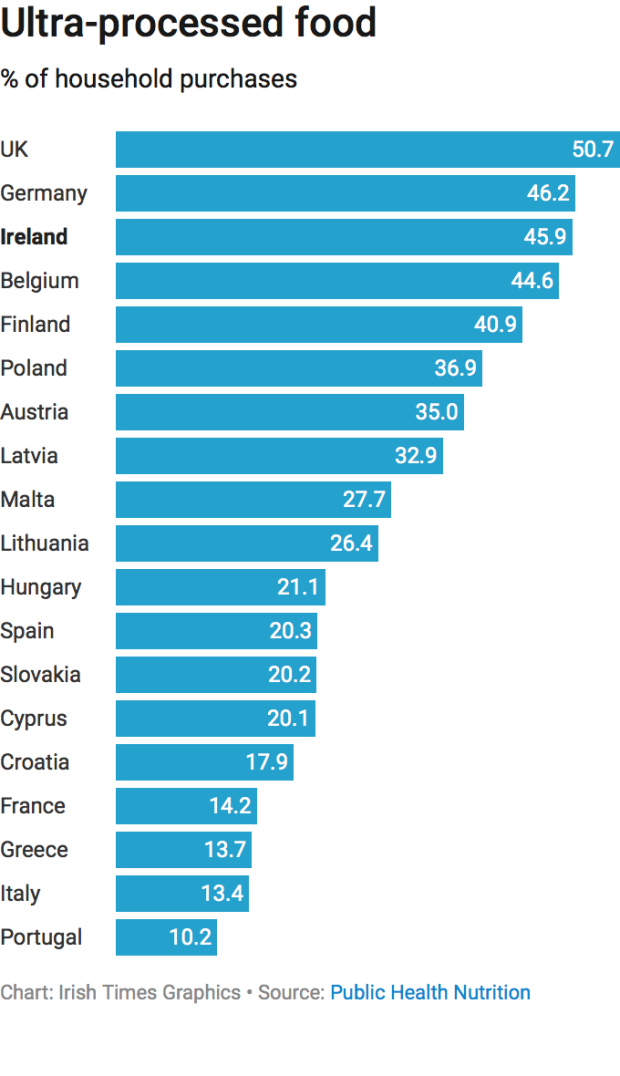
the implications for countries like UK and Ireland being the EU (negative) champions in consuming processed foods are noteworthy...


Some public guidelines could be developed...unless we are too busy demonising red wine...

Monday, 5 February 2018

Sour grapes from Health Minister in Ireland

the news : 

Sour grapes from vineyards over Ireland’s cancer labels

Simon Harris, the health minister, is planning to make it an offence to import alcohol for sale without the label. He has accepted an opposition amendment to the Public Health (Alcohol) Bill to have labels that inform the public of a direct link between alcohol and fatal cancers.

According though to the latest Academic evidence, moderate wine consumption is Beneficial for chronic diseases.

 I copy from here

Respecting religious and social beliefs, a moderate consumption of wine and other fermented beverages (1 glass per day for women and 2 glasses per day for men, as a generic reference) during meals is recommended.


I am either reading the wrong Science papers or Mr Harris got wrong advice... 

Ioannis Zabetakis