Showing posts with label meat. Show all posts

Monday, 30 June 2025

‘Unbelievably cynical’: farmers accuse vegan food producers of ‘hijacking’ sausage and burger labels

from the Irish Times 

EU proposal to restrict plant-based food producers from using meat labels backed by Irish farmers


The European Commission is drafting new rules covering EU-wide agriculture and MEPs are using the overhaul to lobby for changes to how vegetarian and vegan products are sold to customers.

The “hijacking” of traditional farming terms was “deliberate and cynical” and could constitute “a breach of any trade descriptions Act”, said Irish Creamery and Milk Supplier’s Association (ICMSA) president Denis Drennan.

French MEP Céline Imart is proposing an amendment banning plant-based products being labelled with a long list of terms linked to animal products.

It is the latest salvo in the long-running battle involving farmers, their representatives, the commission and vegetarian food producers.

The differing perspectives have also been aired at the European Court of Justice, which has ruled that plant-based foods can use terms traditionally associated with meat once consumers are not misled.

The court has also ruled that non-dairy products cannot be described as milk and cheese.

Farmers have continued to fight for the naming rights to certain products.

Mr Drennan said the “hijacking” of farming terms “constituted an admission by the corporations involved that they were unable to convince consumers other than by such camouflage”.

He said it was “a matter of considerable irritation to farmers to see the very people and corporations who want to replace our naturally produced meat and dairy very deliberately using the terms they know are generally understood to refer to traditional dairy and meat products”.

Oisín Coughlan, climate policy analyst and former chief executive of Friends of the Earth, expressed bafflement at the ICMSA’s comments restricting vegan food producers from using words such as sausage or burger, and said any such move would be “a step too far”.

[ What’s really in veggie burgers? Well, they aren’t always made of vegOpens in new window ]

“Everyone knows that vegetarian sausages don’t come from pigs and I don’t see how a vegan sausage or veggie burger is damaging meat producers,” he said.

“It just communicates that if you don’t want to eat meat there are equivalents available, and that seems fair to me.”

Mr Drennan accused vegan food producers of wilfully trying “to effectively ‘smuggle’ their own products past a sceptical public”.

He suggested that plant-based food producers use terms such as sausage, burger and milk “because they know that those terms already have a degree of acceptance”.

[ The Irish Times view on food labelling: defending the sausageOpens in new window ]

He claimed food producers “simply appropriate the names of the very foods they’re trying to replace and supplant”.

“It’s unbelievably cynical and actually an admission that they know that they’re unable to convince consumers by their own efforts or merits,” he said.

Monday, 26 February 2024

Most things you’ve heard about eating meat are wrong, say Irish scientists

Risks are associated with eating too much meat but some nutritional claims are based on flawed data, say two of Ireland’s leading food and diet specialists

 From the Irish Times

A series of studies on the health impact of eating red and processed meats had a seismic impact on dietary advice across the world over the past seven years. Other studies published since have exposed their flaws, yet they continue to be at the forefront of global nutrition policy.

Reports from EAT-Lancet Commission on Food, Planet, Health, published in 2019, and from the Global Burden of Diseases (GBD) Risk Factors Collaborators in papers dating from 2017 were most influential in prompting the shift.

The message was clear: A 2020 GBD study found nearly 900,000 deaths worldwide in 2019 were caused by consumption of red meat, making it the fifth-largest dietary risk factor. Recommendations called for dramatic reductions or total exclusion of animal-source foods, particularly red meat and dairy from the human diet.

They suggested these dietary shifts would not only benefit human health but also planetary health – it was hailed as shaping “the diet of the future” – as red meat was an inherently harmful food. The only problem is that much of this research has been shown to be flawed, lacking transparency in how conclusions were reached, and yet it continues to be central to dietary advice of policymakers and health organisations.

Two of Ireland’s leading food and diet specialists, Prof Alice Stanton of the Royal College of Surgeons in Ireland and Prof Patrick Wall of University College Dublin have led international efforts to have the studies corrected. Their motivation, they say, is the health consequences of flawed data amid continuing “misinformation” about meat diets.

When they see adverse nutritional claims associated with meat, they regard this as more ammunition for their cause. But many of these nutritional claims are based on flawed science

—  Prof Patrick Wall

In her latest paper published in npj Science of Food this month, Stanton details “unacceptable use of substandard metrics in policy decisions which mandate large reductions in animal-source foods”.

In short, major studies recommending plant-based diets are based on bad data and incorrect assumptions, she says. The 2020 GBD study underestimated the importance of it being easier for bodies to take in proteins and micronutrients from meat than plant-based food. The EAT-Lancet report “would not meet nutritional requirements for adults”, she adds.

Stanton points to influential groups which contend that animal-source foods and particularly red meat cause heart attacks, stroke and cancers, especially those groups advocating for “an almost completely plant-based diet”, when some plant-based diets would cause nutritional deficiencies including anaemia – especially among under-fives, women of childbearing age and older people.

She highlights strong evidence that unprocessed red meat delivers the most vitamin B12 intake in human diets, while delivering key compounds for metabolism. Going vegan means some women need iron supplements, she says, while many older people need the high-quality protein and key minerals that meat provides in protecting against osteoporosis, dementia and fragility.

Stanton, an expert in cardiovascular therapeutics, acknowledges possible risks from excess consumption of meat, ie more than five times a week, “but there are considerably greater risks from dramatic reductions or exclusion of meat, dairy, fish and eggs”. Equally, those risks could be due to an unbalanced diet or high consumption of calories. With evidence around excessive consumption of red meat being “extremely uncertain”, it shouldn’t be used to guide policy decisions, she says.

Wall, a former head of the Food Safety Authority of Ireland (FSAI) and chairman of the European Food Safety Authority, is concerned by the extent to which flawed science is circulated and incorporated into nutrition advice. He accepts many people are against meat for animal welfare reasons or because of the environmental impact of livestock production, “which are valid concerns”.

But he draws the line with dietary advice: “When they see adverse nutritional claims associated with meat, they regard this as more ammunition for their cause. But many of these nutritional claims are based on flawed science.”

Equally, he questions the validity of some contentions when it comes to nature in crisis. “There is a lot of talk about a plant-based diet as healthier for us and for the planet. However, given the biodiversity crisis we are currently experiencing, partly as a result of all the agrochemicals we are currently using, there is no talk of the need for safer plant protection products or GMO [genetically modified organism] disease-resistant crops that will not require sprays,” he notes.

Stanton accepts “there are extremes at either end of the debate”, but is grateful their position is increasingly acknowledged by “really influential scientific groups”, though the reports – principally in the Lancet – remain uncorrected. She and five other leading researchers, including Wall, detailed flaws in a 2021 letter which was published nine months later.

They forced an acknowledgment, she says, on the lack of evidence that consuming unprocessed red meat was causing hundreds of thousands of deaths.

They asked for the evidence that red meat consumption was causing deaths in such high numbers. They were told a future report would acknowledge errors. This was published another nine months later. While the basis for those conclusions was not outlined, there was a comprehensive article with new figures saying a person could eat up to 200g a day – ie, a small steak – with no evidence it would cause harm.

Yet the 2019 figures remain uncorrected, Stanton says, and other researchers are still using that data. It is influencing international guidelines on diet from the World Wildlife Fund and nutritional advice in Nordic countries. “It’s continuing to influence policymakers – and it’s worrying.”

The World Health Organisation has highlighted weaknesses in the research. HSE advice through the FSAI recommends a maximum of 75g of red and processed meat daily. This allows for consumption three to four times a week, which Stanton regards as “reasonable” as part of a balanced diet.

The NHS in the UK advises beef, lamb and pork are good sources of protein and can form part of a balanced diet, but eating more than 90g daily can raise the risk of bowel cancer.

The GBD study did not take into account the contribution of moderate meat consumption towards nutrient adequacy, Stanton says.

In response, the Lancet group said: “The GBD 2019 Article, EAT-Lancet Commission on Food, Planet, Health, and Lancet Countdown on health and climate change reports, were each published following independent, external peer-review.”

“Scientific discussion and debate are an important part of the scientific process, and the Lancet journals welcome responses from readers and the wider scientific community to content published in the journals,” it added.

A vegetarian does not eat animal flesh such as meat, poultry or fish. A vegan diet is a stricter one, avoiding dairy, eggs and ingredients derived from animals. According to US National Institutes of Health, in most cases vegetarian diets are beneficial in prevention and treatment of diseases, such as cardiovascular disease (CVD), hypertension, diabetes, cancer, osteoporosis, renal disease and dementia, as well as diverticular disease, gallstones and rheumatoid arthritis.

The American Health Association advises “diets rich in animal-based and minimally processed plant foods are associated with poor and optimal cardiovascular health, respectively”. This explains why CVD rates are much higher in Western countries, where intake of animal-based foods is 140 per cent more than dietary recommendations, while intake of raw plant foods is relatively low. However, there is a scarcity of studies specifically exploring benefits of plant-based diets.

Stanton acknowledges food production and consumption contribute to the world’s climate and biodiversity crises, being responsible for about a third of greenhouse gas emissions. Conversion of natural ecosystems to agricultural land has been deemed “the largest threat to species extinction”.

So there is a need “to transform our food system so that all have access to healthy diets, while at the same time safeguarding the planet’s health”. How that is achieved induces intense debate – to what extent does food production, processing, distribution, retailing and consumption have to change? Many researchers say dietary shift is critical, “but rather than recommending moderation of consumption patterns, they require considerable reductions, or even total exclusion of animal-source foods”.

Stanton concludes: “It’s really important that health professionals, doctors, nutritionists and policymakers are aware of this discussion.”


Tuesday, 14 February 2023

Recalls of fresh meat products may lower customer demand

UNIVERSITY PARK, Pa. — Fresh meats such as chicken and beef are staples of many Americans’ diets, but demand may take a hit after these products are recalled, according to new Penn State research.

The study, led by College of Agricultural Sciences researchers, found that both the number of recent recalls and the volume of food recalled have significant negative effects on the demand for fresh meat.

Additionally, the researchers found that large recalls caused by product contamination, recalls resulting from produce without benefit of inspection or having an import violation, recalls demanded by government agencies, and Class I recalls are all more likely to cause a larger loss in meat demand.

Pei Zhou, doctoral candidate in energy, environmental and food economics and lead author of the study, said the results suggest different strategies companies can take to prevent food recalls, which then can benefit both consumers’ health and the companies.

“Government agencies and food companies could take action to prevent recalls by, for example, increasing the mandatory inspection of fresh meat products prior to food distribution,” Zhou said. “They could also reduce recall scales and respond quickly by developing standard regulations, guides and procedures for recalling — especially for frequently recalled foods.”

According to the researchers, food safety issues that threaten consumers’ health have increased in recent years. In 2011, the Centers for Disease Control and Prevention estimated that about 48 million Americans get sick, 128,000 are hospitalized and 3,000 die of foodborne diseases each year.

Zhou explained that while food recalls are important to help keep consumers safe, they also pose a significant financial blow to the company whose product is being recalled. For example, previous research estimated that the average cost of a food recall to a company is about $10 million.

The U.S. food safety system has two branches — with the recalls of most meat, poultry and some egg products being monitored by the U.S. Department of Agriculture and the recalls of other foods and beverages being supervised by the Food and Drug Administration. Because of that system, the researchers noted, not all consumers are exposed to the same types of information during a food recall.

“Consumers are exposed to various types of food recall information, and that information may change consumers’ perceived health risks and further affect their purchasing behaviors and food demand,” Zhou said. “We wanted first to explore the impact of food recall on consumer demand and then follow up by examining how consumers respond to the various types of recall information.”

For this study, the researchers focused on the fresh meat market — the largest U.S. agricultural sector, with meat production totaling 52 billion pounds and poultry production totaling 48 billion pounds in 2017.

The study examined information from the Nielsen Retail Scanner Data from 2012 to 2016, which covers more than half the total sales volume of U.S. grocery and drug stores and more than 30% of all U.S. mass merchandiser sales volume.

The researchers also pulled data on recalls from the USDA Food Safety and Inspection Service website, including the volume of food recalled, the specific products recalled, the classification of the recalls, what caused the recalls, how consumers learned about the recalls and any health consequences stemming from the recalled products.

After analyzing the data, the researchers found that while recalls overall lowered product demand, customers also responded to recalls differently, depending on the severity of the recall classification, what caused the recall and how customers learned about the recall.

For example, declines in demand were more than eight times greater after recalls originated by government agencies, compared to recalls initiated by the manufacturers themselves.

The researchers said the study — recently published in the journal Food Policy — gives companies essential insight into the meat market and market strategies aimed at reducing the negative effect of food recalls on consumer demand.

“In general, reducing the number of food recalls by preventing food safety issues from occurring is the most straightforward way to avoid demand reduction,” Zhou said.

Yizao Liu, associate professor of agricultural economics, also contributed to this work.

= = =

In Greek, here.

Thursday, 2 February 2023

Beef is not sustainable, so why are we subsidising it for export?

 from the Irish Times


Cutting Irish beef exports to meet national climate commitments would increase global greenhouse gas emissions, Teagasc’s beef enterprise leader has claimed.

This idea of “carbon leakage”, whereby emissions savings from livestock cuts in Ireland would be reversed by increased production elsewhere, has been a long-standing argument used by the livestock sector to deflect ambitious emissions reductions. But scratching below the surface reveals several flaws.

Beef is an extremely carbon-intensive way of producing protein, no matter how it’s produced, and it is not clear that Irish beef is any better than other systems in this regard. Some studies show that beef produced in pasture-based, suckler systems such as Ireland’s has a higher carbon footprint than more intensive feedlot systems.

This is particularly true when the carbon associated with land use is counted. Irish grassland on drained peaty soil is a significant source of carbon dioxide, and the huge land requirement to produce protein with cattle prevents carbon removal through reforesting and restoring Ireland’s main native ecosystem, temperate rainforest.

In any case, Irish beef and dairy exports are not simply meeting global demand, as claimed. The Irish State is actively increasing demand for beef and dairy to premium markets abroad with marketing using so-called green credentials and ministerial trade missions. But these green credentials are not backed by evidence, according to the Environmental Protection Agency, and Ireland’s agriculture emissions are at an all-time high.

Methane, the most significant greenhouse gas in agriculture, is responsible for about half of a degree of global warming already. Its concentration in the atmosphere is two-and-a-half times larger than it would be without human activities. An immediate, steep cut in global methane emissions is necessary to prevent the worst effects of climate change according to the UN Intergovernmental Panel on Climate Change.

A switch towards lower-carbon diets in high-income countries is among the measures necessary to achieve this, and the idea is gaining traction. “Food tsar” Henry Dimbleby says the UK must cut meat consumption by 30 per cent by 2030 to meet its climate and biodiversity targets.

The Dutch government has announced €60 million into research for cultivated meat – real meat that is grown from animal cells in vats, bypassing animals, with a far lower environmental footprint. Cultivated (or cellular) meat has been approved safe to eat in the US by the Food and Drug Administration and the sector is growing rapidly.

This innovation represents the transformative changes that are possible in the global food system, which can cut greenhouse gas emissions and allow large ecosystems to be restored by freeing up the land we use to feed animals.

A transformation of similar scale is already under way in the Irish power system, where stakeholders are working towards a fossil fuel-free electricity system in the 2030s. There are also signs that a similar transformation of the transport sector is starting to take off, with transport decarbonisation policy now prioritising car-free mobility.

But actors are still pushing strongly against a transformation of food production and land use, using arguments like carbon leakage.

I have suggested before that the great expertise in Ireland’s agrifood sector should be directed towards alternative proteins, like cellular meat. Some plant-based protein sources, like legumes, peas and (surprisingly) quinoa, grow well in Irish conditions, but there is a deficit of research and support.

Teagasc representatives have emphasised the need to prioritise the economic sustainability of beef, but the elephant in the room is that it is completely uneconomical. Subsidies make up 139 per cent of cattle rearing farm incomes, meaning the average suckler farm used more than €4,000 of direct payments to cover operating losses in 2021. Sheep farms barely fare better and leave our uplands in a poor ecological state.

Why are we subsidising beef and lamb for the export market to the detriment of climate and the local environment? These are not sustainable systems by any metric, yet the Minister for Agriculture Charlie McConalogue still claims, incredibly, that Ireland is the “sustainable food capital of the world”.

As one of the largest beef exporters in the world, and a big methane emitter, Ireland must show better and braver leadership. That Micheál Martin signed the Global Methane Pledge as then taoiseach at the Glasgow climate summit in 2021 and declined to set a national target consistent with this – a 30 per cent cut in methane by 2030 – sets a terrible example.

No one wants to see beef imports from deforested regions, and the EU has made progress by banning imports of such goods. It should go further and make strong environmental conditions attached to trade deals: it would be a blow for Irish farmers to see Brazilian beef replace Irish in European supermarkets. But the time for using other countries’ poor climate record as cover for Ireland’s is long past.

Hannah Daly is professor in sustainable energy at University College Cork. Read more from Prof Daly, here.

Thursday, 22 September 2022

Τι σηματοδοτεί η πιθανή κατάρρευση της Beyond Meat για τη βιομηχανία φυτικού κρέατος;

 Η Beyond Meat αντιμετωπίζει κίνδυνο πτώχευσης, με τη μετοχή της να πέφτει κατά 92% και αντιμετωπίζοντας ζημία 278 εκατομμυρίων δολαρίων για το δεύτερο τρίμηνο του 2022. Τι σημαίνει αυτό για το μέλλον της βιομηχανίας εναλλακτικού και καλλιεργούμενου κρέατος;


full article is here.

Wednesday, 21 September 2022

Could Beyond Meat Go Bankrupt?

 The pandemic was a bonanza for the plant-based "meat" industry. U.S. sales of plant-based meat soared 45% to $1.4 billion, and refrigerated plant-based meat sales expanded 75%. Beyond Meat (BYND -6.04%) certainly benefited, with retail sales of its products more than doubling in 2020.

That red-hot demand hasn't lasted. Sales of plant-based meat were essentially flat in 2021, and 2022 isn't looking any better. Beyond Meat is being hit particularly hard. The company's refrigerated pea-based products have fallen out of favor, and the expensive launch of Beyond Meat Jerky hasn't gone according to plan.


full article here.

Tuesday, 14 August 2018

New Publication of our team: Phospholipids of goat and sheep origin: Structural and functional studies


StylianosPoutzalisaRonanLordanbConstantinaNasopouloucIoannisZabetakisb

a
Laboratory of Food Chemistry, Department of Chemistry, National and Kapodistrian University of Athens, 15771, Athens, Greece
b
Department of Biological Sciences, University of Limerick, V94 T9PX, Limerick, Ireland
c
Department of Food Science and Nutrition, School of the Environment, University of the Aegean, Myrina, Lemnos, 81400, Greece


Abstract

The lipidomic profiles of goat and sheep meat were studied. Polar lipid fractions of raw and baked meat samples were tested for their in vitro anti-atherogenic properties. The total lipid (TL) content was extracted using the Bligh-Dyer method and was subsequently separated into total polar lipids (TPL) and total neutral lipids (TNL). The fatty acid profiles of the TPL and TNL of all three samples were determined by GC-FID. The TPL of all samples were further separated by preparative TLC into their constituent phospholipid and sphingolipid fractions. In all samples, polar lipid fraction 3 had a similar Rf value to phosphatidylcholine. These phosphatidylcholine fractions were tested for their in vitro capacity to inhibit platelet-activating factor (PAF) induced platelet aggregation (anti-inflammatory activity) using human platelets. The phospholipid content of each fraction 3 was determined using LC–MS. These results provide a novel insight into the structure of phosphatidylcholine derivatives in goat and sheep meat and highlight the nutritional value of these meats in terms of their antithrombotic and cardioprotective properties before and after the baking process.


Highlights

•
Lipidomic profiles of raw and baked goat and sheep meat have been studied.
•
Anti-atherogenic activities of polar lipids of meat samples have been evaluated.
•
The most bioactive fractions of polar lipids have been studied by LC–MS.
•
The anti-anterogenic activities are due to phosphatidylcholine derivatives.
•
Sheep and goat meat are excellent sources of bioactive lipids against CVDs.

= = =

Full paper is available here
 

Tuesday, 5 September 2017

teaching at UL - the dark side of meat science

Today, at the lecture on Food Quality, FT4447, we discussed the dark side of meat science.

Here is some further reading material

1.  Eating Animals


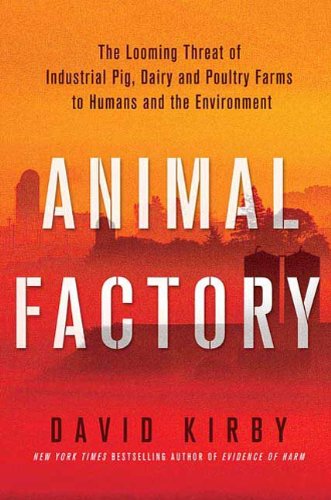
2. Animal Factory


and
3. [for a bit more "neutral" approach... ] The Omnivore's dilemma

Monday, 24 April 2017

how to reduce the risk of developing CVDs?


the answer is rather straightforward!

Please consider your consumption of 10 foods/nutrients associated with cardiometabolic diseases: fruits, vegetables, nuts/seeds, whole grains, unprocessed red meats, processed meats, sugar-sweetened beverages (SSBs), polyunsaturated fats, seafood omega-3 fats, and sodium.

New research suggests that

The largest numbers of estimated diet-related cardiometabolic deaths were related to  
high sodium (66 508 deaths in 2012; 9.5% of all cardiometabolic deaths), 
low nuts/seeds (59 374; 8.5%), 
high processed meats (57 766; 8.2%), 
low seafood omega-3 fats (54 626; 7.8%), 
low vegetables (53 410; 7.6%), 
low fruits (52 547; 7.5%), and 
high SSBs (51 694; 7.4%). 

Between 2002 and 2012, population-adjusted US cardiometabolic deaths per year decreased by 26.5%. 

The greatest decline was associated with insufficient polyunsaturated fats (−20.8% relative change [95% UI, −18.5% to −22.8%]), nuts/seeds (−18.0% [95% UI, −14.6% to −21.0%]), and excess SSBs (−14.5% [95% UI, −12.0% to −16.9%]). 
The greatest increase was associated with unprocessed red meats (+14.4% [95% UI, 9.1%-19.5%]).