Showing posts with label microbes. Show all posts

Wednesday, 17 June 2026

Navigating the regulatory jungle: DSMZ researchers publish Nagoya Protocol guide


(Braunschweig/Germany – 21 May 2026): Research takes place within a complex legal framework. The Leibniz Institute DSMZ-German Collection of Microorganisms and Cell Cultures GmbH, together with an international consortium, has now published two timely articles on this topic in the renowned journal “Sustainable Microbiology”. DSMZ researchers Davide Faggionato and Melania Muñoz-García are the lead authors of the articles, with Amber H. Scholz, Head of the DSMZ Department of Science Policy & Internationalisation, serving as corresponding author. The first article, “Policy in practice: How to do the Nagoya Protocol”, cleans up common misconceptions and offers researchers from around the world practical guidance/help on the ethical and legally compliant use of biological resources.

Microorganisms are the driving force behind biotechnological innovations
Microorganisms are central to biodiversity, ecosystem functioning, and biotechnological innovation. Research into microbial genetic resources is, however, increasingly shaped by a complex web of international and national legal frameworks. The two articles tackle this challenge from complementary perspectives: one publication offers a step-by-step guide to compliance with the Nagoya Protocol, the other provides an overview of the broader regulatory environment governing microbial resources, including rules on access and benefit-sharing, intellectual property, biological safety, ethics, and sector-specific agreements.

No more “Take what you want!”
The days of colonial research expeditions are long gone. Since the Nagoya Protocol came into force, access to genetic resources is bound by clear rules: the sovereign rights of the countries of origin must be respected and profits are to be shared fairly. “Many scientists still confuse the Nagoya Protocol with the Kyoto Climate Protocol,” explains Dr Amber H. Scholz. “The only thing they have in common is their Japanese origin. Life scientists need to be aware of the Nagoya Protocol.” Breaches of ABS (Access and Benefit-Sharing) rules can have drastic legal consequences.


more information is here.


Wednesday, 28 April 2021

Scientists find way to remove polluting microplastics with bacteria

 source: The Guardian


Microbiologists have devised a sustainable way to remove polluting microplastics from the environment – and they want to use bacteria to do the job.

Bacteria naturally tend to group together and stick to surfaces, and this creates an adhesive substance called “biofilm” – we see it every morning when brushing our teeth and getting rid of dental plaque, for example. Researchers at the Hong Kong Polytechnic University (PolyU) want to use this sticky bacteria property and create tape-like microbe nets that can capture microplastics in polluted water to form an easily disposable and recyclable blob.

Although these findings, presented on Wednesday at the Microbiology Society’s annual conference, are still preliminary, this invention could pave the way for sustainably lowering plastic pollution levels in the long run by simply using something found in nature.

“It is imperative to develop effective solutions that trap, collect, and even recycle these microplastics to stop the ‘plastification’ of our natural environments,” said Sylvia Lang Liu, microbiology researcher at PolyU and lead researcher on this project.


Monday, 16 April 2018

Enjoy your Microbes

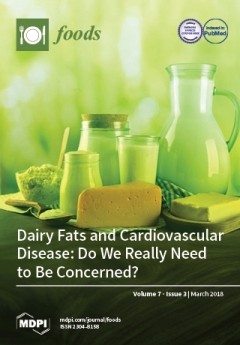
http://www.mdpi.com/2304-8158/7/3


Five EU member states (Estonia, Germany, Italy, Poland, Spain) have national nutrition guidelines or recommendations that include either probiotics or fermented milks containing live bacteria.

Other countries include yogurt (as part of dairy products) in their food-based dietary guidelines. It is the case in Switzerland, USA, Canada, UK, Australia, Japan, Sweden, Russia, Argentina, India and Portugal. In this case, yogurt is recommended, not for the live microbes it contains, but for its nutritional value.

So...enjoy your microbes!

In Etihad Stadium, Pep has brought his team of chefs who prepare food for all the people who work at the Stadium. All personnel in Etihad have free and quality meals with quite a few microbes
[ 1 Cup of Yogurt = 10 8-10 bacteria ]

😄


Monday, 11 September 2017

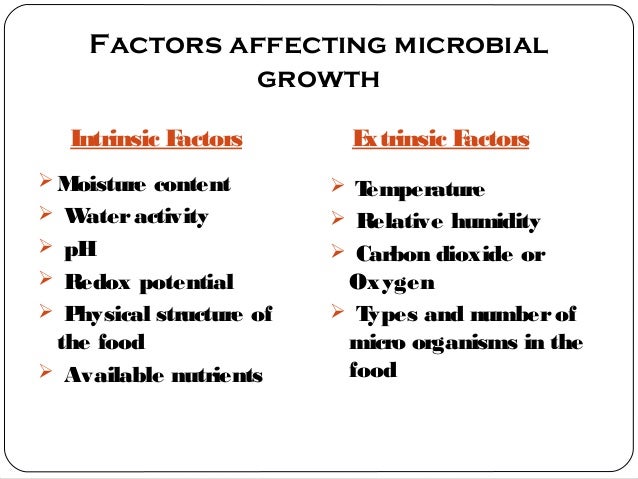
food safety and microbial growth


and now...
let's compare the intrinsic factors of:

1. almonds / strawberries
2. mussels / fish fillet
3. milk / yogurt