Showing posts with label wine. Show all posts

Friday, 8 May 2026

An inflammation expert says non-alcoholic wine is just as good for your heart as the real thing

 It’s no secret that drinking the odd glass of red wine can have positive health benefits, but did you know that a non-alcoholic equivalent could also do the same good?
Non-alcoholic red wine could help lower cholesterol just as effectively as the regular stuff, according to an expert in cardiovascular diseases.
Ioannis Zabetakis, associate professor in food chemistry at the University of Limerick in the Republic of Ireland, says both regular and non-alcoholic red wine contain polar lipids—molecules that contain fatty acid chains—that can help reduce inflammation, a key factor in cardiovascular diseases.
[the rest of the article is here]

======
Our relevant article is here
Bioactive lipids derived from red wine, beers, and their dealcoholized variants inhibit platelet-activating factor (PAF) induced platelet activation in vitro

Monday, 22 May 2023

Ireland set to become first country with mandatory health warnings on alcohol

 Ireland is set to become the first country in the world to introduce mandatory health labelling of alcohol products, Minister for Health Stephen Donnelly has said as he signed into law new public health regulations.

Providers of alcoholic drinks will be obliged to display warnings on product packaging telling consumers about both the risk of drinking when pregnant and the risk of liver disease and fatal cancers from alcohol consumption. Other health information such as calorie content and grams of alcohol must be displayed while packaging labels will also direct consumers to the Health Service Executive website for further information on alcohol consumption.


from the Irish Times

Thursday, 8 September 2022

Η απορία: Να πιει κανείς ή να μην πιει;

Οι αντικρουόμενες επιστημονικές απόψεις και η… μέση οδός


του Γιάννη Ζαμπετάκη


Σε μια μελέτη που δημοσιεύθηκε στο Lancet στα μέσα Ιούλη και για την οποία διαβάσατε πρώτοι στο cibum, βρέθηκαν μάλλον αντικρουόμενα αποτελέσματα με τα όσα ξέρουμε ως σήμερα.

Η μελέτη προτείνει ότι: «καμία ποσότητα αλκοόλ δεν είναι ωφέλιμη για τους καταναλωτές κάτω των 40 ετών, όχι λόγω άμεσης επίπτωσης στην υγεία αλλά κυρίως λόγω θανάτου από αυτοκινητιστικά δυστυχήματα, τραυματισμούς σε κατάσταση μέθης ή ακόμα και ώθηση σε βία και ανθρωποκτονίες. Ωστόσο σύμφωνα με την ίδια έρευνα για τους καταναλωτές άνω των 40 ετών, χωρίς υποκείμενα νοσήματα μικρές ποσότητες αλκοόλ μπορεί να μειώσουν τον κίνδυνο καρδιαγγειακών παθήσεων, εγκεφαλικού και διαβήτη».

Βέβαια, αυτά έρχονται σε αντίθεση με τις προτάσεις της μεσογειακής διατροφής αλλά και μεγάλου πλήθους ερευνών που προτείνουν ότι κατανάλωση ζυμώμενων ποτών (κυρίως μπύρα και κρασί) με μέτρο έχει διακριτά ωφέλη για την υγεία μας.

Το μέτρο είναι το ζητούμενο!

Κατανάλωση μπύρας και κρασιού (1-2 μονάδες αλκοόλ) σε καθημερινή βάση έχει οφέλη για την υγεία μας!

Friday, 8 October 2021

The effect of moderate wine consumption on cytokine secretion by peripheral blood mononuclear cells: A randomized clinical study in coronary heart disease patients


Cytokine

Volume 146

October 2021 

Article number 155629

  • aSend mail to Fragopoulou E.,
  • a,
  • a,
  • a,
  • a,
  • a,
  • a,
  • b,
  • c


Highlights

•

Moderate wine consumption doesn't have adverse effects on basic metabolic markers.

•

Moderate wine consumption has not effect on soluble protein inflammatory mediators.

•

Moderate daily tsipouro consumption (ethanol) induces TNFα secretion by PBMCs.

•

Wine micro-constituents attenuate ethanol effect on cytokine secretion by PBMCs.

-----------------------------------------

This paper shows that the consumption of a fermented drink has a positive impact in relation to cytokine secretion and hence inflammation.

-----------------------------------------------------------------------

Further reading:

Ethanol effect

Tumor Necrosis Factor

Peripheral blood mononuclear cells (PBMC)

In vitro results on the anti-inflammatory effects of beer and tea.


Wednesday, 7 November 2018

1 November 1969: A Norfolk vineyard

A woman empties a basket of grapes into a larger vessel during the annual harvest in Hambledon, Hampshire, 1975. Photograph: Milton Wordley/Getty Images


I have special ties with this month, so here is a moving story.

1 November 1969: A Norfolk vineyard may well be the first to have been harvested in this part of East Anglia since the Middle Ages

[...]

Surprisingly enough, the wine growers of England do not regard the climate as their biggest hazard; they are much more worried about bird damage, for unlike the Frenchmen, we do not tend to shoot (and eat) virtually anything which flies. The other thing they are worried about is the exorbitant rate of duty on their wines which is levied by the Customs and Excise. It amounts to 4s 113⁄4 d a bottle, which gives only an advantage of about 4​1⁄4 d a bottle over European wines imported in bulk. This is no way to reward a growing home industry.

Sunday, 14 October 2018

Monday, 10 September 2018

is there an obsession with anti-drinking?

wine in moderation :)


Over the last few months I have come across of reports and "guidelines" suggesting that alcohol is not good and we need to keep dry.

As a middle aged person (48), I do not buy these "advices" at all.

I prefer to follow the guidelines of the Med diet (that suggests moderate alcohol consumption daily!)
and I do enjoy a glass of Syrah, Merlor or my Greek favourite Agiorgitiko every evening.

The scientific advice we need to advocate is this: fermented alcoholic drinks are healthy (e.g. beer, wine) but distillates (e.g. gin, vodka, whiskey) are not.
Simple and clear!

Why can't relevant authorities issue clear guidelines?

Further read:
Believe grape expectations

Ioannis Zabetakis


Friday, 23 March 2018

Sunday, 18 February 2018

Believe grape expectations

(letter to the Editor - Sunday Times Ireland - 18th February 2018)


With reference to your article 

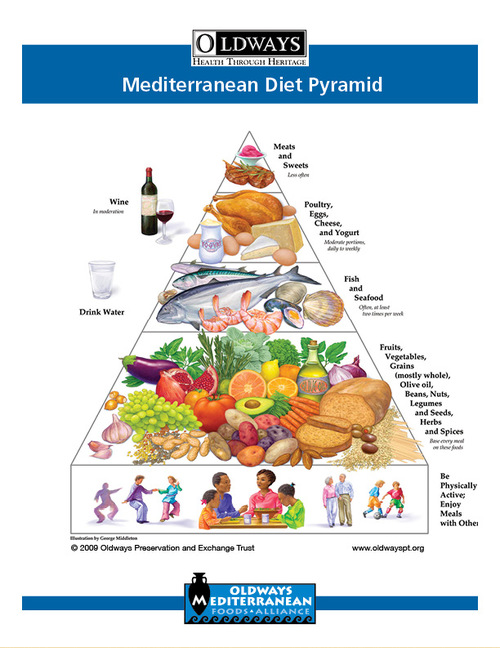
 I must point out that according to the Mediterranean diet pyramid, the moderate consumption of red wine (1-2 glasses per day) is recommended. Blue-zone people - those in longevity hotspots, where people reach the age of 100, actually do consume wine and beer.

.       From a food chemistry and nutritional point of view, all fermented alcoholic drinks have positive health impact when consumed in moderation. The French Paradox (where people in France, despite the high dietary intake of fats, have low incidence of heart diseases) explains this phenomenon due to nutritional value of red wine. On the other hand, distilled alcoholic drinks have no nutritional value whatsoever. This is a crucial point that needs to be highlighted: fermentation has a positive nutritional impact whereas distillation has only negative ones. 
   So,on what basis, does the Health Minister ignore all this strong scientific evidence and propose a cancer-related labelling on wines?

   Dr Ioannis Zabetakis

Further reading sources