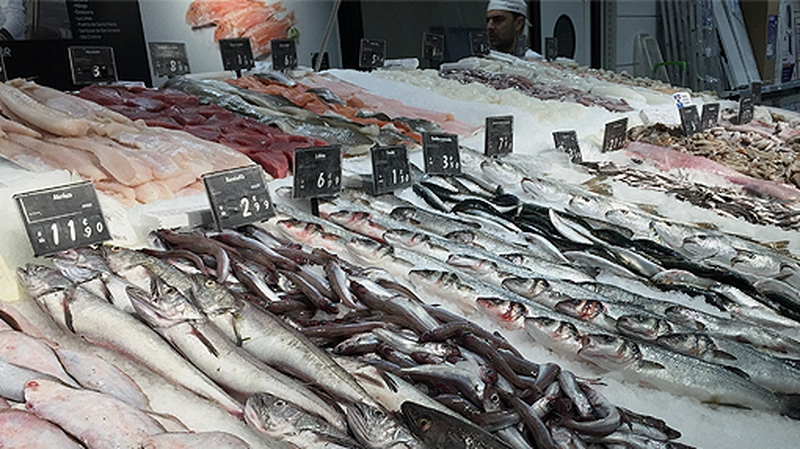
During this term, the FT4248 "Advanced Food Chemistry"students
in LM068 in UL have been working on ameliorating the Pyramid standards.
Here are some valid suggestions of my students 🎯
===================================================
Evaluation
of the current Irish Food Pyramid
Olivia
Murphy - Phove Gavin - Amy Redfern
Abstract
The current food pyramid has not
considered current research regarding foods influence on disease development
and prevention. This research emphasises the need for change in the food
pyramid which is currently advising the Irish population.
Keywords
Food pyramid, health, disease
___________________________________________________________________________
Introduction
According to WHO, the causes of death globally in the past fifteen years
have not altered significantly. Cardiovascular disease(CVD) and cancer are the
leading causes of death[1]. The current food pyramid(CFP) suggests
that two portions of meat, poultry, fish, eggs, beans and nuts should be
consumed a day. This review proposed a revised food pyramid(RFP) which is a
healthier alternative in disease prevention in comparison to the CFP.
Discussion
Red and processed meats contain potentially carcinogenic substances such
as N-nitroso-compounds(NOCs), heterocyclic amines(HCAs) and polycyclic aromatic
hydrocarbons(PAHs)[2]. HCAs and PAHs are mutagenic chemicals formed
when cooking at high temperatures. HCAs are comprised of a reaction of amino
acids, sugars and creatine at high temperature. PAHs are formed when fats and
juices of the meats react with the fire causing flames[3]. Numerous
studies have demonstrated the exposure of HCAs and PAHs resulting in the
development of cancer[4-8]. Curing and smoking of meats involves the
addition of nitrates and nitrites resulting in formation of carcinogenic NOCs.
The heme-iron content in meat aids production of NOCs[2;9]. The RFP
suggests that one should consume less than one portion of red meat weekly and
consume processed meats sparingly.
Poultry is an exceptional source of protein and unsaturated fatty acids.
It is a source of the following B vitamins; thiamine, vitamin B6 and
pantothenic acid and minerals such as; iron, zinc and copper. The inclusion of
poultry meat in diet reduces risk of developing CVD, type 2 diabetes
mellitus(T2D), cancer and obesity[10].The RFP suggests that portions
of poultry should be consumed a week.
Research assessed the properties of polar lipid fractions of sardines
and cod liver oil against atherogenesis. The anti-PAF properties of the fish
polar lipids play a protection role against the development of CVD[11;12].
The RFP suggests that two portions of fish should be consumed a week, one of
which should be oily.
Beans and nuts are nutritious and have a plethora of good qualities
including high levels of carbohydrates, protein, fibre, magnesium, potassium,
folate and antioxidants. Beans and nuts are associated with reducing risk of
developing CVD, T2D, obesity and cancer [13;14].This elucidates the
impression that beans and nuts should be consumed in greater amounts. Figure 2
demonstrates the RFP that suggests that beans and nuts are included in the
wholemeal section.
Hen yolk exhibits antiatherogenic properties. The inhibitory activity
against platelet activation factor has been demonstrated hence playing a
protective role against the mechanism of atherogenesis[15]. Unlike
what was previously thought, there is little associated between high egg intake
and CVD. Eggs are good in moderation, however, it is not advisable to consume
greater than seven eggs a week as there is an increased risk in developing T2D[16-18].
The revised food pyramid suggests that one egg should be eaten a day.
Conclusion
The suggested RFP based on scientific literature proves to be a better
alternative to the CIP which is currently in place with regards disease
prevention control.
Bibliography
1. World Health Organisation
(2017) Top 10 causes of death worldwide, available:http://www.who.int/mediacentre/factsheets/fs310/en/
[accessed: 4 Feb 2018].
2. Bouvard. V., Loomis. D., Guyton. K. Z., Groose. Y., Ghissassi. F. E.,
Benbrahim-Tallaa. L., Guha. N., Mattock. H. & Straif. K. on behalf of the
International Agency for Research on Cancer Monograph Working Group (2015)
‘Carcinogenicity of consumption of red and processed meat’, The Lancet,
16 (16), 1599-1600, available: http://dx.doi.org/10.1016/S1470-2045(15)00444-1 [accessed
8 Feb 2018].
4. Bernstein
A.M., Sun Q., Hu F.B., Stampfer M.J., Manson J.E., Willett W.C., (2010) ‘Major
dietary protein sources and risk of coronary heart disease in women’, 122(9), 876-83, available: https://www.ncbi.nlm.nih.gov/pubmed/20713902
[accessed: 29 January 2018]
5. Zhu
H.C, Yang X, Xu L.P, Zhao L.J, Tao G.Z, Zhang C, Qin Q, Cai J, Ma J.X, Mao W.D,
Zhang X.Z, Cheng H.Y, Sun X.C, (2014), ‘Meat consumption is associated with
esophageal cancer risk in a meat- and cancer-histological-type dependent
manner’, 59930, 664-73, available: https://www.ncbi.nlm.nih.gov/pubmed/24395380
[accessed: 29 January 2018]
6. Cross.
A.J and Sinha. R. (2004) ‘Meat-related mutagens/carcinogens in the etiology of
colorectal cancer’, Environmental and Molecular Mutagenesis, 4(1), 44-55,
available: 10.1002/em.20030 [accessed 7
Feb 2018].
7. Steck.
S. E., Gaudet. M. M., Eng. S. M., Britton. J. A., Teitelbaum. S. L., Neugut. A.
I., Santella. R. M. and Gammi. M. D. (2007) ‘Cooked Meat and Risk of Breast
Cancer - Lifetime Versus Recent Dietary Intake’, 18(3), 373-382, available:10.1097/01.ede.0000259968.11151.06 [accessed 7
Feb 2018].
8.
Santarelli. R. L., Pierre. F. and Corpet. D. E. (2008) ‘Processed Meat and
Colorectal Cancer: A Review of Epidemiologic and Experimental Evidence’ Journal
Nutrition and Cancer, 60(2), 131-144, available: http://dx.doi.org/10.1080/01635580701684872
[accessed 7 Feb 2018].
10. Marangoni. F., Corsello. G., Cricelli. C., Ferrara. N., Ghiselli.
A., Lucchin. L. and Poli. A. (2015) ‘Role of poultry meat in a balanced diet
aimed at maintaining health and wellbeing: and Italian consensus document’,
Food and Nutrition Research, 59, 27606, available: https://www.ncbi.nlm.nih.gov/pmc/articles/PMC4462824/
[accessed 1 Feb 2018].
11. Morphis. G., Kyriapoulou. A.,
Naspoulou. C., Sioriki. Elemi., Demopoulos. C. A., Zabetakis. I. (2016)
‘Assessment of the in Vitro Antithrombotic Properies of Sardines (Sardina
pilchardus) Fillet Lipids and Cod Liver Oil, Fishes, 1(1), 1-15, available: 10.3390/fishes1010001
[accessed 4 Feb 2018].
12. Kris-Etherton. P. M., Harris.
W. S. and Appeal. L. J. (2003) ‘Fish Consumption, Fish Oil, Omega-3 Fatty
Acids, and Cardiovascular Disease’, American Heart Association, 106, 2747-2757,
available: 10.1161/01.CIR.0000038493.65177.94 [accessed 4 Feb 2018].
13. Aune,
D., Chan, D.S.M., Lau, R., Vieira, R., Greenwood, D.C., Kampman, E. and Norat,
T. (2011) 'Dietary fibre, whole grains, and risk of colorectal cancer:
systematic review and dose-response meta-analysis of prospective studies', BMJ,
343, available: https://doi.org/10.1136/bmj.d6617 accessed
4 Feb 2018].
14.
Bingham, S.A., Day, N.E., Luben, R., Ferrari, P., Slimani, N., Norat, T.,
Clavel-Chapelon, F., Kesse, E., Nieters, A. and Boeing, H. (2003) 'Dietary
fibre in food and protection against colorectal cancer in the European
Prospective Investigation into Cancer and Nutrition (EPIC): an observational
study', The lancet, 361(9368), 1496-1501, available: https://doi.org/10.1016/S0140-6736(03)13174-1
[accessed 4 Feb 2018]..
15.
Nasopoulou. C., Gogaki. V., Panagopoulou. E., Demopoulos. C. and Zabetakis. I.
(2013) ‘Hen egg yolk lipid fractions with antiatherogenic properties, Animal
Science Journal, 84(3), 264-71, available: 10.1111/j.1740-0929.2012.01067
[accessed 4 Feb 2018].
16.
Fuller. N. R., Markovic. T. P., Sainsbury. A. and Caterson. I. D. (2017) ‘Eggs
and type 2 diabetes:Current evidence suggests no cause for concern in the
short-term’, Nutrition Bulletin, 42(1), 6-9, available: 10.1111/nbu.12246
[accessed 3 Feb 2018].
17.
Geiker. N. R. W., Larsen. M. L., Dyerberg. J., Stender. S. and Astrup. A.
(2017) ‘Egg consumption, cardiovascular diseases and type 2 diabetes’, Journal
of Clinical Nutrition, 72, 55-56, available:10.1038/ejcn.2017.153 [accessed 3
Feb 2018].
18.
Díez-Espino. J., Basterra-Gortari. F. J., Salas-Salvadó. J.. Buil-Cosiales. P.,
Corella. D. Schroder. H., Estruch. R., Ros. E., Gómez-Gracia. E., Arós. F.,
Fiol. M., Lapetra. J., Serra-Majem. L., Pintó. X., Babio. N., Quiles. L., Filo.
M., Marti. A. and Toledo. E. (2017) ‘Egg consumption and cardiovascular disease
according to diabetic status: The PREDIMED study’, Clinical Nutrition Journal,
36(4), 1015-1021, available: https://doi.org/10.1016/j.clnu.2016.06.009
[accessed 4 Feb 2018].
=============================================
The
Food Pyramid
Orlagh Kennelly -Alice O’Grady -Fiona O’Sullivan
Abstract:
A major problem with the updated Irish food pyramid is the way in which fats,
oils and spreads are grouped together. The unclear layout of the current food
pyramid prompted a revision of its categorization of food. This review pays
particular attention to fats spreads and oils.
Keywords:
food pyramid, lipids, polyunsaturated fatty acids, monounsaturated fatty acids,
fats, oils.
_________________________________________________________________________
Currently
the food pyramid has given no consideration to the composition of each type of
‘Fats, Oils and Spreads’ in terms of their saturated, unsaturated and trans-fat
content. Trans fats have been highlighted in recent years due to their
association with the increased risk of cardiovascular events [1]. Studies
conducted in Greece, in the 1960’s, found olive oil (OO) contributed up to 40%
of total dietary energy intake. Coronary Heart Disease (CHD) was shown to be
90% lower in Greek men than in men in the USA [2].
It
is misleading to group OO with foods such as palm oil (PO), full-fat butter and
spreads (including low-fat varieties) as their compositions vary drastically.
OO is a source of monounsaturated fatty acids (MUFAs) and is low in saturated
fatty acids (SFAs). It provides us with oleic acid which has been shown to have
antithrombotic properties. MUFAs are less inclined to contribute to oxidation
of low density lipoproteins (LDLs). This contrasts with PO, which has an SFA
content of 87.55g/100g, which has been shown to contribute to an individual’s
risk in developing CHD [3].
The
purpose of the food pyramid should be to educate the public on the different
types of fats, both good and bad, however, there is no information on the type
of fat that should be consumed in each category. In the current food pyramid,
fat can be found in two categories, the ‘Fats, spreads and oils’ and the ‘Foods
and drinks high in fat, sugar and salt’ which fails to distinguish between
fats. On the Safefood website there is only one suggestion on the servings/
portion
sizes
of fats and oils and that is to “use as little as possible” [5]. In agreement
to this statement,
consumption
of foods high in SFAs should be used sparingly. However, foods high in PUFAs
and
MUFAs should be differentiated due to their health benefits (Figure 1).
Table
1: Table of fatty acid composition of
fats, oils and spreads commonly found in the Irish diet.
Product
|
Saturated
Fat (g/100g)
|
Unsaturated
Fat (g/100g)
|
Of
which are poly-unsaturated (g/100g)
|
Of
which are mono-unsaturated
(g/100g)
|
Trans
Fat
(g/100g)
|
Butter
|
61
|
33
|
2
|
59
|
2.87
|
Margarine
|
15.189
|
63.179
|
24.302
|
38.877
|
14.89
|
Lard
|
39.2
|
56.3
|
11.20
|
45.100
|
0
|
Mayonnaise
|
11.703
|
61.533
|
44.690
|
16.843
|
0.187
|
Olive oil
|
13.81
|
83.48
|
10.52
|
72.96
|
Trace
|
Canola oil
|
7.37
|
91.42
|
28.14
|
63.28
|
0.4
|
Coconut oil
|
82.47
|
8.03
|
1.7
|
6.33
|
0.03
|
Sunflower oil
|
10.3
|
85.2
|
65.7
|
19.5
|
Trace
|
Palm Oil
|
87.55
|
6.234
|
0.834
|
5.40
|
0
|
[5][6]
 |
Figure 1: Suggested changes to the existing
food pyramid.
|
References:
1.
Mozaffarian , D., Katan ,
M.B., Ascherio , A., Stampfer , M.J. and Willett , W.C. (2006) 'Trans Fatty
Acids and Cardiovascular Disease', New England Journal of Medicine,
354(15), 1601-1613, available:
http://dx.doi.org/10.1056/NEJMra054035.
3.
Nettleton, J.A., Brouwer, I.A., Geleijnse,
J.M. and Hornstra, G. (2017) 'Saturated Fat Consumption and Risk of Coronary
Heart Disease and Ischemic Stroke: A Science Update', Annals of Nutrition
& Metabolism, 70(1), 26-33, available:
http://dx.doi.org/10.1159/000455681.
6. . McCance, R.A., Widdowson, E.M., Agency, G.B.F.S. and
Research, A.I.o.F. (2002) McCance and Widdowson's The Composition of Foods,
Royal Society of Chemistry.
===========================================
Title: Identifying
scientific mistakes in the current Irish food pyramid and proposing beneficial changes
regarding fats, oils and spreads.
Kate O’Connell - Evan Lynch- Clodagh Doyle
Abstract
This essay addresses mistakes in the food pyramid and re-categorizes fats,
spreads and oils based on differing lipid compositions. The main scientific
mistake in the current food pyramid is all fats are regarded as equal. However,
this isn’t the case, as fats belong on various tier of the food pyramid.
Keywords: food-pyramid, Ireland, mistakes, lipid-composition, nutrition.
1. Introduction
Ireland’s current food pyramid is based on dogmatic evidence. While
the food pyramid has updated in recent years, it’s still evidently flawed.
Outdated evidence has created lipophobic recommendations, in which fats are demonized. In Ireland(53.5%,), Spain(44.2%)
and France(42.4%) , of male CVD deaths occur due to Dietary risk factors in
2011. Despite >38% of total energy is available from fats in Spain and
France[1],
Table 1:
Lipid composition for various foods. [2] [3] [4] [5]
2.0 Discussion
2.1 Olive oil.
Olive oil is the main
fat source in the Mediterranean diet. Olive oil, being high in polar lipids and
monounsaturated fatty acids (MUFA)
contains anti-inflammatory properties. Polyunsaturated fatty acids (PUFA) and
MUFA in the diet have shown to improve cardiometabolic risk factors. A 30%
reduction in stroke risk was seen after consuming a Mediterranean diet supplemented
with extra virgin olive oil (EVOO) for 4.8 years [6].
Randomized controlled trials showed consuming
Mediterranean diets supplemented with EVOO had a 52% reduction in diabetes
[7].
Olive
polar lipids were shown to be potent in an in-vivo rabbit study. Supplementation
showed a decrease in plaque thickness and PAF inhibition, leading to
anti-inflammatory effects over a few weeks [8][9].
2.2 Butter vs Margarine.
Butter is high in saturated fats, containing potent polar lipids. Saturated
fats are no longer linked to cardiovascular disease (CVD) [10]. Margarine
seems more appealing due to less saturated fatty acids (SFA) but contains 6.1% trans
fatty acids (TFA). Partial hydrogenation decreases SFA but produces TFA
instead, leading to higher blood triglycerides [11]. Grass fed
butter is better in comparison to margarine, due to polar lipid content [12]
and the omega 6:3 ratio [13].
One meta-analysis outlined butter reduced coronary heart disease risk by
22.4% when substituting 45% TFA from partially hydrogenated vegetable oils
[14].
2.3 Olives & Avocados
Olives contain polar lipids [15] and are shown to be
cardioprotective [8]. Avocado has high unsaturation with no trans-fats,
a better alternative to low fat spreads. Avocados are high in Oleic acid [2]
and show cardioprotective effects [8]. Replacing low fat
spreads/margarines with avocado/olives would be beneficial to Irish diets. Olive
pomace is shown to contain biologically active lipid fractions that inhibit
inflammation, thus preventing incidence of CVD and type 2 diabetes (DT2).[8][9].
3. Suggestions
- Separate
trans-fats (margarine) and move to top shelf.
- Saturated
fats (grass-fed butter) remain on shelf two.
- Separate
unsaturated fats (EVOO) and relocate to bottom shelf.
- Addition
of fats that are ideal as spreads or meal elements such as avocados and
olives.
 |
Figure 1: Suggested changes for current food Pyramid
|
 |
Figure 2: Textual representation of fat placement on shelves
|
4. Conclusion
Considering literature reviewed, it’s evident that the fat, spreads and
oil group should be dispersed throughout the food pyramid, creating an
awareness to the public that not all fats are bad.
5. Bibliography
2.
Laugerette,
F., Furet, J.P., Debard, C., Daira, P., Loizon, E., Géloën, A., Soulage, C.O.,
Simonet, C., Lefils-Lacourtablaise, J., Bernoud-Hubac, N., Bodennec, J.,
Peretti, N., Vidal, H. and Michalski, M.C. (2012) 'Oil composition of high-fat
diet affects metabolic inflammation differently in connection with endotoxin
receptors in mice', American Journal of Physiology - Endocrinology and
Metabolism, 302(3), 374-386, available: http://dx.doi.org/10.1152/ajpendo.00314.2011.
3.
Teng,
S.W., Hsiung, T.C., Shyr, J.J. and Wakana, A. (2016) 'Lipid content and fatty
acid composition in Taiwan avocados (Persea americana Mill)', Journal of the
Faculty of Agriculture, Kyushu University, 61(1), 65-70.
4.
Han, S.N.,
Leka, L.S., Lichtenstein, A.H., Ausman, L.M., Schaefer, E.J. and Meydani, S.N.
(2002) 'Effect of hydrogenated and saturated, relative to polyunsaturated, fat
on immune and inflammatory responses of adults with moderate
hypercholesterolemia', Journal of Lipid Research, 43(3), 445-452.
5.
Lordan,
R., Tsoupras, A. and Zabetakis, I. (2017) 'Phospholipids of animal and marine
origin: Structure, function, and anti-inflammatory properties', Molecules,
22(11), available: http://dx.doi.org/10.3390/molecules22111964.
6.
Estruch,
R., Ros, E., Salas-Salvadó, J., Covas, M.-I., Corella, D., Arós, F.,
Gómez-Gracia, E., Ruiz-Gutiérrez, V., Fiol, M., Lapetra, J., Lamuela-Raventos,
R.M., Serra-Majem, L., Pintó, X., Basora, J., Muñoz, M.A., Sorlí, J.V.,
Martínez, J.A. and Martínez-González, M.A. (2013) 'Primary Prevention of
Cardiovascular Disease with a Mediterranean Diet', http://dx.doi.org/10.1056/NEJMoa1200303, available: http://dx.doi.org/NJ201304043681406.
7. E. Toledo, F. B. Hu, R. Estruch, P. Buil-Cosiales, D.
Corella, J. Salas-Salvadó, M. I. Covas, F. Arós, E. Gómez-Gracia, M. Fiol, J.
Lapetra, L. Serra-Majem, X. Pinto, R. M. Lamuela-Raventós, G. Saez, M. Bulló,
V. Ruiz-Gutiérrez, E. Ros, J. V. Sorli and M. A. Martinez-Gonzalez.
(2013)
BMC Medicine.
Effect of the Mediterranean diet on blood pressure in
the PREDIMED trial: results from a randomized controlled trial.
available:
https://bmcmedicine.biomedcentral.com/articles/10.1186/1741-7015-11-207.
8. Nasopoulou, C., Karantonis, H.C., Detopoulou, M.,
Demopoulos, C.A. and Zabetakis, I. (2014) 'Exploiting the anti-inflammatory
properties of olive (Olea europaea) in the sustainable production of functional
food and neutraceuticals', Phytochemistry Reviews, 13(2), 445-458,
available: http://dx.doi.org/10.1007/s11101-014-9350-8.
9. Silva Caldas, A.P., Chaves, L.O., Linhares
Da Silva, L., De Castro Morais, D. and Gonçalves Alfenas, R.D.C. (2017)
'Mechanisms involved in the cardioprotective effect of avocado consumption: A
systematic review', International Journal of Food Properties, 20,
1675-1685, available: http://dx.doi.org/10.1080/10942912.2017.1352601.
10. Harcombe, Z., Baker, J.S. and Davies, B. (2017)
'Evidence from prospective cohort studies does not support current dietary fat
guidelines: a systematic review and meta-analysis', British journal of
sports medicine, 51(24), 1743-1749, available: http://dx.doi.org/10.1136/bjsports-2016-096550
12. Lordan, R. and Zabetakis, I. (2017) 'Invited
review: The anti-inflammatory properties of dairy lipids', Journal of Dairy
Science, 100(6), 4197-4212, available: http://dx.doi.org/10.3168/jds.2016-12224.
14. Mozaffarian, D. and Clarke, R. (2009)
'Quantitative effects on cardiovascular risk factors and coronary heart disease
risk of replacing partially hydrogenated vegetable oils with other fats and
oils', European Journal of Clinical Nutrition, 63, S22-S33, available: http://dx.doi.org/10.1038/sj.ejcn.1602976.
15. Nasopoulou, C., Karantonis, H.C., Perrea, D.N.,
Theocharis, S.E., Iliopoulos, D.G., Demopoulos, C.A. and Zabetakis, I. (2010)
'In vivo anti-atherogenic properties of cultured gilthead sea bream (Sparus
aurata) polar lipid extracts in hypercholesterolaemic rabbits', Food
Chemistry, 120(3), 831-836, available: http://dx.doi.org/10.1016/j.foodchem.2009.11.023
======================================================================
‘A Review of the Food Pyramid and the Proposed Redistribution of Meats
and Fish’
Michael McElligott, Rory Noone, Dian
Loposso
Keywords: Food Pyramid, Health, Meat, Fish,
Lipids, Cardioprotective, Cancer
1. Abstract:
Cardiovascular diseases (CVDs) and cancer are
two of the leading causes of death in Ireland today. Dietary choices,
particularly towards meats and fish, have been linked, in varying degrees, to
the development of these conditions and surprisingly the Irish food pyramid
does not reflect on these differences. This paper takes influence from the
success of the Mediterranean diet in these areas and attempts to rearrange the
Irish food pyramid into a healthier version.
2. Introduction:
Suspicion of the food pyramid’s inaccuracy was
first popularized by Dr. Walter Willett, a Harvard nutritionist, who in 1992 showed
that the pyramid lacks the ability to keep up with modern research and is
overly simplistic to correctly model the complexity of the human diet (Willett 1994). The Irish food pyramid has issues;
most significantly, a lack of differentiation in the protein rich food groups
has resulted in red meat, white meat, fish and other staples such as nuts and
eggs often being sectioned together. Such diverse food systems all have their
own varying positive and negative health implications and can be considered as
almost completely separate food groups. The Mediterranean diet is an
exceptionally successful health promoting diet and involves a far greater
diversity of protein rich food sections. Perhaps, food pyramids around the
world could emulate these ideas. In any case, clearly a review of the Irish
food pyramid is overdue.
3. Discussion:
Taking cancer first; higher incidences of
colorectal cancer have been correlated to the consumption of red and processed
meats when compared to many white meats and fish (Vulcan et al. 2017). The Mediterranean diet has robust
evidence showing decreased prevalence, progression and mortality of cancer when
adhered to by the public (Schwingshackl
and Hoffmann 2016). With regards to CVDs; dietary
choices are strongly linked to specific biomarkers which have been shown to
significantly influence the prevalence of
CVDs (Mann et al. 2014). The Mediterranean diet involves
food choices which may ameliorate the blood lipid profile of the public leading
to strikingly low incidences of CVDs (Martinez-Gonzalez et al. 2011). Eggs have been shown to be staples
of our diet and must be included (Ruxton et al. 2010) as too must a variety of seeds and
nuts (Del Gobbo et al. 2015). The most obvious difference of the
Mediterranean pyramid is the separation of red meat, poultry and fish within
the food pyramid. The introduction of this alteration into the Irish food
pyramid may be beneficial in guiding the public towards a less atherogenic and
cancer-causing diet, two of the leading causes of death globally (WHO 2017).
4. Recommendation:
Figure 1 contains the reviewed food pyramid consisting
of alterations in the aim of improving the Irish public health overall.
 |
|
Figure 1. The Proposed Updated Irish Food Pyramid
|
Clearly, the
most significant change is the separation of the meat and fish section into
three separate groups based on their currently known health effects. Nuts,
eggs, seeds and oils have been included with seafood due to their health
benefits being continuously shown. Another important alteration is the
introduction of both weekly and daily sections. This may yield a more
understandable and easier to adhere to guide for the general public. The base
of the pyramid includes a general healthy lifestyle section as food is not the
only health implicating factor in life.
5. Conclusion:
The alterations
suggested may result in decreased incidence of CVDs, some forms of cancer and
improved health of the Irish public if adhered to. This suggestion is based on
the findings of others and requires its own testing. In finality, let us quote
Hippocrates ‘Let thy food be thy medicine’.
6.
Bibliography:
Del Gobbo, L.C., Falk, M.C., Feldman, R., Lewis, K.
and Mozaffarian, D. (2015) 'Effects of tree nuts on blood lipids,
apolipoproteins, and blood pressure: systematic review, meta-analysis, and
dose-response of 61 controlled intervention trials', Am J Clin Nutr, 102(6), 1347-56, available: http://dx.doi.org/10.3945/ajcn.115.110965.
Mann, D., Zipes, D., Libby, P. and Bonow,
R. (2014) Braunwald's Heart Disease: A
Textbook of Cardiovascular Medicine, 10th
ed., Philadelphia: Elsevier.
Martinez-Gonzalez, M.A., Garcia-Lopez, M.,
Bes-Rastrollo, M., Toledo, E., Martinez-Lapiscina, E.H., Delgado-Rodriguez, M.,
Vazquez, Z., Benito, S. and Beunza, J.J. (2011) 'Mediterranean diet and the
incidence of cardiovascular disease: a Spanish cohort', Nutr Metab Cardiovasc Dis, 21(4), 237-44, available: http://dx.doi.org/10.1016/j.numecd.2009.10.005.
Vulcan, A., Manjer, J., Ericson, U. and
Ohlsson, B. (2017) 'Intake of different types of red meat, poultry, and fish
and incident colorectal cancer in women and men: results from the Malmö Diet
and Cancer Study', Food & Nutrition
Research, 61(1), 1341810, available: http://dx.doi.org/10.1080/16546628.2017.1341810.
Willett, W.C. (1994) 'Diet and health: What
should we eat?', Science, 264(5158),
532-537.