Let me introduce this paper to you: it's a collaboration between UL, LIT, SIT and St. Angela’s Food Technology Centre in Sligo.
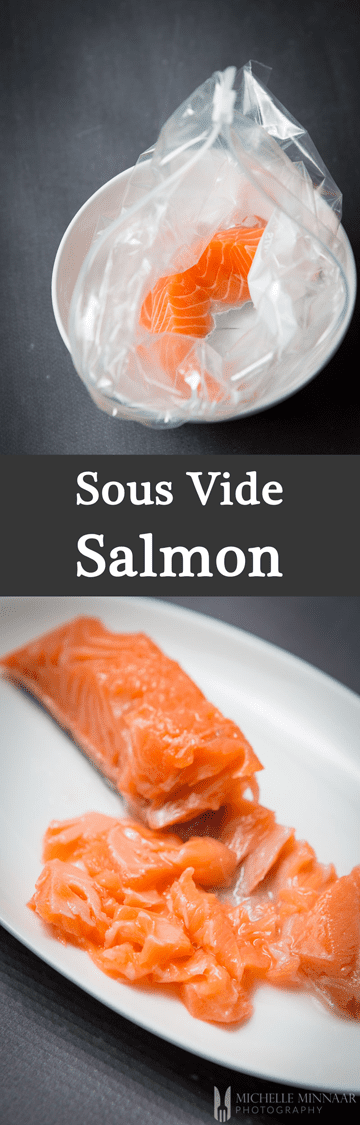
The first author of the paper is an (ex-)MSc student of mine; with Shane who is a chef, we had decided to study the sous-vide cooking methods and its impact on sensory and nutritional value of salmon.
I met Maria Dermiki when she worked for a short period in UL before moving to SIT but we kept communication alive and Maria introduced me to Shelley. With Maria and Shelley, we did this amazing work on sensory properties in Sligo's St Angela's Food Technology Centre.
Katie and Sushanta are our longstanding collaborators in LIT and Ronan has now finished his PhD with me and he is post-docing now at UPenn.
Alexandros and myself we are the FLIPS team in UL and you can read more about us the 3rd issue of our Departmental Newsletter.
The effects of cooking salmon sous-vide on its antithrombotic properties, lipid profile and sensory characteristics
Highlights
- • Mild sous vide cooking beneficially preserved the antithrombotic potency of salmon PL.
- • Levels of MUFA and n3 PUFA in salmon PL were not affected by mild sous vide conditions.
- • The
antithrombotic properties and EPA and PUFA levels, were reduced only in
sous vide un-brined salmon treated at higher temperatures.
- • The n6/n3 PUFA ratio remained at beneficial low levels in sous vide cooked salmon PL.
- • Sous vide preserve cardioprotective properties of salmon without affecting sensory characteristics.
-
-
- Abstract
Fish
contains bioactive polar lipids (PL) and is mainly consumed cooked. The
aim of this study was to evaluate the sensory characteristics of
sous-vide cooked salmon and the in vitro cardio-protective
properties of its PL. PL were extracted from brined and un-brined
sous-vide preparations in 52°C, 65°C, and 80°C, while their
antithrombotic cardio-protective properties were assessed in human
platelets and their fatty acid (FA) content was evaluated by LC-MS.
Sensory tests were performed using napping followed by check-all-that
apply (CATA). Mild temperatures (52°C, 65°C) did not affect the
inhibitory effect of PL from brined and un-brined salmon, against human
platelet aggregation induced by platelet-activating factor (PAF),
thrombin, adenosine diphosphate (ADP) or collagen. In higher
temperatures used for pasteurization (80°C), a reduction of
antithrombotic properties was observed in PL from both un-brined and
brined salmon samples. This reduction was accompanied by a decrease of
their n3 eicosapentaenoic acid (EPA) and overall polyunsaturated FA
(PUFA) content, but only in the PL of the un-brined salmon preparations.
Thus, changes in the fatty acid content of PL of all sous vide salmon
preparations, and especially of specific PUFA, seem to be associated
with the observed changes in their antithrombotic potency. Changes in
the content of the n-3 docosapentaenoic acid (DPA), a precursor of EPA
and docosahexaenoic acid (DHA), seem to be associated with differences
observed in the antithrombotic potency of PL from different sous vide
salmon preparations. Taste attributes were not affected by the
conditions of sous-vide preparations, whereas slight textural
differences were observed in samples treated at 65°C and 80°C. These
outcomes, if combined with the observed low values of the n-6/n-3 PUFA
ratio in PL of all sous-vide preparations, further suggest a beneficial
role for such a mild cooking procedure for preserving the antithrombotic
and cardio-protective properties of salmon without affecting its
sensory characteristics.
-
- You can read the full paper here.
-

No comments:
Post a Comment